 A Outdoor Master guide
What Parents Need to Know Before Buying a Toddler Ski Helmet
A ski helmet is the single most important piece of safety gear for toddlers learning to ski, but choosing the right one requires understanding fit, certification, and age-appropriate features.
Why a Ski Helmet Is Non-Negotiable for Toddlers
A ski helmet protects your toddler’s developing skull and brain from impacts that happen when they’re learning to turn, stop, and navigate beginner slopes. Toddlers fall frequently as they build coordination, and snow-covered ice is less forgiving than it looks.
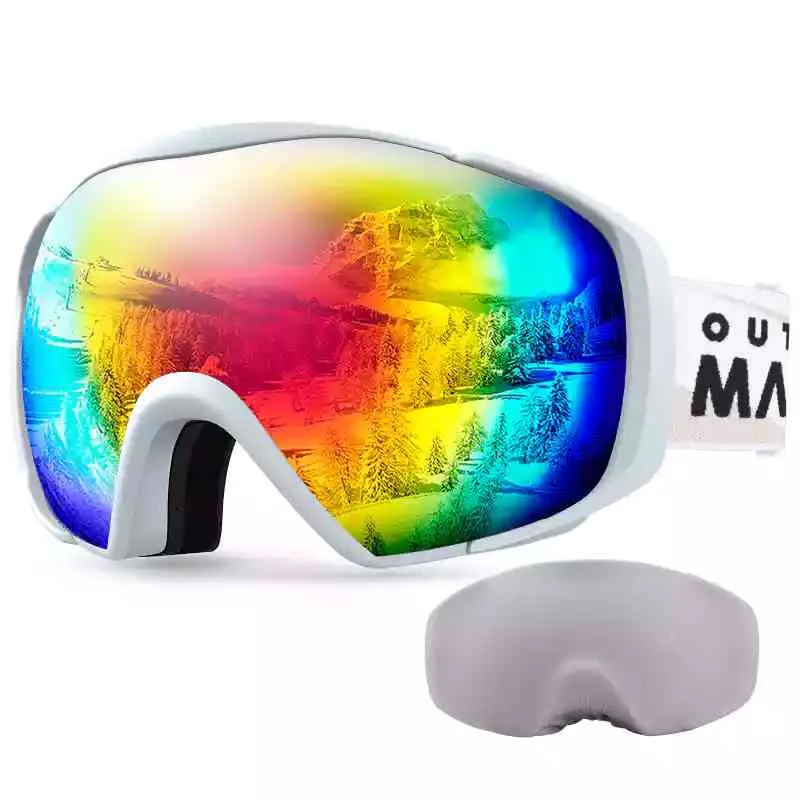
The right helmet stays put during tumbles, doesn’t fog up their ski goggles, and feels light enough that your child forgets they’re wearing it. Before you grab the code and shop, here’s what actually matters.
Certification and Safety Standards Come First
Every toddler ski helmet sold in the US must meet ASTM F2040 or CE EN 1077 certification. These standards test impact absorption, strap strength, and penetration resistance. Look for the certification sticker inside the helmet before buying.
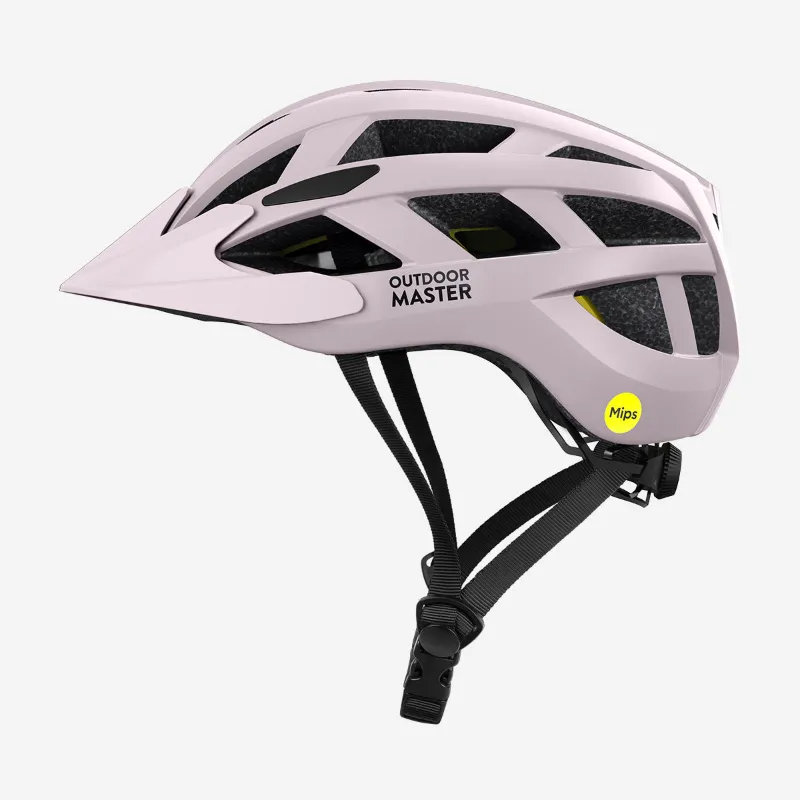
MIPS (Multi-directional Impact Protection System) adds a low-friction layer that allows the helmet to rotate slightly on impact, reducing rotational forces transmitted to the brain. A mips helmet costs more but offers measurably better protection in angled falls, which are common when toddlers catch an edge. REI’s helmet guide explains how MIPS works in detail if you want the engineering breakdown.
Key safety features to verify:
- ASTM F2040 or CE EN 1077 certification label
- Intact foam liner with no cracks or dents
- Functional buckle that clicks firmly and releases smoothly
- Adjustable fit system that tightens without pinching
Replace any helmet after a significant impact, even if it looks fine. The foam compresses permanently and won’t protect as well in a second hit.
Proper Fit Matters More Than Brand Names
A helmet that shifts around during a fall is useless. Measure your toddler’s head circumference just above the eyebrows and ears, then match that number to the manufacturer’s size chart. Most toddler helmets cover 48 to 52 cm (roughly ages 2 to 5), but individual heads vary.
The best ski helmet should sit level on the head, covering the forehead down to about one finger-width above the eyebrows. When your child shakes their head side to side with the chinstrap unbuckled, the helmet should stay put. If it slides, try a smaller size or a different fit system.
Fit System Styles
| Fit System | How It Works | Best For |
|---|---|---|
| Dial adjustment | Rear dial tightens internal cradle | Growing toddlers, easy on-slope tweaks |
| Pad-based | Removable foam pads in various thicknesses | Fine-tuning fit, lighter weight |
| Hybrid | Combination of dial and pads | Oddly shaped heads, maximum adjustability |
The chinstrap should sit flat against the skin and allow one finger of space between strap and chin. V-shaped straps that meet just below the ear stay in position better than Y-straps on wiggly toddlers.
Ventilation and Comfort Features Keep Them Happy
Toddlers overheat quickly, and a sweaty, uncomfortable child will refuse to ski. Adjustable vents let you open airflow on warm spring days and close them when temperatures drop. We’ve found that helmets with 6 to 12 vents offer the best balance, enough cooling without making the helmet too cold in single-digit weather.
Look for soft fleece or merino wool ear pads. Hard plastic audio pockets designed for Bluetooth speakers often press uncomfortably on small ears. Speaking of audio, ski helmets with Bluetooth are trendy for adults but add weight and distraction that toddlers don’t need.
Goggle compatibility is critical. The helmet’s front edge should sit flush with the goggle strap and top of the lens, creating a seal that prevents the “gaper gap” where cold air rushes in. Test fit the ski goggles and helmet together before buying if possible.
Weight matters too. Toddler neck muscles fatigue easily, so keep helmets under 400 grams. Heavier models with extra features might be safer on paper but useless if your child refuses to wear them.
Comparing Popular Options
When you’re ready to shop, check the latest price on Outdoor Master’s toddler range. We’ve compared them against other common choices:
Outdoor Master models excel at goggle integration since the brand designs both products to work together. The adjustable vents and dial fit systems handle multiple seasons of growth.
Giro and Smith are the names you’ll see most often at ski shops. Giro’s helmet lineup includes toddler-specific models with in-mold construction that bonds the outer shell to the foam, reducing weight. Smith’s Zoom Jr. uses Koroyd material for impact absorption, though it’s pricier.
POC focuses on Scandinavian safety testing and offers excellent side-impact protection, but their toddler sizing runs large and the price point is higher than most parents want to spend on gear that will be outgrown in two seasons.
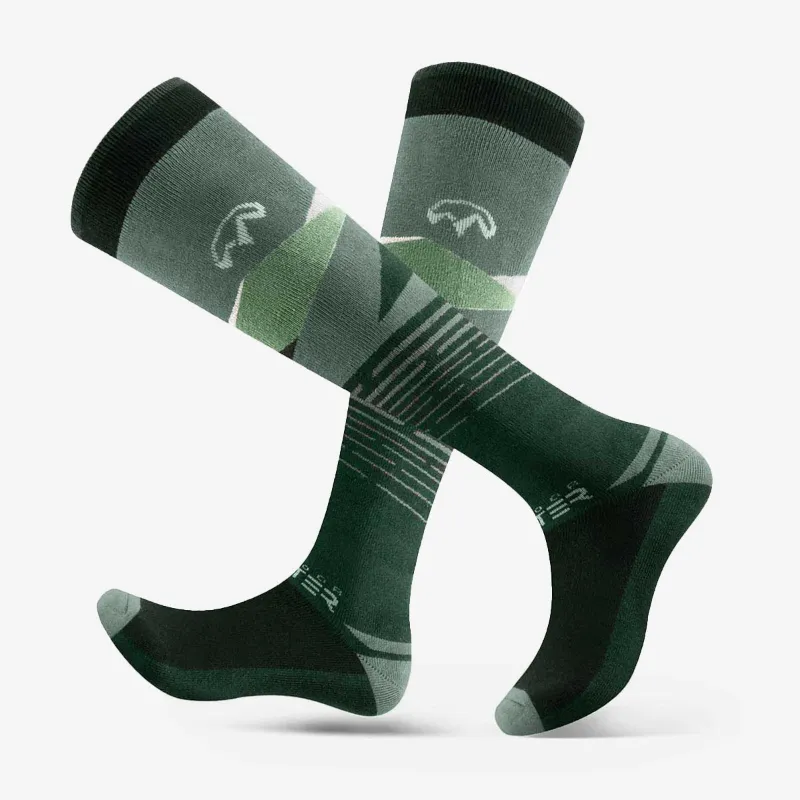
For most families, a certified helmet with MIPS, a dial fit system, and good venting from Outdoor Master or Giro offers the best combination of protection, comfort, and value. Pair it with quality ski socks and waterproof ski clothes to keep your toddler warm and dry all day.
What to Skip (And What’s Worth the Upgrade)
Skip helmets marketed for multiple sports unless they specifically list ski/snowboard certification. A bike helmet or climbing helmet won’t protect adequately against ski impacts and won’t integrate with goggles.
Skip built-in visors on toddler helmets. They fog easily, can’t be swapped for different light conditions, and add weight. Separate goggles give you more flexibility.
Worth upgrading: MIPS protection, especially if your toddler is aggressive or skiing on icy East Coast slopes. The $20 to 30 premium is justified by the safety data.
Worth upgrading: A dial fit system over pads alone. You’ll adjust the fit dozens of times as they grow, and being able to do it quickly on the mountain without removing gloves is clutch.
Not worth it: Bluetooth, action camera mounts, or removable ear pads with audio pockets. These add complexity and weight that toddlers don’t need.
Making the Helmet a Non-Negotiable Habit
Toddlers resist new gear, especially anything that touches their head. Put the helmet on at home during play time for a few minutes each day before your trip. Let them decorate it with stickers. Make it part of the ritual: boots go on, then helmet, then goggles, every single run.
Never ski without the helmet, even for “just one run” or “just in the lodge area.” Consistency builds the habit, and the lodge is where distracted skiers collide most often.
Store the helmet in a cool, dry place away from direct sunlight and heaters. UV exposure and heat degrade the foam over time. Most manufacturers recommend replacing helmets every 3 to 5 years even without a crash, though toddlers will outgrow theirs much faster.
Before each season, inspect the buckle, straps, and foam. If anything looks worn or your child has grown more than one size, it’s time for a new helmet. Check our current discount before you shop, we keep the Outdoor Master codes updated so you don’t pay full price.
Building a Complete Safety Setup
A helmet is essential, but it’s only one piece of your toddler’s safety gear. Wrist guards prevent the broken wrists that happen when kids instinctively put their hands out during falls. A properly fitted helmet plus wrist guards reduces injury risk by more than 60% according to multiple ski patrol data sets.
Layer your toddler in moisture-wicking base layers and insulated mid-layers under their shell. Cold, uncomfortable kids lose focus and fall more often. Keep hand warmers in your pockets for emergency warmth, and always carry an extra neck gaiter in case theirs gets soaked.
Enroll in a professional toddler ski lesson rather than teaching them yourself. Certified instructors know how to make learning fun and build proper technique from day one, which means fewer crashes and more confidence. Powder Magazine’s gear recommendations can help you round out the rest of their kit once the helmet question is solved.
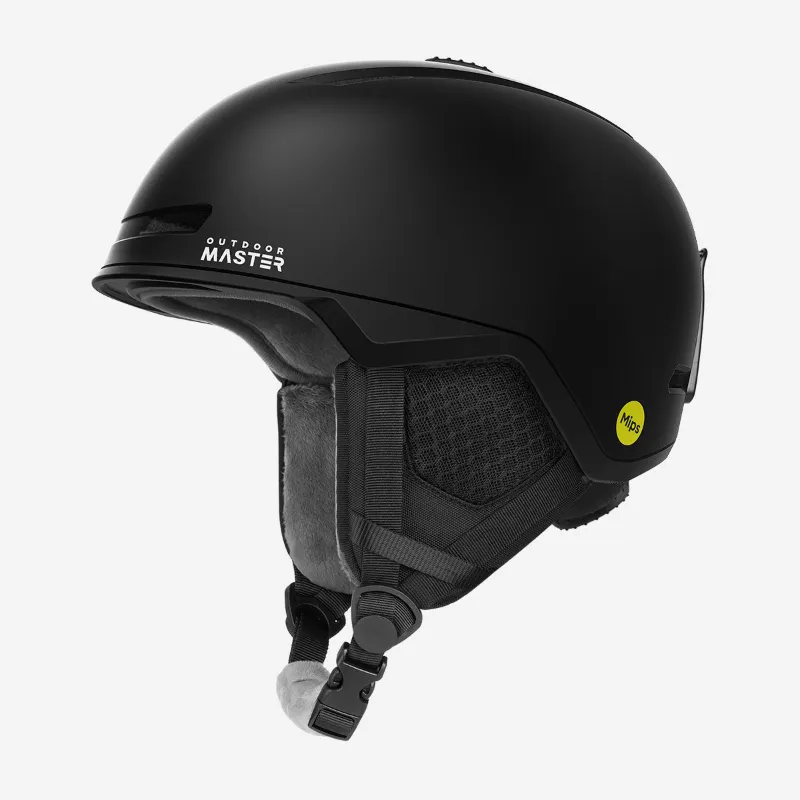
Most importantly, model the behavior you want. Wear your own ski helmet every single time you ski, even if you’ve been skiing for decades. Toddlers imitate what they see, and “Daddy wears his helmet, so I wear mine” is a powerful motivator.
Start with the helmet, add the habit, and you’ll set your toddler up for a lifetime of safe skiing.
Questions
What size ski helmet does a 3-year-old need?
Most 3-year-olds wear a helmet sized for 48 to 52 cm head circumference, but you must measure your child's head just above the eyebrows rather than guessing by age. Head sizes vary widely, and a properly sized helmet should sit level and not move when your child shakes their head with the strap unbuckled.
Is MIPS worth it for a toddler ski helmet?
Yes, MIPS adds meaningful protection against rotational forces during angled falls, which are extremely common when toddlers are learning to ski. The technology reduces brain injury risk and typically adds only $20 to 30 to the helmet cost, which is justified by the safety benefit.
Can my toddler wear a bike helmet for skiing?
No, bike helmets are not certified for ski impacts and lack the goggle compatibility, ear coverage, and insulation needed for winter sports. Only use helmets that meet ASTM F2040 or CE EN 1077 standards specifically for skiing and snowboarding.
How do I know if the toddler helmet fits correctly?
The helmet should sit level, cover the forehead to about one finger-width above the eyebrows, and stay in place when your child shakes their head side to side with the chinstrap unbuckled. The chinstrap should lie flat with one finger of space between strap and chin when buckled.
How long does a toddler ski helmet last?
Replace the helmet immediately after any significant impact, even if it looks undamaged. Without crashes, toddlers typically outgrow helmets within 1 to 2 seasons, though the foam itself degrades after 3 to 5 years of UV exposure and temperature cycling.
Should I buy a helmet with adjustable vents for my toddler?
Yes, adjustable vents let you control airflow as temperatures change throughout the day and season. Toddlers overheat easily, and a comfortable child is more likely to keep the helmet on all day without complaints.
Products in this guide
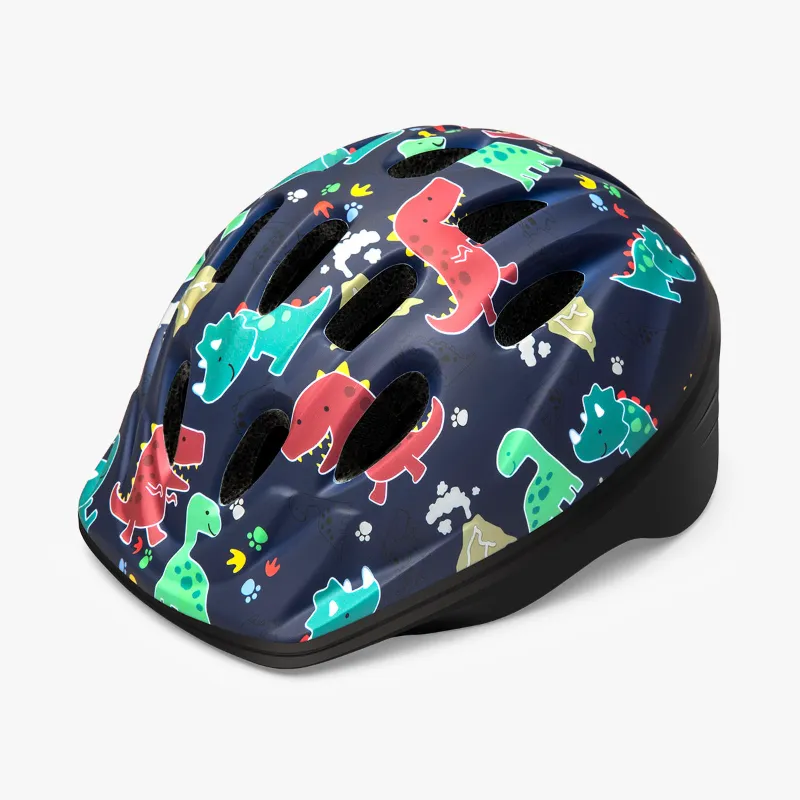
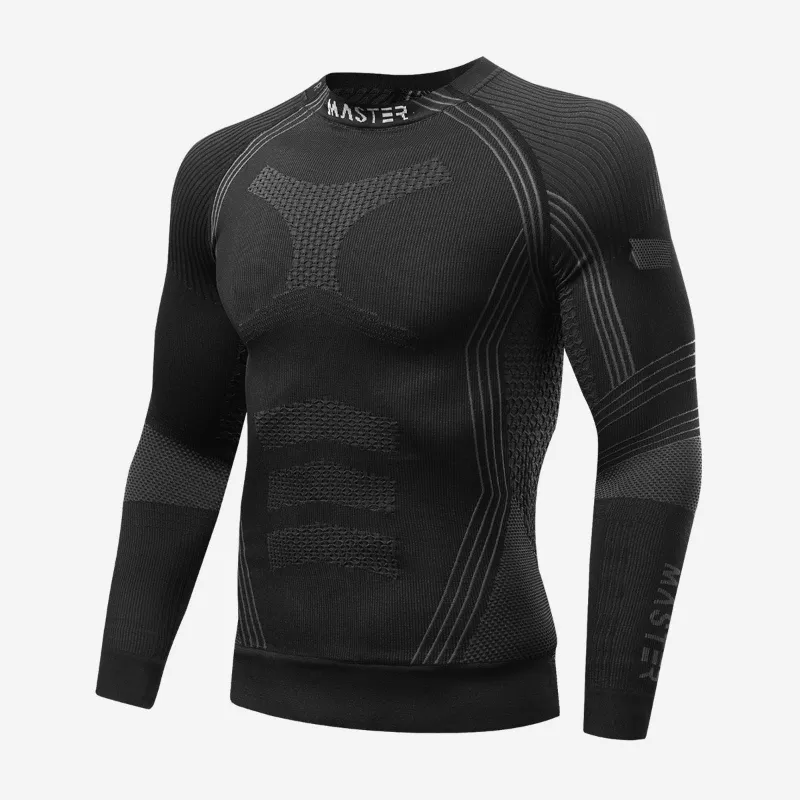
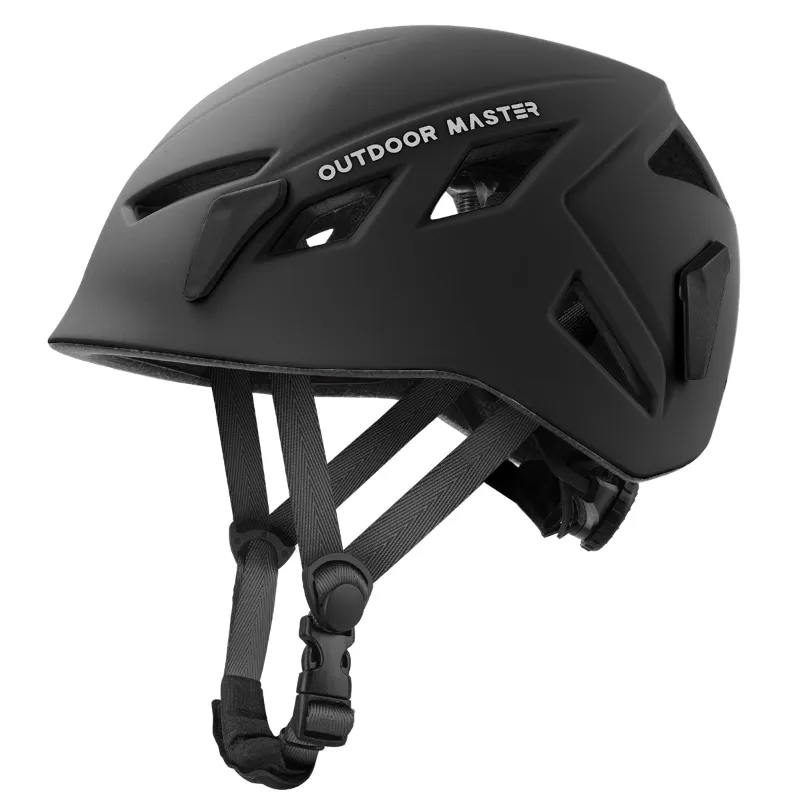 Shopping at Outdoor Master? See the discount code
10% OFF Sitewide
Shopping at Outdoor Master? See the discount code
10% OFF Sitewide
More in this series
How Long Do Outdoor Master Ski Goggles Last with Regular Use?10 Aug 20264 min Complete Guide to Waxing Your Snowboard: When and How Often to Use a Wax Kit10 Aug 20265 min
 Do Neoprene Socks Actually Keep Your Feet Warm While Snorkeling?10 Aug 20264 min
 Outdoor Master Paddle Board vs Traditional Hard Boards: Which Is Better for Beginners?10 Aug 20266 minHow to Choose the Right MIPS Ski Helmet for Your Head Shape and Riding Style10 Aug 20264 min