 A Outdoor Master guide
Do Neoprene Socks Actually Keep Your Feet Warm While Snorkeling?
Neoprene socks create warmth by trapping and heating a layer of water between the material and your skin, making them effective for cold-water snorkeling.
Do Neoprene Socks Keep Your Feet Warm?
Yes, neoprene socks actually keep your feet warm while snorkeling by trapping a thin layer of water against your skin that your body heats to create insulation. The thicker the neoprene (measured in millimeters), the more warmth you retain, though water still enters and exits the sock with every movement.
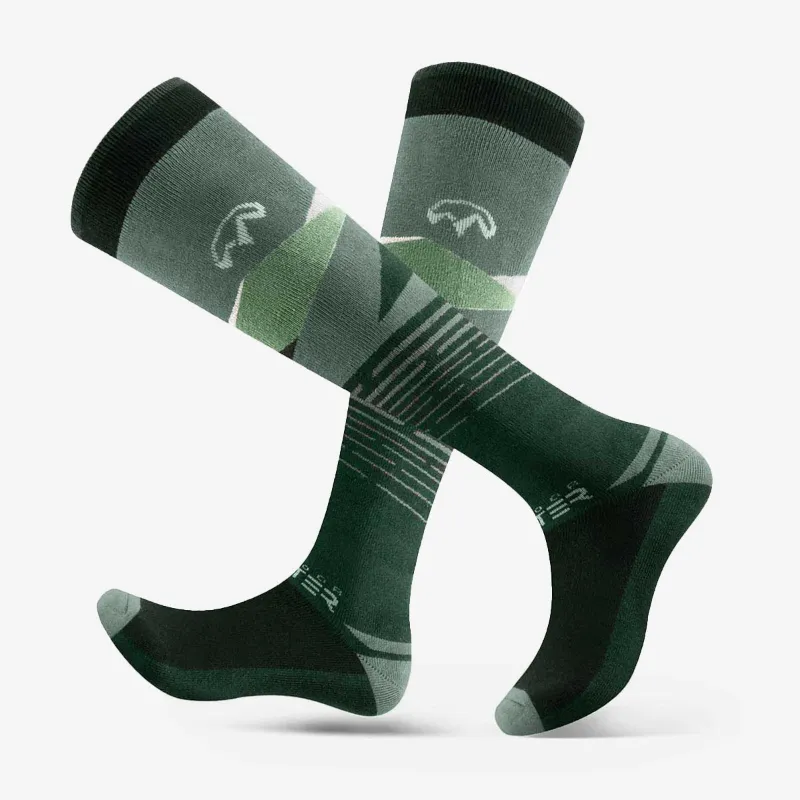
The insulation works differently than wool or synthetic ski socks because neoprene itself does not absorb water. Instead, the closed-cell foam structure traps tiny nitrogen bubbles that slow heat transfer from your body to the cold ocean or lake water around you.
What Thickness of Neoprene Socks You Need for Snorkeling
Neoprene thickness determines how much warmth and protection you get, and most snorkelers choose between 3mm and 5mm options:
- 3mm neoprene socks: Best for tropical or warm water (above 70°F), reef walking, and summer snorkeling. They offer protection from sharp coral and rocks without overheating your feet.
- 5mm neoprene socks: Ideal for cooler water (60°F to 70°F), extended snorkeling sessions, and anyone who runs cold. The extra insulation makes a noticeable difference in comfort.
- 7mm options: Overkill for most snorkeling but useful if you are diving in very cold water or combining snorkeling with other cold-weather water sports.
Water temperature matters more than air temperature. Even in tropical destinations, early morning snorkeling or deep reef areas can feel surprisingly cold after 20 minutes in the water. Check current pricing on thickness options that match your planned conditions.
How Neoprene Socks for Fins Fit Differently
Neoprene socks for fins need to fit snugly without bunching inside the foot pocket, which can cause blisters and reduce fin efficiency. Most manufacturers design them with a sleek profile and reinforced sole that grips the fin without adding bulk.
When sizing neoprene socks waterproof designs for fin use, order your normal shoe size or one size up if you are between sizes. The neoprene stretches slightly when wet but should feel snug when dry. Too much extra room allows water to flush in and out with each kick, which defeats the insulation and creates drag.
Key fit checkpoints:
- The heel cup sits firmly without slipping
- Toes reach the end without curling
- No fabric bunching around the arch or ankle
- The sock stays in place when you slide your foot into the fin
Glued and blind-stitched seams last longer than basic flatlock stitching and reduce water entry, though they cost slightly more.
Neoprene Socks vs. Reef Shoes: Which Protects Better?
| Feature | Neoprene Socks | Reef Shoes |
|---|---|---|
| Warmth | Excellent insulation | Minimal insulation |
| Fin compatibility | Designed for fin pockets | Often too bulky for fins |
| Protection from rocks | Moderate (thin sole) | Excellent (hard rubber sole) |
| Weight & pack size | Light, compressible | Heavier, rigid |
Neoprene socks excel when you are spending most of your time swimming and need fin efficiency plus warmth. Reef shoes work better if you are walking long distances over sharp lava rock or doing more beach exploration than actual snorkeling.
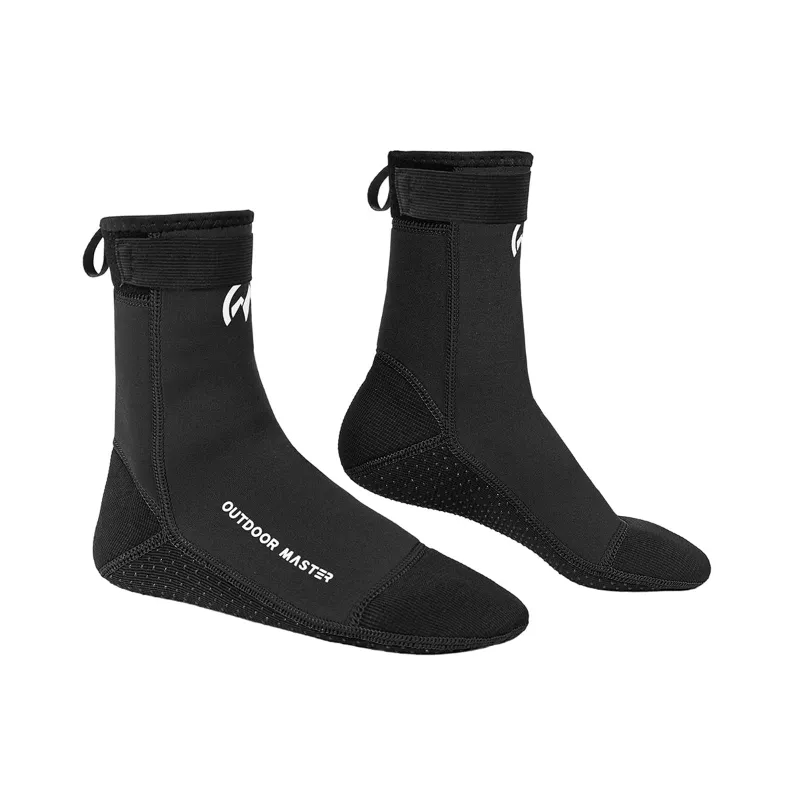
Many snorkelers pack both: reef shoes for the walk to the entry point, then switch to neoprene socks once they are in the water with fins on. This combination gives you the protection you need on land and the performance you want underwater.
What Are Neoprene Socks Used For Beyond Snorkeling?
Neoprene socks waterproof construction makes them surprisingly versatile across water and cold-weather activities:
- Kayaking and paddle boarding: Keep feet warm on long sessions when standing water pools in the cockpit or on deck
- Surfing and bodyboarding: Protect against wax burns and cold water in spring or fall
- Neoprene socks for hiking: Layer inside waterproof boots for stream crossings or wet trail conditions
- Diving: Provide extra warmth when your wetsuit does not have attached booties
- Winter water sports: Add insulation under water shoes for cold-weather activities
The same pair works across multiple activities if you rinse and dry them properly between uses.
How to Care for Neoprene Socks So They Last
Proper care extends the life of neoprene socks from one season to several years of regular use:
- Rinse in fresh water immediately after each use to remove salt, sand, and chlorine that break down neoprene over time
- Hang to dry inside-out in shade or indoors, never in direct sunlight which degrades the rubber
- Store flat or loosely rolled, not folded with creases that can crack the material
- Avoid petroleum-based products like sunscreen on your feet before putting socks on, as oils deteriorate neoprene
If your neoprene socks start to smell, soak them in a solution of wetsuit shampoo or mild detergent for 15 minutes, then rinse thoroughly. Standard laundry detergent is too harsh and strips the oils that keep neoprene flexible.
Small tears on the sole or seams can be repaired with neoprene cement, which costs less than replacement and works well for extending the life of a favorite pair.
Where to Find the Best Neoprene Socks Deals
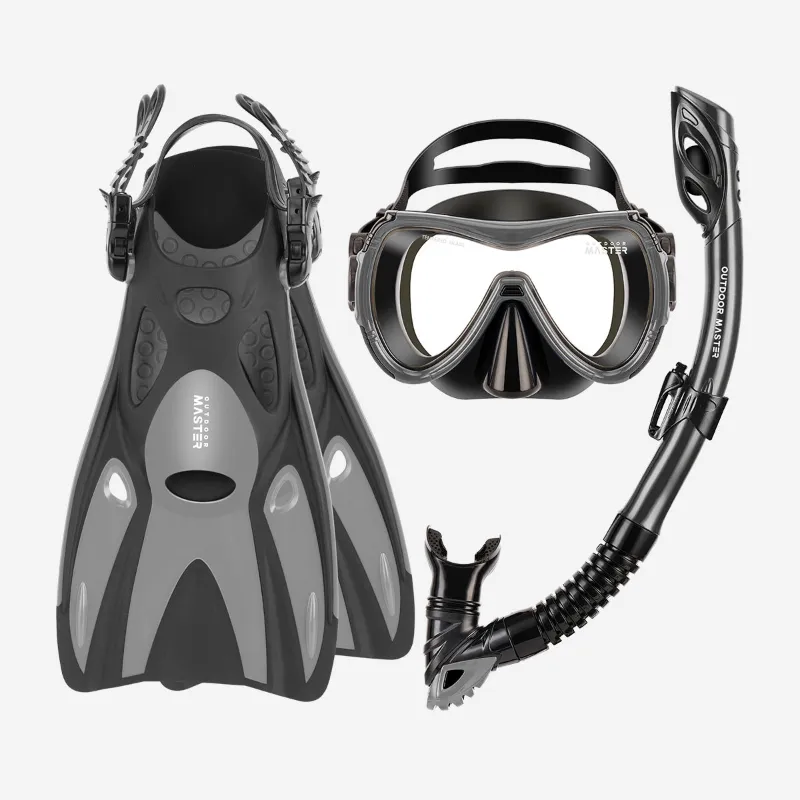
Quality neoprene socks typically range from budget-friendly thin options to premium cold-water designs with advanced stitching. Rather than listing specific prices that change seasonally, grab our discount code for current offers on water sports gear including neoprene socks and complete snorkeling gear packages.
The best neoprene socks balance thickness for your planned water temperature, durability through multiple seasons, and a low-profile fit that works with standard fins.
For snorkelers who also ski or snowboard, brands that make both water and winter gear often offer package deals when you buy multiple items together. Check whether combining neoprene socks with other seasonal gear saves more than buying items separately.
Questions
Do neoprene socks keep water out completely?
No, neoprene socks are not waterproof in the sense of keeping feet dry. Water enters the sock but gets trapped and warmed by your body heat, creating insulation. This is how they keep your feet warm rather than dry.
Can I wear neoprene socks with regular swim fins?
Yes, most neoprene socks work with adjustable-strap fins, though you may need to loosen the straps slightly. For full-foot fins, check that the fin pocket is large enough to accommodate the sock thickness or size up your fins.
How do I know what thickness of neoprene socks I need?
Choose 3mm for water above 70°F, 5mm for 60°F to 70°F water, and 7mm only for very cold conditions. Your personal cold tolerance and how long you plan to stay in the water also affect which thickness feels most comfortable.
Are neoprene socks worth it for warm tropical snorkeling?
Even in warm water, thin 3mm neoprene socks protect your feet from coral scrapes, sea urchins, and sharp rocks. The warmth is a bonus, but the protection alone makes them worthwhile for reef snorkeling.
Can neoprene socks be used for hiking in wet conditions?
Yes, neoprene socks for hiking work well as a waterproof layer inside boots for stream crossings or prolonged wet trail conditions. They keep feet warmer than cotton or wool socks when soaked, though they offer less cushioning for long distances.
How long do neoprene socks typically last with regular use?
With proper care including rinsing after each use and avoiding sun exposure while drying, quality neoprene socks last two to four seasons of regular snorkeling. Cheaper options may delaminate or tear at seams within one season.
Products in this guide
Shopping at Outdoor Master? See the discount code
10% OFF Sitewide
More in this series
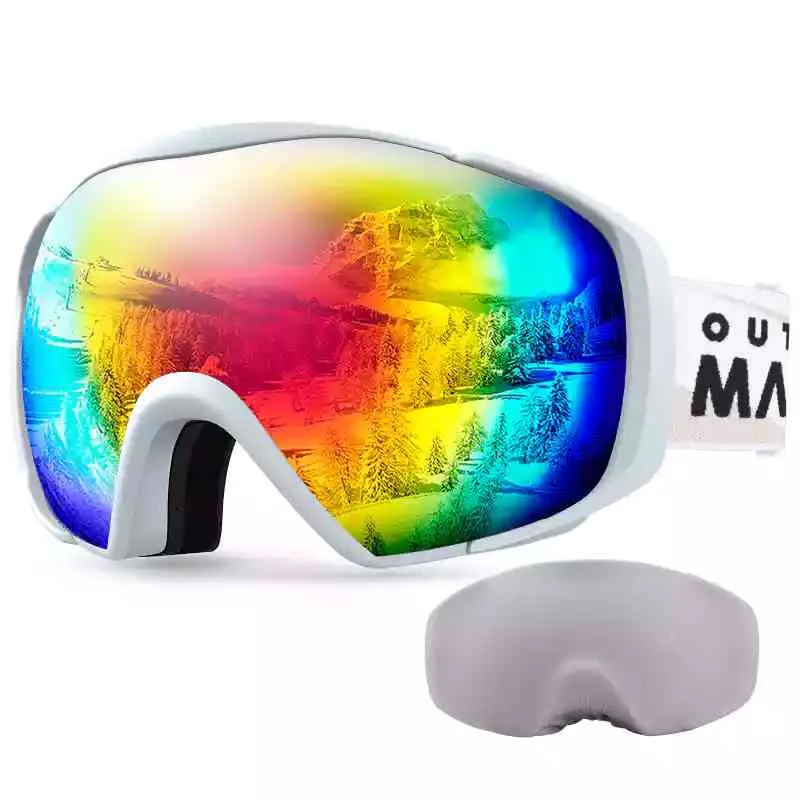 How Long Do Outdoor Master Ski Goggles Last with Regular Use?10 Aug 20264 min
 What Parents Need to Know Before Buying a Toddler Ski Helmet10 Aug 20266 min
 Complete Guide to Waxing Your Snowboard: When and How Often to Use a Wax Kit10 Aug 20265 min
 Outdoor Master Paddle Board vs Traditional Hard Boards: Which Is Better for Beginners?10 Aug 20266 min
 How to Choose the Right MIPS Ski Helmet for Your Head Shape and Riding Style10 Aug 20264 min