 A Outdoor Master guide
How to Choose the Right MIPS Ski Helmet for Your Head Shape and Riding Style
Choosing the right ski helmet means matching MIPS safety features, fit systems, and venting to your unique head shape and the way you ride.
Understanding MIPS Technology and Why It Matters
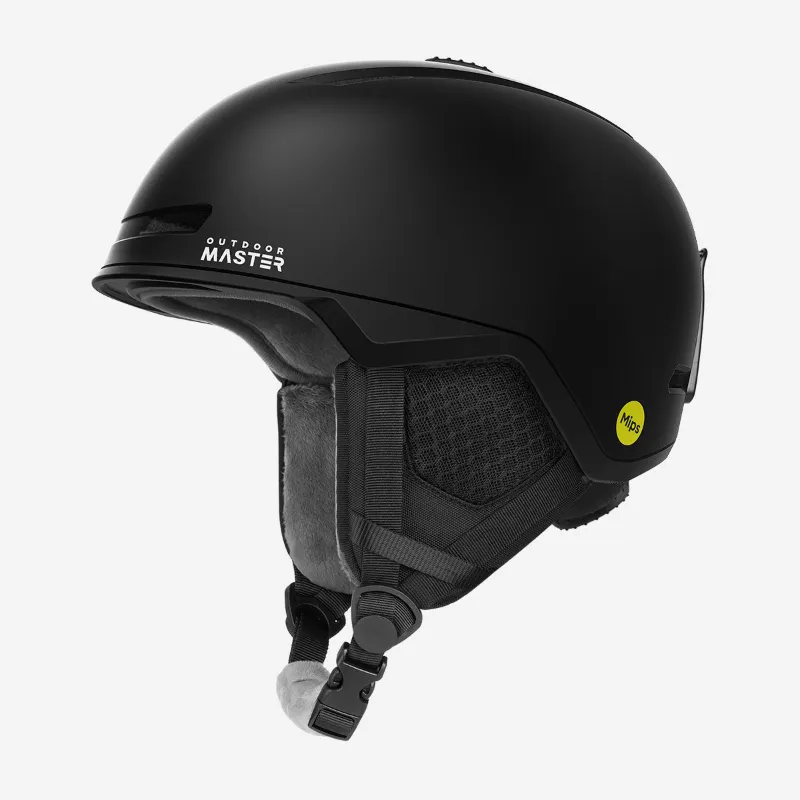
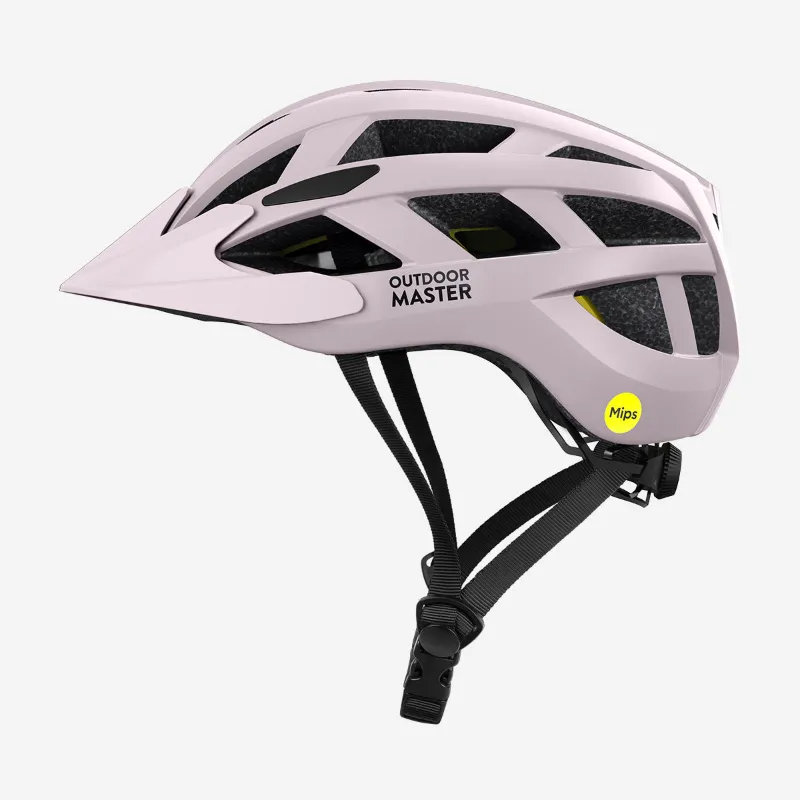
A ski helmet with MIPS (Multi-directional Impact Protection System) adds a low-friction liner inside the shell that allows your head to rotate slightly on impact, reducing rotational forces that can cause brain injuries. The yellow liner inside a mips helmet slides independently from the outer shell during angled crashes, the most common type of skiing accident.
MIPS adds around 10-15% to the cost but delivers protection beyond what standard foam alone can offer. Brands like Giro, POC, and Smith have adopted MIPS widely, and Giro’s helmet lineup showcases how the technology integrates across price points without adding bulk.
Measuring Your Head Shape for the Best Fit
Head shape matters more than size alone. Most skiers fall into one of three categories: round oval (width equals front-to-back depth), long oval (deeper than wide), or intermediate oval. To find yours, wrap a flexible tape measure around your head one inch above your eyebrows and measure the circumference, then compare width and depth.
Round oval heads fit best in helmets from brands that build wider shells, while long oval shapes need helmets with more front-to-back room. A ski helmet should feel snug across your forehead and temples without pressure points. When you shake your head side to side, the helmet and skin should move together. If the helmet shifts independently, go down a size or try a different fit system.
Most adult helmets span 52-62 cm in circumference, measured in small, medium, and large increments:
| Size | Circumference | Typical Fit |
|---|---|---|
| Small | 52-55 cm | Youth to petite adult |
| Medium | 55-59 cm | Most adults |
| Large | 59-62 cm | Larger or long oval heads |
Matching Helmet Style to Your Riding Type
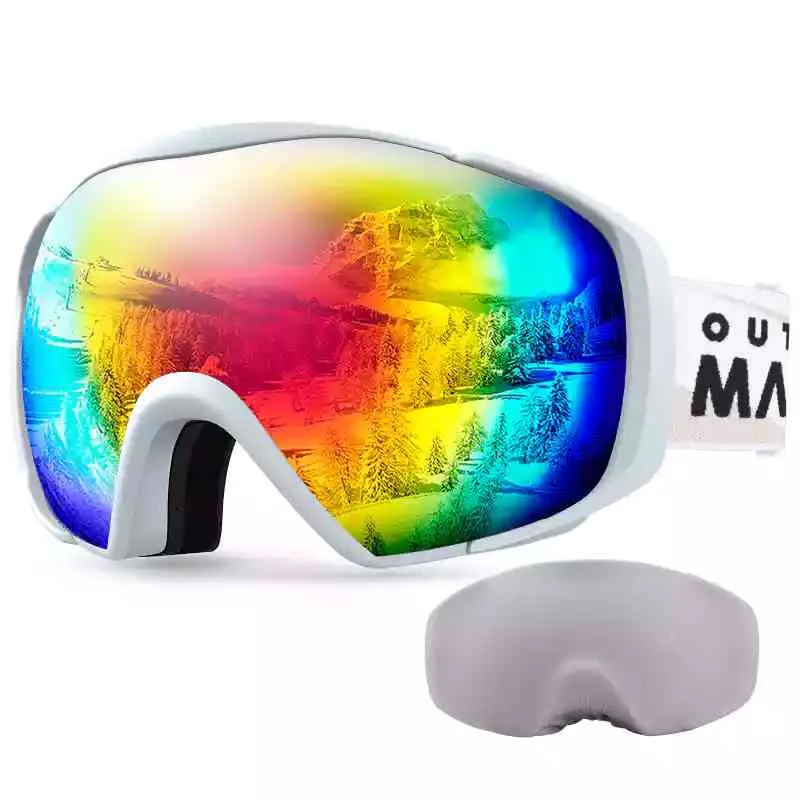
All-mountain skiers need versatile helmets with adjustable venting and compatibility with ski goggles that seal against the brow. Look for removable ear pads if you ski in variable weather, and a fit system with a rear dial that micro-adjusts circumference on the fly.
Backcountry and touring riders prioritize weight and maximum ventilation. Helmets under 400 grams with multiple adjustable vents prevent overheating on long climbs. Some touring-specific helmets skip MIPS to save grams, but we recommend keeping it unless you’re counting every ounce for ultralight missions.
Park and freestyle skiers benefit from extended rear coverage and multi-impact foam like Koroyd or EPP in addition to MIPS. Side impacts happen frequently on rails and jumps, so helmets with reinforced ear zones and lower side coverage protect better than minimalist race helmets.
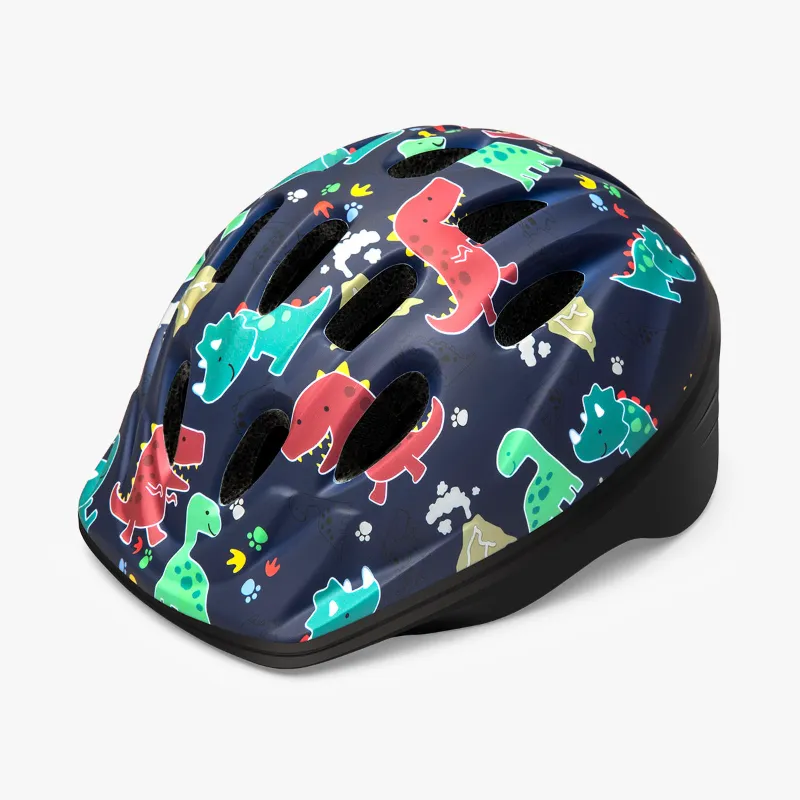
For families gearing up kids, a properly fitted toddler helmet with MIPS and a secure chinstrap is non-negotiable. Children’s heads are proportionally larger and more vulnerable, so prioritize certified helmets over budget options. Check our latest pricing and grab the code to save on family packages.
Key Features That Affect Comfort and Safety
Ventilation systems range from fixed vents to slider-controlled channels. We prefer adjustable vents that you can close in freezing conditions and open wide during spring skiing. Too many open vents in January will leave you cold, while fixed closed vents make April skiing unbearable.
Fit systems come in three types: basic pad kits, BOA-style rear dials, and hybrid systems with both vertical and circumference adjustment. Rear dial systems let you tweak fit mid-run without removing gloves. Budget helmets use foam pad kits that work but require you to choose the right thickness at home.
Audio integration is standard on mid-range and premium helmets now. Helmets with built-in audio pockets accept drop-in speakers or Bluetooth chips without aftermarket modifications. If you want a ski helmet with Bluetooth for music or calls, confirm the helmet has removable ear pad covers and audio-ready pockets before buying.
Goggle compatibility means the helmet brim matches your goggle frame so no gap exposes your forehead. Outdoor Master helmets pair with their ski goggles for seamless integration, and most brands now design helmet and goggle combos to eliminate gaps.
Certification Standards You Should Know
Every helmet sold in the US must meet ASTM F2040 or European EN 1077 standards, which test impact absorption and penetration resistance. Helmets stamped with both certifications have passed more rigorous testing. MIPS is not a replacement for these standards but an addition that addresses rotational impact, which traditional testing doesn’t measure.
We also look for helmets that exceed minimum standards. POC and Sweet Protection test beyond certification requirements, and REI’s helmet guide explains how independent labs verify claims. A certified helmet with MIPS is the baseline, anything less is not worth the risk.
When to Replace Your Helmet
Replace your helmet immediately after any significant impact, even if no visible damage appears. The foam inside compresses permanently on impact, losing its ability to protect in a second crash. Most manufacturers recommend replacement every three to five years regardless of impacts, as UV exposure, sweat, and temperature cycles degrade materials over time.
Inspect your helmet at the start of each season for cracks in the shell, compressed foam, or a loose fit system. If the chinstrap frays or buckles crack, retire the helmet. Used helmets from friends or swaps are risky because you can’t verify their crash history.
Where to Buy and Save
Outdoor Master offers helmets that integrate MIPS, adjustable fit systems, and goggle compatibility at accessible price points. Outdoor Master’s helmets meet ASTM and EN standards. Visit our discount code page to access the current 10% sitewide offer before heading to the mountain.
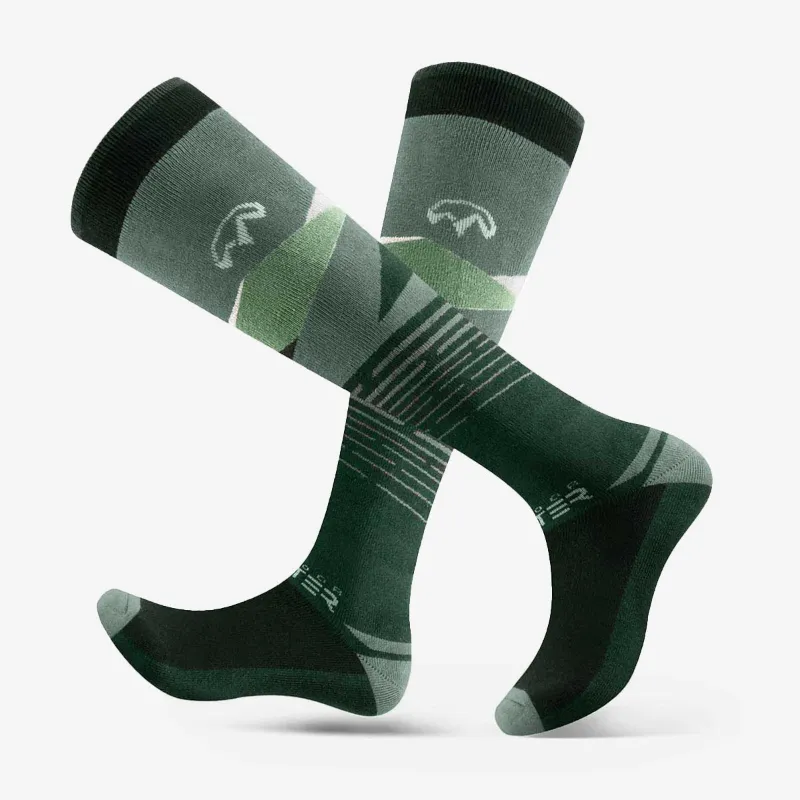
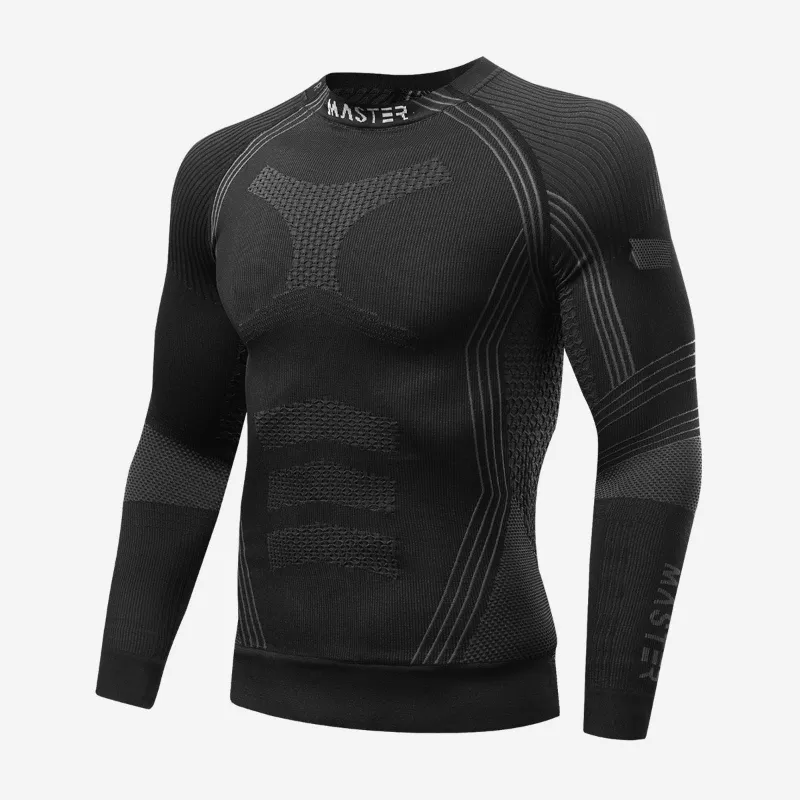
For more expert recommendations and detailed reviews, Powder Magazine’s helmet roundup compares dozens of models across all price ranges. Pair your new helmet with quality ski socks and waterproof ski clothes for a complete safety and comfort system that performs in any condition.
Questions
Do I really need MIPS in my ski helmet?
MIPS reduces rotational forces during angled impacts, the most common type of skiing crash. While standard helmets protect against direct impacts, MIPS adds measurable protection for side and rotational forces that can cause concussions and brain injuries.
How do I know if a helmet fits my head shape?
Measure your head circumference one inch above your eyebrows, then compare width to front-back depth. The helmet should feel snug without pressure points, and when you shake your head, the helmet and skin should move together without the helmet shifting independently.
Can I use the same helmet for skiing and mountain biking?
Ski helmets and MTB helmets meet different safety standards and offer different coverage. Ski helmets prioritize cold-weather insulation and goggle integration, while a full face MTB helmet provides chin protection. Use sport-specific helmets for proper protection.
How often should I replace my ski helmet?
Replace your helmet immediately after any significant impact, even without visible damage. If you haven't crashed, replace it every three to five years as UV exposure, sweat, and temperature cycles degrade the protective foam and shell materials.
What's the difference between fixed and adjustable vents?
Adjustable vents let you control airflow by opening them in warm spring conditions and closing them during freezing temperatures. Fixed vents stay open or closed permanently, which works if you ski in consistent conditions but limits versatility across seasons.
Are helmets with Bluetooth worth the extra cost?
If you listen to music or take calls while skiing, built-in Bluetooth pockets are worth it for clean integration without aftermarket modifications. Budget helmets with audio-ready ear pads let you add drop-in speakers later if you're unsure.
Products in this guide
 Shopping at Outdoor Master? See the discount code
10% OFF Sitewide
Shopping at Outdoor Master? See the discount code
10% OFF Sitewide
More in this series
How Long Do Outdoor Master Ski Goggles Last with Regular Use?10 Aug 20264 minWhat Parents Need to Know Before Buying a Toddler Ski Helmet10 Aug 20266 min Complete Guide to Waxing Your Snowboard: When and How Often to Use a Wax Kit10 Aug 20265 min
 Do Neoprene Socks Actually Keep Your Feet Warm While Snorkeling?10 Aug 20264 min
 Outdoor Master Paddle Board vs Traditional Hard Boards: Which Is Better for Beginners?10 Aug 20266 min