 A Outdoor Master guide
Complete Guide to Waxing Your Snowboard: When and How Often to Use a Wax Kit
A snowboard wax kit keeps your base fast and protected, but knowing when and how often to wax makes the difference between a smooth ride and a sticky slog.
A snowboard wax kit keeps your base fast and protected, but knowing when and how often to wax makes the difference between a smooth ride and a sticky slog. Most riders should wax every 3 to 5 days on snow, though frequency depends on conditions, riding style, and how your base looks and feels.
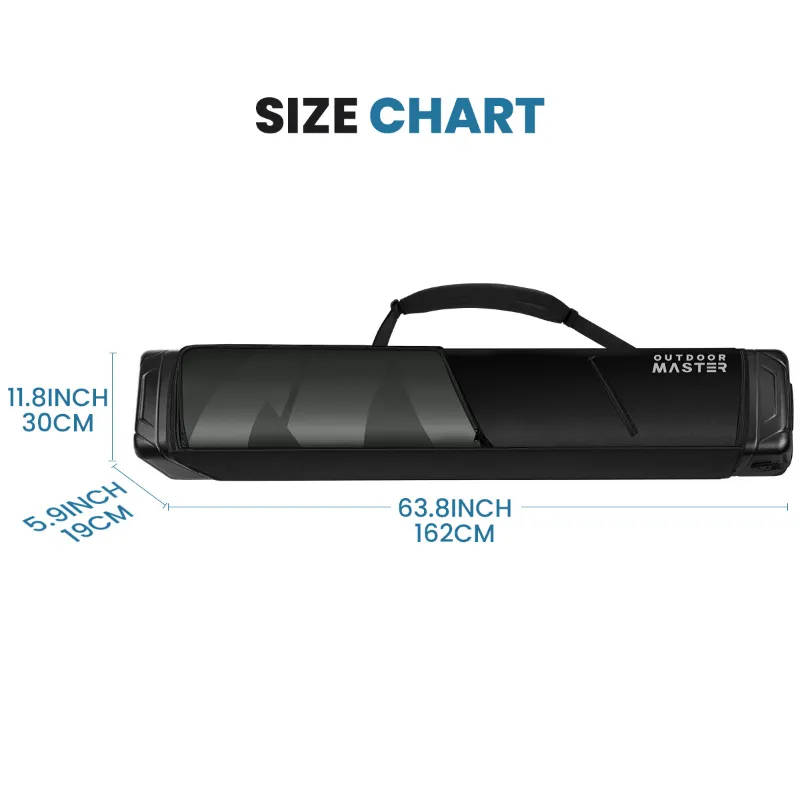
This guide walks you through wax timing, the tools you need, proper technique, and how to spot when your snow board is begging for attention.
What a Snowboard Tuning Kit Should Include
A complete snowboard wax kit gives you everything to maintain your base at home without a shop. The core items are wax (temperature-specific or all-temp), a snowboard wax iron with adjustable heat, a plastic scraper to remove excess wax, and a nylon or horsehair brush to polish the structure.
Many kits add edge tools, but waxing gear is the priority. Look for:
- Wax blocks or bars in the right temperature range for your local conditions
- Dedicated wax iron that holds steady, even heat (never a household iron, which spikes and scorches)
- Plastic scraper with a straight, sharp edge
- Base brush to open the structure and finish the job
- Workbench clamps or vise to hold the board steady
Recommended snowboard wax kits often include tutorial guides, which help if you are new to the process. REI and specialty shops stock a range of tuning tools that let you build your own setup piece by piece.
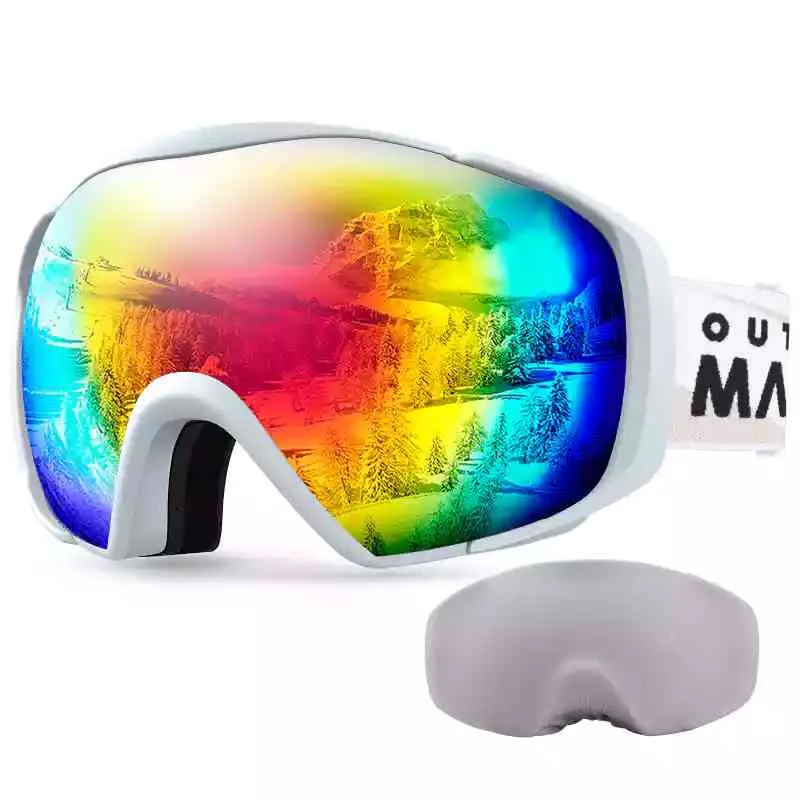
Pair your wax kit with the right gear for the mountain. Our ski goggles, ski helmet, and waterproof ski clothes keep you comfortable while your freshly waxed board does the work underneath.
How Often You Should Wax Your Snowboard
Wax every 3 to 5 riding days as a baseline. Aggressive riders, park laps, and spring slush chew through wax faster, so you may need to wax every 2 to 3 days. Casual cruisers on soft snow can stretch it to a week or more.
Conditions dictate the real schedule:
- Hard-pack and ice create friction that strips wax quickly
- Powder and soft snow are gentler on the base
- Spring corn and wet snow demand more frequent waxing because water pulls wax out
- Man-made snow is abrasive and accelerates wear
Check your base after every few sessions. If it looks chalky, feels dry, or rides slow on flat terrain, it is time. A well-waxed board glides effortlessly and sheds snow instead of collecting it.
We wax at the start of every season, after every 3 to 5 days on snow, and again for storage. Grab the code to save on the gear that pairs with a freshly tuned setup.
Step-by-Step: How to Wax Your Snowboard at Home
Waxing takes 20 minutes once you have the rhythm. Work in a ventilated space and secure your board base-up in a vise or across two sawhorses.
Prep and Application
- Clean the base. Wipe away dirt, old wax, and debris with a base cleaner or a dry brush. A clean surface lets new wax penetrate.
- Heat the iron. Set your wax iron to the temperature printed on the wax bar (usually 120 to 140°C for all-temp wax). Let it warm for a few minutes.
- Drip the wax. Hold the wax bar against the iron and let it drip onto the base in a zigzag pattern. Cover the board but do not flood it.
- Spread evenly. Glide the iron from tip to tail in smooth, overlapping passes. Keep it moving, never let it sit or you will damage the base. The wax should melt into a thin, even layer.
Scraping and Brushing
- Let it cool. Wait 20 to 30 minutes for the wax to harden completely. Room temperature is fine.
- Scrape tip to tail. Hold the plastic scraper at a 45-degree angle and pull it down the length of the board in long strokes. Remove all the wax you can see, what stays in the structure is what matters.
- Brush the base. Use a nylon or horsehair brush in firm, tip-to-tail strokes. This opens the structure, polishes the surface, and maximizes glide.
Your base should look smooth and slightly glossy, not thick or gummy. Check the latest price on tuning supplies and snow gear before the season heats up.
Signs Your Board Needs Waxing Right Now
Your board will tell you when it is thirsty. Watch for these signals:
- Chalky white patches on the base, especially near the edges
- Slow glide on flat cat tracks or traverses where you used to coast
- Sticky feel when you run your hand across the base
- Snow clumping on the base instead of shedding cleanly
- Visible scratches or dry spots that look dull rather than smooth
Ignoring these signs means more friction, slower speeds, and a base that dries out and becomes brittle. Wax as soon as you notice any of them.
End-of-season storage wax is non-negotiable. Apply a thick coat, skip the scraping, and let it sit all summer to protect the base from oxidation. Scrape and brush it off when the snow flies again.
Choosing the Best Snowboard Wax Kit for Your Needs
The best snowboard wax kit matches your riding frequency, local conditions, and skill level. Beginners benefit from all-in-one kits with clear instructions, while experienced riders often prefer à la carte components.
| Kit Type | Best For | What to Look For |
|---|---|---|
| All-in-One | First-time tuners, casual riders | Wax, iron, scraper, brush, and guide in one box |
| Advanced | Frequent riders, multiple boards | Temperature-specific wax, precision iron, extra brushes |
| Compact Travel | Road trips, mid-season touch-ups | Rub-on wax, small scraper, portable brush |
All-temp wax works in most conditions and simplifies the process. Temperature-specific wax (cold, warm, or spring formulas) delivers better performance when you dial it in. Many riders keep one all-temp bar for quick jobs and a few specialized blocks for race day or specific trips.
6 Best Ski Tuning and Waxing Kits of 2026 (Tested) offers hands-on comparisons if you want deeper analysis. We focus on kits that balance quality and value without unnecessary extras.
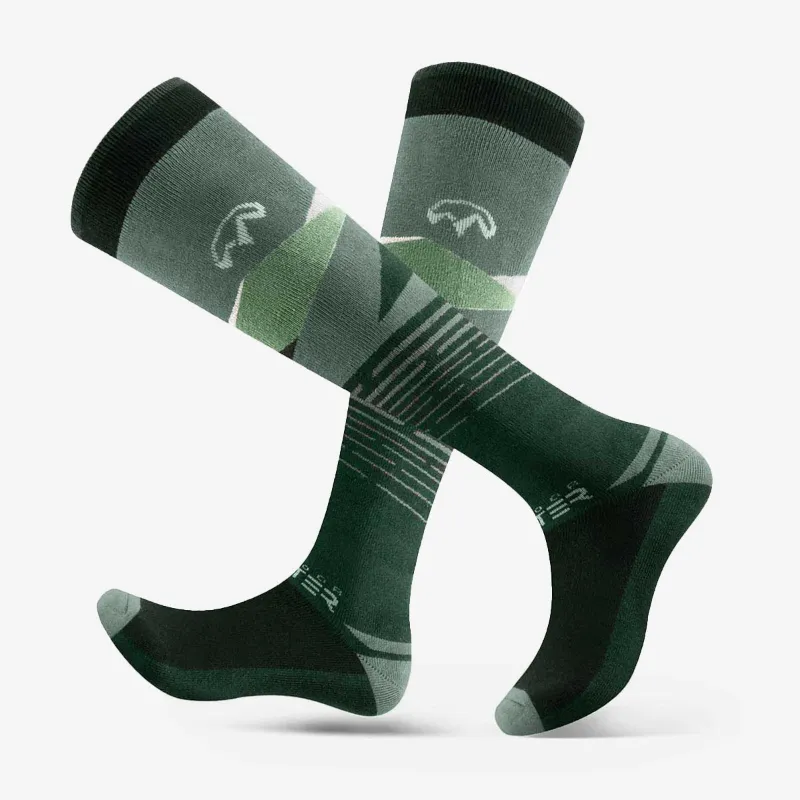
Pair your tuning routine with the right accessories. Our ski socks and mips helmet round out a complete setup that performs from base to beanie.
Common Waxing Mistakes and How to Avoid Them
Even straightforward maintenance has pitfalls. Here is what to skip:
- Using a household iron. Home irons spike in temperature and lack the thermal control you need. A dedicated wax iron is worth the investment.
- Leaving the iron in one spot. This scorches the base and creates irreversible damage. Keep it gliding.
- Scraping while the wax is warm. Hot wax scrapes easily but does not bond. Wait until it is fully cool.
- Skipping the brush. Scraping removes surface wax; brushing polishes the structure and unlocks speed.
- Waxing a dirty base. Dirt and grime get sealed in, reducing glide and making future waxing less effective.
Store your wax and tools in a cool, dry spot. Wax bars can crack in freezing temps or soften in heat, and a warped iron will never spread evenly again.
If you are gearing up for the season, check out our full range of snow essentials and save 10% sitewide with our code. A dialed-in board and the right gear make every run better.
Questions
How often should I wax my snowboard?
Wax every 3 to 5 riding days as a baseline. Aggressive riders, icy conditions, and spring slush require more frequent waxing, sometimes every 2 to 3 days. Check your base for white, chalky patches or slow glide as your real guide.
Can I use a regular iron to wax my snowboard?
No. Household irons spike in temperature and lack the steady, adjustable heat control needed for waxing. A dedicated snowboard wax iron prevents base damage and spreads wax evenly.
What is the difference between all-temp and temperature-specific wax?
All-temp wax works across a wide range of conditions and simplifies maintenance. Temperature-specific wax (cold, warm, spring) is tuned to snow type and delivers better performance when conditions match, but requires more planning.
Do I need to wax my snowboard before storing it for summer?
Yes. Apply a thick storage coat without scraping to protect the base from oxidation and drying out. Scrape and brush it off at the start of next season.
What does a snowboard tuning kit include?
A complete kit includes wax blocks, a wax iron, a plastic scraper, and a base brush. Some add edge tools, but the waxing essentials are the priority for maintaining glide and base health.
How do I know if my snowboard base needs waxing?
Look for chalky white patches, slow glide on flat terrain, a sticky feel when you touch the base, or snow clumping instead of shedding. Any of these signs mean it is time to wax.
Products in this guide
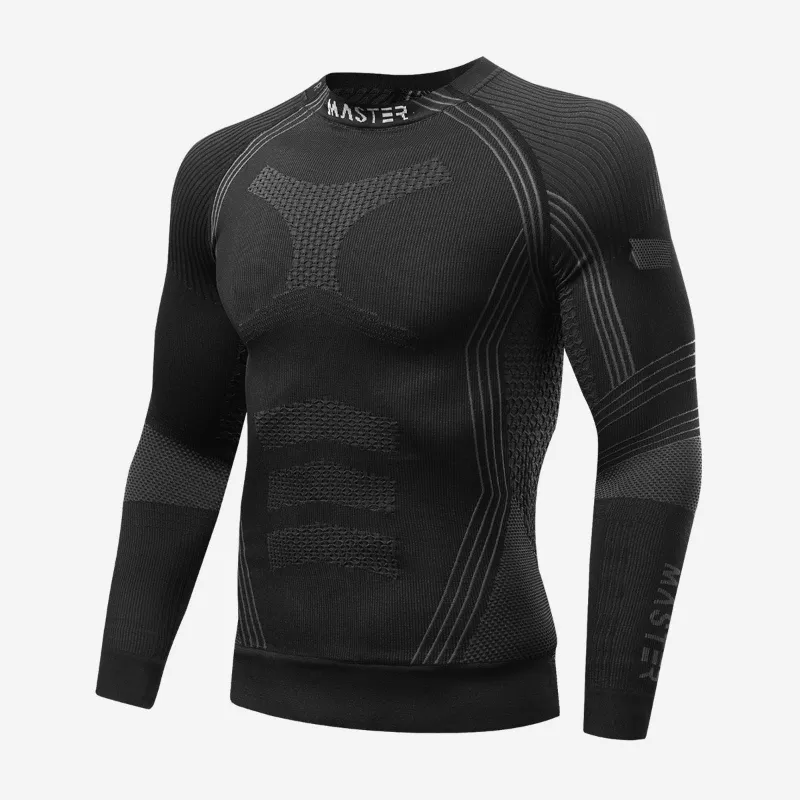
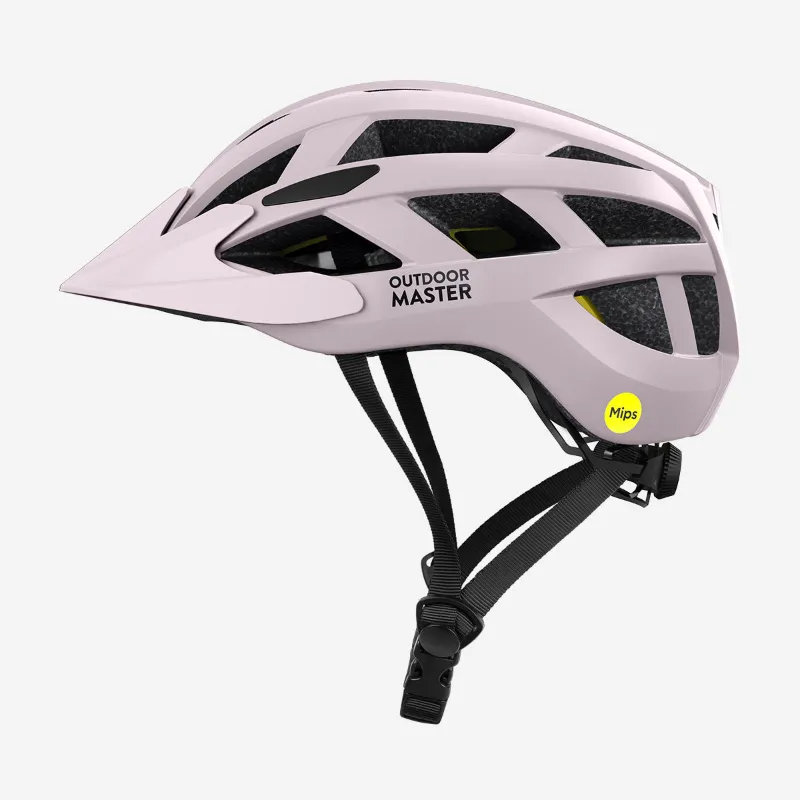 Shopping at Outdoor Master? See the discount code
10% OFF Sitewide
Shopping at Outdoor Master? See the discount code
10% OFF Sitewide
More in this series
How Long Do Outdoor Master Ski Goggles Last with Regular Use?10 Aug 20264 min What Parents Need to Know Before Buying a Toddler Ski Helmet10 Aug 20266 min
 Do Neoprene Socks Actually Keep Your Feet Warm While Snorkeling?10 Aug 20264 min
 Outdoor Master Paddle Board vs Traditional Hard Boards: Which Is Better for Beginners?10 Aug 20266 minHow to Choose the Right MIPS Ski Helmet for Your Head Shape and Riding Style10 Aug 20264 min