 A Alpine Footwear guide
Wide Step Shoes Explained: Who Really Benefits from Wide Fit Footwear
Wide step footwear is designed for anyone whose toes spread naturally or who experiences crowding, pinching, or bunion discomfort in standard-width shoes.
Who Really Benefits from Wide Step Footwear
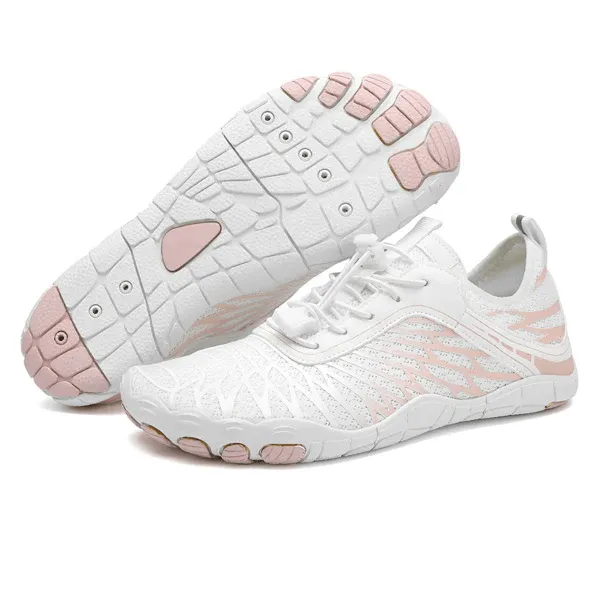
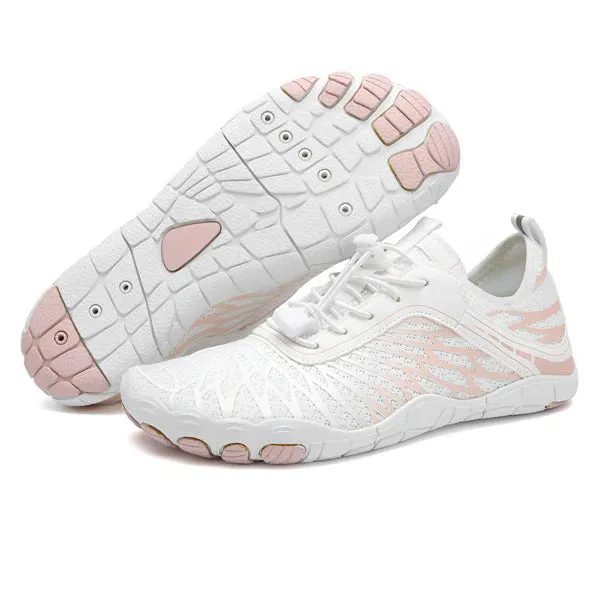
Wide step shoes are built for people whose feet need room to spread naturally, whether due to bunions, swelling, high-volume feet, or simply a wider forefoot. These aren’t niche orthotics anymore. Modern wide fit designs like lorax pro barefoot shoes combine generous toe boxes with performance materials, making them practical for everyday wear, light hiking, and gym sessions. If standard shoes leave you with pinched toes or pressure points by midday, a wide fit may solve the problem outright.
Foot Types That Need Extra Width
Not everyone needs a wide shoe, but certain anatomical traits make standard widths uncomfortable or even harmful over time.
- Bunions or hallux valgus: the big toe angles inward and creates a bony bump that rubs against narrow shoes
- Splayed or spreading forefeet: your toes naturally fan out when you stand, which standard tapered toe boxes compress
- Morton’s toe: when your second toe is longer than your big toe, you need extra depth and width to avoid jamming
- Lymphedema or edema: swelling from fluid retention, pregnancy, or medical conditions demands adjustable or roomie fits
- High-volume feet: thick or tall feet with higher arches or more soft tissue need both width and depth
- Hammertoes or claw toes: deformities that cause toes to curl or lift require a tall, wide toe box to prevent rubbing
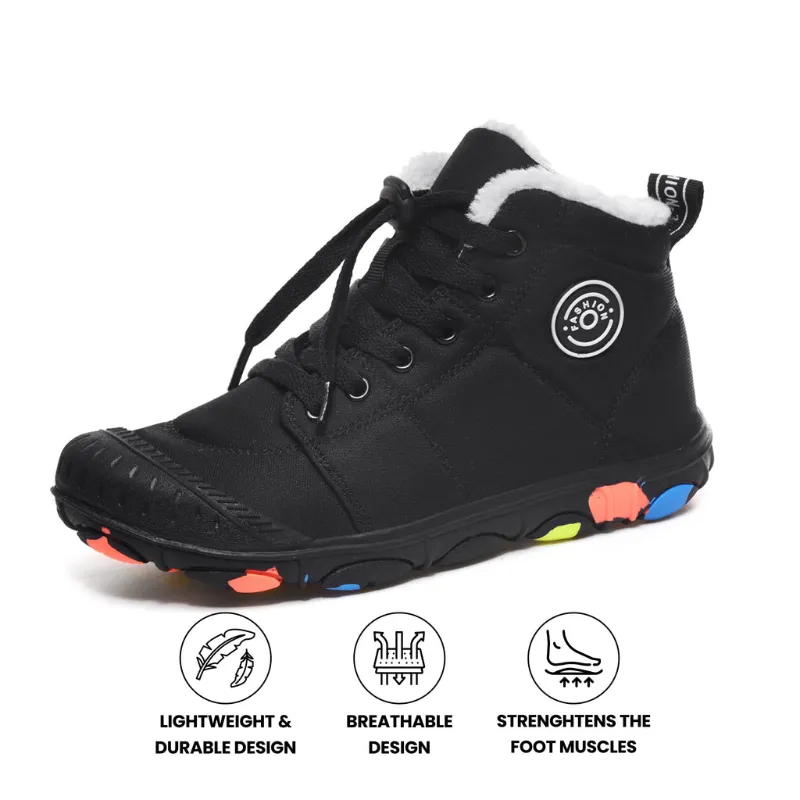
Children with growing feet also benefit. Barefoot shoes kids models offer wide toe boxes that let toes develop naturally without the constriction of traditional kids’ sneakers.
How Wide Fit Differs from Standard Shoes
Width isn’t just about adding millimeters to the forefoot. A true wide step design rethinks the entire front half of the shoe.
| Feature | Standard Width | Wide Fit |
|---|---|---|
| Toe box shape | Tapered, narrow | Rounded or anatomical |
| Forefoot volume | Snug compression | Room for toe splay |
| Heel fit | Often loose when sizing up | Stays secure at true size |
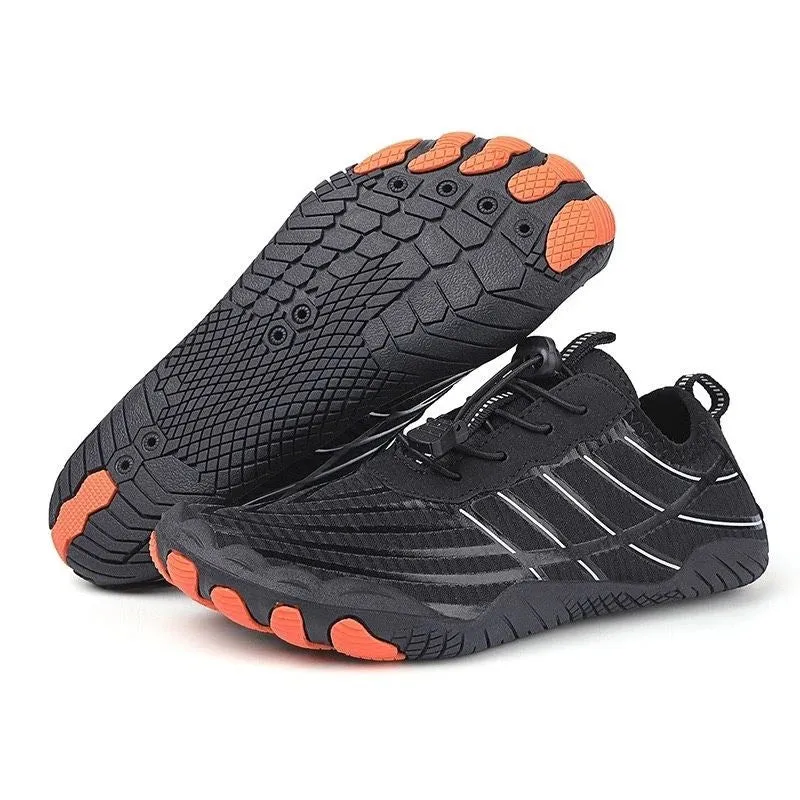
Many people size up in standard shoes to get width, but that leaves the heel sloppy and the arch misaligned. A proper wide fit gives you forefoot space without sacrificing heel lockdown. The wide step line is engineered this way, and you can grab the latest price and our discount code here.
Barefoot-style wide shoes go further by adding a zero-drop platform and flexible sole. Lorax pro shoes pair a 4.5 mm sole with a toe box that’s 15 to 20 percent wider than conventional trainers, letting your foot move and strengthen naturally.
Materials and Construction That Accommodate Width
Wide shoes fail if the upper material fights expansion. Look for these features when shopping.
- Knit or mesh uppers: stretch to match your foot’s shape without pressure points
- Soft leather or suede: molds over time and forgives minor width variations
- Minimal internal stitching: reduces ridges that can dig into wide or bony areas
- Adjustable closures: laces, hook-and-loop straps, or elastic panels let you dial in the fit
Avoid rigid synthetics and heavily structured uppers unless they’re cut generously from the start. We’ve seen too many “wide” shoes that rely on stiff overlays, which defeats the purpose.
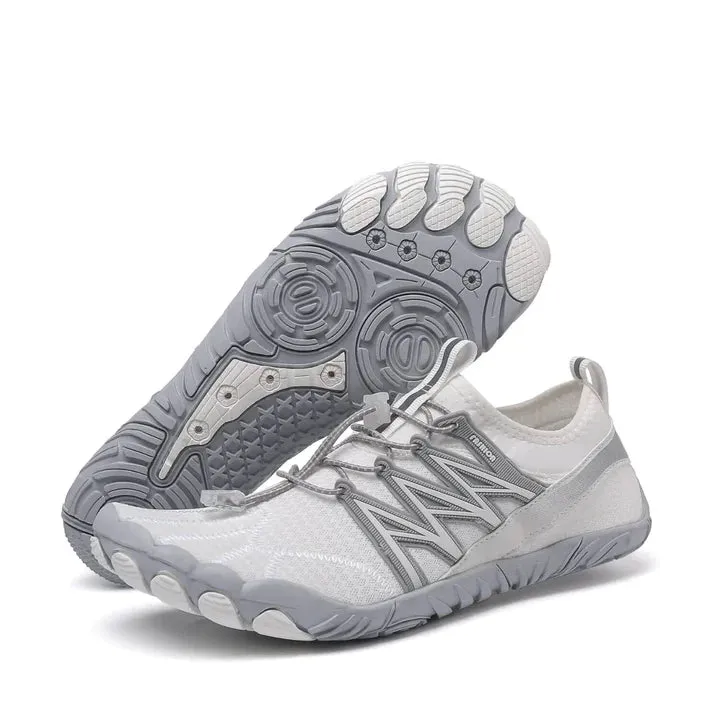
For people managing conditions like athlete’s foot, breathable wide shoes reduce moisture buildup. Athlete’s foot shoes combine antimicrobial linings with airy mesh, and the extra width improves ventilation between toes.
Adding Insoles and Toe Spreaders for Custom Fit
Even a well-fitted wide shoe can be optimized further with aftermarket inserts.
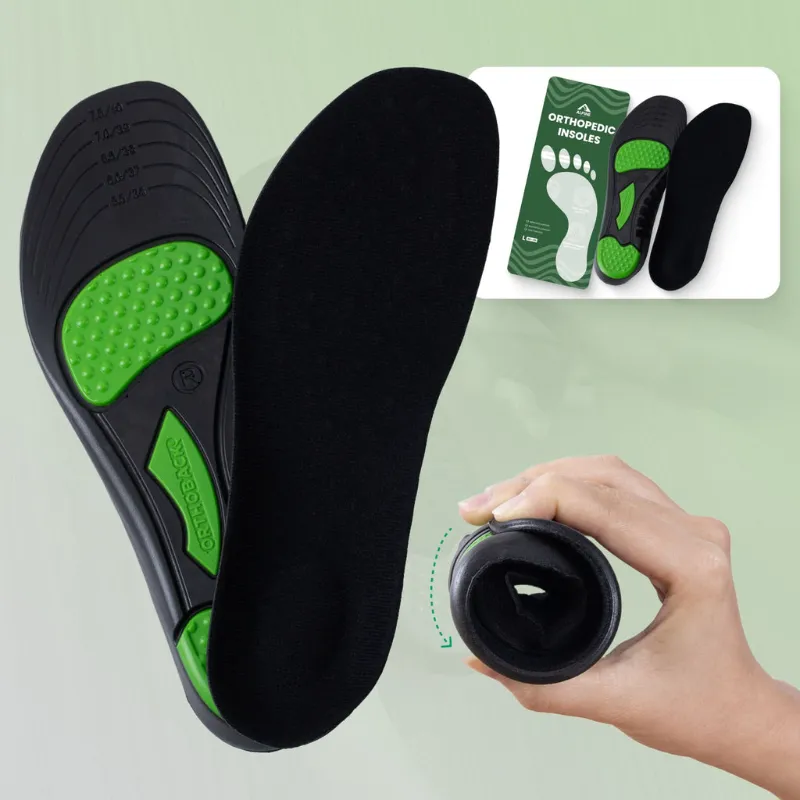
Orthopedic sole inserts add arch support or cushioning without narrowing the fit, especially if you remove the factory sockliner first. For people with plantar fasciitis or flat feet, a supportive insole stabilizes the midfoot while the wide toe box handles the forefoot.
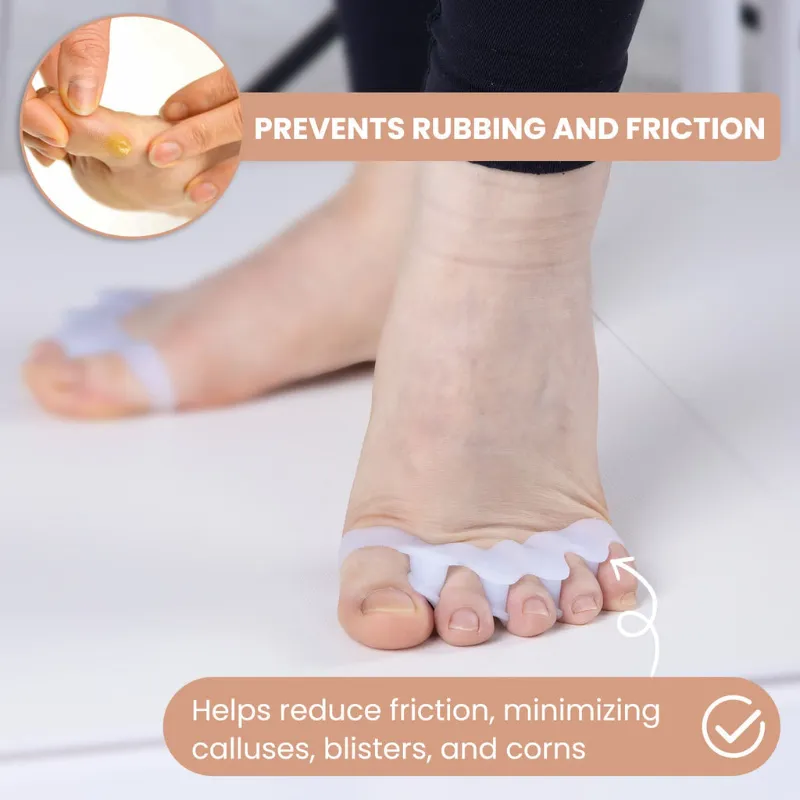
Toe spreaders are silicone or fabric devices that sit between your toes to reverse years of compression. Wear them for 15 to 30 minutes daily in your wide shoes (or barefoot) to retrain toe alignment. Some prefer toe separator shoes, which integrate spacers into the insole, though standalone spreaders offer more flexibility.
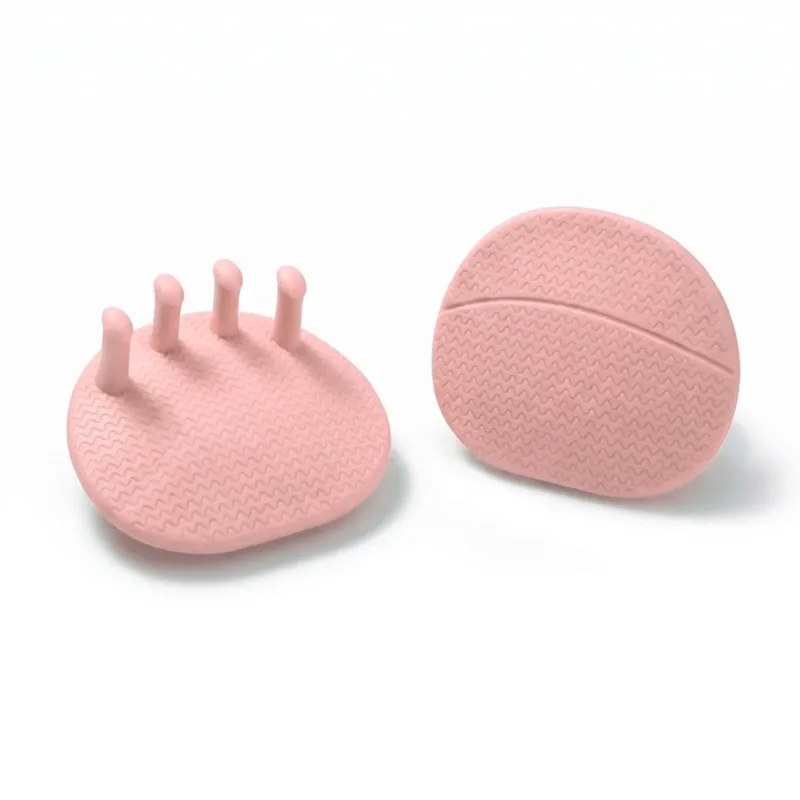
A foot trainer helps rebuild intrinsic foot muscles weakened by narrow footwear. Pair it with barefoot-style wide shoes for a complete rehab program.
Sizing and Fit Tips for Wide Step Shoes
Width sizing varies wildly between brands, so measuring at home is smarter than guessing.
- Trace your foot on paper while standing, then measure the widest part of the forefoot in centimeters
- Compare to brand charts: many wide fit makers publish forefoot width specs, not just length
- Check return policies–Alpine Footwear and similar brands offer trial periods, so order your usual size and one width up if you’re between measurements
- Test with socks you’ll actually wear: thick hiking socks change the fit equation
When you try the shoes, your toes should have at least a thumb’s width of space in front and enough room to wiggle side to side without sliding. The midfoot and heel should feel snug but not tight.
Children’s feet change fast, so check current sizing and our code before ordering kids’ models. Brands like Peak Footwear Lorax Pro update their junior sizing seasonally.
Who Should Skip Wide Fit Footwear
Wide shoes aren’t universal. If you have narrow heels or low-volume feet, a wide forefoot will cause your foot to slide forward, jamming your toes and creating blisters at the heel. In that case, look for brands that offer narrow or standard widths with a roomier toe box, or try foot soles with a thicker heel pad to take up volume.
People with very high arches sometimes find that wide shoes lack the side-to-side support they need, though orthotic-friendly wide models can solve this with a custom insert.
Where to Buy and How to Save
Wide step footwear is stocked by specialty retailers and direct-to-consumer brands. For the best selection of models we’ve discussed, grab our discount code for 15 percent off your next order.
Read customer reviews to see how different foot types respond to specific models, and check the brand’s story at their About Us page to understand their fit philosophy. Australian shoppers can also browse wide step options through local retailers for faster shipping.
Wide fit footwear has moved beyond orthopedic-looking clunkers. With breathable materials, flexible soles, and designs that respect natural foot shape, today’s wide shoes work for trail runs, office wear, and everything in between.
Questions
What conditions benefit most from wide step shoes?
Bunions, hammertoes, Morton's neuroma, plantar fasciitis, and lymphedema all improve with wide fit footwear that eliminates forefoot compression. People with naturally splayed toes or high-volume feet also see immediate comfort gains.
Can I use orthopedic insoles in wide fit shoes?
Yes, most wide shoes accommodate aftermarket insoles if you remove the factory sockliner first. Check that the insole doesn't reduce width to the point where it negates the benefit of the wide toe box.
How do barefoot wide shoes differ from traditional wide shoes?
Barefoot wide shoes add a zero-drop sole and flexible ground feel on top of the wide toe box, encouraging natural foot mechanics and muscle engagement. Traditional wide shoes typically keep elevated heels and structured midsoles.
Are wide fit shoes good for kids with growing feet?
Wide toe boxes let children's toes spread and develop naturally without constriction. This supports healthy bone alignment and muscle development, especially if paired with flexible soles.
Do I need to size up when buying wide fit footwear?
No, proper wide fit shoes should match your true length size while offering extra forefoot width. Sizing up in standard shoes is a workaround that causes heel slippage and misaligned arches.
Where can I find discount codes for wide step footwear?
We maintain a regularly updated Alpine Footwear discount code page with current offers, including percentage-off deals and free shipping thresholds for wide fit models.
Products in this guide
 Shopping at Alpine Footwear? See the discount code
15% OFF All Orders
Shopping at Alpine Footwear? See the discount code
15% OFF All Orders
More in this series
 Foot Trainer, Toe Separator Shoes, and Barefoot Shoes: Building a Complete Foot Health Routine21 Aug 20265 minThe Best Age to Start Kids in Barefoot Shoes (and How Alpine Footwear’s Kids Line Holds Up)21 Aug 20265 minDo Toe Spreaders Actually Work?21 Aug 20265 minHow to Choose Between Orthopedic Sole Insoles and Foot Soles for Everyday Comfort21 Aug 20264 minLorax Pro Barefoot Shoes vs. Lorax Pro Shoes: Which Alpine Footwear Is Right for You?21 Aug 20265 min