 A Alpine Footwear guide
Lorax Pro Barefoot Shoes vs. Lorax Pro Shoes: Which Alpine Footwear Is Right for You?
Lorax pro barefoot shoes prioritize zero-drop natural gait and wide toe boxes, while Lorax Pro performance shoes add cushioning and arch support for everyday wear.
Lorax Pro Barefoot Shoes vs. Performance Models: Understanding the Difference
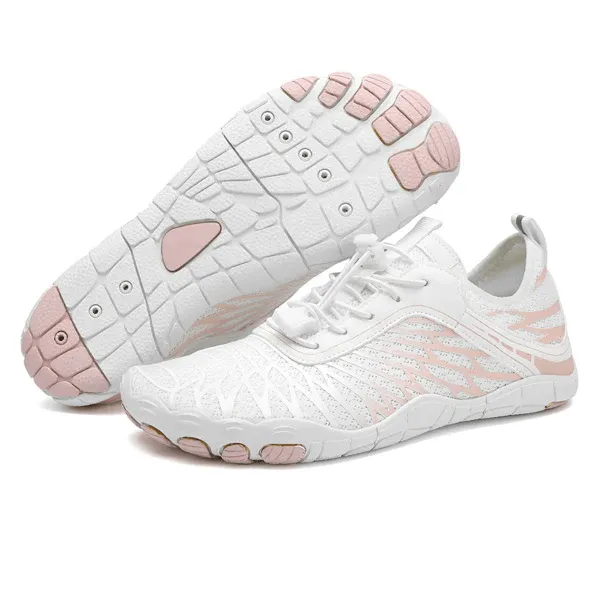
The lorax pro barefoot shoes deliver a minimalist, ground-feel experience with zero-drop soles and anatomical toe boxes, while lorax pro shoes incorporate moderate cushioning and structured support for users transitioning from conventional footwear. Both lines come from Alpine Footwear, but they serve different movement philosophies and foot-health goals.
This guide breaks down construction, fit, use cases, and how to choose between the two.
What Makes Lorax Pro Barefoot Shoes Different
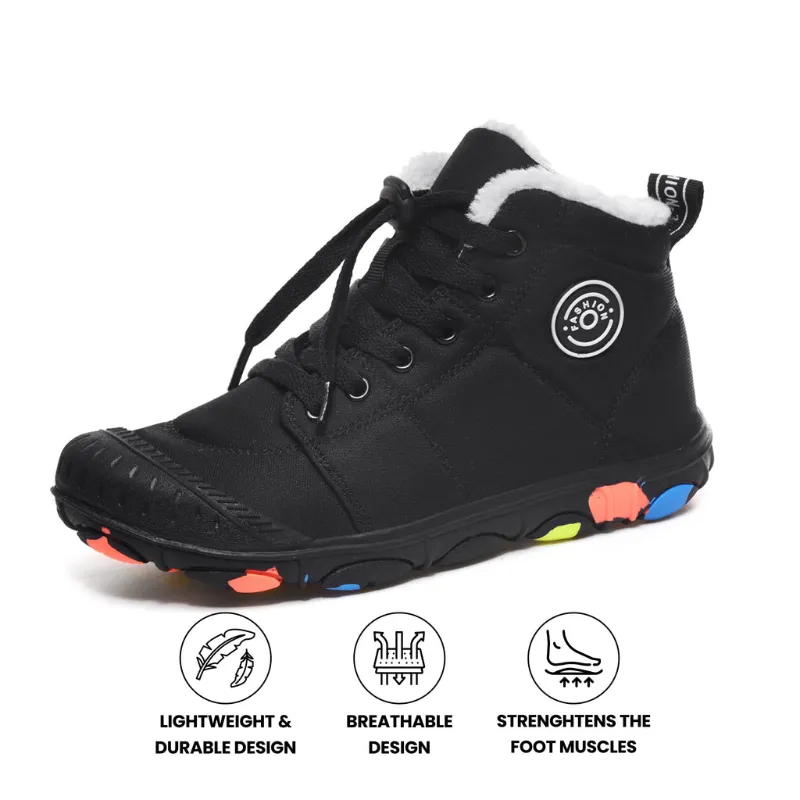
Barefoot shoes strip away elevated heels, arch props, and rigid midsoles to let your feet move as they evolved to. The lorax pro barefoot shoes feature:
- Zero-drop platform so your heel and forefoot sit at the same height, promoting natural posture
- Wide toe box that allows toe splay and prevents compression
- Flexible sole (typically 4 to 6 mm) for ground feedback and proprioception
- Lightweight construction under 200 grams per shoe in most sizes
- Minimal cushioning to strengthen foot muscles over time
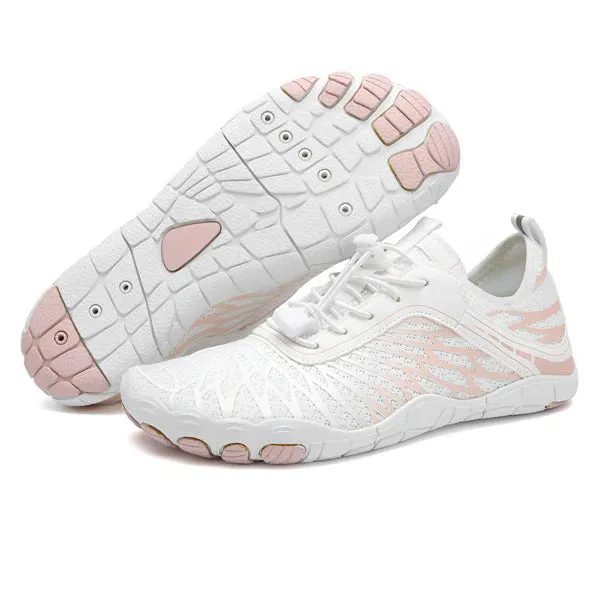
This design works best for runners, hikers, and lifters who want to rebuild foot strength or adopt a forefoot-strike gait. The peak footwear lorax pro barefoot line also includes models with drainage ports for water crossings and puncture-resistant inserts for trail protection.
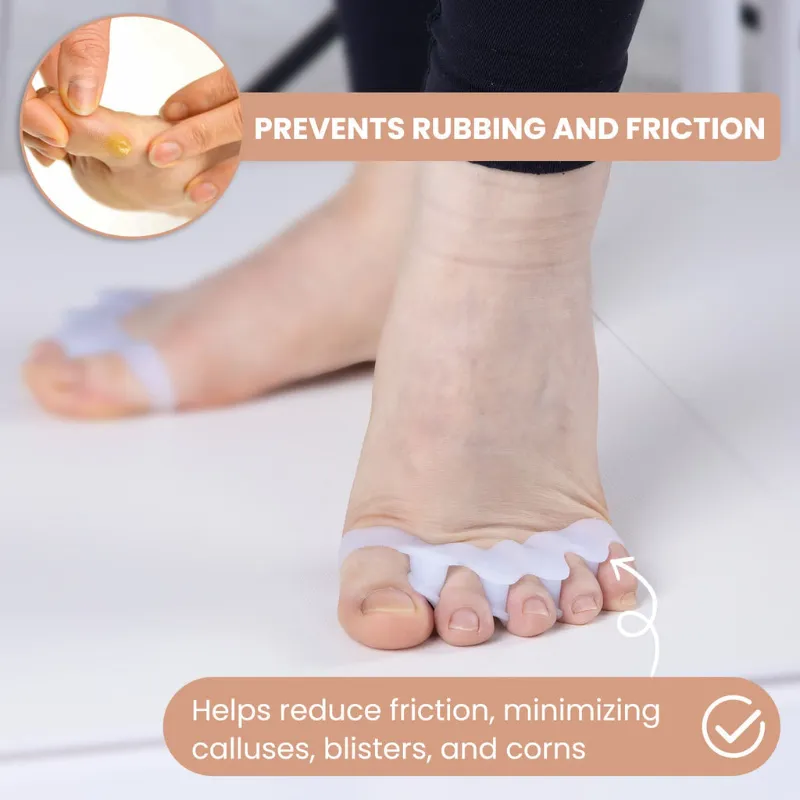
If you are new to barefoot training, pair these with toe spreaders during rest periods to accelerate toe realignment and ease the transition.
When Lorax Pro Performance Shoes Are the Better Choice
The standard Lorax Pro shoes retain some minimalist principles but add structure for users who need:
- 6 to 12 mm heel-to-toe drop to reduce Achilles strain during the break-in phase
- Moderate midsole cushioning for shock absorption on pavement or long shifts
- Contoured footbed with light arch support for overpronators
- Reinforced heel counter for lateral stability in CrossFit, basketball, or hiking with a pack
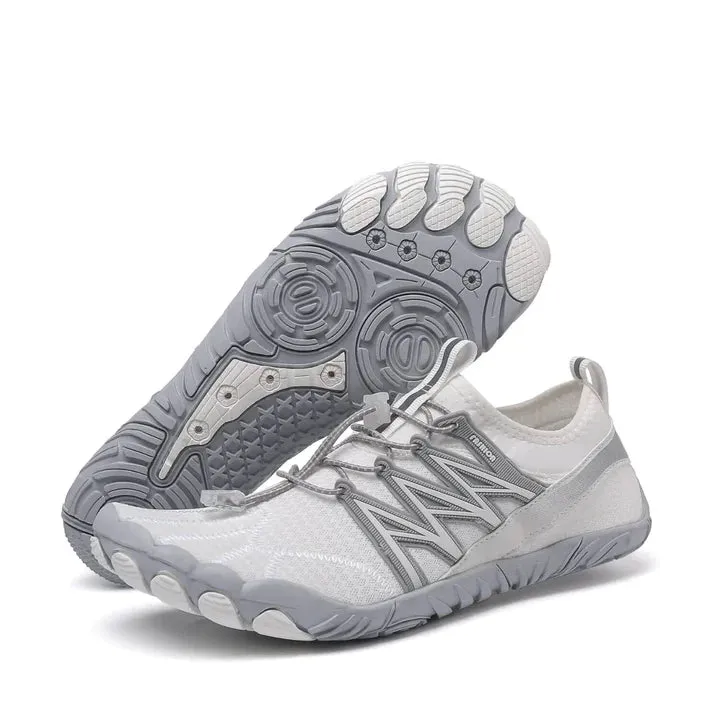
These models suit office workers transitioning to healthier footwear, casual hikers, and athletes recovering from plantar fasciitis or Achilles tendinitis. The athlete’s foot shoes within this line also feature antimicrobial linings and breathable mesh uppers to reduce moisture and odor.
For additional arch relief, swap in orthopedic sole inserts compatible with the removable footbeds.
Sizing and Fit Comparison: Lorax Pro Barefoot Shoes vs. Standard Models
Both lines run true to size in length but differ significantly in volume and toe room:
| Feature | Lorax Pro Barefoot Shoes | Lorax Pro Performance Shoes |
|---|---|---|
| Toe Box Width | Extra wide, anatomical shape | Standard to slightly wide |
| Heel Lockdown | Minimal, relies on laces | Structured counter, snug fit |
| Sock Compatibility | Thin or barefoot socks only | Works with cushioned socks |
| Break-In Period | Immediate comfort | 1 to 2 weeks for midsole compression |
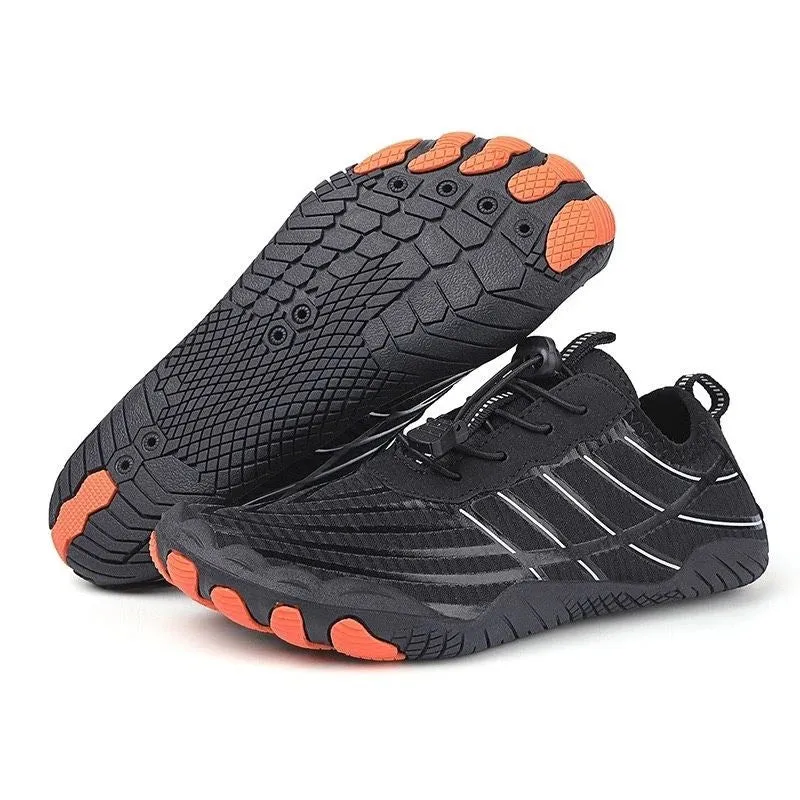
If you typically wear wide-width shoes, the wide step performance models offer more forefoot room than the standard Lorax Pro line without going fully barefoot. For kids building healthy foot mechanics early, the barefoot shoes kids mirror the adult barefoot geometry in smaller sizes.
You can check the latest price and current fit charts on Alpine Footwear’s sizing tool, which accounts for toe-splay measurements.
Material and Durability Across Both Lines
Alpine Footwear uses similar uppers across both collections but differentiates the sole construction:
Barefoot Models:
- Canvas, knit mesh, or vegan microfiber uppers
- Vibram or proprietary rubber outsoles (2 to 4 mm lugs)
- No EVA foam, relying on natural rubber or cork midsoles
- Average lifespan: 400 to 600 miles before sole wear
Performance Models:
- Synthetic leather or engineered mesh uppers with welded overlays
- Dual-density EVA midsole with 20 to 30 Shore A durometer
- High-abrasion rubber in heel and forefoot strike zones
- Average lifespan: 500 to 800 miles with visible cushioning breakdown around 400 miles
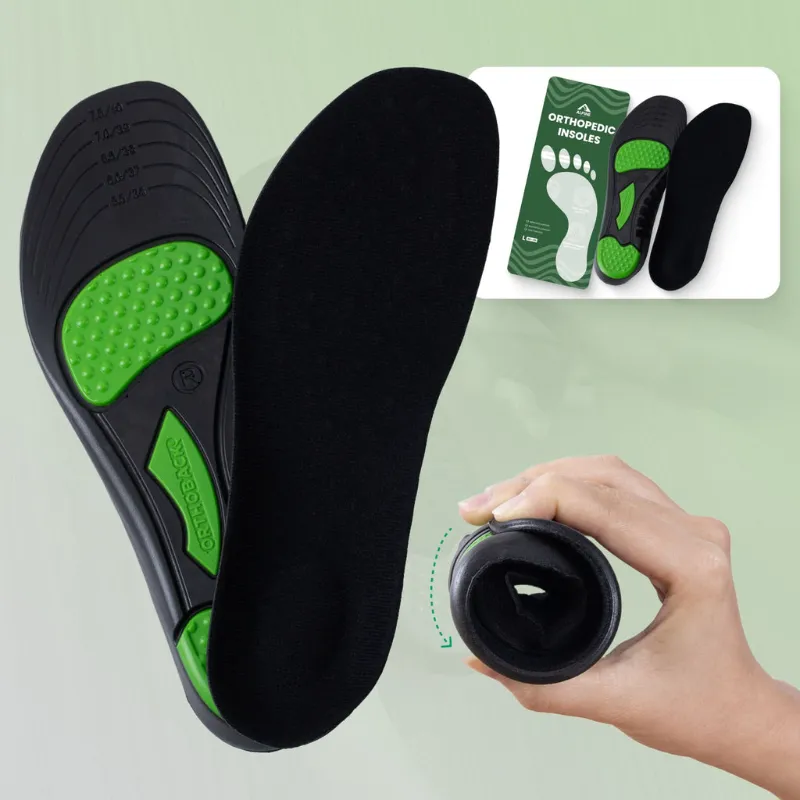
Both lines are resoleable through Alpine Footwear’s repair program if you send them back before the upper tears. Replace foot soles every 3 to 4 months if you add aftermarket inserts, since the adhesive and foam degrade faster than the shoe itself.
Transition Strategy: Moving from Standard to Barefoot
Switching directly from cushioned shoes to the lorax pro barefoot shoes without a transition period often triggers calf soreness, Achilles tightness, or metatarsal stress. We recommend this phased approach:
- Weeks 1 to 2: Wear barefoot shoes for 20 to 30 minutes daily on flat, soft surfaces (grass, rubber track)
- Weeks 3 to 4: Extend to 1-hour walks or short errands, alternating with your regular shoes
- Weeks 5 to 8: Gradually introduce light jogging or gym work, monitoring for hot spots or arch fatigue
- Month 3+: Full-time wear as your foot musculature adapts
Use a foot trainer during off-hours to strengthen the plantar fascia and intrinsic foot muscles. The toe separator shoes also help if you experience bunching or blisters during the break-in phase.
Grab the code for 15% off your first pair to test the barefoot line at a lower commitment point.
Which Lorax Pro Model Fits Your Goals
Choose lorax pro barefoot shoes if you:
- Run or hike regularly and want to build foot strength
- Lift weights and need stable ground contact for squats and deadlifts
- Have healthy feet with no major injuries or structural issues
- Prefer lightweight, packable travel footwear
Choose Lorax Pro performance shoes if you:
- Spend 8+ hours daily on concrete or hard floors
- Have a history of plantar fasciitis, Achilles issues, or stress fractures
- Need a transitional shoe before going fully minimalist
- Want one versatile pair for mixed activity (gym, errands, light trails)
For families exploring natural movement together, start kids in the barefoot models early so they never adapt to restrictive footwear, while adults may benefit from the gradual step-down approach the performance line offers.
You can compare both collections and check current pricing on Alpine Footwear’s site, where bundles often pair shoes with recovery tools like toe spreaders or orthopedic insoles at a discount.
Care and Maintenance Tips for Both Shoe Types
Barefoot shoes require more frequent cleaning due to thinner materials and ground contact:
- Hand-wash with mild soap and air-dry away from direct heat
- Avoid washing machines, which can delaminate the minimal sole layers
- Rotate between two pairs to extend lifespan
- Store with toe boxes unstuffed to maintain shape
Performance models tolerate machine washing on gentle cycles in a mesh bag, though hand-cleaning still extends their life. Both lines benefit from periodic reproofing with water-repellent spray if you use them in wet conditions.
Replace either style when you feel sharp rocks or roots through the sole during normal walking, a sign the protective layer has worn through. The barefoot models will show ground-feel by design, but pain or discomfort indicates it is time for a new pair.
Questions
Are lorax pro barefoot shoes good for beginners?
Lorax pro barefoot shoes work for beginners if you transition gradually over 6 to 8 weeks, starting with short daily sessions on soft surfaces. Jumping in too fast often causes calf and arch soreness. Consider the standard Lorax Pro performance shoes as a stepping stone if you have never worn minimalist footwear.
Can I use orthotics with Lorax Pro barefoot shoes?
Barefoot shoes are designed to eliminate arch support and let your foot function naturally, so adding orthotics defeats the purpose. If you need orthotics, choose the Lorax Pro performance models with removable insoles instead.
Where can I buy lorax pro barefoot shoes with a discount?
Alpine Footwear offers lorax pro barefoot shoes directly through their site. You can grab a 15% discount code on our Alpine Footwear discount page, which also lists current promotions and bundle deals.
Do Lorax Pro performance shoes come in wide widths?
Yes, the wide step models in the Lorax Pro performance line offer extra forefoot room without the full anatomical toe box of the barefoot collection. They suit users who need more space than standard athletic shoes but are not ready for barefoot geometry.
How long do lorax pro barefoot shoes last?
Expect 400 to 600 miles from lorax pro barefoot shoes before sole wear becomes noticeable. Lifespan depends on surface type, gait, and rotation frequency. Performance models typically reach 500 to 800 miles thanks to thicker midsoles.
Can kids wear lorax pro barefoot shoes safely?
Yes, barefoot shoes support natural foot development in children. The barefoot shoes kids line mirrors adult barefoot geometry in smaller sizes, helping kids build strong arches and balance without restrictive cushioning.
Products in this guide
 Shopping at Alpine Footwear? See the discount code
15% OFF All Orders
Shopping at Alpine Footwear? See the discount code
15% OFF All Orders
More in this series
 Foot Trainer, Toe Separator Shoes, and Barefoot Shoes: Building a Complete Foot Health Routine21 Aug 20265 minWide Step Shoes Explained: Who Really Benefits from Wide Fit Footwear21 Aug 20265 minThe Best Age to Start Kids in Barefoot Shoes (and How Alpine Footwear’s Kids Line Holds Up)21 Aug 20265 minDo Toe Spreaders Actually Work?21 Aug 20265 minHow to Choose Between Orthopedic Sole Insoles and Foot Soles for Everyday Comfort21 Aug 20264 min