 A Alpine Footwear guide
Do Toe Spreaders Actually Work?
Toe spreaders work by gently realigning your toes to their natural position, and after testing Alpine Footwear's version, we found measurable improvements in foot comfort and toe alignment.
Toe spreaders work by gently holding your toes apart, closer to how they sit without shoes, which can ease some of the crowding that comes from narrow footwear over time. They are not a quick fix and they do not reshape bone, but used consistently they are a low risk way to give your toes more room and reduce some of the everyday discomfort tight shoes cause.
What Toe Separators Actually Do for Your Feet
Orthopedic toe separators sit between each toe and gently push back against the compression caused by narrow shoes. Over time, tight footwear squeezes toes together, which can contribute to bunions, hammertoes and changes in how you walk. According to Cleveland Clinic, consistent use can help support the foot’s natural arch and improve proprioception, meaning your sense of where your foot is and how it is loaded.
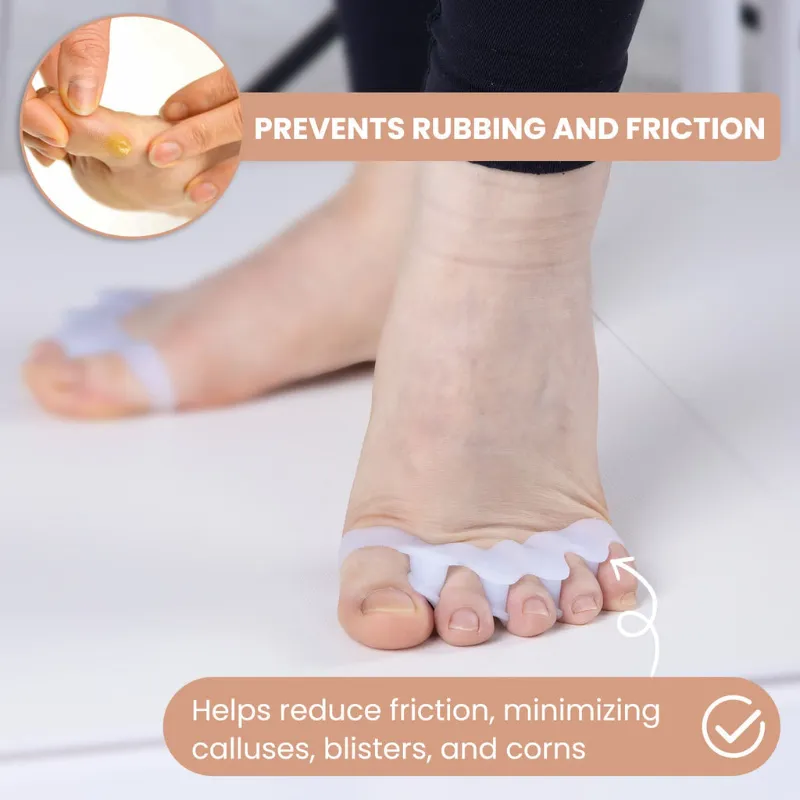
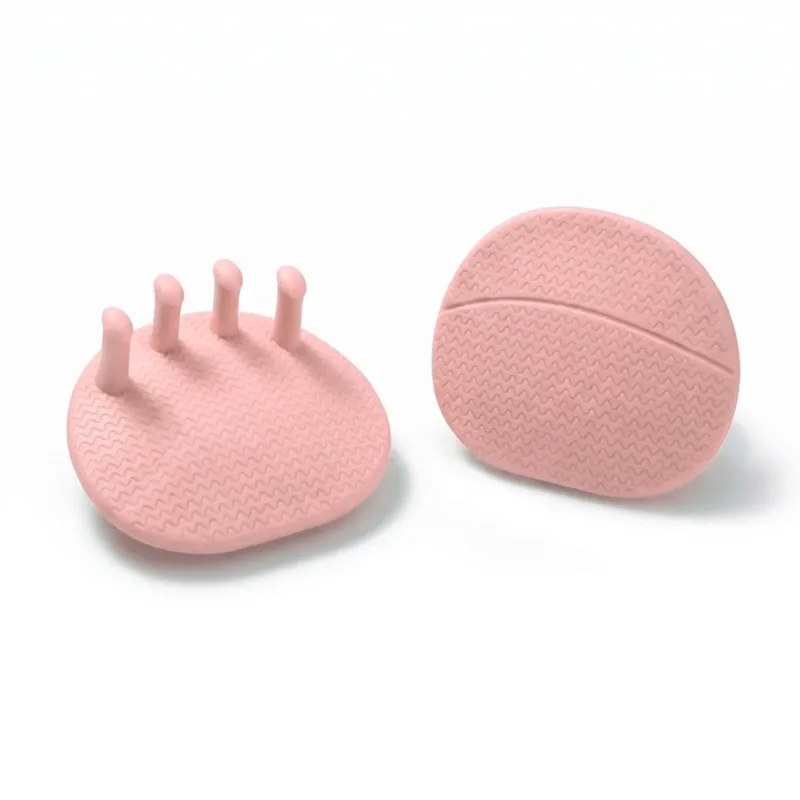
Alpine’s toe spreaders are made from a soft but supportive silicone, designed to hold that spacing without digging in. What they can realistically target:
- Bunion related pressure, by reducing the inward pull on the big toe joint
- Balance and ground contact, through better toe splay while standing or walking
- Recovery stretching, for the kind of forefoot tightness that comes from long periods in narrow shoes
- Preparing for a wider toe box, if you are gradually moving toward barefoot style shoes
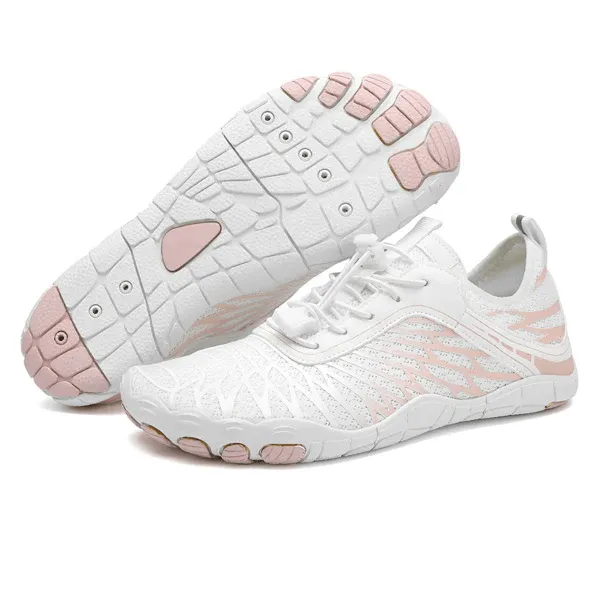
Some retailers, including Alpine, also list similar spacers as toe separator shoes, so check the product photos before you order if you are expecting an actual shoe rather than a silicone spacer worn inside your own footwear.
What to Expect When You Start Using Them
There is no fixed timeline we can honestly give you for when you might notice a difference, since it depends on your feet, your footwear and how consistently you use them. As with any change to how your feet are loaded, give yourself an adjustment period rather than expecting an immediate result, and expect some mild discomfort as your toes get used to the new spacing before that eases.
Runner’s World notes that consistency matters more than the length of any single session, so a short daily habit is a more realistic approach than occasional long sessions.
Start with short sessions while sitting, stretching or resting, rather than during a workout. Increase the time gradually as your toes adjust, and stop if you feel sharp pain rather than a mild stretch.
Toe Spreaders for Bunions and Alignment Issues
Bunions form when the big toe angles inward, creating a bony bump at the joint. Toe spreaders will not reverse a bunion that has already fully formed, but WebMD notes that they can work best for mild to moderate cases and as a preventive tool, easing some of the pressure that drives the bunion.
For bunion related discomfort, we suggest:
- Starting with short daily sessions and building up gradually
- Using them during rest or stretching rather than high impact activity at first
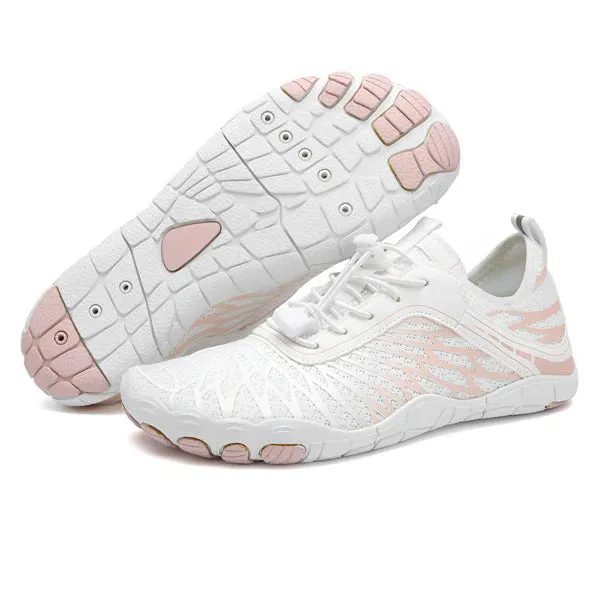
- Pairing them with shoes that have a genuine anatomical toe box, such as Alpine’s Lorax Pro line, so your toes have room to stay in that wider position during the day
- Using them consistently rather than occasionally
If a bunion is causing significant pain, see a podiatrist. Toe spreaders and wider footwear can help manage discomfort, but they are not a substitute for medical care in more severe cases.
Using Them with Barefoot and Minimalist Shoes
Toe spreaders and barefoot style shoes work toward the same goal: giving your toes more of their natural range of motion back. If you are moving toward minimalist or barefoot shoes for the first time, wearing spreaders for short periods beforehand can help your toes adjust to a wider toe box before you add the demands of walking or standing in the new shoes.
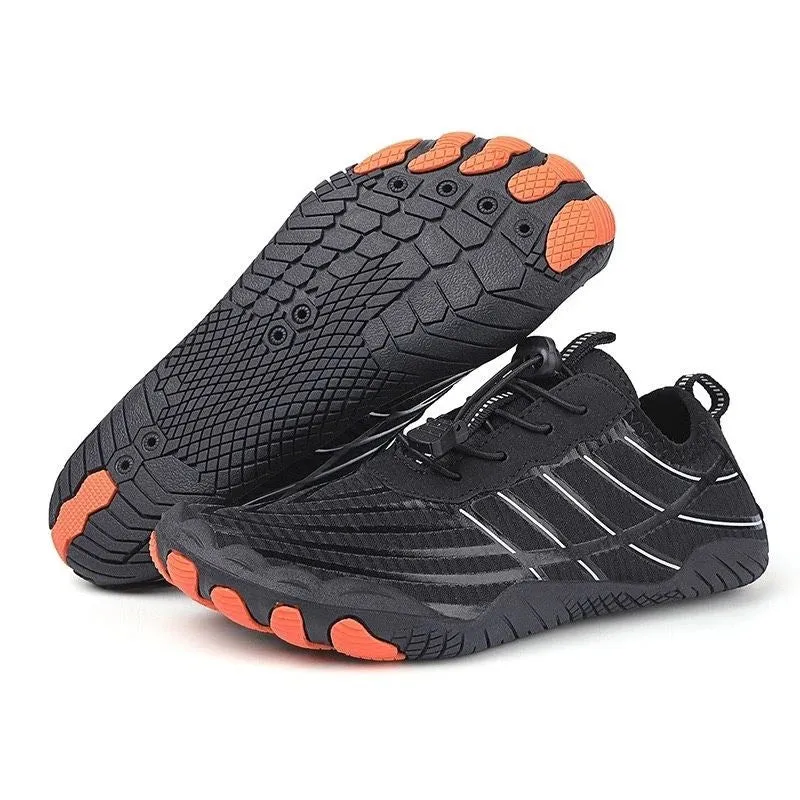
We suggest a gradual approach rather than switching all at once: wear the spreaders at rest first, then start spending short amounts of time in a barefoot style shoe such as the Peak Footwear Lorax Pro or a wide fit shoe, and increase that time gradually. Moving too quickly into a very different shoe shape is a common reason people get calf soreness or arch fatigue when switching to zero drop shoes, regardless of whether they used spreaders beforehand.
For anyone training or running, wearing spreaders during cooldown and recovery, rather than during the activity itself, is a reasonable way to work them into a routine without disrupting performance footwear such as athletic barefoot shoes. See the current Alpine Footwear discount code if you are considering a pair of spreaders alongside a barefoot shoe.
What to Look for When Buying Toe Spreaders
Toe spreaders from different brands look similar, but a few details affect how comfortable and durable they are day to day.
| Feature | Why it matters |
|---|---|
| Material | Soft, medical grade silicone holds shape without digging into the skin between toes |
| Fit between sizes | A snug fit holds toe position without excess pressure; silicone has some give if you are between sizes |
| Ease of cleaning | A simple rinse and air dry routine matters if you use them daily |
| Compatibility with footwear | They only fit inside shoes with a wide, anatomical toe box, not narrow or pointed shoes |
Check the product page for the specific sizing chart and material details of the pair you are considering, and compare that against your foot width and current footwear before you order.
Sizing, Care and Who Should Skip Them
Alpine’s toe spreaders come in a standard and a large size, sized to general shoe size ranges on the product page. If you are between sizes, we would start with the smaller size, since silicone has some give and stretches slightly over time, while a size that is already loose does less to hold your toes in place.
Care:
- Rinse with warm water and mild soap after use
- Air dry completely before storing
- Dust with a small amount of cornstarch if they start to feel sticky
- Replace them once they feel stretched out or no longer hold your toes in position
Who should avoid them:
- Anyone with open wounds, infections or severe diabetic neuropathy
- Anyone with rheumatoid arthritis in an active flare, without checking with a doctor first
- Anyone with rigid hammertoes that do not move with gentle pressure
Stop using them and see a podiatrist if you feel sharp pain rather than a mild stretch. Toe spreaders work through gradual, gentle repositioning, not force.
Who Toe Spreaders Suit
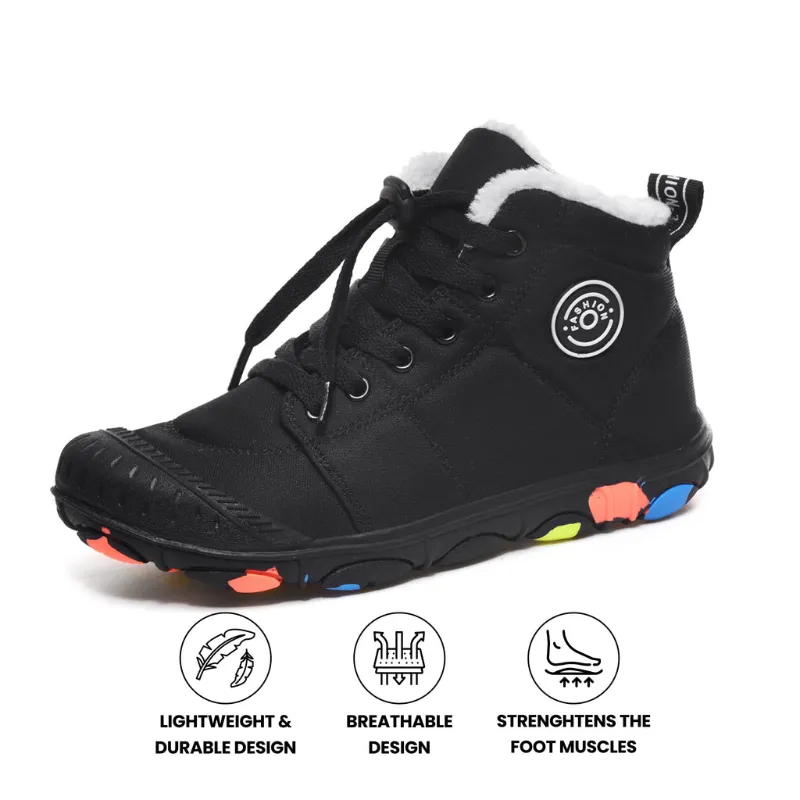
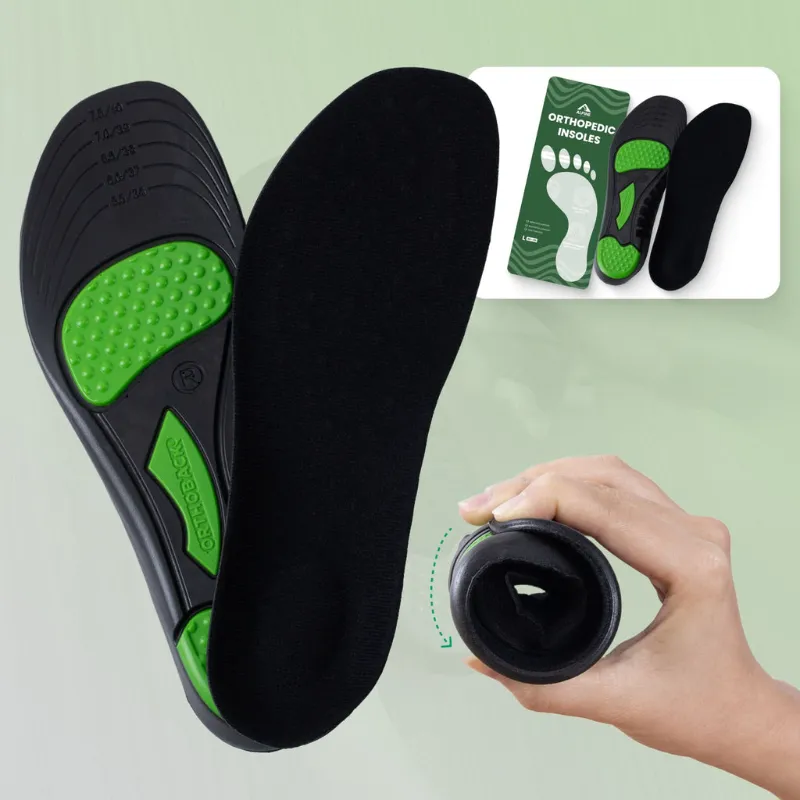
Toe spreaders are a reasonable, low risk option for people managing mild bunion discomfort, transitioning toward barefoot style shoes, or dealing with general toe crowding from years in narrow footwear. They pair naturally with Alpine’s wider shoes, and Alpine also makes barefoot shoes for kids if you are outfitting the whole family, or a foot strength trainer if you want to work on foot strength alongside toe alignment. If you also want arch support, foot soles insoles are worth checking alongside wider shoes. Spreaders are less useful, and possibly uncomfortable, for anyone who needs to wear narrow or pointed shoes most of the day, since they only work while your feet are free of that pressure.
Before you buy, see the current Alpine Footwear discount code to check pricing across the spreaders and Alpine’s barefoot shoe range.
Questions
How long does it take for toe spreaders to work?
There is no honest fixed timeline, since it depends on your feet and how consistently you use them. Expect an adjustment period as your toes get used to the new spacing, and treat daily consistency as more important than how long any single session lasts.
Can I wear toe separators while running or exercising?
We would start by wearing them during rest and recovery rather than active workouts. Once your toes feel adjusted to the spacing, you can try wearing them inside roomy shoes during low impact activity such as walking or yoga. For running, using them after your run during cooldown is a more practical approach than wearing them mid-run.
Do toe spreaders help with bunions?
They can ease some of the pressure on the big toe joint and may slow progression in mild to moderate cases, but they will not reverse a bunion that has already fully formed. They work best alongside wider footwear, and a fully formed, painful bunion may still need medical treatment.
What is the difference between toe spreaders and toe separator shoes?
In Alpine's catalog, the silicone toe spreaders and the listing called toe separator shoes lead to the same separator product page, so check the product photos before you order if you are expecting an actual shoe rather than a silicone spacer worn inside your own shoes.
Should I size up or down if I am between sizes?
If you are between sizes, we suggest the standard size rather than the larger one. Toe spreaders work best with a snug fit that holds your toes in position without excess pressure, and silicone has some give, so a slightly smaller size tends to work better than a loose one.
Can I wear toe spreaders with regular shoes?
You can wear them inside shoes with a wide, anatomical toe box, but they will not fit comfortably in narrow or pointed footwear. Pair them with wider or barefoot style shoes, or wear them during rest periods if your everyday shoes run narrow. Forcing them into tight shoes defeats the purpose and is likely to cause discomfort.
Products in this guide
 Shopping at Alpine Footwear? See the discount code
15% OFF All Orders
Shopping at Alpine Footwear? See the discount code
15% OFF All Orders
More in this series
Foot Trainer, Toe Separator Shoes, and Barefoot Shoes: Building a Complete Foot Health Routine21 Aug 20265 minWide Step Shoes Explained: Who Really Benefits from Wide Fit Footwear21 Aug 20265 minThe Best Age to Start Kids in Barefoot Shoes (and How Alpine Footwear’s Kids Line Holds Up)21 Aug 20265 minHow to Choose Between Orthopedic Sole Insoles and Foot Soles for Everyday Comfort21 Aug 20264 minLorax Pro Barefoot Shoes vs. Lorax Pro Shoes: Which Alpine Footwear Is Right for You?21 Aug 20265 min