 A Alpine Footwear guide
How to Choose Between Orthopedic Sole Insoles and Foot Soles for Everyday Comfort
Choosing between foot soles and orthopedic insoles depends on your arch support needs, activity level, and whether you need targeted pain relief or general cushioning.
The main difference between foot soles and orthopedic insoles comes down to structure: foot soles provide general cushioning and shock absorption, while orthopedic insoles offer medical-grade arch support and biomechanical correction. Both improve comfort, but your choice depends on whether you need pain relief from conditions like plantar fasciitis and flat feet or simply want extra padding for long days on your feet.
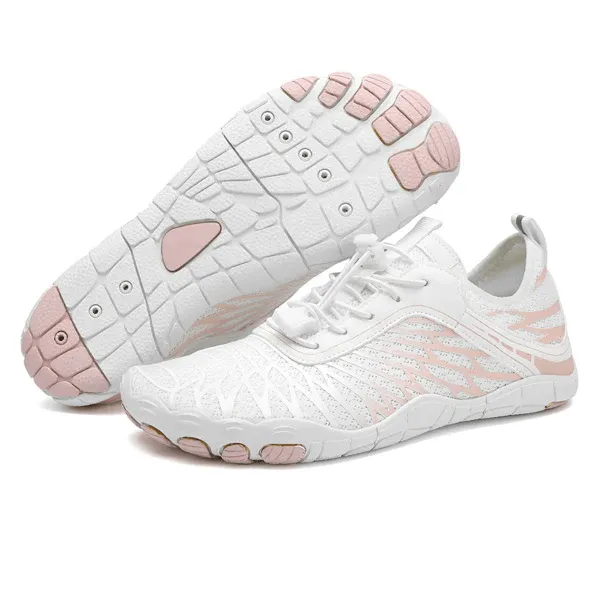
Whether you pair them with lorax pro barefoot shoes or traditional sneakers, the right insole makes a measurable difference in how your feet feel at the end of the day.
What Foot Soles Actually Do
Standard foot soles are replacement insoles designed to add cushioning, moisture management, and a fresh layer between your foot and the shoe’s factory footbed. They work well for people without specific foot problems who want better shock absorption during walking, standing, or light activity.
Most foot sole designs focus on:
- Cushioning layers made from EVA foam, memory foam, or gel that absorb impact
- Moisture-wicking top covers to keep feet dry and reduce odor
- Basic contouring that follows the natural foot shape without aggressive arch support
- Trim-to-fit sizing so one insole works across multiple shoe sizes
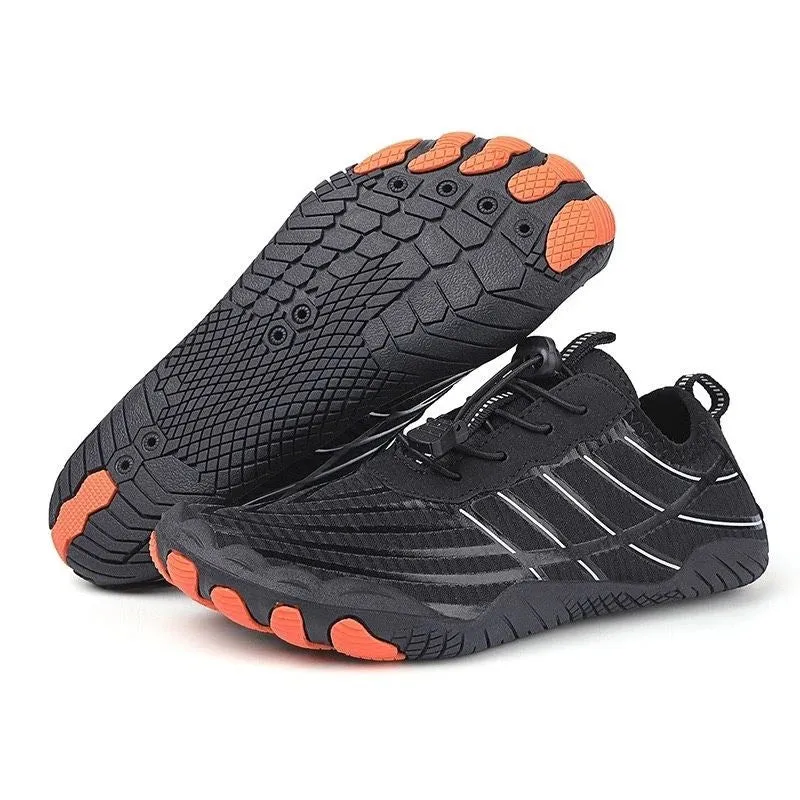
Foot soles shine when you need general comfort upgrades in work boots, casual sneakers, or wide step shoes with roomy toe boxes. They are not designed to correct gait issues or address foot sole pain caused by structural problems.
When to Choose an Orthopedic Sole Instead
An orthopedic sole is a medical-grade insole engineered to support specific arch types, correct overpronation or supination, and redistribute pressure across your foot. These insoles often feature rigid or semi-rigid arch supports, deep heel cups, and metatarsal pads that reposition the foot inside the shoe.
You should consider orthopedic insoles if you experience:
- Chronic foot sole pain from plantar fasciitis, flat feet, or high arches
- Knee, hip, or lower back discomfort linked to poor foot alignment
- Overpronation that causes your ankles to roll inward when you walk
- Numbness or burning in the ball of your foot (metatarsalgia)
Consumer Reports testing highlights that over-the-counter orthotic insoles can reduce pain as effectively as custom orthotics for many users, especially when matched to the correct arch profile.
Matching Insoles to Your Footwear and Activity
The best insoles for foot pain depend on the shoes you wear and how you use them. Here is how insole types pair with common footwear categories:
| Footwear Type | Recommended Insole | Why It Works |
|---|---|---|
| Barefoot shoes | Minimal foot soles or none | Thin profile preserves ground feel and natural gait |
| Athletic trainers | Sport-specific foot sole pad | Extra cushioning for high-impact activities |
| Work boots | Orthopedic sole with arch support | Handles 8+ hour shifts and heavy loads |
| Casual sneakers | Standard foot soles | Adds comfort without altering fit |
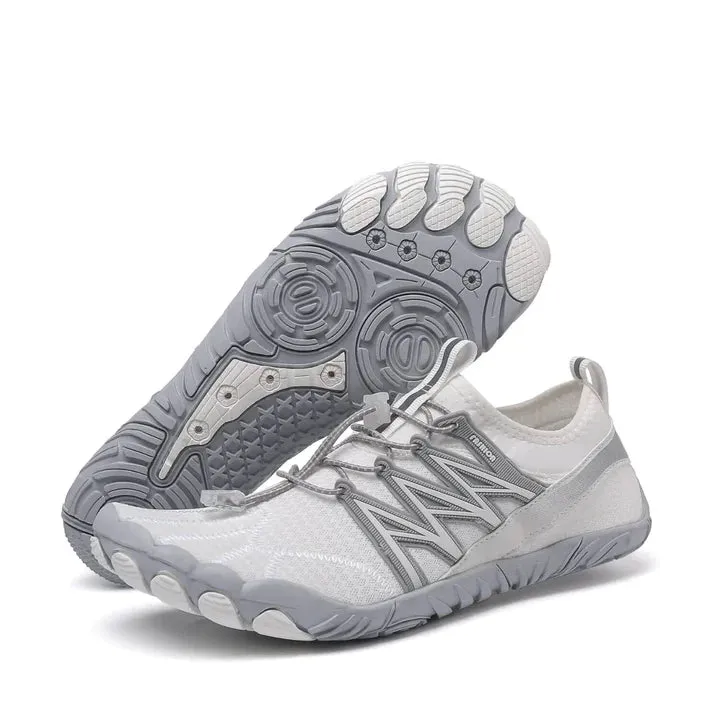
If you run or train in athlete’s foot shoes or peak footwear lorax pro models, look for insoles labeled for foot sole sport use. These feature firmer foams that do not bottom out under repetitive impact and often include extra metatarsal cushioning.
For minimalist footwear like lorax pro shoes, avoid thick orthopedic insoles that counteract the barefoot design philosophy. A thin foot sole pad or the factory insole usually provides enough protection while maintaining proprioception.
How to Test Which Insole Type You Need
Before buying, identify your arch type and pain points. Stand barefoot and wet your feet, then step onto a piece of cardboard. Your footprint reveals your arch:
- Flat feet show almost the entire sole, indicating you need firm arch support from an orthopedic sole
- Normal arches display a moderate curve along the inner edge, working well with either insole type
- High arches create a narrow connection between heel and forefoot, benefiting from extra cushioning in foot soles
Walk around your home in your current shoes and note where discomfort appears. Pain in the heel or arch suggests you need structured support. General fatigue or pressure across the whole foot means cushioned foot soles will likely solve the problem.
If you are unsure, start with a mid-range foot sole option from Alpine Footwear and upgrade to an orthopedic sole if pain persists after two weeks. Many customers pair orthopedic insoles with supportive shoes and use basic foot soles in their casual rotation.
Sizing, Break-In, and Care Tips
Both insole types require proper sizing and a short adjustment period:
- Remove factory insoles before adding aftermarket foot soles or orthopedic insoles to avoid overfilling the shoe
- Trim carefully along the marked size lines, cutting slightly inside the line so the insole does not bunch at the toe
- Expect 3 to 5 days of break-in as your feet adapt to new arch support or cushioning
- Wash every 2 to 4 weeks with mild soap and air dry, never machine dry, to extend lifespan
Replace insoles every 6 to 12 months depending on activity level. Orthopedic soles often last longer than foam-based foot soles because their rigid structures resist compression.
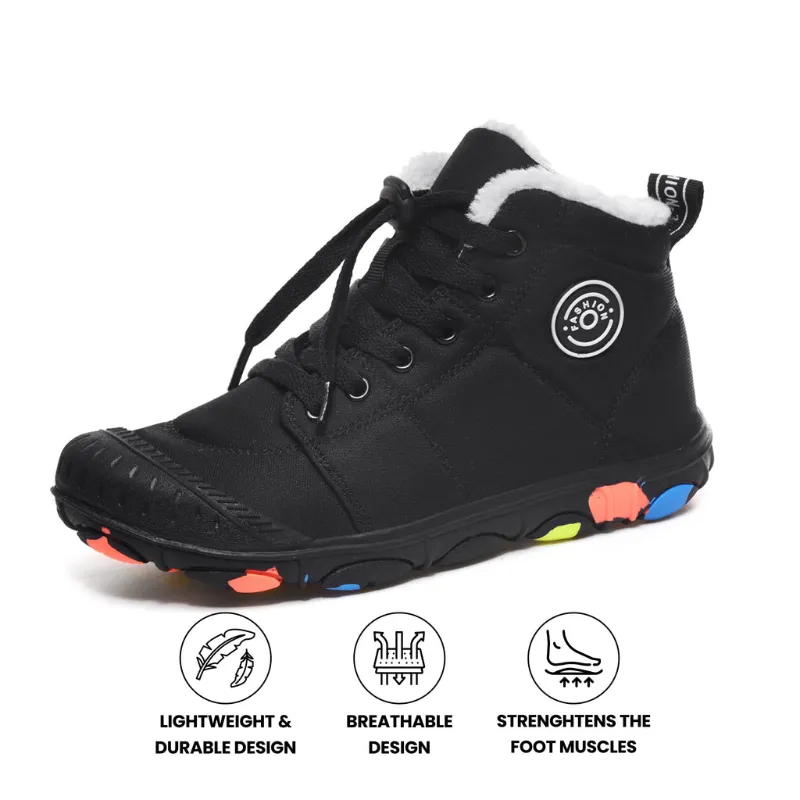
For families outfitting kids in barefoot shoes kids models, stick with the factory insole unless a podiatrist recommends otherwise. Children’s feet develop best with minimal interference, and adding unnecessary arch support can hinder natural foot strength.
Combining Insoles With Foot Health Tools
Insoles work best as part of a broader foot care routine.
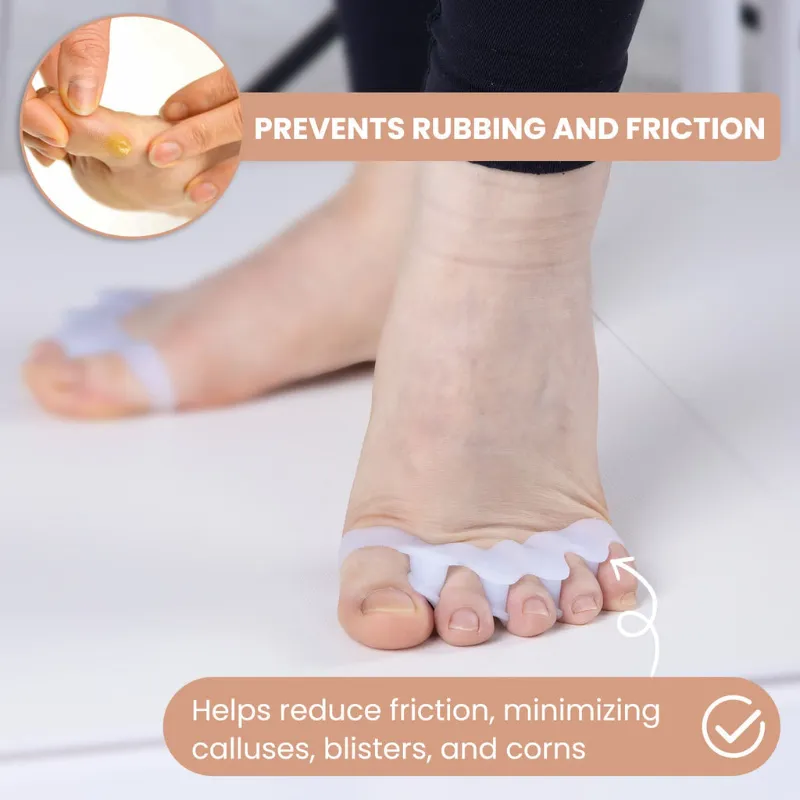
- Toe spreaders realign toes cramped by years in narrow shoes, reducing forefoot pressure that insoles alone cannot fix
- Foot trainer devices strengthen arches over time, potentially reducing your need for rigid orthopedic support
- Toe separator shoes combine built-in toe splay with roomy uppers, so you can use thinner insoles without sacrificing comfort
Rotating between different insole types also prevents your feet from becoming dependent on maximum cushioning. Use orthopedic soles for long work days and lighter foot soles for evening walks to maintain natural foot strength.
Ready to upgrade your footwear comfort? Grab the code for 15% off your first insole order and test the difference proper support makes in your daily routine.
Questions
Can I use foot soles in barefoot shoes?
Yes, but choose ultra-thin options that preserve ground feel. Thick insoles counteract the barefoot design and reduce proprioception, so stick with minimal foot sole pads or the factory insole in minimalist footwear.
How do I know if I need orthopedic insoles instead of regular foot soles?
If you experience chronic heel pain, arch pain, or alignment issues like overpronation, orthopedic insoles provide the structured support you need. Regular foot soles work for general cushioning without specific pain relief.
How long do insoles last before I need to replace them?
Most foot soles last 6 to 9 months with daily use, while orthopedic insoles can last up to 12 months. Replace them when you notice visible compression, reduced cushioning, or returning foot pain.
Can kids wear orthopedic sole insoles?
Only if a podiatrist recommends them for a diagnosed condition. Healthy children's feet develop best without added arch support, so stick with factory insoles in kids' barefoot shoes unless medically advised.
Do I need to remove the original insole before adding new foot soles?
Yes, always remove the factory insole first. Stacking insoles overfills the shoe, reduces toe box space, and can cause blisters or pressure points.
What is the difference between a foot sole pad and an orthopedic sole?
A foot sole pad adds cushioning and shock absorption without correcting biomechanics, while an orthopedic sole includes structured arch support, heel cups, and alignment features designed to address specific foot problems.
Products in this guide
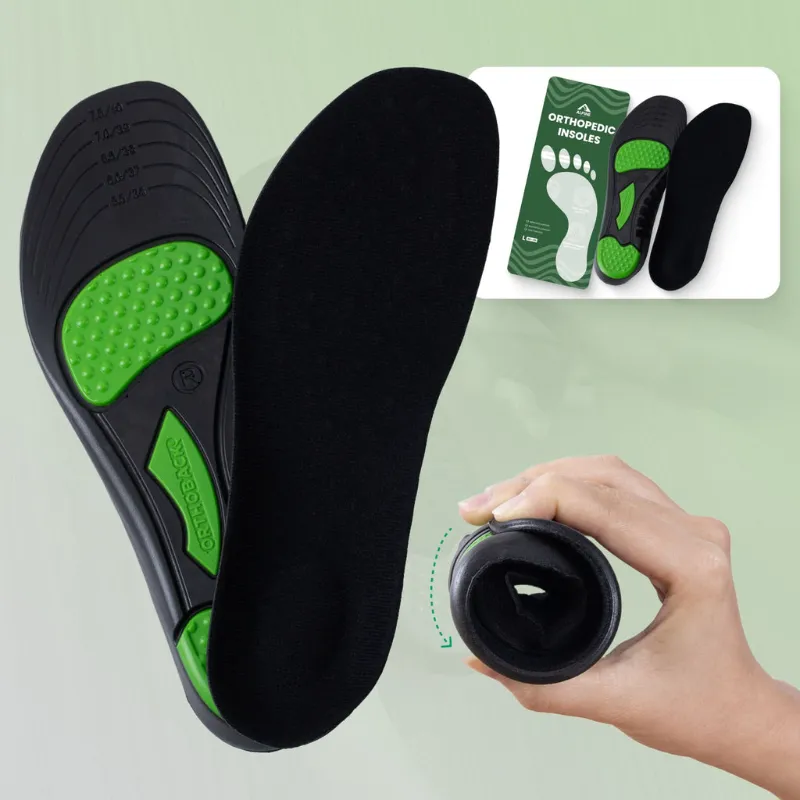
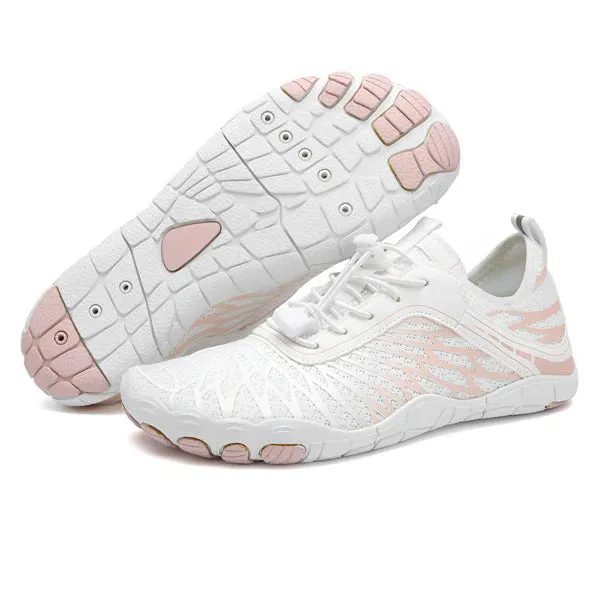 Shopping at Alpine Footwear? See the discount code
15% OFF All Orders
Shopping at Alpine Footwear? See the discount code
15% OFF All Orders
More in this series
 Foot Trainer, Toe Separator Shoes, and Barefoot Shoes: Building a Complete Foot Health Routine21 Aug 20265 minWide Step Shoes Explained: Who Really Benefits from Wide Fit Footwear21 Aug 20265 minThe Best Age to Start Kids in Barefoot Shoes (and How Alpine Footwear’s Kids Line Holds Up)21 Aug 20265 minDo Toe Spreaders Actually Work?21 Aug 20265 minLorax Pro Barefoot Shoes vs. Lorax Pro Shoes: Which Alpine Footwear Is Right for You?21 Aug 20265 min