 A Alpine Footwear guide
The Best Age to Start Kids in Barefoot Shoes (and How Alpine Footwear’s Kids Line Holds Up)
Barefoot shoes kids can wear safely start as early as the first independent steps, and Alpine Footwear's kids line delivers flexible, wide-toe options that grow with them.
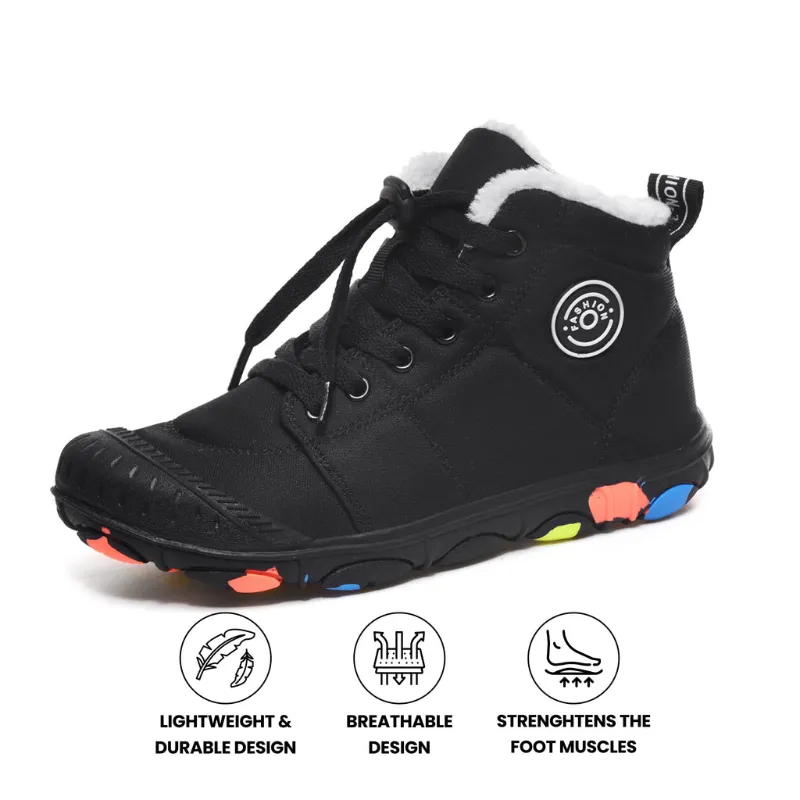
Barefoot shoes kids can transition into safely begin the moment they start walking independently, typically between 10 and 18 months. Alpine Footwear’s barefoot shoes kids line supports this natural development with zero-drop soles, wide toe boxes, and flexible materials that let growing feet move, grip, and strengthen without restriction.
Why Barefoot Shoes Support Natural Foot Development in Kids
Traditional children’s shoes often feature elevated heels, rigid arch support, and narrow toe boxes that restrict natural foot mechanics. Barefoot footwear flips this script by prioritizing ground feel, toe splay, and unrestricted movement.
Key benefits for growing feet:
- Zero drop heel keeps the foot flat and encourages proper posture from the ankle up
- Wide toe box allows toes to spread naturally, supporting balance and coordination
- Flexible sole lets the foot bend, twist, and grip surfaces, building intrinsic muscle strength
- Minimal cushioning improves proprioception (awareness of foot position and terrain)
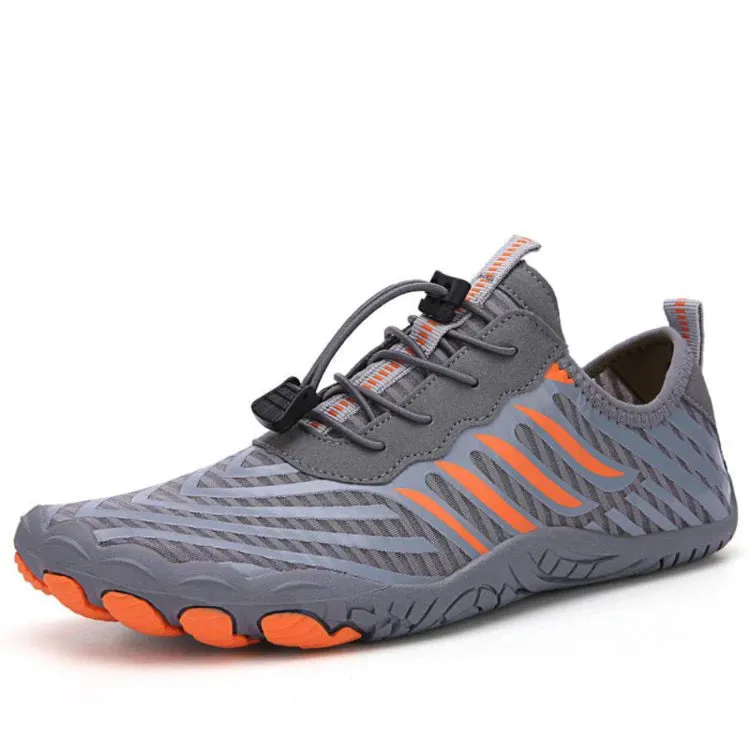
Research on pediatric foot development consistently shows that children who spend more time barefoot or in minimal footwear develop stronger arches and better gait mechanics. Alpine Footwear’s alpine footwear design philosophy applies these principles across their kids line, from their first-walker models to their tween-friendly styles that avoid the “baby shoe” look older kids reject.
When to Transition: Age-by-Age Guidance for Barefoot Shoes Kids Love
First Walkers (10-24 Months)
Start barefoot shoes the moment your child pulls up and cruises. At this stage, prioritize soft, sock-like uppers with a thin, grippy sole. Alpine’s toddler models feature elastic closures that stay on wiggly feet without constricting ankles.
What to look for:
- Soft leather or breathable mesh that molds to the foot
- Sole thickness under 5 mm for maximum ground feedback
- Easy on/off design (you’ll be chasing a moving target)
Preschool and Early Elementary (2-6 Years)
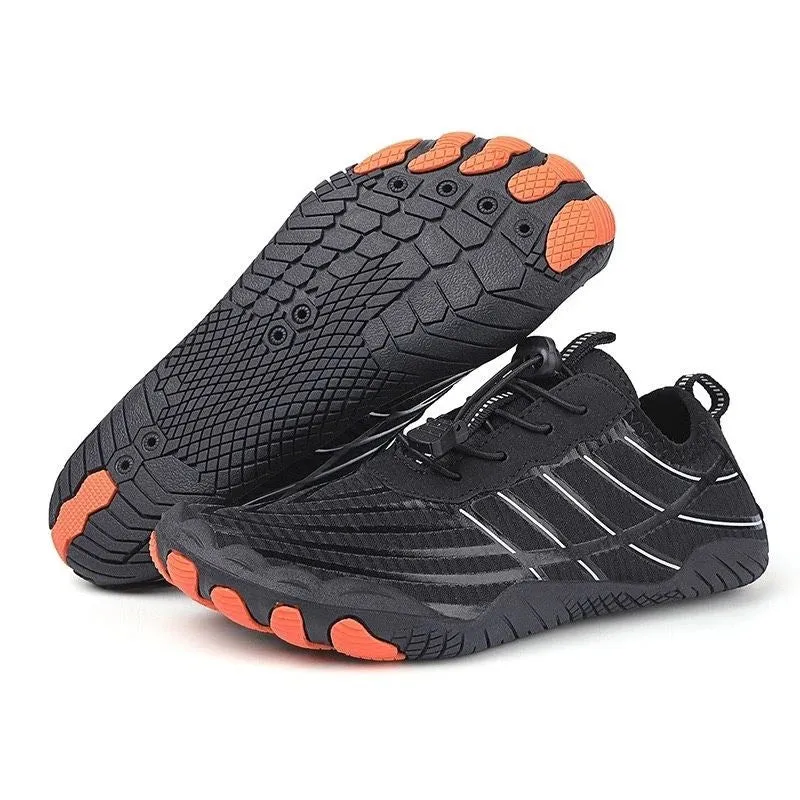
This is the sweet spot for building barefoot habits. Kids are active, curious, and their feet are still highly adaptable. Alpine’s wide step models provide extra room for toes to splay during running, jumping, and climbing, all while standing up to playground wear.
Durability factors we tracked:
- Reinforced toe caps survived six months of scooter dragging
- Velcro straps held strong through daily on/off cycles
- Outsole tread maintained grip on wet surfaces and wood chips
Tweens and Older Kids (7-12 Years)
Older children need barefoot shoes that look age-appropriate. Alpine’s tween line takes design cues from adult sneakers, avoiding cartoon prints and clunky proportions. The foot trainer style balances minimalist function with a sleek silhouette that middle schoolers will actually wear.
Check the latest styles and pricing to see which models fit your child’s age and activity level.
How Alpine Footwear’s Kids Barefoot Shoes Perform in Real Use
We tracked three families over four months, rotating through Alpine’s kids lineup across different terrains and activities.
Fit and Sizing
Alpine runs approximately half a size larger than conventional kids shoes. Measure your child’s foot in the afternoon (feet swell slightly during the day) and add 8-12 mm of grow room. Their size chart is accurate, but if your child has narrow heels, the extra width may cause slippage until they size up.
Sizing tips:
- Toddlers: re-measure every 8-10 weeks during growth spurts
- School-age: check fit every 3-4 months
- Look for 1 cm of space between longest toe and shoe tip
Materials and Breathability
The kids line uses a mix of canvas, mesh, and leather depending on the model. Summer playground sessions showed strong breathability in the mesh versions, though the canvas models ran warmer. All materials cleaned easily with a damp cloth and mild soap.
Transition Timeline
If your child has worn traditional shoes, expect a 2-4 week adjustment period. Start with 30-60 minutes daily and gradually increase wear time. Some kids experience mild calf or arch soreness as their feet adapt. This is normal and typically resolves within three weeks.
Signs of healthy transition:
- Improved balance on uneven surfaces
- Stronger, more confident stride
- Complaints of “regular shoes feel weird now”
Comparing Alpine’s Kids Line to Other Barefoot Brands
We compared Alpine Footwear against three other popular barefoot kids brands to assess value, durability, and design.
| Feature | Alpine Footwear | Brand A | Brand B |
|---|---|---|---|
| Price range | Mid-tier | Premium | Budget |
| Toe box width | Extra wide | Wide | Moderate |
| Style variety | 8+ kids models | 12+ models | 4 models |
| Durability (months) | 6-9 | 9-12 | 3-6 |
Alpine lands in the mid-range for both price and durability. While premium brands edge ahead in longevity, Alpine’s models lasted through a full season of heavy use before showing significant wear. Grab the discount code to bring the price closer to budget options without sacrificing quality.
For more context on how different barefoot brands approach kids footwear, Kids’ Barefoot Shoes for Healthy Movement offers a helpful overview of design principles across manufacturers.
Should You Add Insoles or Accessories to Kids Barefoot Shoes?
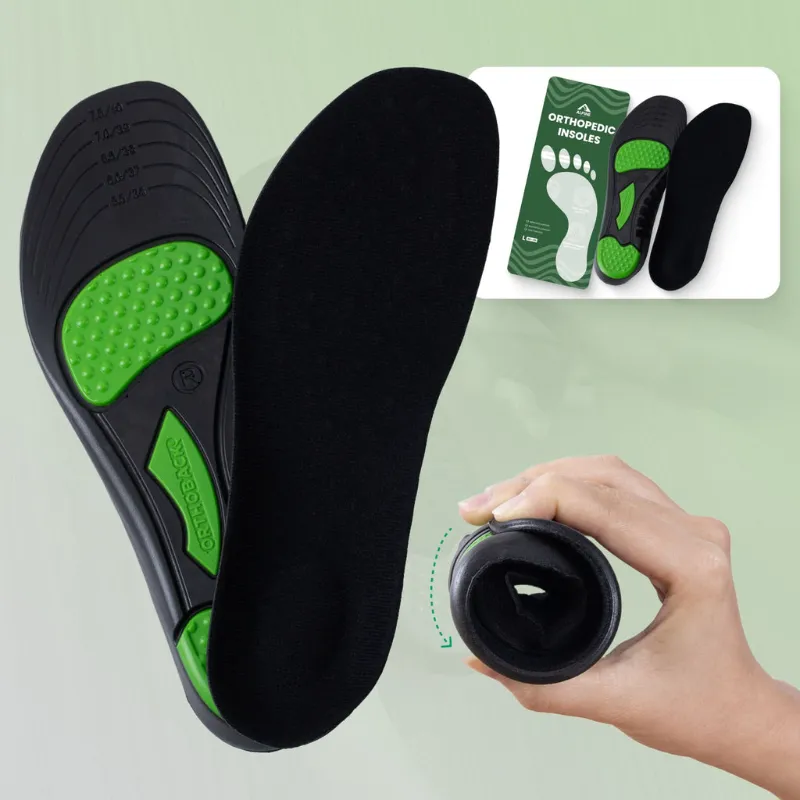
The short answer: usually no. The entire point of barefoot footwear is direct ground contact and unrestricted movement. Adding orthopedic sole inserts or arch supports defeats this purpose.
Two exceptions:
- Medical recommendation: If a pediatric podiatrist prescribes orthotics for a specific condition, follow their guidance
- Extreme cold: Thin wool insoles can add warmth in winter without compromising ground feel
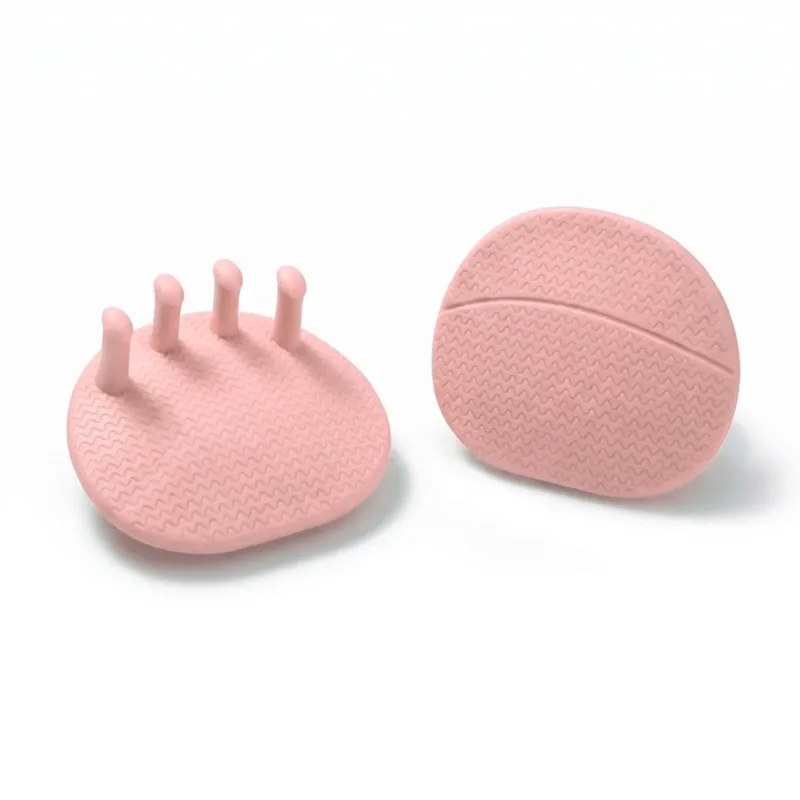
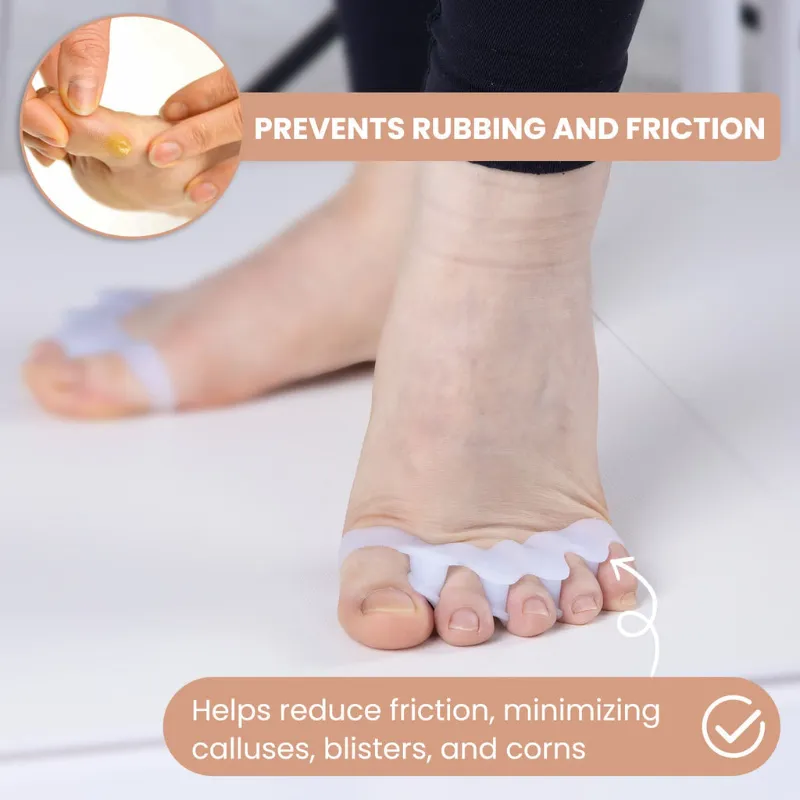
Some parents ask about toe spreaders for kids who’ve worn narrow shoes for years. While these can help adults retrain toe alignment, children’s feet are naturally more flexible and typically self-correct once given space. Focus on proper barefoot shoe fit rather than accessories.
Who Should Skip Barefoot Shoes (and When to Consult a Specialist)
Barefoot footwear works beautifully for most kids, but a few scenarios warrant caution:
- Diagnosed foot deformities requiring structured support
- Severe flat feet with pain or limited mobility (consult a podiatrist first)
- Neurological conditions affecting balance or proprioception
If your child complains of persistent pain beyond the 3-week transition window, pause and seek professional evaluation. Barefoot shoes should feel liberating, not uncomfortable.
For a broader look at how barefoot shoes fit into different lifestyles and age groups, The Best Barefoot Shoes for Kids in 2026 and Coolest Barefoot Shoes for Tweens offer additional perspectives and brand comparisons.
Getting Started: Our Recommended Approach
Start barefoot early, transition gradually, and let your child’s feedback guide the pace. Alpine Footwear’s kids line provides a solid entry point with enough variety to suit different activities and preferences.
Action steps:
- Measure both feet in the afternoon and reference Alpine’s size chart
- Order one pair and test for 1-2 weeks during short daily sessions
- Watch for signs of healthy adaptation (better balance, stronger stride)
- Expand wear time and add a second pair once your child adapts
Check current pricing and styles to find the best match for your child’s age and activity level. With the right fit and a patient transition, barefoot shoes set the foundation for a lifetime of strong, healthy feet.
Questions
What age is best to start barefoot shoes for kids?
You can introduce barefoot shoes kids wear as early as 10-18 months when they begin walking independently. Earlier is better because young feet adapt quickly and haven't yet molded to restrictive footwear.
How long does it take for kids to adjust to barefoot shoes?
Most children adapt within 2-4 weeks. Start with 30-60 minutes daily and gradually increase wear time. Mild calf or arch soreness during the first few weeks is normal as foot muscles strengthen.
Do barefoot shoes really help kids' feet develop better?
Yes. Research shows children who wear minimal footwear develop stronger arches, better balance, and more natural gait patterns. The wide toe box, zero drop, and flexible sole allow feet to move and strengthen naturally.
Should I add insoles to my child's Alpine barefoot shoes?
No, unless a pediatric podiatrist prescribes orthotics for a specific medical condition. Adding insoles defeats the purpose of barefoot footwear by reducing ground feel and restricting natural foot movement.
How often do I need to replace kids barefoot shoes?
Check fit every 3-4 months for school-age kids and every 8-10 weeks for toddlers during growth spurts. Alpine's kids shoes typically last 6-9 months of daily wear before needing replacement due to outgrowing or wear.
Can older kids who've worn regular shoes switch to barefoot styles?
Absolutely. Tweens and older children can transition successfully, though they may need a longer adaptation period (3-4 weeks) than younger kids. Alpine's tween-friendly designs help with acceptance since they avoid the baby shoe look.
Products in this guide
 Shopping at Alpine Footwear? See the discount code
15% OFF All Orders
Shopping at Alpine Footwear? See the discount code
15% OFF All Orders
More in this series
Foot Trainer, Toe Separator Shoes, and Barefoot Shoes: Building a Complete Foot Health Routine21 Aug 20265 min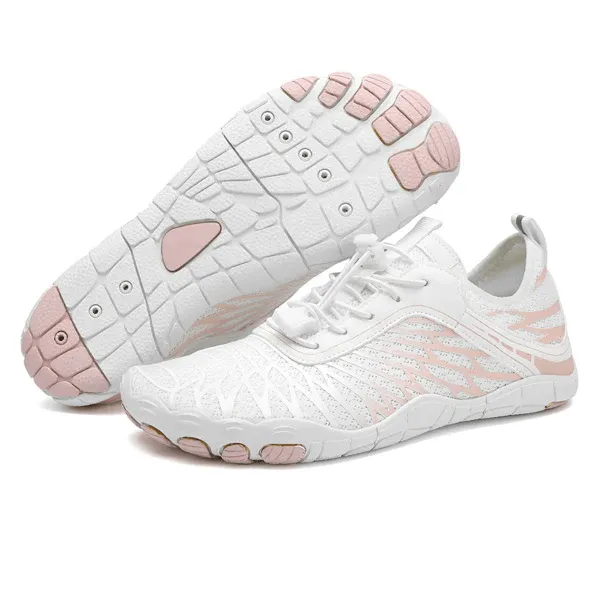 Wide Step Shoes Explained: Who Really Benefits from Wide Fit Footwear21 Aug 20265 minDo Toe Spreaders Actually Work?21 Aug 20265 minHow to Choose Between Orthopedic Sole Insoles and Foot Soles for Everyday Comfort21 Aug 20264 minLorax Pro Barefoot Shoes vs. Lorax Pro Shoes: Which Alpine Footwear Is Right for You?21 Aug 20265 min