 A Alpine Footwear guide
Foot Trainer, Toe Separator Shoes, and Barefoot Shoes: Building a Complete Foot Health Routine
Toe separator shoes work best when paired with a foot trainer and barefoot footwear to restore natural toe splay, strengthen arches, and reverse years of cramped shoe damage.
Building Your Foot Health Routine with Toe Separator Shoes
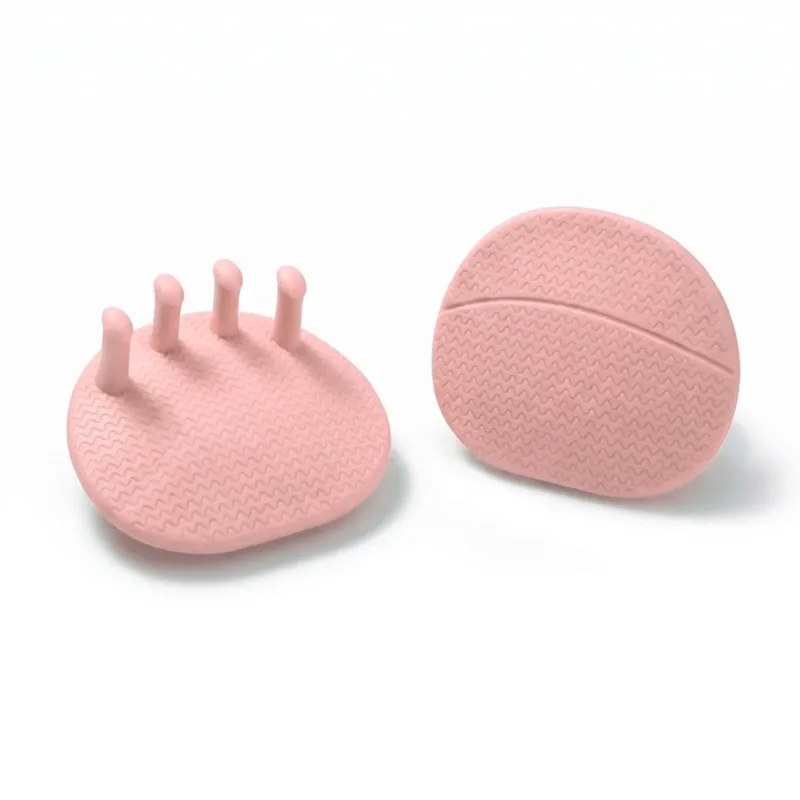
Toe separator shoes are designed with built-in spacers that gently spread your toes while you walk, but they deliver the best results when combined with a dedicated foot trainer and barefoot-style footwear. This three-part approach rebuilds natural foot mechanics by addressing alignment, strength, and daily movement patterns all at once.
Why Toe Separators and Barefoot Shoes Work Together
Conventional shoes compress your toes into a narrow box, weakening intrinsic foot muscles and collapsing your natural arch. Toe separators reverse this by physically spacing toes apart, while barefoot shoes eliminate the elevated heel and rigid sole that prevent your foot from flexing and gripping naturally.
When you wear both, you attack the problem from two angles:
- Toe spreaders passively retrain alignment during rest or light activity
- Barefoot footwear forces your foot muscles to activate with every step
- Toe separator shoes combine both benefits, letting you walk longer with corrective spacing
The Cleveland Clinic notes that toe separators can relieve bunion pain and improve balance, but they stress that results depend on consistent daily use. Pairing them with minimal footwear accelerates adaptation because your foot learns to stabilize itself without cushioning or arch support.
How to Use a Foot Trainer in Your Routine
A foot trainer is a textured platform or roller designed to strengthen the small muscles in your feet and ankles. We recommend spending ten to fifteen minutes daily on these exercises:
- Toe grips: Place a towel on the floor and scrunch it toward you using only your toes
- Balance work: Stand on one foot on the trainer surface for thirty seconds per side
- Arch lifts: Press your big toe and heel down while lifting your arch without curling your toes
- Ankle mobility: Draw the alphabet with your big toe to open up range of motion
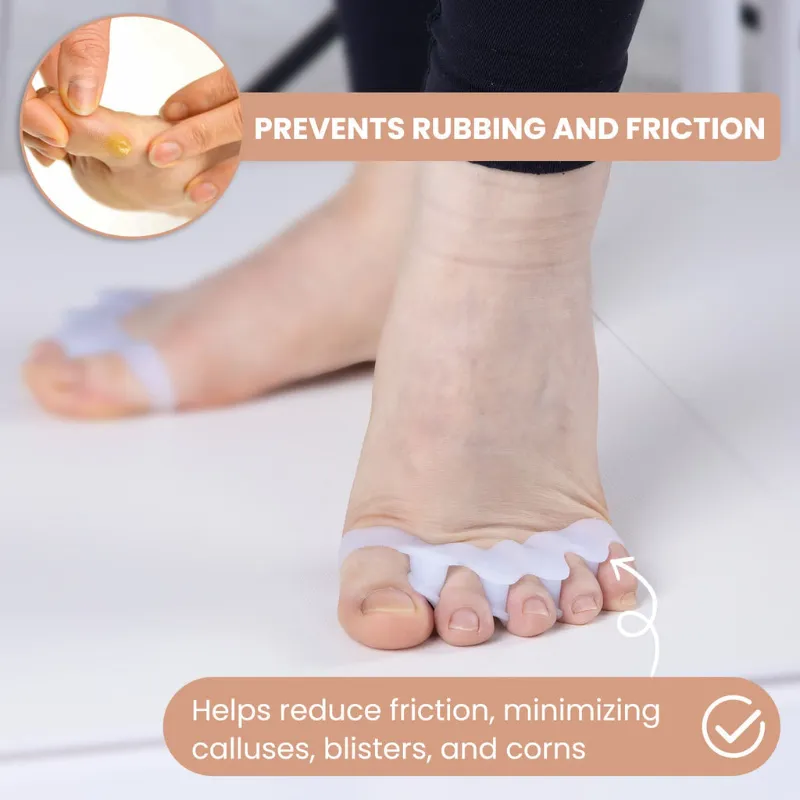
Use the foot trainer before slipping on your toe separator shoes so your muscles are primed and warm. This pre-activation makes it easier to maintain proper form when you start walking, especially if you are new to toe spacers.
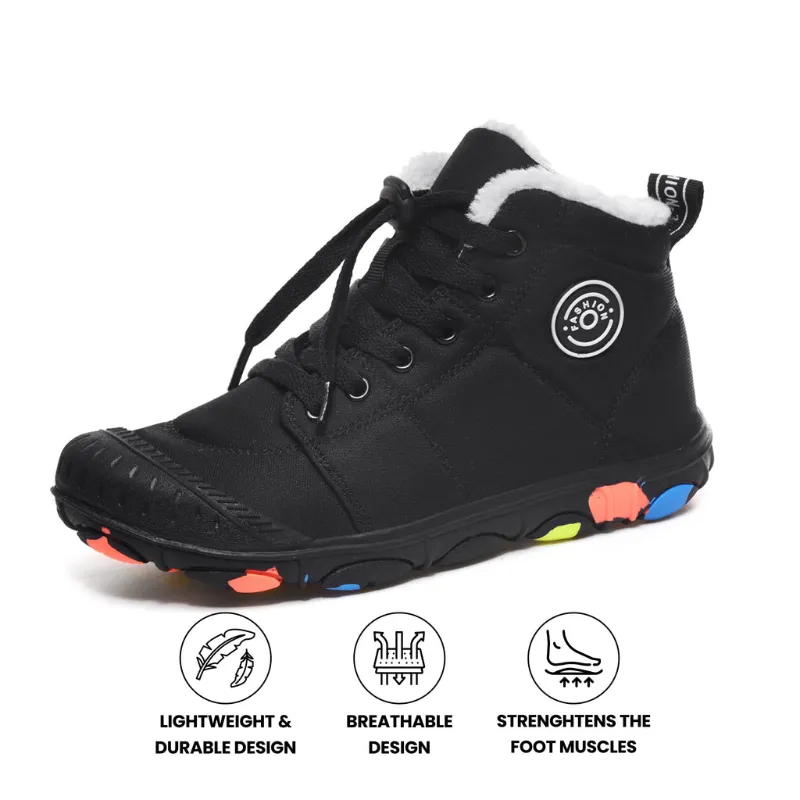
For kids building healthy habits early, a simplified version of these exercises works well alongside barefoot shoes kids during playtime.
Choosing the Best Toe Separators to Wear in Shoes
Not all toe separators fit inside footwear. Bulky orthopedic toe separators designed for post-surgery recovery are too thick for everyday shoes, while ultra-thin toe separator socks offer minimal correction.
We look for these features when testing the best toe separators to wear in shoes:
| Feature | Why It Matters |
|---|---|
| Low-profile design | Fits inside wide-toe-box shoes without pinching |
| Medical-grade silicone | Stays in place and washes clean without cracking |
| Graduated spacing | Gently stretches toes over weeks instead of forcing them |
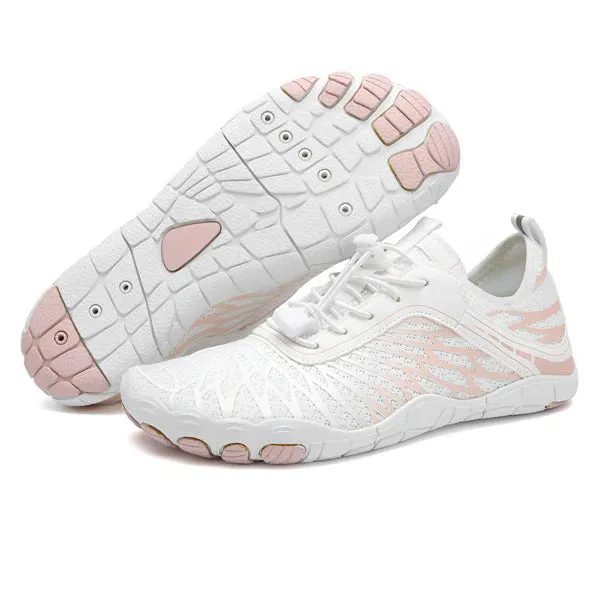
The lorax pro shoes have a roomy forefoot that accommodates thin silicone separators, while the wide step model offers even more space for those transitioning from conventional footwear. Check current pricing and grab our code before starting your routine.
Barefoot Shoes vs Toe Separator Shoes: When to Wear Each
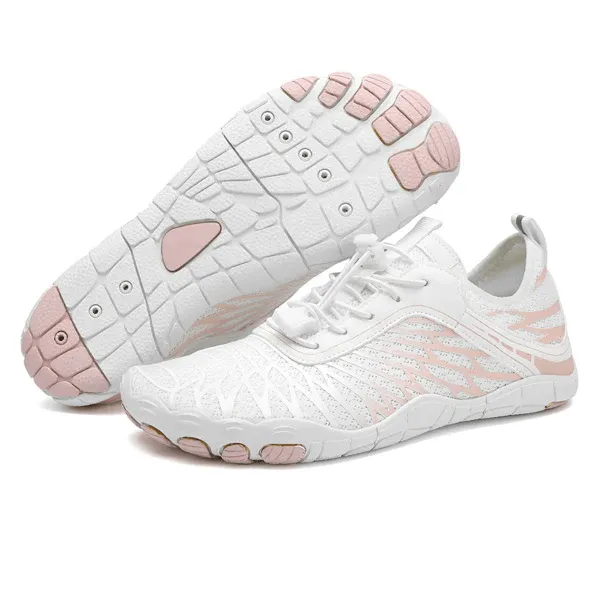
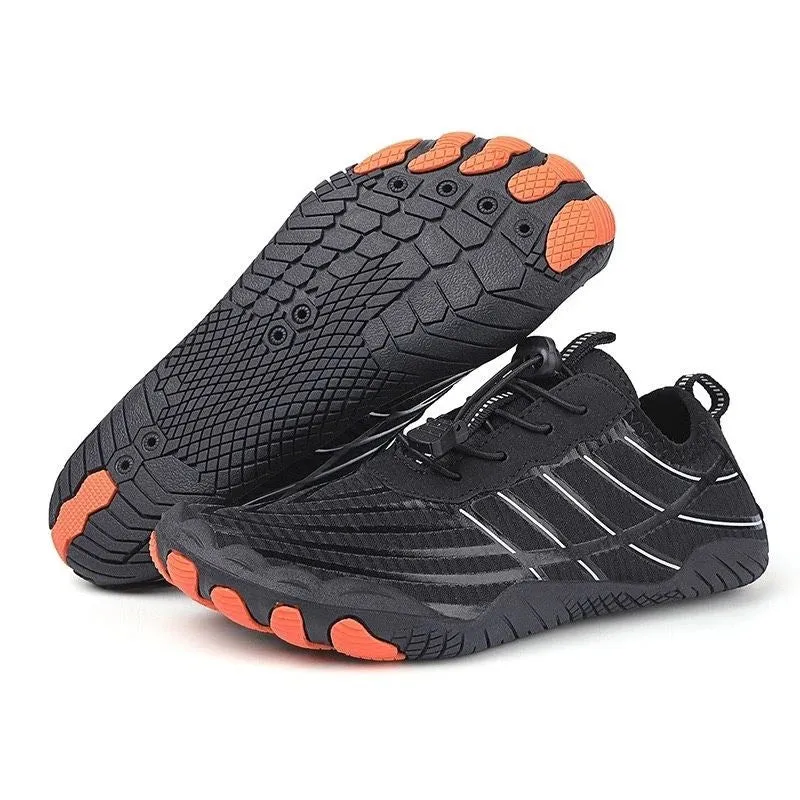
Barefoot shoes like the lorax pro barefoot shoes have a zero-drop sole, wide toe box, and flexible construction but no built-in separators. They are ideal for active movement when you want maximum ground feel and natural gait mechanics.
Toe separator shoes include integrated spacers that hold your toes apart while you walk. They are better for targeted correction during daily errands or recovery walks when you want passive alignment work.
We rotate between both:
- Morning walks: Toe separator shoes to wake up foot muscles with guided spacing
- Gym and running: Barefoot shoes for dynamic movement and proprioception
- Evening recovery: Passive toe spreaders while sitting or doing light chores
Motus Physical Therapy explains that toe spacers work best when combined with strengthening exercises, not worn passively all day. This rotating approach gives your feet corrective input without over-relying on any single tool.
Adding Orthopedic Support Without Losing Ground Feel
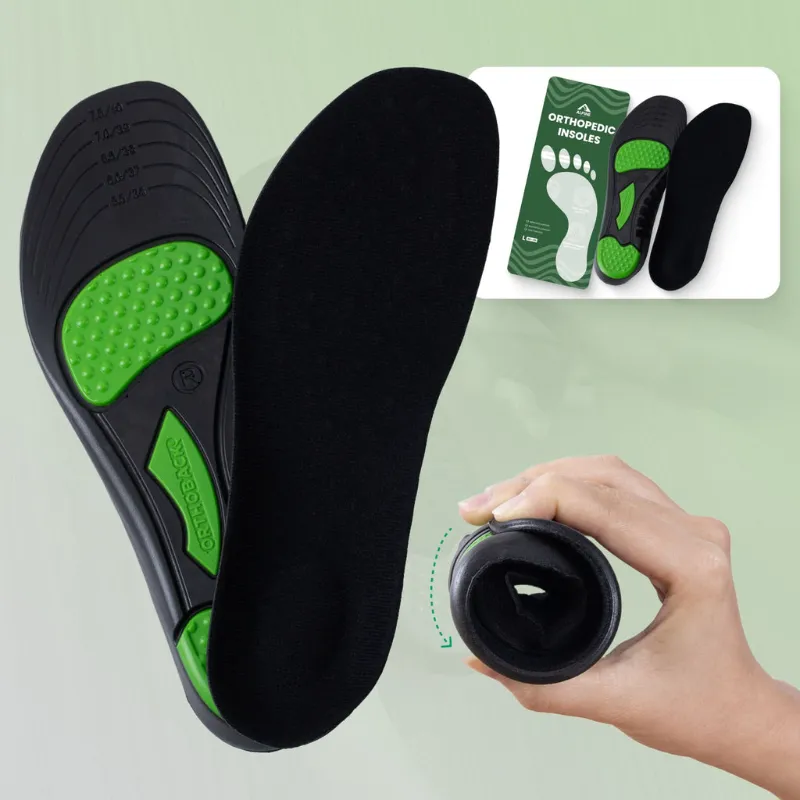
Some people need extra cushioning during the transition to barefoot footwear, especially if they have plantar fasciitis or high arches.
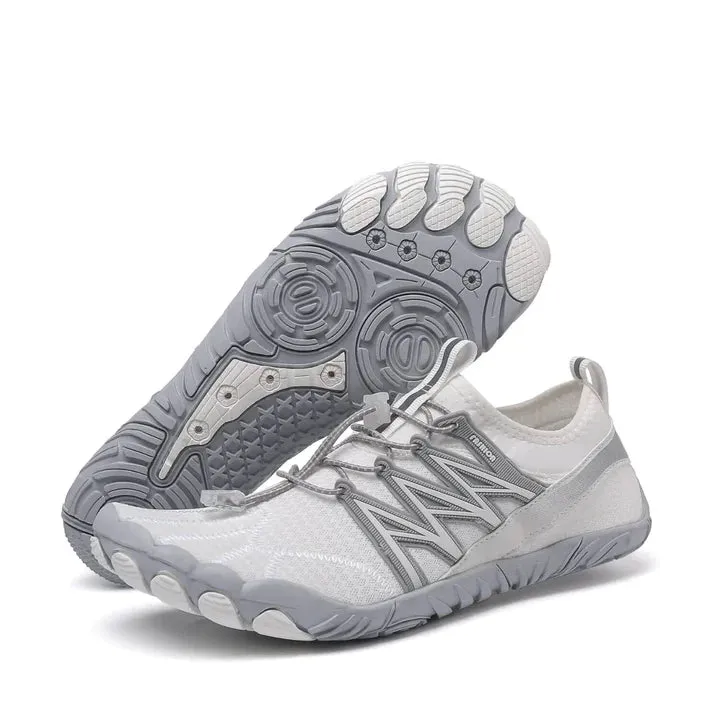
Pair these with athlete’s foot shoes if you need breathable uppers and moisture-wicking materials for high-intensity training. The foot soles work in any wide-toe-box shoe and can be trimmed to fit your exact dimensions.
Start with the insole for the first two weeks, then remove it once your arches build enough strength to handle a completely flat sole. This graduated approach prevents overuse injuries while still moving toward natural foot function.
Building Your Four-Week Transition Plan
Week one through two: Wear toe spreaders for twenty minutes daily while sitting, and walk ten minutes per day in your new barefoot shoes on flat, even surfaces.
Week three: Increase barefoot walking to twenty minutes and introduce toe separator shoes for short errands. Add foot trainer exercises three times per week.
Week four: Alternate between barefoot shoes and toe separator shoes throughout the day. Extend toe spreader wear to forty-five minutes during rest periods.
Listen to your feet. Mild soreness in your arches and calves is normal as dormant muscles activate, but sharp pain or joint discomfort means you are progressing too fast. Scale back duration and let your body adapt gradually.
Anya’s Reviews found that consistent daily use over eight weeks produced lasting changes in toe alignment, but sporadic use showed minimal improvement. Treat this as a long-term investment, not a quick fix.
For the most current offers on the full lineup, visit our Alpine Footwear discount page where we keep the latest codes updated.
Who Benefits Most from This Combined Approach
This routine works especially well for:
- Runners and hikers recovering from plantar fasciitis or bunions
- Office workers who spend eight-plus hours in dress shoes and want to reverse toe crowding
- Parents introducing natural foot development for kids using barefoot shoes kids
- Older adults improving balance and preventing falls through stronger foot proprioception
We have seen the fastest results in people who commit to the full system rather than trying one piece in isolation. The peak footwear lorax pro line covers everything from casual daily wear to trail-ready performance, so you can maintain toe spacing and ground feel across all activities.
Your feet contain a quarter of all the bones in your body and deserve the same intentional training you give to any other muscle group. Combining toe separator shoes, a structured foot trainer protocol, and barefoot footwear gives you a complete toolkit to rebuild strength, mobility, and natural alignment from the ground up.
Questions
Can I wear toe separator shoes all day long?
Start with twenty to thirty minutes daily and gradually increase as your feet adapt. Wearing them all day too soon can cause soreness or cramping because your foot muscles are not yet strong enough to maintain the new alignment.
Do toe separator socks work as well as silicone toe spreaders?
Toe separator socks provide gentle spacing for everyday wear but offer less targeted correction than medical-grade silicone separators. They work best as a maintenance tool once you have already rebuilt toe splay, not as a primary corrective device.
How long before I see results from using a foot trainer?
Most people notice improved balance and reduced foot fatigue within two to three weeks of daily ten-minute sessions. Visible changes in arch height and toe alignment typically appear after six to eight weeks of consistent use.
Are barefoot shoes safe for kids with flat feet?
Yes, barefoot shoes allow children's arches to develop naturally through active movement rather than relying on artificial support. Pair them with age-appropriate foot strengthening exercises and monitor for any discomfort during the transition.
Can I use orthopedic insoles in toe separator shoes?
Most orthopedic insoles are too thick and rigid for toe separator shoes. If you need extra support during the transition, choose low-profile insoles designed for barefoot footwear that preserve ground feel while offering mild arch cushioning.
What is the difference between toe separator shoes for women and unisex models?
Toe separator shoes for women typically have a narrower heel cup and slightly different arch placement to match average female foot anatomy. The toe box width and separator spacing remain similar across both designs.
Products in this guide
 Shopping at Alpine Footwear? See the discount code
15% OFF All Orders
Shopping at Alpine Footwear? See the discount code
15% OFF All Orders
More in this series
Wide Step Shoes Explained: Who Really Benefits from Wide Fit Footwear21 Aug 20265 minThe Best Age to Start Kids in Barefoot Shoes (and How Alpine Footwear’s Kids Line Holds Up)21 Aug 20265 minDo Toe Spreaders Actually Work?21 Aug 20265 minHow to Choose Between Orthopedic Sole Insoles and Foot Soles for Everyday Comfort21 Aug 20264 minLorax Pro Barefoot Shoes vs. Lorax Pro Shoes: Which Alpine Footwear Is Right for You?21 Aug 20265 min