 A FNIRSI guide
Which FNIRSI Multimeter Clamps Work Best for HVAC and Automotive Testing?
We tested multimeter clamps from FNIRSI to find which models deliver accurate readings for HVAC and automotive diagnostics.
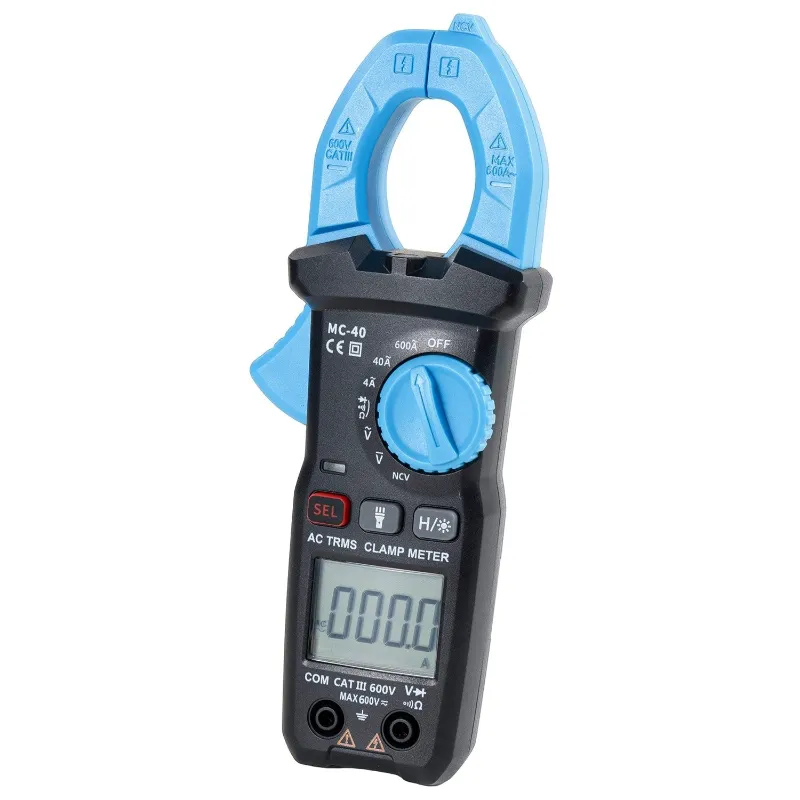
FNIRSI multimeter clamps deliver non-contact current measurement for HVAC and automotive diagnostics, with models built for DC amp detection, milliamp resolution, and tight access engine bays.
Why HVAC and Automotive Techs Need Dedicated Multimeter Clamps
A standard multimeter forces you to break a circuit to measure current, which is a dealbreaker when diagnosing a running AC compressor or tracking down an overnight battery drain. A clamp meter wraps around a single conductor and measures the magnetic field without interrupting power, so you can check blower motor draw while the fan spins or confirm alternator output under load.
HVAC work calls for a clamp that reads low currents for control circuits and much higher currents for compressor inrush. Automotive work needs milliamp sensitivity for a parasitic draw test and enough range for starter cranking current. A multimeter clamp attachment adds this capability to a meter you already own, while a standalone clamp meter integrates voltage, resistance, and continuity in one housing.
Prioritize jaw aperture (a tight engine bay needs a narrow profile), DC accuracy (battery and charging systems are DC), and True RMS for an inverter driven HVAC compressor that generates a non-sinusoidal waveform.
Comparing DC Amp Clamp Options From FNIRSI
| Feature | Standalone Clamp Meter | Multimeter Amp Clamp Attachment |
|---|---|---|
| Typical range | Wide, from small currents up to several hundred amps | Milliamps up to a few hundred amps |
| Jaw clearance | Wider | Narrower, slimmer profile |
| DC accuracy | Tighter tolerance | Slightly wider tolerance |
| Best for | All in one field work | Adding clamp function to an existing DMM |
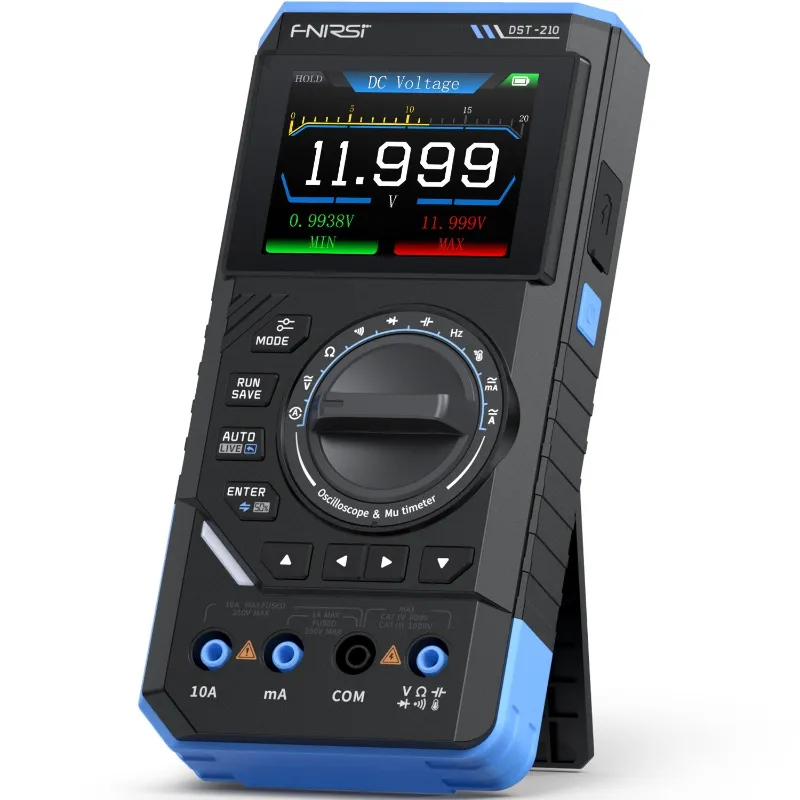
A standalone unit like the FNIRSI multimeter clamps integrates voltage and resistance modes, so you can measure compressor capacitance with the same tool that clamps startup current. An attachment pairs with a meter such as the dst-210 digital tester to upgrade a basic multimeter into a clamp system for occasional use.
For HVAC service calls, a standalone clamp is generally more convenient, since you can switch from clamping the compressor common wire to probing the capacitor terminals without swapping hardware. An automotive tech hunting a parasitic draw benefits from an attachment style milliamp clamp that couples to a bench meter with data logging, recording battery drain over hours while the vehicle sits.
Milliamp Clamp Capability for Parasitic Draw and Control Circuits
A dc amp clamp for multimeter work needs to resolve well below 100 mA to catch a parasitic draw that flattens a battery over a few days. FNIRSI clamp attachments reach milliamp resolution by amplifying the Hall-effect sensor output, which lets you measure sources like:
- Glovebox and dome light draw
- Radio memory and ECU keep alive current
- A faulty door module
- HVAC control board standby draw
Clamp the negative battery cable and watch the display while pulling fuses one at a time. When the reading drops, you have isolated the circuit. This non-invasive method beats inserting a series ammeter, which risks blowing the fuse on reconnect or losing radio presets.
Milliamp sensitivity also helps with an HVAC thermostat or zone damper, since clamping the 24 VAC transformer secondary can identify a short in the control wiring before you spend time tracing cables through a drop ceiling.
Jaw Design and Clearance for Tight Engine Bays
An automotive battery cable or HVAC compressor lead often sits against a firewall stud, leaving little room to work. FNIRSI clamp jaws are built with a wide opening that tapers to a narrow tip, so you can hook around a cable sandwiched between the alternator and the intake manifold.
Jaw to nose depth generally varies by design:
- Standard clamp meters tend to have a wider opening with more tip clearance
- Slim profile attachments have a narrower opening but less tip clearance, useful in the tightest spots
- Flexible Rogowski coils have no fixed opening at all, but lack DC response and are less accurate
For most HVAC and automotive work, a rigid jaw with a slim tip is the better choice over a flexible coil, since you need DC accuracy for battery and compressor circuits. Check the latest specs to confirm jaw dimensions before ordering.
Pairing Clamp Meters With Other FNIRSI Diagnostic Tools
An HVAC or automotive bench often combines more than one tester. Multimeter clamps pair naturally with:
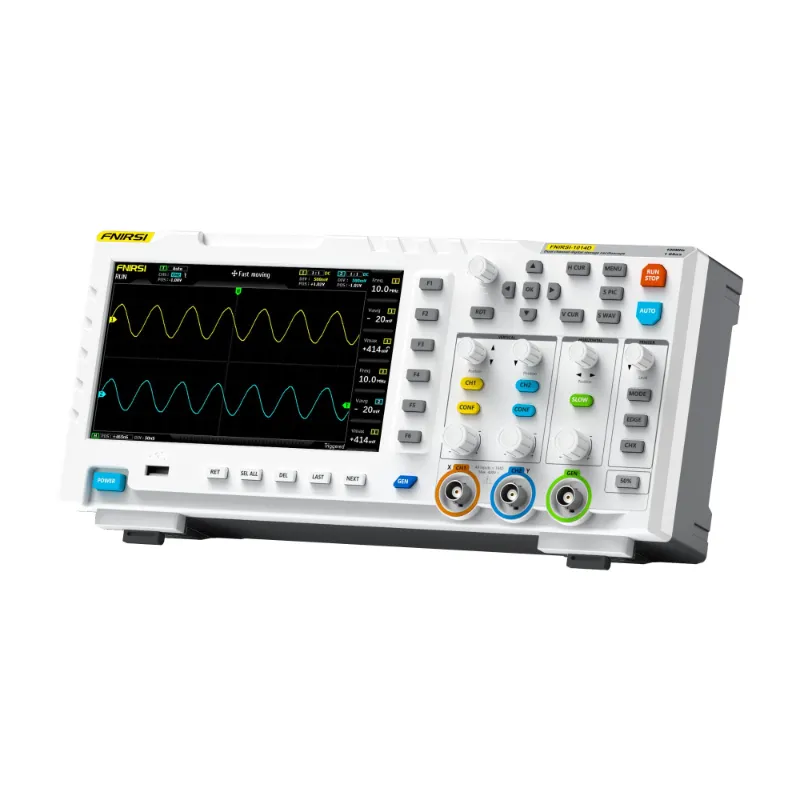
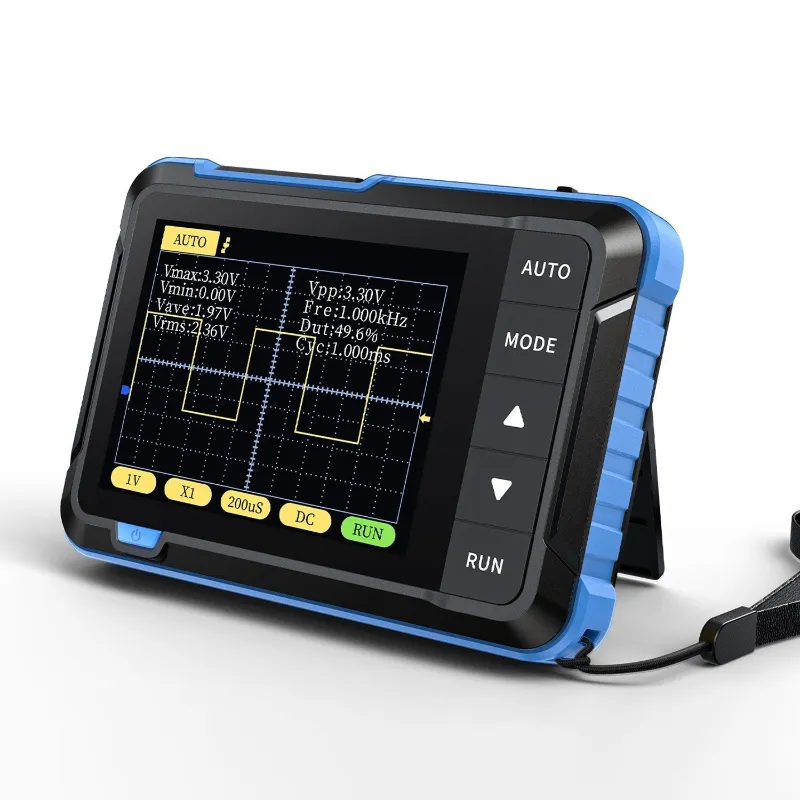
- FNIRSI oscilloscope for capturing compressor start transients and ignition primary pulses
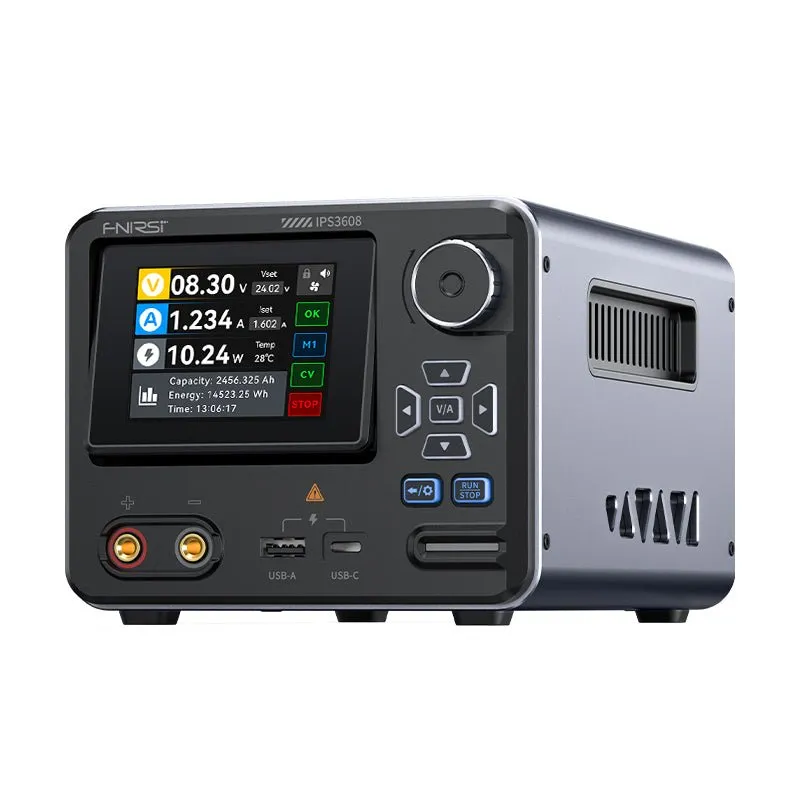
- FNIRSI ips3608 power supply to bench test a blower motor or fuel pump at a controlled voltage
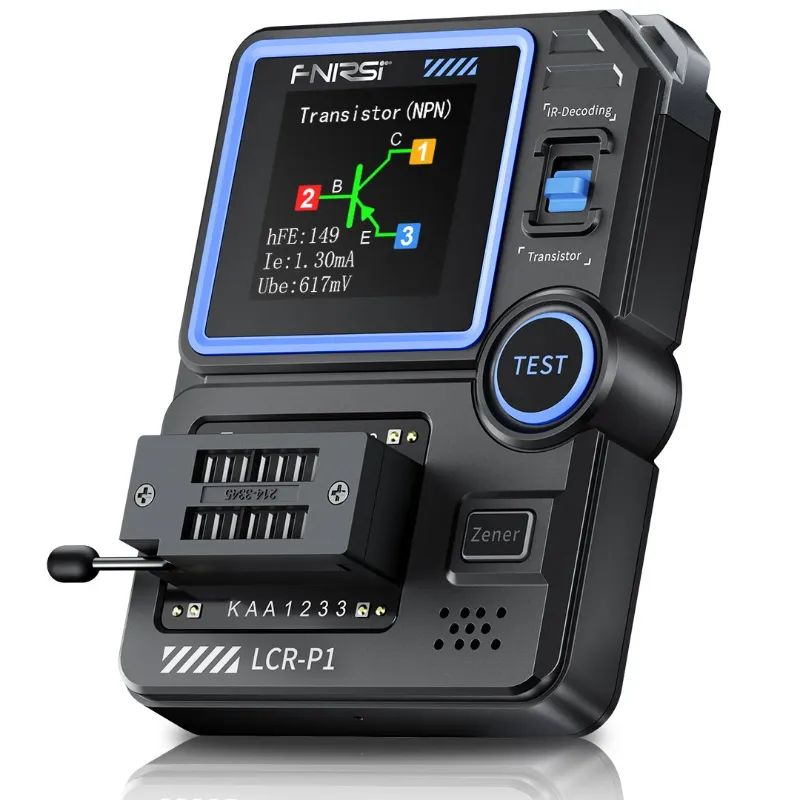
- FNIRSI lcr-p1 to measure a run capacitor or ignition coil inductance when a clamp reading suggests a component fault
The fnirsi dso152 digital oscilloscope can then capture a failed start attempt to document the issue for the customer.
This modular approach means you invest in one quality clamp meter and expand with a specialized tool as your workflow demands, rather than buying an all-in-one unit that compromises on each function.
What to Look For When Choosing Your Multimeter Clamp
Priorities worth keeping in mind for HVAC and automotive use:
- DC current measurement for battery, charging, and compressor circuits
- True RMS if you service a variable speed HVAC system or a hybrid vehicle
- Milliamp resolution for a parasitic draw or control wiring test
- A narrow jaw aperture with a tapered tip for tight access
- Auto ranging to avoid fumbling with a selector knob while balancing on a ladder
Check the current FNIRSI discount code before you order a clamp meter or attachment.
For background on clamp meter theory and safety, see How to Use Clamp Meters and explore the range at Klein Tools for additional context on form factors and specifications.
Who Should Buy FNIRSI Multimeter Clamps
These clamps suit:
- HVAC techs measuring compressor inrush, blower motor draw, and transformer secondaries without breaking a 24 VAC control loop
- Automotive electricians hunting a parasitic draw, confirming alternator output under load, and diagnosing starter cranking current
- DIY mechanics and homeowners who need occasional current measurement without the cost of a pro grade meter (compare options at Fluke Clamps to see the price difference)
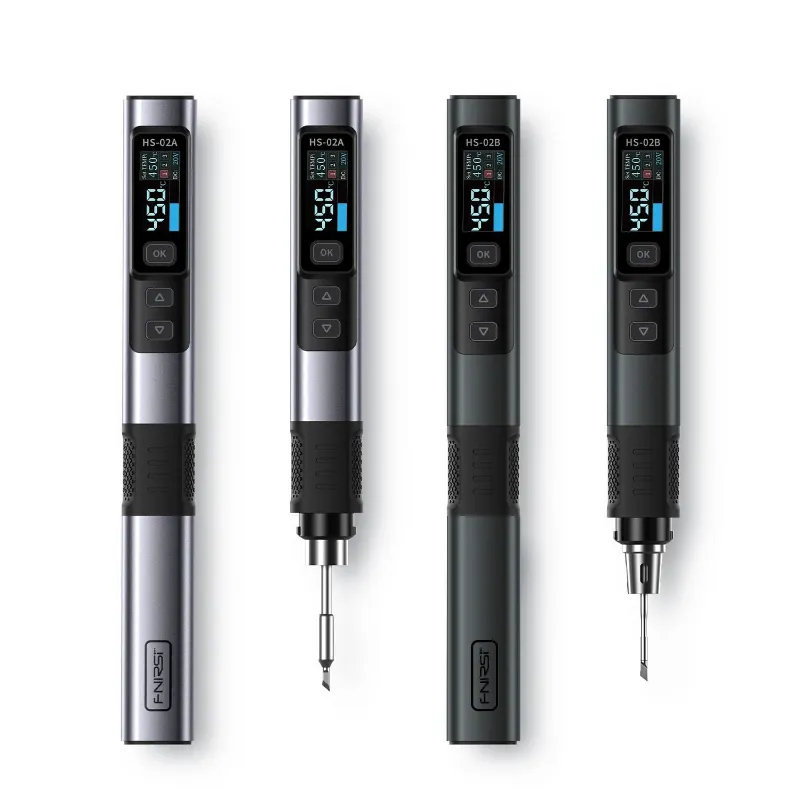
- Field service teams pairing a standalone clamp with a bench tool like the fnirsi hs-02a soldering iron and dst-210 multimeter for a mobile repair kit
If you diagnose live circuits every week, a standalone FNIRSI clamp meter offers the durability and integration you need. For a hobbyist or a tech who already owns a solid bench multimeter, a clamp attachment adds current measurement at a fraction of the cost.
Questions
Can I measure DC current with any multimeter clamp?
No. Only a clamp with a Hall-effect sensor measures DC current; an older transformer based clamp reads AC only. Confirm the spec sheet lists DC amps before buying, especially for automotive battery and charging system work.
What jaw opening do I need for automotive battery cables?
Most automotive battery cables need a moderate jaw opening. FNIRSI clamp meters open wide enough to accommodate a battery cable as well as HVAC compressor leads and bundled harnesses.
How accurate are FNIRSI multimeter clamps for milliamp readings?
FNIRSI clamp attachments are built for milliamp level resolution, which is enough for a parasitic draw test where you are looking for a draw well above the noise floor. A lab grade meter reaches tighter accuracy, but costs considerably more.
Do I need True RMS for HVAC compressor current measurement?
Yes, if you service an inverter driven or variable speed system. A True RMS clamp measures the heating effect of a distorted waveform accurately, while an averaging meter can under-report current on a non-sinusoidal load.
Can I use a multimeter amp clamp attachment with any brand of meter?
Most clamp attachments output a millivolt signal proportional to current, so they pair with any multimeter that reads millivolts. Check the attachment's output ratio and confirm your meter's mV range covers it.
Which FNIRSI tool should I pair with multimeter clamps for complete HVAC diagnostics?
Pair clamps with the FNIRSI LCR-P1 to measure a run or start capacitor after clamping compressor current, or use the FNIRSI oscilloscope to capture a startup transient and diagnose a hard-start issue.
Products in this guide
 Shopping at FNIRSI? See the discount code
6% OFF All Orders
Shopping at FNIRSI? See the discount code
6% OFF All Orders
More in this series
Troubleshooting Common Issues with the FNIRSI IPS3608 Power Supply3 Aug 20265 minFNIRSI DSO152 Oscilloscope: What Can It Actually Measure?3 Aug 20264 min Can the FNIRSI Pocket Geiger Counter Accurately Detect Radiation Levels?3 Aug 20264 minHow to Choose Between the FNIRSI LCR-P1 and DE-5000 LCR Meters3 Aug 20265 minFNIRSI HS-02A Soldering Iron Review: Is It Worth It for Electronics Work?3 Aug 20264 min