 A FNIRSI guide
FNIRSI DSO152 Oscilloscope: What Can It Actually Measure?
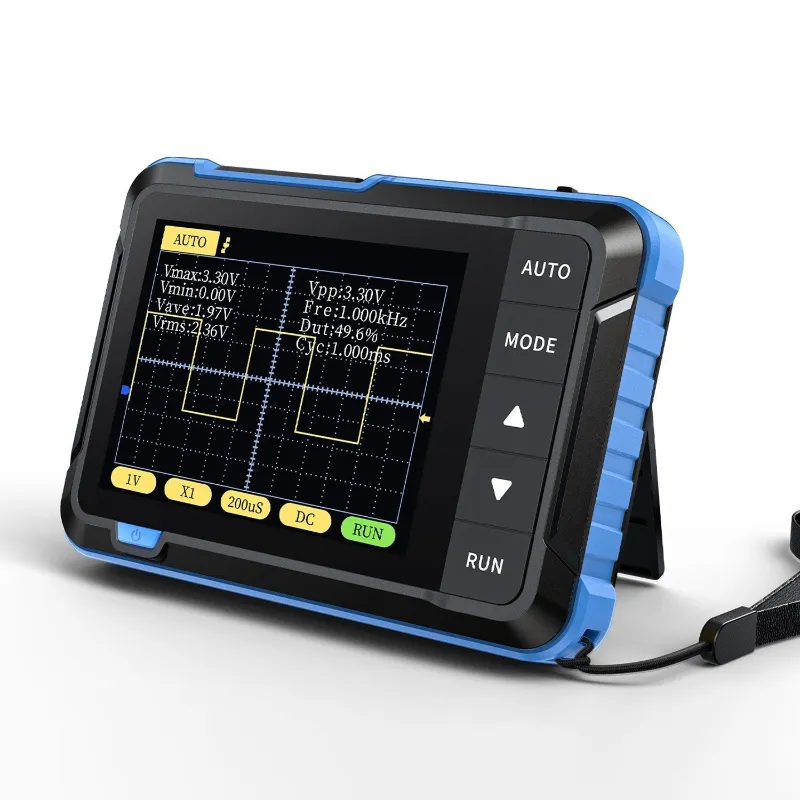
The fnirsi oscilloscope can measure AC and DC voltage waveforms, frequency, pulse width, duty cycle, and rise time across analog and digital circuits.
The fnirsi oscilloscope can measure AC and DC voltage waveforms, frequency, pulse width, duty cycle, and rise time across analog and digital circuits.
What Voltage Signals the FNIRSI DSO152 Captures
The DSO152 records voltage over time, which is the core function of any oscilloscope. It displays waveforms up to ±40 V peak-to-peak on the input channel, enough for most low-voltage hobby and embedded projects. You can identify signal amplitude, DC offset, and noise floors directly on the 2.4-inch TFT screen.
Typical signals you can capture include:
- Audio signals from op-amps and preamps (typically 100 mV to 5 V)
- PWM outputs from microcontrollers (3.3 V and 5 V logic)
- Power supply ripple on DC rails (captured AC coupling to isolate the ripple component)
- Sensor outputs from thermocouples and photodiodes
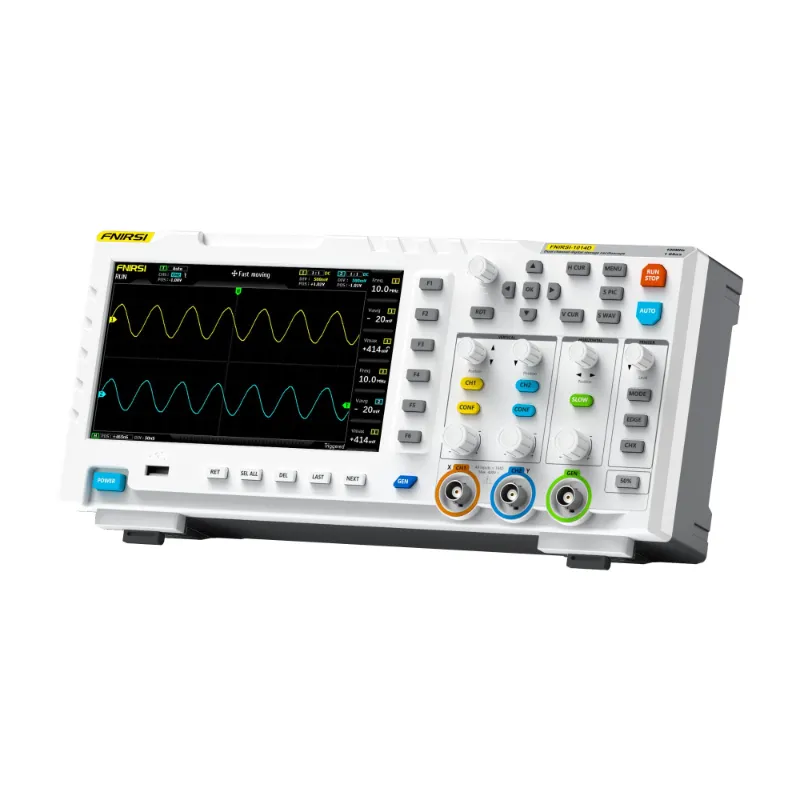
The single-channel design means you measure one point at a time. For comparing input versus output, you need to capture traces separately or step up to a fnirsi oscilloscope model with dual channels.
Frequency and Timing Measurements Explained
Beyond voltage amplitude, the DSO152 calculates frequency and period automatically when you enable the on-screen cursor or auto-measurement mode. The 1 MHz analog bandwidth and 10 MSa/s sample rate handle signals from DC to about 200 kHz reliably. Above that, aliasing and attenuation reduce accuracy.
- Audio circuits: 20 Hz to 20 kHz (guitar pedals, amplifiers, filters)
- PWM motor control: 1 kHz to 50 kHz
- SPI and I²C clock lines: up to 400 kHz (though logic analyzers are clearer here)
- Crystal oscillator startup: captures the envelope, not individual cycles at 8 MHz or above
For higher frequencies, the FNIRSI 1014D Digital Storage Oscilloscope offers 100 MHz bandwidth and four channels if your projects demand it. Check the latest price to compare the DSO152 against that upgrade.
Pulse Width, Duty Cycle, and Rise Time
The DSO152 measures pulse width (the duration a signal stays high or low) and duty cycle (the percentage of time a PWM signal is high). These specs matter for verifying motor drivers, LED dimmers, and SMPS feedback loops.
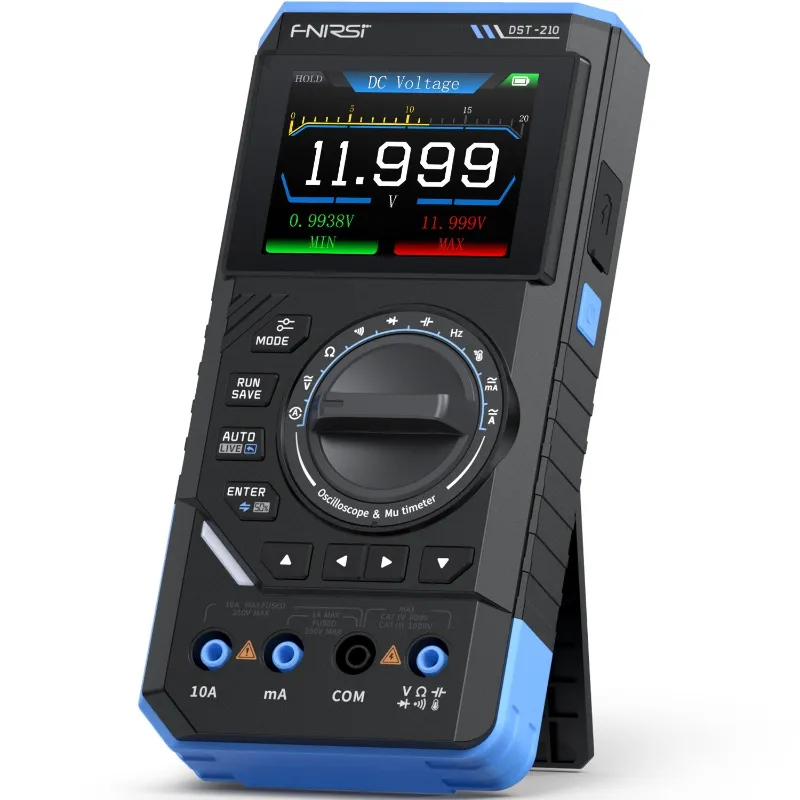
Limitations: The 10 MSa/s sample rate gives you 100 ns resolution, so rise times faster than 500 ns blur together. For precision edge timing, pair the DSO152 with a dst-210 digital tester that logs min/max pulse widths over longer periods.
Using the DSO152 as a Basic Oscilloscope Multimeter
While the DSO152 is not a true oscilloscope multimeter hybrid, you can measure DC voltage levels by reading the on-screen average or using the single-shot trigger to capture steady-state values.
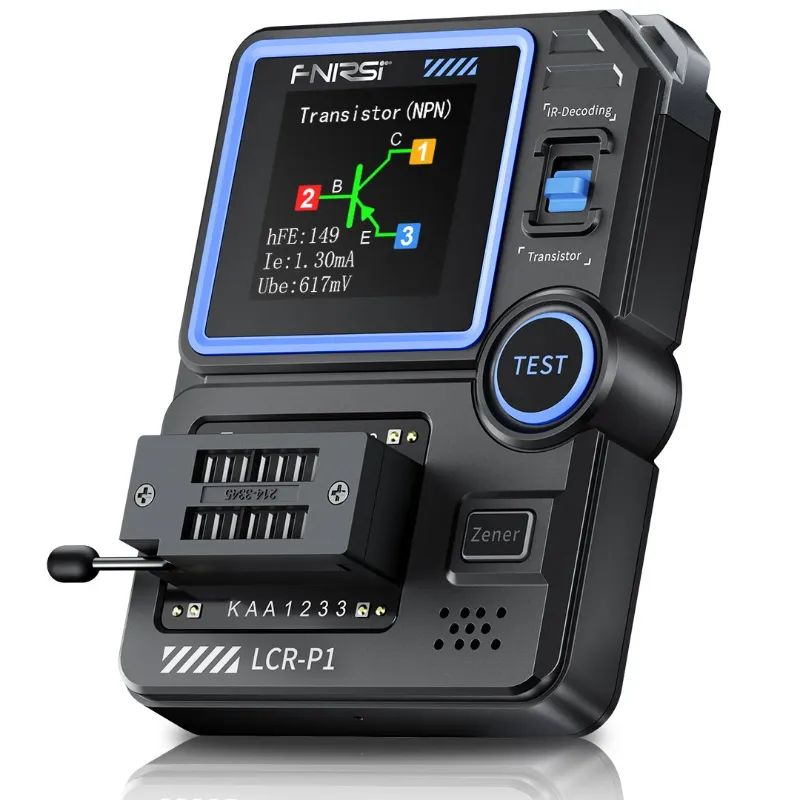
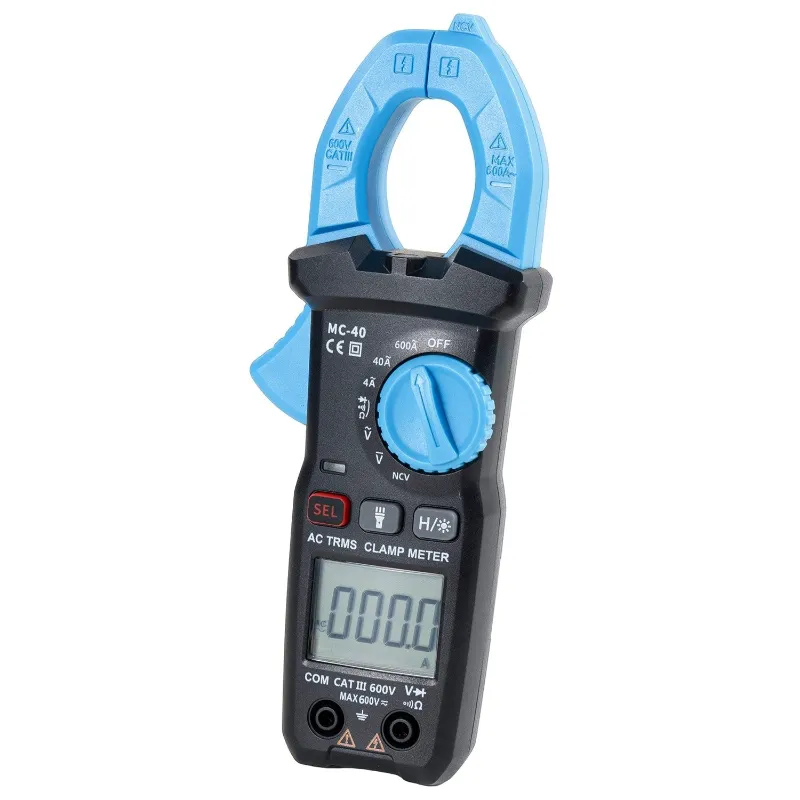
For resistance, capacitance, or current, you still need a dedicated meter. The fnirsi lcr-p1 handles inductance and capacitance with 0.1 percent accuracy if you work with passive components regularly, and multimeter clamps measure AC or DC current without breaking the circuit.
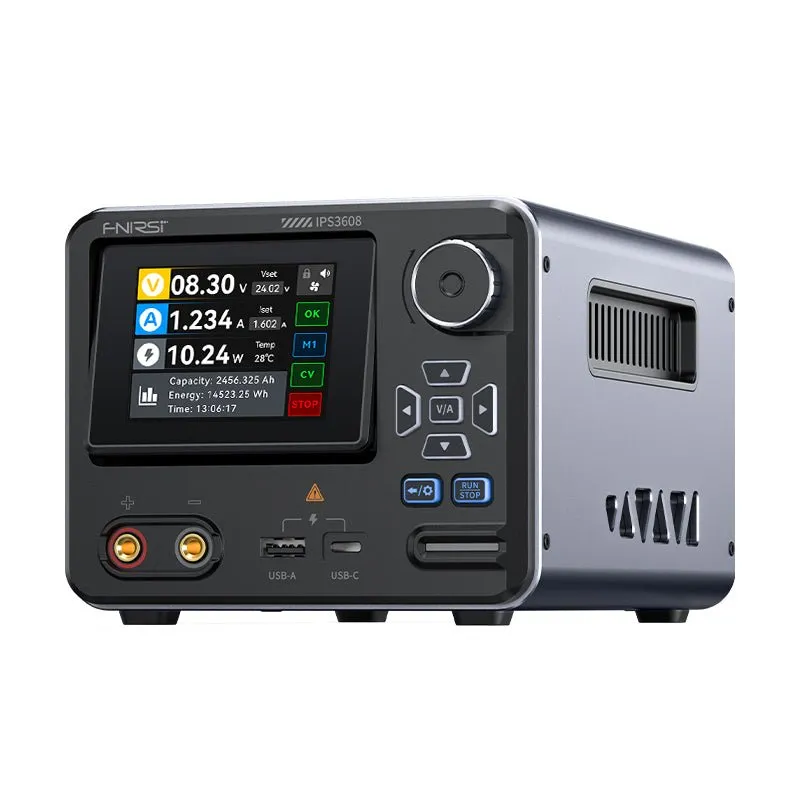
The DSO152 pairs well with the fnirsi ips3608 power supply when you need a stable bench voltage source during waveform testing.
What the DSO152 Cannot Measure
The pocket form factor and 1 MHz bandwidth impose real limits:
- RF signals: Anything above 500 kHz shows heavy roll-off. AM radio, WiFi, and Bluetooth are invisible.
- High-speed digital buses: USB, Ethernet, and CAN require bandwidths in the tens or hundreds of MHz.
- True RMS power: The scope shows instantaneous waveforms but does not integrate power over time like a watt meter.
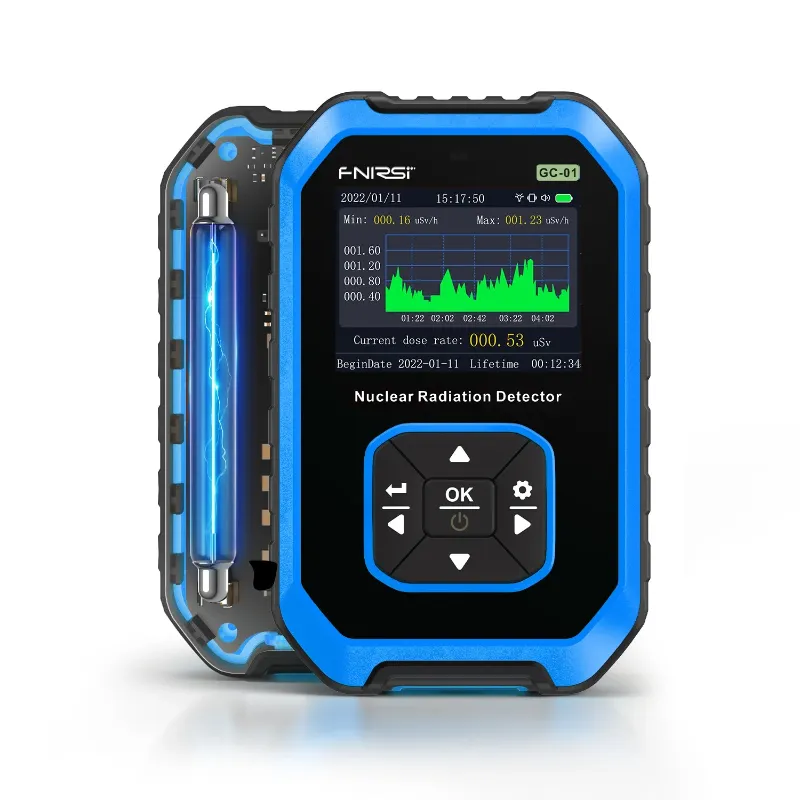
- Radiation or environmental hazards: For that, grab a pocket geiger counter or nuclear radiation detector.
Who Should Use the FNIRSI DSO152
The DSO152 suits hobbyists, students, and field techs who need a waveform snapshot without hauling a benchtop scope. It fits in a tool bag next to a soldering iron like the fnirsi hs-02a, and the built-in battery lasts hours on a charge.
We recommend it for:
- Debugging Arduino, ESP32, and Raspberry Pi GPIO signals
- Tuning analog filters and oscillators in audio projects
- Verifying PWM output from motor controllers
- Checking power supply ripple and transient response
If you need multi-channel comparison, protocol decode, or bandwidths above 10 MHz, budget for a higher-tier model. Grab the code and compare the DSO152 against the 1014D or 2C53T in the FNIRSI lineup to match your real measurement demands.
Practical Tips for Accurate Measurements
Set the vertical scale so your waveform fills 50 to 80 percent of the screen. Too small and you lose resolution; too large and peaks clip. Use AC coupling to remove DC offsets when you only care about the AC component, like ripple on a power rail.
Trigger level and slope matter. If your waveform drifts or scrolls, adjust the trigger threshold to sit midway through the signal swing. Edge triggering on the rising slope works for most digital and PWM signals.
Calibrate the probe compensation by connecting the probe tip to the built-in calibration output (usually a 1 kHz square wave) and tweaking the probe’s trim cap until the corners are sharp, not rounded or overshoot. This step ensures the 10:1 probe divider matches the scope’s input impedance.
Store reference traces for before-and-after comparisons when tuning circuits, and use the USB port to export waveforms as BMP or CSV if your DSO152 firmware supports it. Not all budget scopes include this feature, so check the manual or the product page before assuming you can log data.
Questions
Can the FNIRSI DSO152 measure AC voltage accurately?
Yes, the DSO152 measures AC voltage waveforms and displays peak-to-peak amplitude up to ±40 V. It shows the shape and frequency but does not calculate true RMS like a multimeter.
What is the maximum frequency the DSO152 can capture?
The 1 MHz analog bandwidth and 10 MSa/s sample rate handle signals up to roughly 200 kHz reliably. Higher frequencies experience roll-off and aliasing.
Does the FNIRSI oscilloscope work for Arduino projects?
Absolutely. The DSO152 captures 3.3 V and 5 V logic levels, PWM signals, and serial data envelopes, making it ideal for Arduino and ESP32 debugging.
Can I measure current with the DSO152?
No, the DSO152 only measures voltage. For current, use a current shunt resistor and measure the voltage drop across it, or add multimeter clamps to your toolkit.
How do I know if I need a higher-bandwidth oscilloscope?
If you work with signals above 200 kHz, fast digital buses like USB or SPI at 10 Mbps, or need multi-channel comparison, step up to a 100 MHz model like the FNIRSI 1014D.
Is the DSO152 portable enough for field work?
Yes, it runs on a built-in rechargeable battery, fits in a tool bag, and weighs less than most handheld meters, making it practical for on-site diagnostics.
Products in this guide
 Shopping at FNIRSI? See the discount code
6% OFF All Orders
Shopping at FNIRSI? See the discount code
6% OFF All Orders
More in this series
Which FNIRSI Multimeter Clamps Work Best for HVAC and Automotive Testing?3 Aug 20265 minTroubleshooting Common Issues with the FNIRSI IPS3608 Power Supply3 Aug 20265 minCan the FNIRSI Pocket Geiger Counter Accurately Detect Radiation Levels?3 Aug 20264 minHow to Choose Between the FNIRSI LCR-P1 and DE-5000 LCR Meters3 Aug 20265 min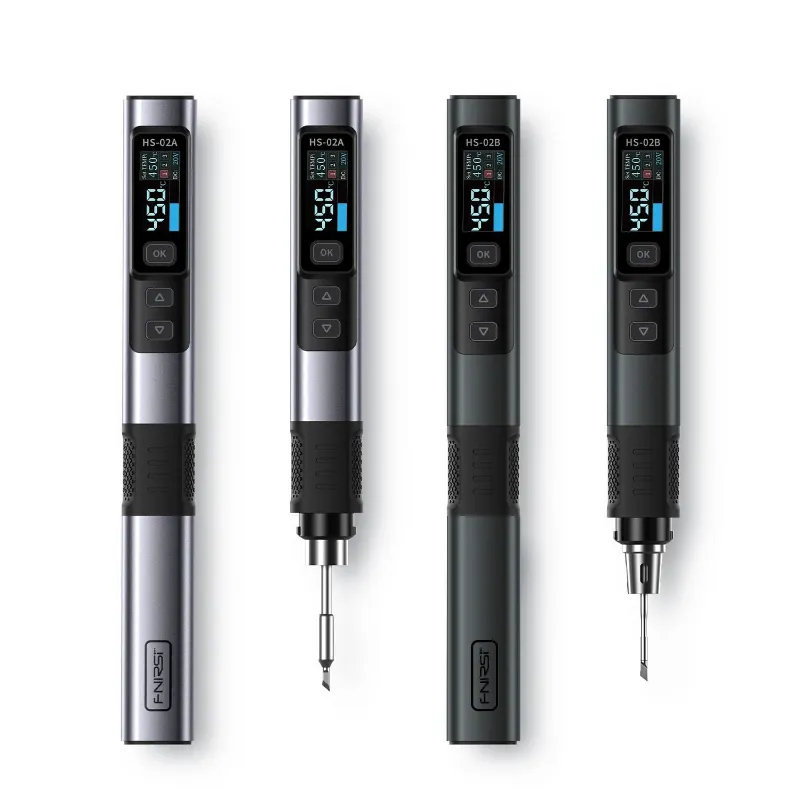 FNIRSI HS-02A Soldering Iron Review: Is It Worth It for Electronics Work?3 Aug 20264 min