 A Kasumi Knives guide
VG10 Steel Kitchen Knives: Why Japanese Chefs Choose This Blade Material
VG10 steel is the benchmark stainless steel for Japanese kitchen knives, balancing edge retention, corrosion resistance, and ease of sharpening better than most alternatives.
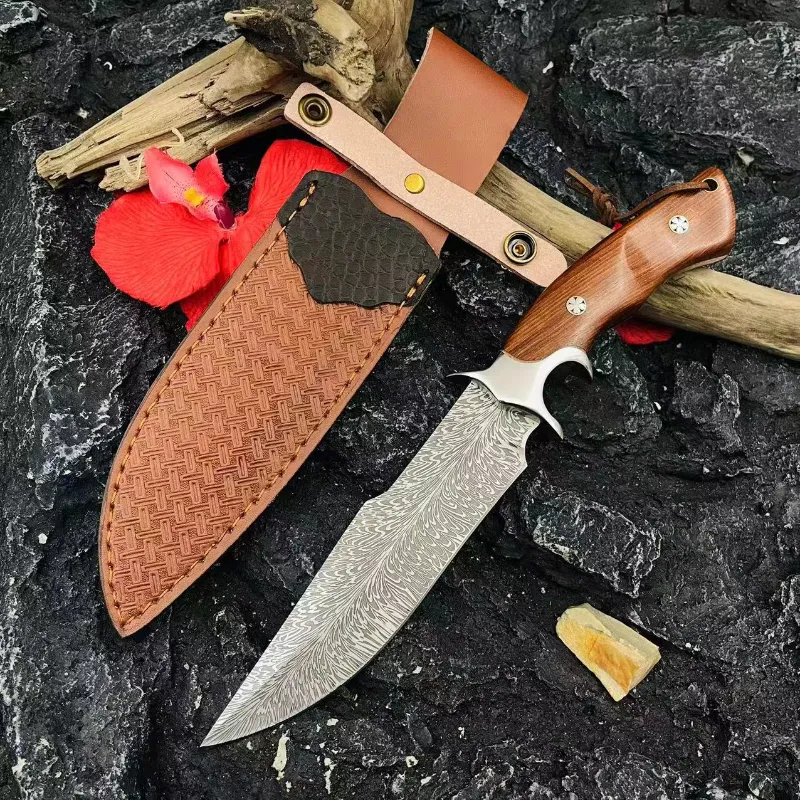
VG10 steel is the benchmark stainless steel for Japanese kitchen knives, balancing edge retention, corrosion resistance, and ease of sharpening better than most alternatives. Professional chefs and home cooks alike reach for kasumi knives and other vg10 steel blades because they hold a sharp edge longer than softer steels, stay rust-resistant in wet kitchens, and don’t demand exotic sharpening techniques.
What Is VG10 Steel and Why It Matters
VG-10 is a Japanese stainless steel alloy developed specifically for cutlery. The name comes from its composition: it contains vanadium and molybdenum, elements that give the steel its signature toughness and edge-holding ability. When you pick up a quality vg10 steel blade, you’re holding a material engineered to stay sharp through hundreds of cuts while resisting the corrosion that catches softer metals.
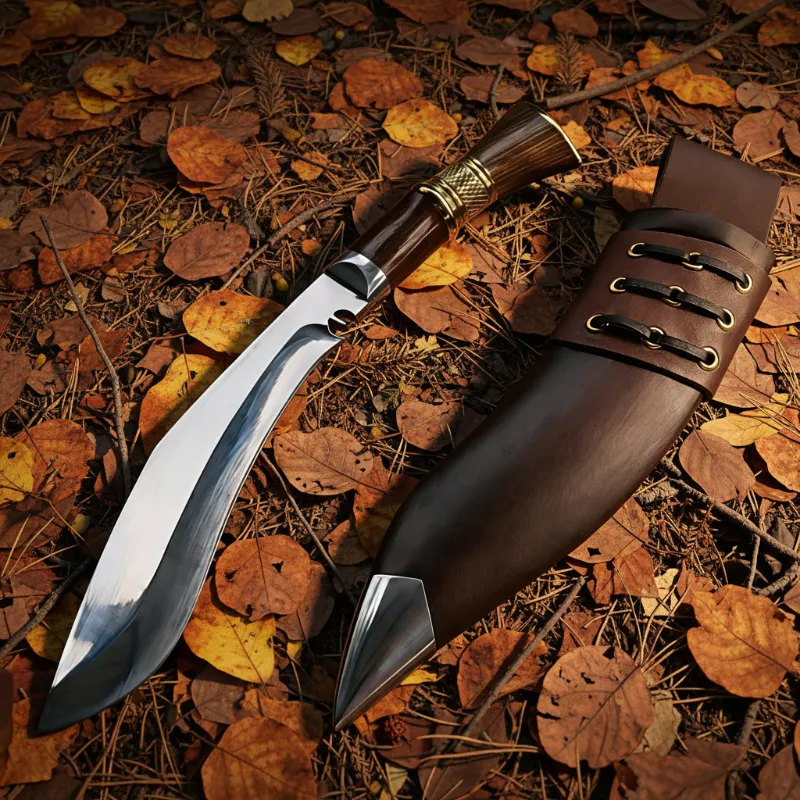
The steel scores around 60 on the Rockwell Hardness Scale (HRC), placing it in the sweet spot between fragility and difficulty. Higher-hardness steels chip more easily; lower ones dull faster. VG10 hits the balance that made Japanese chefs famous for their precision cuts. It’s forged into blade knife types ranging from gyuto (chef’s knives) to yanagiba (sashimi knives), each one inheriting the steel’s reliable performance.
VG10 Steel Composition and Hardness
VG10 contains roughly 13% chromium, 1% molybdenum, 0.3% vanadium, and 0.1% carbon. This vg10 steel composition creates a stainless matrix that resists rust while remaining hard enough to take and hold a fine edge. The vanadium particularly strengthens the steel’s ability to accept and maintain sharpness under repeated use.
Hardness is only part of the story. A blade can be hard and brittle, shattering on impact. VG10 pairs hardness with toughness, meaning it can flex slightly without breaking. This is why it’s ideal for kitchen work, where blades meet bone, joints, and sudden lateral stress. The steel won’t chip when you’re breaking down a chicken or slicing through a hard squash.
VG10 vs Other Kitchen Knife Steels
Understanding how vg10 steel stacks against competing materials helps you choose the right knife for your needs.
| Steel Type | Edge Retention | Corrosion Resistance | Ease to Sharpen |
|---|---|---|---|
| VG10 | Excellent | Excellent | Easy |
| 440C | Good | Excellent | Moderate |
| S35VN | Excellent | Very Good | Difficult |
| 13C26 (Sandvik) | Good | Excellent | Very Easy |
VG10 vs 440C: VG10 holds an edge longer and resists corrosion equally well. 440C is softer, dulls faster, and feels cheaper in the hand. Unless budget is the only factor, vg10 steel wins for kitchen use.
VG10 vs S35VN: S35VN stays sharper longer, but it’s much harder to resharpen at home. Most home cooks will find themselves sending S35VN blades out for professional honing. VG10 responds well to whetstones and honing steels, keeping your knives sharp between professional sessions.
VG10 vs MagnaCut: MagnaCut is newer and holds an edge as well as VG10, but it costs more and hasn’t proven itself over decades of real-world use the way vg10 steel has. Japanese knife makers trust VG10 because it’s predictable and proven.
Japanese Knife Shapes and VG10 Performance
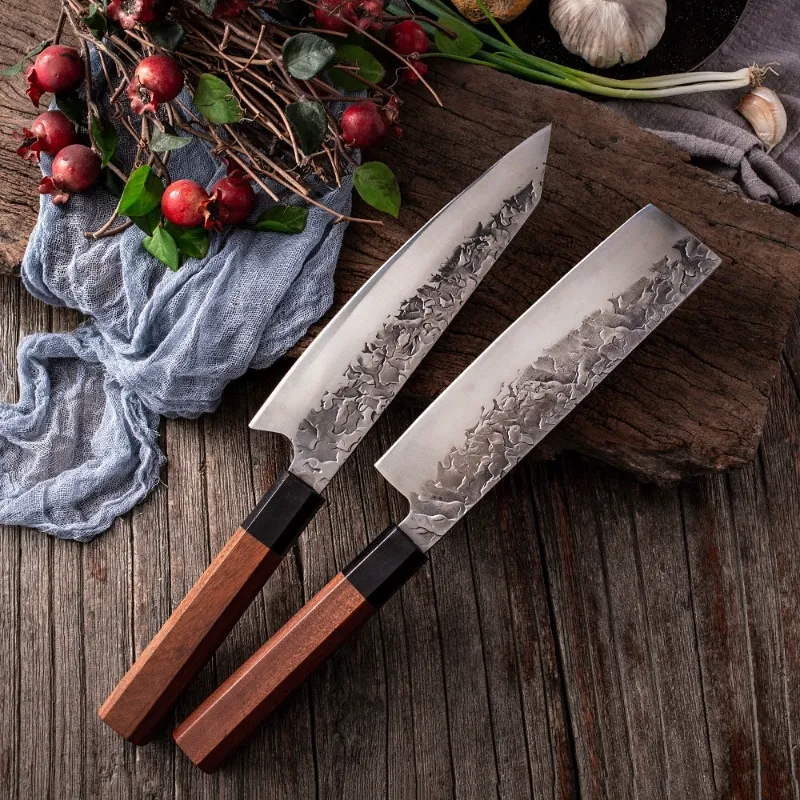
The japanese knife shapes most commonly forged from vg10 steel include:
- Gyuto: The workhorse chef’s knife, 8 inches typically, with a gentle curve that guides rocking cuts and precise slices.
- Santoku: A shorter, straighter alternative favored for vegetables and fish, with a flat edge that excels at push cuts.
- Nakiri: A rectangular blade for chopping, offering maximum knuckle clearance on the cutting board.
- Yanagiba: A long, single-bevel blade for slicing sashimi and sushi-grade fish.
Each shape performs better because of what vg10 steel brings: a fine edge that doesn’t crumble, and the right balance of hardness so the blade doesn’t bend under lateral pressure. The takumitak tkf318 and elmo knives both leverage vg10 steel in their designs, proving the material’s versatility across maker preferences.
Sharpening and Maintaining VG10 Steel Knives
One of the best reasons to choose vg10 steel is how forgiving it is to sharpen. Unlike harder exotic steels, vg10 responds to standard whetstones and honing steels without requiring diamond plates or exotic equipment.
- Use a 1000-grit whetstone for regular maintenance every few weeks.
- Progress to 3000 or 5000 grit for a polished, refined edge.
- Use a ceramic or steel honing rod between sharpenings to realign the edge.
- Hand wash and dry immediately after use; don’t put vg10 steel blades in the dishwasher.
- Store on a magnetic strip or knife block to protect the edge.
The ease of maintenance is why many chefs prefer vg10 steel over premium alternatives. You don’t need specialized knowledge or expensive equipment. A basic routine keeps your knife sharp for years.
Who Should Choose VG10 Steel Knives
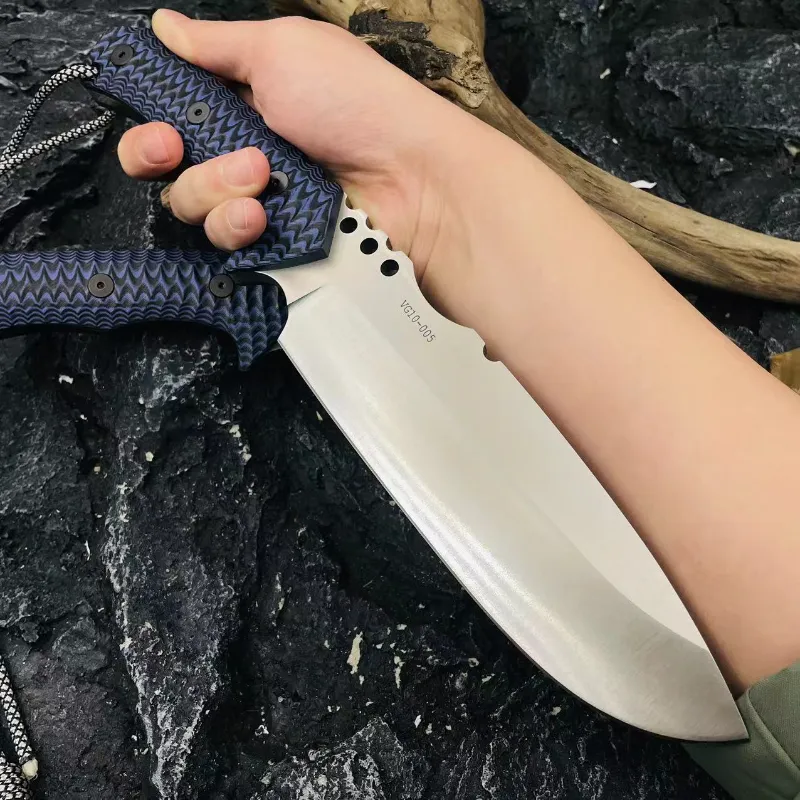
VG10 steel is right for home cooks and professional chefs who want reliable performance without fussiness. If you’re drawn to kasumi knives or similar types of knife blades, you value the blend of tradition and practicality that vg10 steel represents. It’s ideal if you sharpen your own knives, work in a busy kitchen where knives get real use, or want a blade that will stay sharp and rust-free for a decade or more.
You might want to consider other materials if you’re a minimalist who prefers higher hardness and absolute maximum edge retention, or if you’ve already invested in professional sharpening services for exotic steels. For everyone else, vg10 steel offers the best return on investment.
Where to Buy VG10 Steel Knives
Kasumi Knives specializes in vg10 steel blades across multiple shapes and sizes. Grab the code to get 10% off sitewide, bringing premium vg10 steel within reach for most budgets. Whether you’re upgrading from a beginner knife or building out a serious kitchen setup, the discount applies to the full range of options.

The elvis fishing knife and other specialty blades also showcase vg10 steel’s versatility beyond the kitchen. If you’re exploring blade knife types for different purposes, you’ll find vg10 performs reliably in hunting, fishing, and outdoor applications as well.
Start with a single quality blade (a 8-inch gyuto or santoku) and experience how vg10 steel changes your cutting experience. Once you feel the difference, you’ll understand why Japanese chefs have relied on this material for generations.
Questions
Is vg10 steel better than stainless steel?
VG10 is a stainless steel specifically engineered for cutlery. It resists corrosion like other stainless steels but holds an edge better because of its vanadium and molybdenum content. Most general stainless steels (like 440C) are softer and dull faster.
What's the vg10 steel hardness rating?
VG10 steel typically rates around 60 HRC (Rockwell Hardness Scale). This hardness level balances edge retention with toughness, so the blade stays sharp without becoming brittle or prone to chipping.
Can I sharpen kasumi knives and other vg10 steel blades at home?
Yes. VG10 steel responds well to standard whetstones and honing steels. A 1000-grit whetstone for regular maintenance and a ceramic honing rod between sharpenings keep your blade in excellent condition without special tools.
How does vg10 steel compare to high-carbon steel?
VG10 is a stainless steel with chromium that resists rust, while high-carbon steel can rust if not dried immediately. VG10 is easier to maintain in a wet kitchen and better for home cooks who don't want the extra care routine.
Why do Japanese knife makers choose vg10 steel?
Japanese makers trust VG10 because it's been proven over decades, balances hardness with ease of sharpening, and resists corrosion reliably. It lets them focus on blade geometry and finishing rather than compensating for material weaknesses.
What is vg10 steel price compared to other blade materials?
VG10 steel knives are mid-range: more expensive than budget stainless but often less costly than exotic materials like S35VN or Damascus. [Check the latest price](/kasumi-knives-discount-code/) on quality vg10 blades to see the value for yourself.
Products in this guide
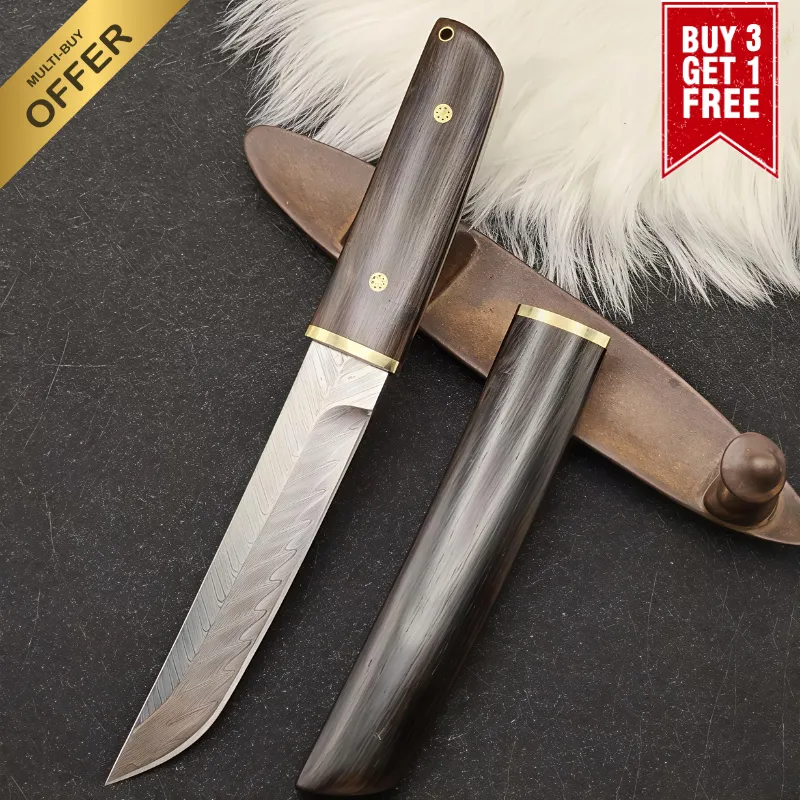
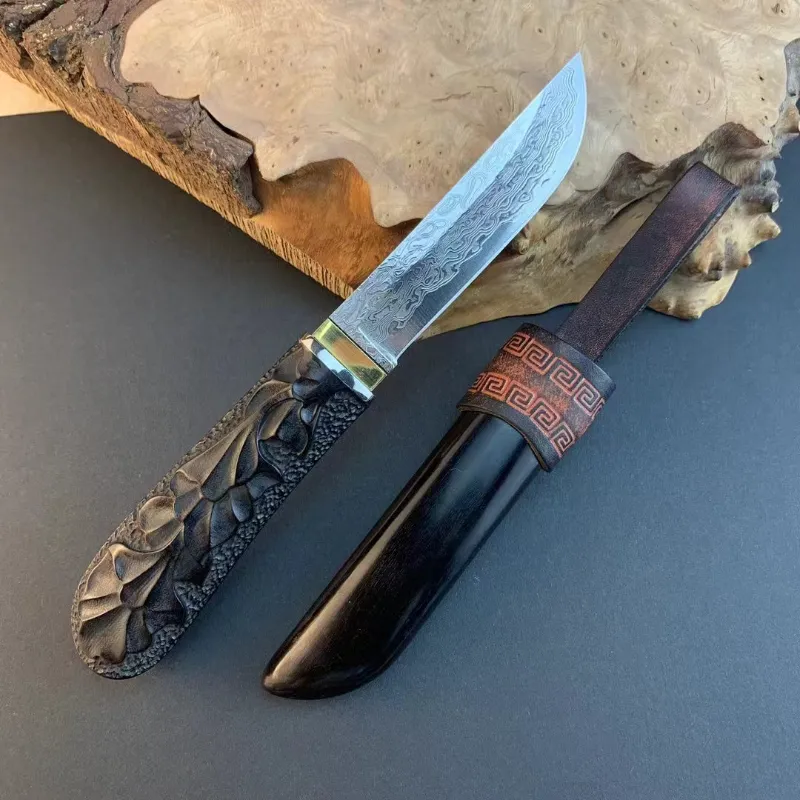
 Shopping at Kasumi Knives? See the discount code
10% OFF Sitewide
Shopping at Kasumi Knives? See the discount code
10% OFF Sitewide
More in this series
Do Kasumi Kitchen Knives Need Special Care? A Maintenance Guide for VG10 Steel28 Aug 20265 minJapanese Knife Blade Types Explained: Santoku, Nakiri, Gyuto, and More28 Aug 20264 minElvis Fishing Knife: Blade Steel, Design and Who It Suits28 Aug 20264 minHow to Choose the Right Japanese Knife Shape for Every Kitchen Task28 Aug 20265 minKasumi Knives vs Takumitak TKF318: Which Japanese Knife Holds an Edge Longer28 Aug 20264 min