 A Kasumi Knives guide
Kasumi Knives vs Takumitak TKF318: Which Japanese Knife Holds an Edge Longer
Kasumi knives and the Takumitak TKF318 are both excellent Japanese options, but they differ in steel composition, blade geometry, and edge-holding ability.
Kasumi knives and the Takumitak TKF318 are both excellent Japanese options, but they differ in steel composition, blade geometry, and edge-holding ability. If you’re deciding between these two, understanding how their materials and design affect edge retention will help you pick the right knife for your kitchen or professional use.
How kasumi knives compare to Takumitak on edge retention
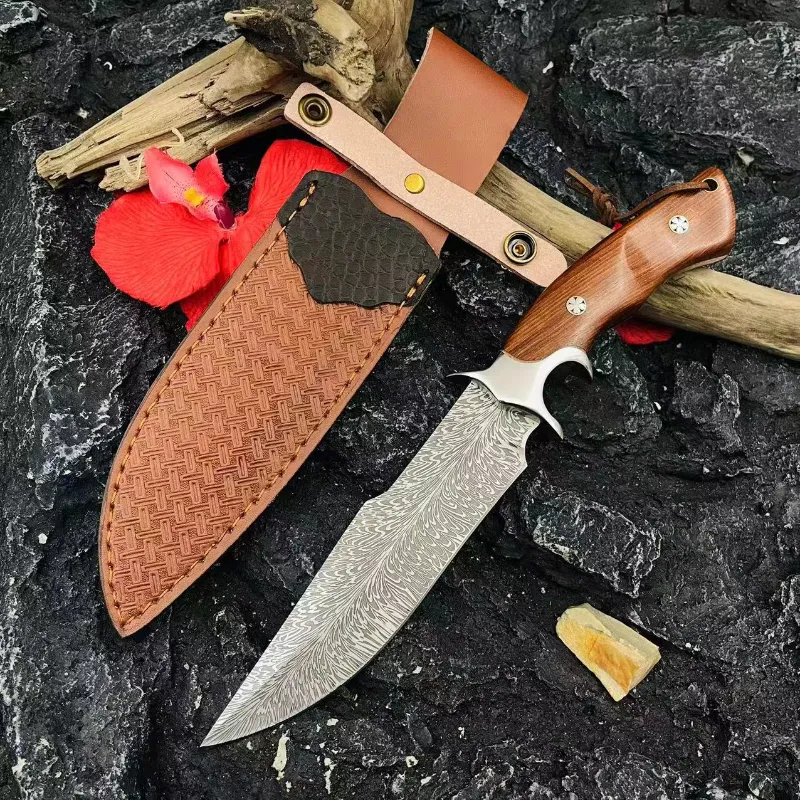
The core difference between kasumi knives and the Takumitak TKF318 comes down to steel type and hardness. Kasumi knives typically use vg10 steel, a stainless steel that balances edge retention with corrosion resistance and ease of sharpening. VG10 sits around 60-61 HRC (hardness), making it a middle-ground choice for home cooks and professionals who value maintainability.
The Takumitak TKF318 uses a different steel formula designed for higher hardness and longer edge life, though the exact composition depends on the specific model variant. If edge retention is your priority, check the exact steel used in your Takumitak model against VG10’s known performance benchmarks.
Testing edge retention fairly means using the knives the same way: same cutting board, same food (typically rolled paper or cardboard for standardized tests), and the same sharpening method afterward. In real kitchen use, how you store, cut, and sharpen your knife matters as much as the steel itself.
Understanding VG10 steel and why kasumi knives use it
VG10 steel is a Japanese stainless alloy created by Takefu Special Steel Co. It earned popularity in professional and home kitchens because it resists rust while staying relatively easy to sharpen. VG10 edges hold well for weeks of regular use, though not as long as harder specialty steels like VG-Max or carbon variants.
Kasumi knives chose VG10 to create a practical, durable tool that doesn’t demand expert sharpening skills or special equipment. The steel resists patina and discoloration better than pure carbon, and it won’t stain from acidic foods. For most home cooks, this trade-off between edge retention and low maintenance makes sense.
The downside: VG10 requires more frequent honing than ultra-hard steels, and it won’t take the razor-fine edge that carbon steel can achieve. If you’re willing to sharpen every 2-3 weeks of heavy use, you’ll keep your kasumi knives performing at their peak.
Blade geometry and how it affects sharpness
Beyond steel, blade angle and shape determine how long an edge stays sharp. Kasumi knives and the Takumitak TKF318 may have different blade geometries, the angle at which the blade meets the cutting surface. A 15-degree angle holds an edge longer than a 20-degree angle, but it’s also more delicate and prone to chipping on hard bones or frozen food.
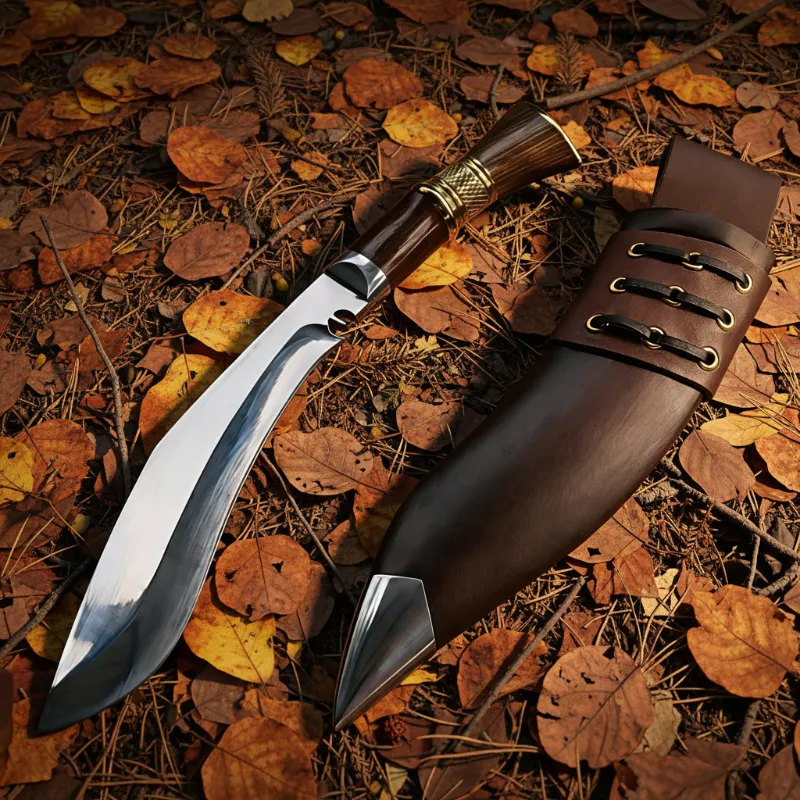
Japanese blade knife types often use shallower angles than Western knives, trading some durability for sharper initial performance. The japanese knife shapes guide can help you understand how gyutos, yanagibas, and santoku differ in geometry and edge retention.
When comparing kasumi knives to Takumitak, examine the spine-to-edge angle and whether either uses a double bevel or asymmetrical grind. These small details compound to real differences in how often you’ll need to sharpen.
Where to buy kasumi knives with the best price
Kasumi knives are available from multiple retailers, but pricing and availability vary. Check the latest price and grab our 10% OFF code to see current offers. You can also browse the official KASUMI – Nippon Knives site for the full range and specs, or check Kasumi Japan Reviews to see what other buyers report about durability and edge performance.
For the Takumitak TKF318, verify it’s in stock at your preferred retailer before comparing final prices, specialty Japanese knives can be hard to find. Some regions stock kasumi knives more readily, so availability may influence your decision as much as performance.
Kasumi knives vs Takumitak: maintenance and sharpening
Both kasumi knives and the Takumitak TKF318 need regular honing and occasional sharpening to maintain edge retention. VG10 steel in kasumi knives responds well to ceramic honing rods and whetstones, and most knife skills classes teach techniques that work with this steel.
- Hand wash and dry immediately to prevent water spots and corrosion.
- Hone every 2-4 weeks of regular use with a ceramic rod.
- Sharpen 2-4 times per year depending on cutting intensity, using a 1000-6000 grit whetstone.
- Store on a magnetic strip or in a knife block to protect the edge.
Takumitak knives may require different maintenance if they use harder steel, always check the maker’s guidelines. Harder blades hold edges longer but are tougher to sharpen at home without proper stones and technique.
Who should choose kasumi knives and who should pick Takumitak
Choose kasumi knives if you want a reliable, low-maintenance Japanese blade that doesn’t demand expert sharpening skills. VG10 steel offers real edge retention for home cooks and professionals who sharpen regularly but aren’t obsessive about it. Kasumi knives work well in busy kitchens where knives are used daily but cared for properly.
Choose the Takumitak TKF318 if you prioritize absolute edge retention and don’t mind more frequent or expert sharpening. Specialty steels hold edges longer between sharpenings, which pays off in high-volume kitchens or if you cut tough materials daily.
Test both if possible. Edge retention matters, but comfort, balance, and blade shape matter just as much. A knife you enjoy using will naturally get better maintenance, and that’s often more important than the steel itself.
The verdict on kasumi knives for edge retention
Kasumi knives deliver solid edge retention for the price and maintenance level required. VG10 steel is battle-tested in Japanese kitchens and favored by chefs who value practicality over extremes. If you compare kasumi knives to Takumitak, you’re choosing between different philosophies: kasumi knives balance performance with accessibility, while Takumitak may push harder on one attribute or another depending on the specific model.
For most home cooks and busy professionals, kasumi knives hold an edge long enough to outperform cheaper Western stainless options. See our discount code for 10% off kasumi knives and test one yourself. The best knife is the one you’ll actually maintain and use.
Questions
What steel does kasumi knives use, and how does it compare to other Japanese knives?
Kasumi knives typically use VG10 steel, a Japanese stainless alloy that balances edge retention with corrosion resistance and ease of sharpening. VG10 is easier to sharpen than harder specialty steels but doesn't hold an edge quite as long. It's a practical middle-ground popular in professional and home kitchens.
How often do I need to sharpen kasumi knives?
Most kasumi knives need sharpening 2-4 times per year depending on how much you use them, plus regular honing with a ceramic rod every 2-4 weeks. Daily heavy use in a professional kitchen may require more frequent sharpening than home kitchen use.
Are kasumi knives better than the Takumitak TKF318?
Neither is objectively better; it depends on your priorities. Kasumi knives offer easier maintenance and lower cost, while the Takumitak TKF318 may provide different steel or blade geometry optimized for specific tasks. Test both if possible to see which feels right for your cutting style.
Can I use a regular sharpening steel on kasumi knives?
Yes, a ceramic honing rod works well on VG10 steel used in kasumi knives. For actual sharpening (not just honing), a whetstone is more effective. Avoid using cheap pull-through sharpeners, which remove too much metal.
Where can I find kasumi knives for sale with the best price?
Check multiple retailers and use our 10% OFF discount code to compare current pricing.
Do kasumi knives come with a warranty or guarantee?
Warranty terms vary by retailer and specific model. Check the product listing or contact the seller directly to confirm what's covered, typically manufacturing defects rather than normal wear or sharpening damage.
Products in this guide
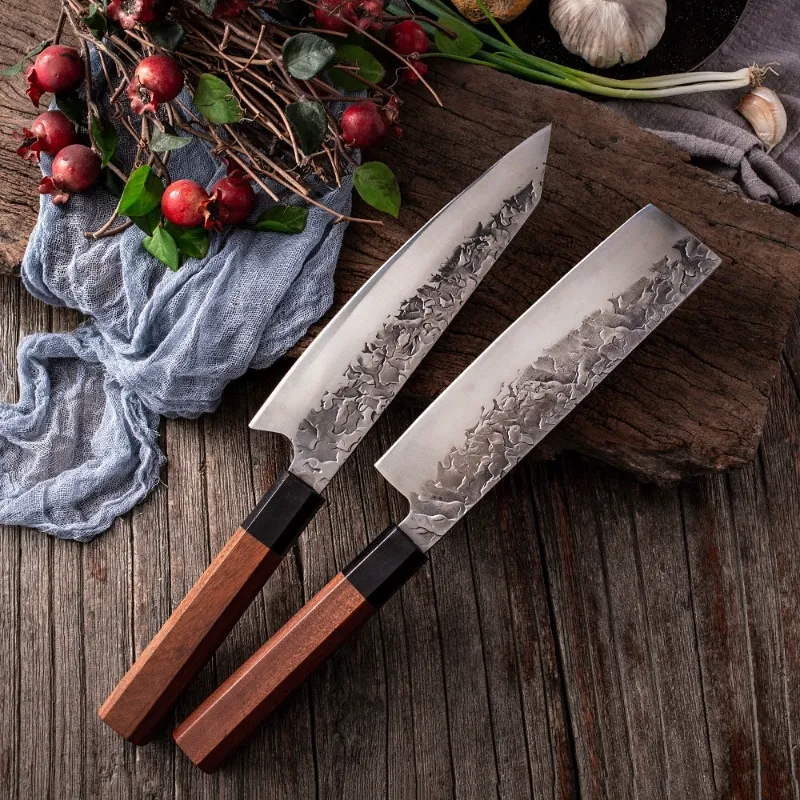 Shopping at Kasumi Knives? See the discount code
10% OFF Sitewide
Shopping at Kasumi Knives? See the discount code
10% OFF Sitewide
More in this series
Do Kasumi Kitchen Knives Need Special Care? A Maintenance Guide for VG10 Steel28 Aug 20265 min Japanese Knife Blade Types Explained: Santoku, Nakiri, Gyuto, and More28 Aug 20264 min
 Elvis Fishing Knife: Blade Steel, Design and Who It Suits28 Aug 20264 minHow to Choose the Right Japanese Knife Shape for Every Kitchen Task28 Aug 20265 minVG10 Steel Kitchen Knives: Why Japanese Chefs Choose This Blade Material28 Aug 20264 min