 A Kasumi Knives guide
Japanese Knife Blade Types Explained: Santoku, Nakiri, Gyuto, and More
Understanding blade knife types—from santoku to gyuto—helps you pick the right Japanese knife for your kitchen tasks.
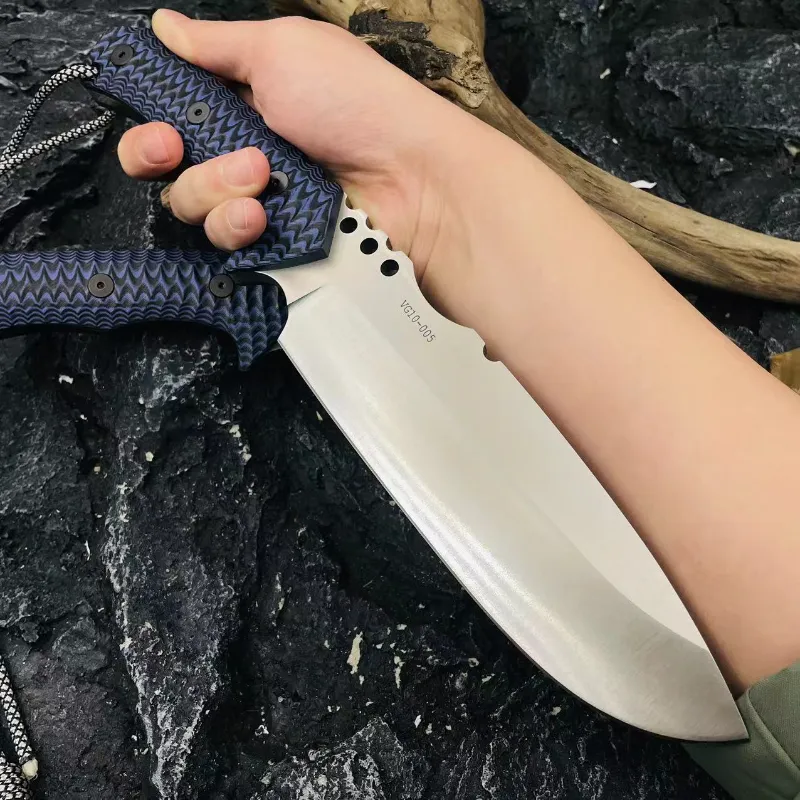
Japanese blade knife types each solve a specific cutting problem, and knowing the difference means sharper results and less frustration in the kitchen. Whether you’re slicing vegetables, breaking down fish, or prepping meat, the right blade shape and steel make all the difference. We’ll walk you through the most useful types of knife blades, from the legendary santoku to specialized fishing and utility shapes.
Understanding Japanese Blade Knife Types and Their Purpose
The main blade knife types in Japanese cooking fall into a few core categories, each optimized for different tasks. A santoku excels at precise vegetable slicing and boneless proteins. A nakiri handles leafy greens and vegetables with a wide, flat blade. A gyuto is the closest thing to a Western chef’s knife, handling most general prep work. Beyond the kitchen, specialized tools like the elvis fishing knife or roman hammer show how blade design adapts to specific jobs.
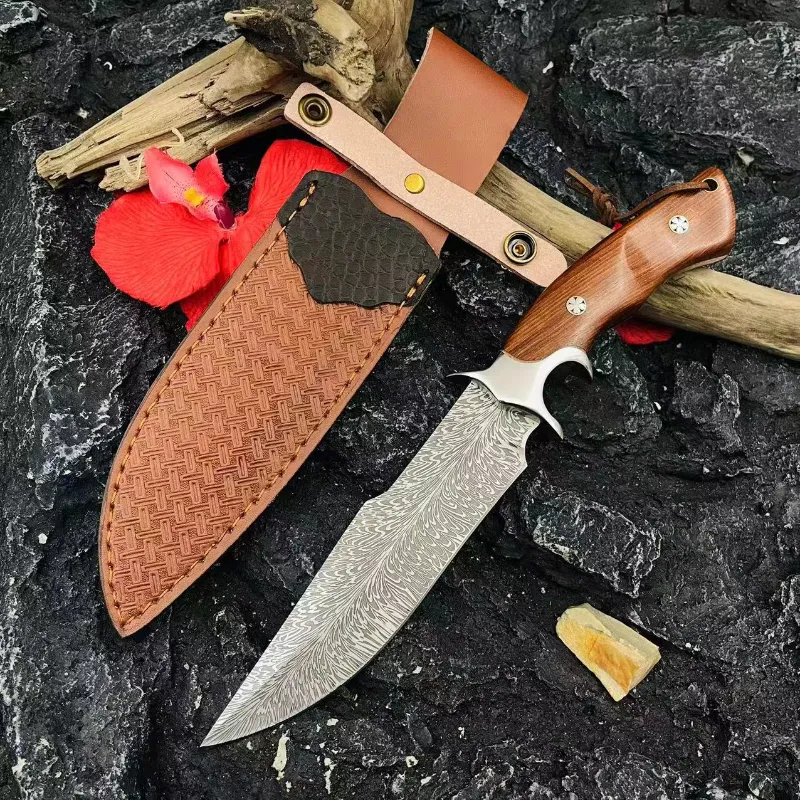
Understanding blade knife types also means learning about steel and edge geometry. Kasumi knives often feature vg10 steel: a stainless option that balances edge retention with corrosion resistance, making them accessible for home cooks who value low maintenance. The steel choice and blade angle work together to determine how well a knife cuts.
Comparing Major Japanese Blade Shapes and Uses
Each Japanese knife shape has a reason. Here’s how the main blade knife types compare:
| Blade Type | Best For | Blade Length | Key Feature |
|---|---|---|---|
| Santoku | Vegetables, fish, boneless meat | 5-7 inches | Flat edge with slight curve; precise slicing |
| Nakiri | Vegetables, leafy greens | 5-7 inches | Wide rectangular blade; flat bottom edge |
| Gyuto | General prep; proteins and vegetables | 8-10 inches | Curved blade similar to Western chef’s knife |
| Deba | Fish and poultry | 5-8 inches | Thick triangular blade; heavy duty |
| Yanagiba | Slicing raw fish | 8-12 inches | Long, thin, single-beveled blade |
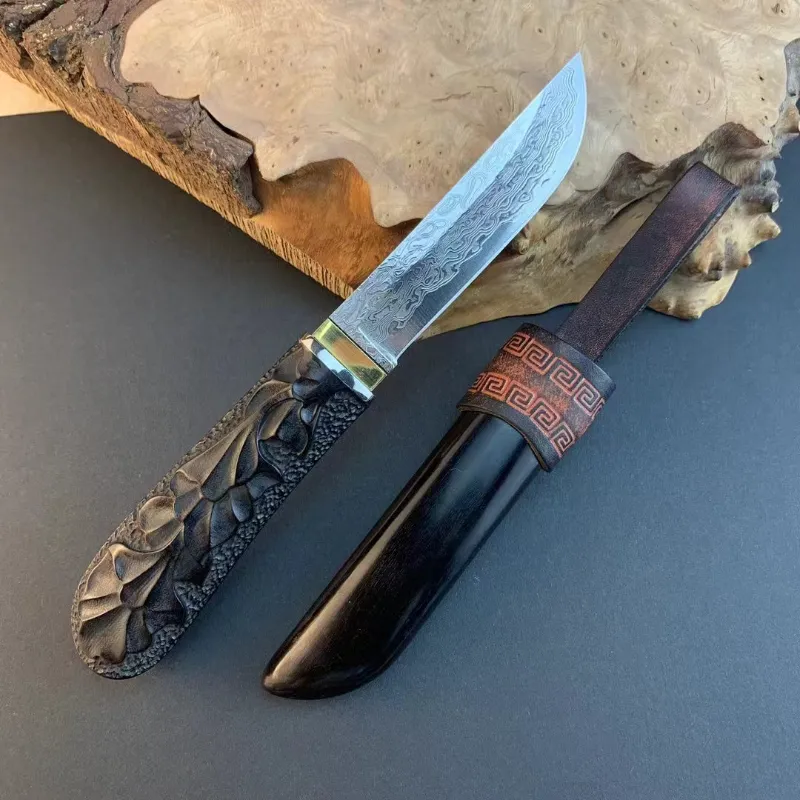
The santoku remains the most popular blade knife types for home use because it handles 90% of prep tasks without requiring specialized technique. Takumitak tkf318 models showcase this versatility, offering dependable performance for everyday cooking. Elmo knives and other mid-range brands make these shapes affordable without sacrificing core functionality.
Blade Steel and Cutting Performance
The steel inside the blade determines how long your edge lasts and how easy it is to maintain. Vg10 steel is one of the most popular choices for blade knife types because it holds an edge reasonably well while resisting rust. It’s stainless enough for everyday washing yet hard enough for precise cutting.
Other common steels for Japanese blade knife types include:
- VG10: Balanced stainless, moderate edge retention, corrosion resistant
- SG2 (Super Gold 2): Harder, sharper edge, requires more care
- Stainless clad: Core steel with stainless sides, combining edge and ease of care
- Blue steel: Traditional carbon steel, very sharp but needs regular maintenance
Choosing the right steel depends on your comfort with maintenance. Home cooks often gravitate toward kasumi knives with VG10 because the trade-off between sharpness and practicality feels balanced. Check the latest pricing and grab our 10% OFF code if you’re ready to invest in a quality blade.
Unusual and Specialized Blade Knife Types
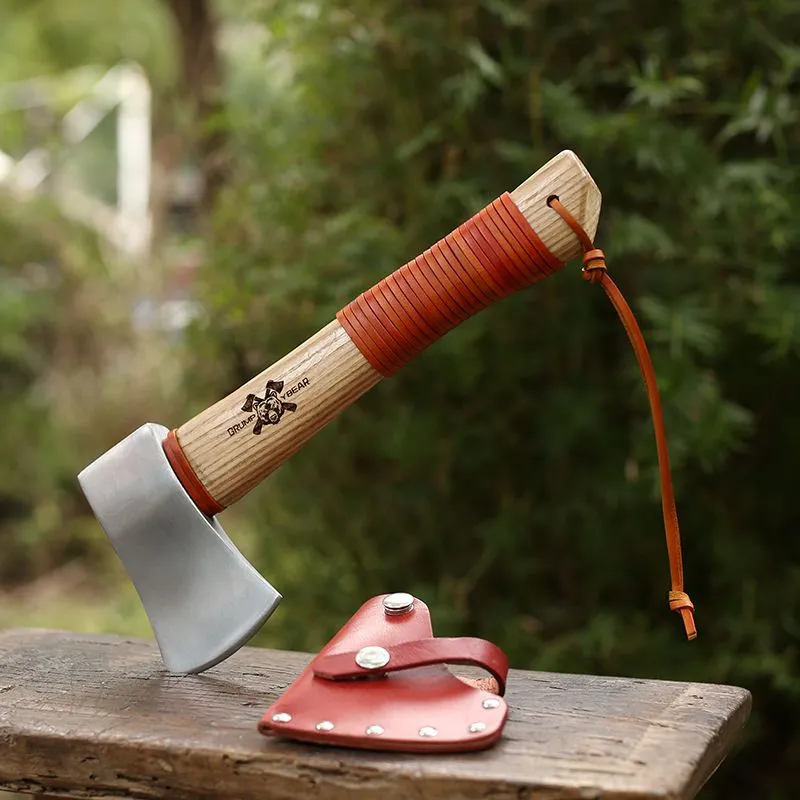
Beyond standard kitchen knives, blade knife types expand into specialized roles. Fishing blades like the elvis fishing knife feature a different edge geometry optimized for filleting and scaling. Utility tools like the roman hammer and neeman tools showcase how blade shape adapts to specific trades and tasks.
For reference, consult visual guides like the Knife Blade Shapes Chart: Types of Blades & Uses to see how minor differences in curve, point angle, and edge thickness affect performance. Understanding these variations helps you appreciate why a kitchen knife looks nothing like a fishing or utility blade, each design solves its own problem.
Blade Edge Geometry and Cutting Angles
The angle at which a blade meets its edge changes everything. Most Japanese blade knife types use a 15-20 degree angle per side, which produces a sharper, thinner edge than Western knives (typically 20-22 degrees per side). This geometry is why Japanese knives feel so responsive during slicing tasks but also require a bit more care to avoid rolling the edge.
Single-bevel blades, common on specialized tools, concentrate the cutting angle on one side, creating an even sharper edge for very specific cuts. Types of knife blades include both double-bevel (most common) and single-bevel options, each with its own sharpening rhythm. If you’re new to maintaining Japanese steel, a Kasumi knife with a discount code offers a forgiving entry point into the ecosystem.
Choosing the Right Blade Knife Types for Your Needs
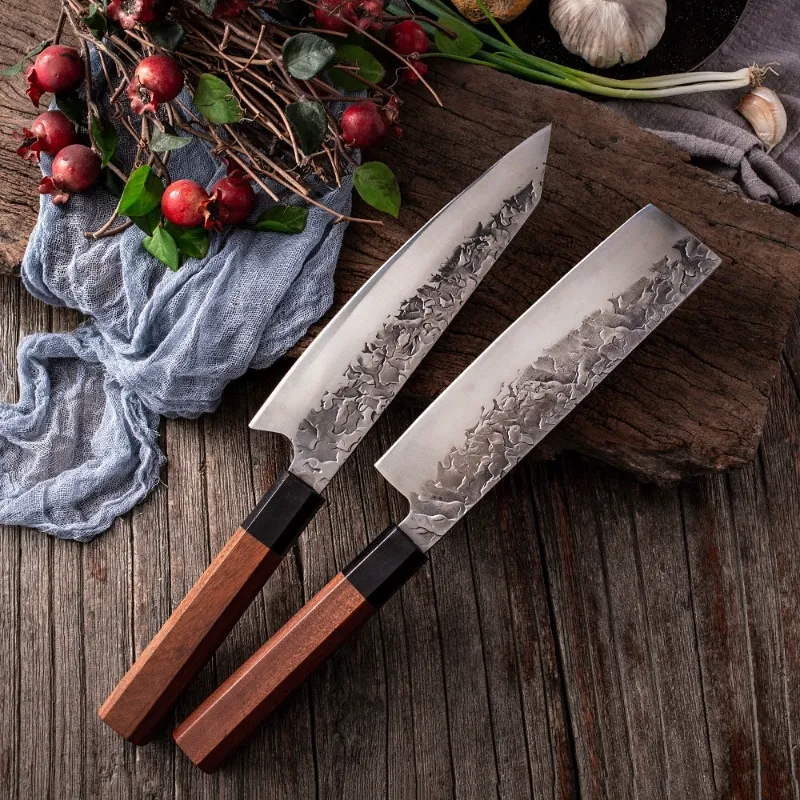
Start by asking what tasks dominate your prep work. If you’re mostly slicing vegetables and boneless proteins, a santoku covers your bases. If you butcher whole chickens or break down fish regularly, a deba handles the structural work. For general, everyday cooking, japanese knife shapes like the gyuto replicate what a Western chef’s knife does but with Japanese edge geometry and steel.
Consider your maintenance comfort level. Carbon steel blade knife types hold incredible edges but rust easily. Stainless or semi-stainless options like those made with vg10 steel reduce that burden. Brand choice matters too: takumitak tkf318 models and elmo knives deliver solid mid-range performance without designer pricing.
Caring for Japanese Blade Knife Types
Once you’ve chosen your blade knife types, longevity depends on basic care. Hand wash immediately after use; dishwashers dull edges and invite corrosion. Store blades in a block, on a magnetic strip, or with blade guards, never loose in a drawer.
Sharpen regularly using a whetstone, honing steel, or professional service. Japanese blade knife types respond beautifully to whetstones and stay sharp longer than most Western knives, but they do need attention. A dull edge not only cuts poorly but can slip and cause injury.
For specifics on maintenance, the Knife Blade Shapes Guide: Types, Uses & How to Choose covers storage and upkeep in detail. If you’re considering a new set, explore what kasumi knives or comparable brands offer, then check our coupon page for 10% OFF sitewide to make your purchase count.
Questions
What are the most common blade knife types for home cooking?
The santoku, nakiri, and gyuto are the three most useful blade knife types for most home cooks. A santoku handles vegetables and boneless proteins, a nakiri excels at greens and slicing, and a gyuto works as an all-purpose general knife. Starting with one of these covers the majority of everyday tasks.
What is VG10 steel and why does it matter for blade knife types?
VG10 steel is a stainless steel that balances sharpness with corrosion resistance, making it ideal for blade knife types that see regular use and washing. It holds an edge well enough for precise cutting while being forgiving enough for home cooks who prefer lower maintenance.
How do I choose between different blade knife types for my kitchen?
Consider what you prepare most often. If vegetables dominate, a santoku or nakiri is ideal. If you handle proteins and need versatility, a gyuto is more useful. Also think about maintenance: stainless or semi-stainless blade knife types require less care than pure carbon steel.
Can I use one blade knife types for all my kitchen tasks?
A gyuto or santoku can handle most general prep work, so one quality blade covers most needs. However, specialized blade knife types like a deba for fish or a nakiri for vegetables improve speed and results when those tasks are frequent.
What makes Japanese blade knife types different from Western knives?
Japanese blade knife types typically use a sharper edge angle (15-20 degrees versus 20-22 degrees), harder steel, and flatter blade profiles. This geometry produces exceptional slicing performance but requires a bit more care during storage and sharpening.
How often should I sharpen blade knife types made with VG10 steel?
Most home cooks sharpen VG10 blade knife types every 6-12 months with regular use, depending on cutting volume and technique. A honing steel used every few weeks helps maintain edge alignment between sharpenings, extending the time between full sharpening sessions.
Products in this guide


 Shopping at Kasumi Knives? See the discount code
10% OFF Sitewide
Shopping at Kasumi Knives? See the discount code
10% OFF Sitewide
More in this series
Do Kasumi Kitchen Knives Need Special Care? A Maintenance Guide for VG10 Steel28 Aug 20265 minElvis Fishing Knife: Blade Steel, Design and Who It Suits28 Aug 20264 minHow to Choose the Right Japanese Knife Shape for Every Kitchen Task28 Aug 20265 minKasumi Knives vs Takumitak TKF318: Which Japanese Knife Holds an Edge Longer28 Aug 20264 minVG10 Steel Kitchen Knives: Why Japanese Chefs Choose This Blade Material28 Aug 20264 min