 A Kasumi Knives guide
Do Kasumi Kitchen Knives Need Special Care? A Maintenance Guide for VG10 Steel
VG10 steel in Kasumi kitchen knives demands specific care to maintain its edge and prevent corrosion, but the routine is simpler than you might think.
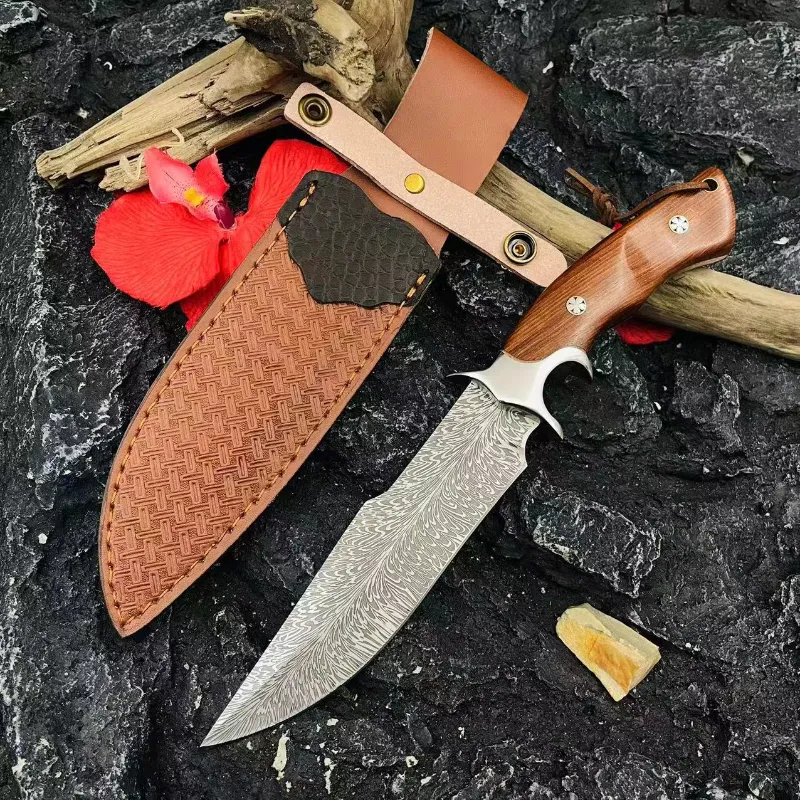
VG10 steel in Kasumi kitchen knives demands specific care to maintain its edge and prevent corrosion, but the routine is simpler than you might think. Kasumi knives are built from VG-10, a Japanese stainless steel that balances edge retention with corrosion resistance. Unlike harder stainless alloys, vg10 steel responds well to proper maintenance and rewards careful handling with years of reliable cutting.
The good news: you don’t need specialized equipment or expensive treatments. Regular hand-washing, proper storage, and occasional sharpening keep vg10 steel performing like the day it arrived. This guide walks through everything Kasumi knife owners need to know to protect their investment and keep their blades sharp.
Why VG10 Steel Needs Different Care Than Other Kitchen Knife Steels
VG-10 Steel sits in the middle ground of kitchen knife materials. It’s harder than softer stainless steels like 440C, making it hold an edge longer, but it’s more reactive to moisture and acidic foods than harder, less corrosion-prone options. The vg10 steel composition includes cobalt and vanadium, which boost edge retention and toughness, but also make it slightly more prone to staining if neglected.
Compared to alternatives like S35VN or MagnaCut, vg10 steel is gentler on sharpening stones and easier to maintain at home. The trade-off is that it requires consistent care. If you’re used to dishwasher-safe knives, vg10 steel demands a different mindset. The effort is minimal, but it’s non-negotiable.
Grab the code to save 10% on Kasumi knives and get started with the right steel.
Cleaning and Drying: The Daily Routine

Hand-wash vg10 steel blades immediately after use. Never soak Kasumi knives, and keep them out of the dishwasher. Hot water and a soft sponge are enough; avoid abrasive scrubbers that can scratch the blade.
The critical step: dry the blade completely before storing it. Water left on vg10 steel will cause staining within hours. Use a clean cloth and wipe the blade from spine to edge, not along the blade. This direction keeps your fingers safe and removes water thoroughly.
For stubborn discoloration, a soft cloth dampened with white vinegar will lift surface stains. Wipe gently and rinse with water immediately, then dry completely. Don’t let vinegar sit on the steel; it’s acidic and vg10 steel will show etching if exposed too long.
If you handle acidic ingredients like citrus, tomatoes, or vinegar, clean the blade right after use. Vg10 steel won’t pit or rust like carbon steel, but acid can cause discoloration that’s harder to remove later.
Storage: Keep Vg10 Steel Dry and Protected
Store kasumi knives in a knife block, magnetic strip, or blade guard, never loose in a drawer. The blade needs physical protection and an environment where air can circulate. Moisture trapped under a closed sheath will promote staining.
A magnetic strip mounted on your wall or counter works well if your kitchen stays relatively dry. Knife blocks are fine too, as long as you clean out any crumbs or debris that collects inside. Every few weeks, pull the knives out and wipe the block dry.
Humidity is the enemy of vg10 steel. In damp climates, a kitchen with poor ventilation can cause discoloration within weeks. If you live near the coast or in a very humid area, check your Kasumi knives weekly and wipe them dry even when you’re not using them. A silica gel packet near your storage spot can help manage moisture.
Don’t store Kasumi knives near the stove where steam rises, and keep them away from windows where temperature swings can happen. Stable, dry conditions protect the steel.
Sharpening and Honing: Keeping the Edge Alive
Vg10 steel holds an edge well but does dull with use. Most home cooks sharpen Kasumi knives every 3 to 6 months, depending on frequency and cutting style. A 1000-grit whetstone is a good starting point; pair it with a 4000 or 6000-grit stone for finishing.
If whetstones intimidate you, a ceramic honing rod works between sharpenings. Run the blade gently along the rod at a 15-degree angle, a few passes per side. This realigns the vg10 steel edge without removing metal. Honing keeps the knife cutting longer between full sharpenings.
Never use a steel rod on Kasumi knives; the motion and pressure can damage vg10 steel’s finer edge. Ceramic rods or honing steels designed for Japanese knives are gentler.
When the blade finally dulls beyond honing, a professional sharpening service is worth the cost if you’re uncomfortable with whetstones. They’ll return vg10 steel to factory sharpness and cost far less than replacing the knife.
Avoiding Damage to Vg10 Steel Blades
Kasumi knives are food-prep tools, not general-purpose cutlery. Don’t use them on bone, frozen food, or anything outside the kitchen. Vg10 steel can chip or crack if flexed hard against hard surfaces.
Cut on wood or plastic boards only. Glass, marble, and ceramic will dull vg10 steel instantly and can chip the edge. Your board choice directly affects how often you need to sharpen.
Don’t leave Kasumi knives soaking in water, and don’t store them in the same drawer as other utensils. Bumping against forks, spoons, or other tools will damage the vg10 steel edge and can scratch the blade surface.

If you have blade knife types or different Japanese knife shapes in your collection, each deserves its own storage space. Japanese knife shapes vary, a gyuto (chef’s knife), nakiri, or yanagiba all need protection.
Comparing Vg10 Steel to Other Options
If you’re deciding whether Kasumi knives suit your needs, here’s how vg10 steel stacks up:
| Steel | Edge Retention | Corrosion Resistance | Ease of Sharpening | Maintenance |
|---|---|---|---|---|
| VG10 | Good | Very Good | Easy | Regular |
| 440C | Fair | Good | Easy | Minimal |
| S35VN | Very Good | Excellent | Harder | Moderate |
| MagnaCut | Excellent | Excellent | Harder | Minimal |
Vg10 steel wins if you want a balance between edge-holding and home maintenance. If you prefer minimal care, harder stainless options require less attention but demand serious sharpening equipment. Check the latest price on Kasumi knives and see which fits your routine.
Who Should Choose Kasumi Knives with Vg10 Steel
Vg10 steel in Kasumi knives suits home cooks who prepare food daily and don’t mind a brief maintenance routine. If you already hand-wash your good cookware and store it thoughtfully, the care is natural.
Professional or commercial kitchens often choose harder, more corrosion-resistant steels because turnover is fast and downtime costs money. Home cooks can afford the slightly higher maintenance load because they use the same knife regularly and know its quirks.
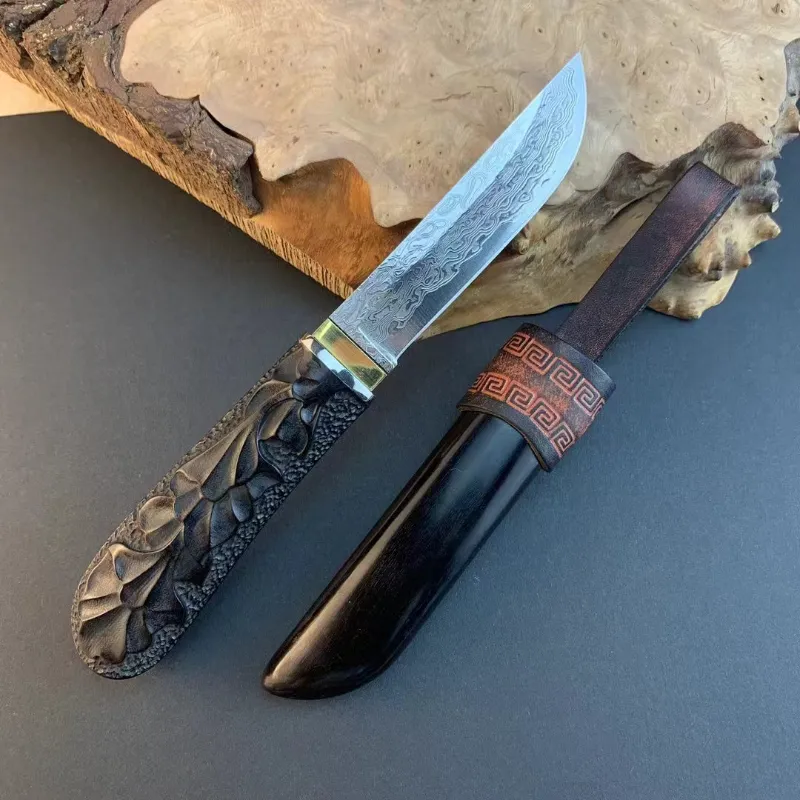
Beginners benefit from vg10 steel’s forgiveness and easier sharpening. The takumitak tkf318 or other Kasumi models won’t punish you if you’re learning knife skills or haven’t sharpened by hand before. As you grow more comfortable, the maintenance becomes second nature.
If you’re between Kasumi knives and other brands, remember that vg10 steel is specifically engineered for kitchen work. It’s not the hardest or most stain-resistant option, but it’s reliable, familiar to Japanese knife makers, and proven across decades of use.
Questions
Can I put Kasumi knives with vg10 steel in the dishwasher?
No. Dishwashers expose vg10 steel to prolonged moisture, high heat, and bumping against other items, all of which cause staining, corrosion, and edge damage. Hand-wash and dry immediately every time.
How often should I sharpen a vg10 steel kitchen knife?
Most home cooks sharpen every 3 to 6 months depending on use. Between sharpenings, use a ceramic honing rod to maintain the edge. If you cook daily, plan for 3 to 4 months; lighter use stretches to 6.
What's the difference between vg10 steel vs 440c for kitchen knives?
VG10 steel holds an edge longer and is easier to sharpen at home, but requires consistent maintenance. 440C is more forgiving and requires less care, but dulls faster. Kasumi knives use vg10 steel for better kitchen performance.
Why is my Kasumi knife staining if it's stainless steel?
VG10 steel is stainless-resistant, not stainless-proof. Moisture left on the blade, acidic foods, or humid storage causes discoloration. Dry immediately after washing and store in a dry spot to prevent staining.
Can I use a steel rod to hone vg10 steel blades?
Steel rods are too aggressive for vg10 steel. Use a ceramic honing rod instead, which realigns the edge gently without removing metal or damaging the fine vg10 steel edge.
What surfaces are safe to cut on with Kasumi vg10 steel knives?
Wood and plastic cutting boards only. Glass, marble, ceramic, and stone will dull vg10 steel instantly and can chip the blade. Your board choice directly affects sharpening frequency.
Products in this guide
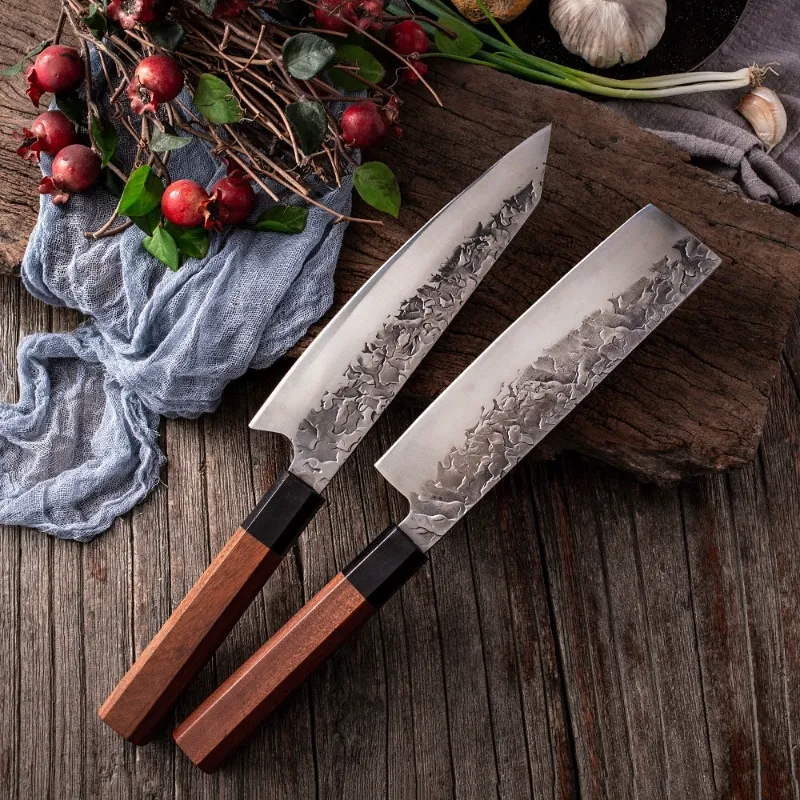 Shopping at Kasumi Knives? See the discount code
10% OFF Sitewide
Shopping at Kasumi Knives? See the discount code
10% OFF Sitewide
More in this series
 Japanese Knife Blade Types Explained: Santoku, Nakiri, Gyuto, and More28 Aug 20264 min
 Elvis Fishing Knife: Blade Steel, Design and Who It Suits28 Aug 20264 minHow to Choose the Right Japanese Knife Shape for Every Kitchen Task28 Aug 20265 minKasumi Knives vs Takumitak TKF318: Which Japanese Knife Holds an Edge Longer28 Aug 20264 minVG10 Steel Kitchen Knives: Why Japanese Chefs Choose This Blade Material28 Aug 20264 min