 A Kasumi Knives guide
How to Choose the Right Japanese Knife Shape for Every Kitchen Task
Japanese knife shapes determine how well a blade performs at every kitchen task, and choosing the right one makes a genuine difference in your cooking.
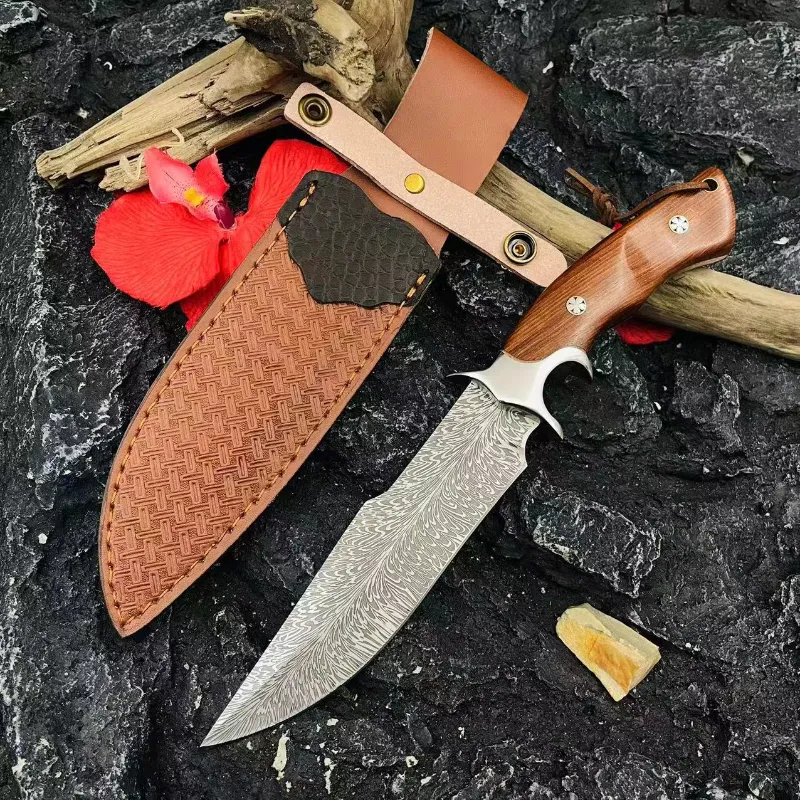
Japanese knife shapes determine which tasks a blade handles well, and picking the wrong shape wastes both money and effort. Whether you are building your first serious kitchen kit or adding a specialist blade, this guide walks through every major profile, the steel behind them, and which kasumi knives deliver the best value right now.
Why Japanese Knife Shapes Are Different From Western Blades
Western knives are almost always double-beveled with a thick spine and a rounded belly. Japanese designs take a different philosophy: thinner stock, harder steel, and a geometry tuned to one specific cutting motion. That single-minded approach produces blades that are lighter, more precise, and sharper out of the box, but it also means the shape you choose matters more than it would with a European chef’s knife.
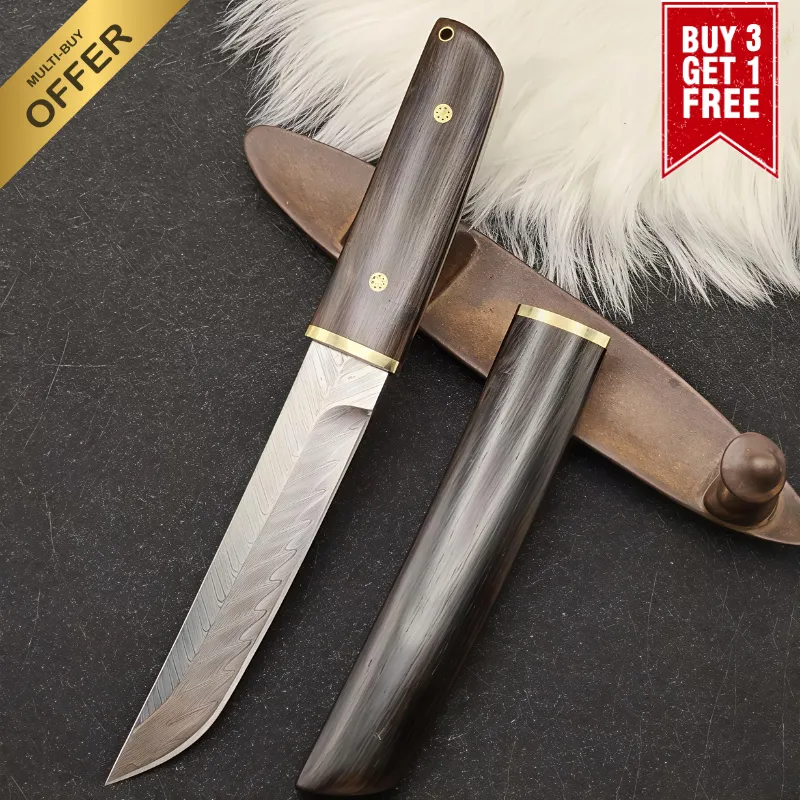
The steel choice reinforces this. Most premium Japanese blades use vg10 steel, a high-carbon stainless alloy that holds an edge long enough to justify the investment in the right profile. For a deeper look at how blade steel affects everyday performance, the team at knife-life.jp covers Japanese knife types and materials in thorough detail.
The Core Japanese Knife Styles and Uses
Understanding the most common profiles is the fastest way to match a blade to your workflow. Here is a quick reference before we dig into each shape:
| Shape | Primary Task | Bevel | Best For |
|---|---|---|---|
| Gyuto | General purpose | Double | Home cooks, professionals |
| Santoku | Chopping, slicing | Double | Everyday vegetable work |
| Nakiri | Vegetable prep | Double | Push-cutting technique |
| Deba | Breaking down fish/poultry | Single | Fish butchery |
| Kiritsuke | Slicing, push-cutting | Single or double | Experienced cooks |
| Yanagiba | Thin sushi slices | Single | Raw fish presentation |
Gyuto is the Japanese answer to the Western chef’s knife. The long, curved belly suits rocking cuts and is the most versatile shape in the list.
Japanese knife santoku translates roughly to “three virtues,” covering meat, fish, and vegetables. Its flat profile and shorter length suit cooks who prefer a push-cut or chop rather than a rocking motion.
Nakiri has a rectangular blade and a blunt tip, which makes it ideal for thin, consistent vegetable slices with zero wasted motion.
Japanese knife deba is a thick, single-bevel blade built for breaking down whole fish and jointing poultry. It is not a slicer; the weight does the work.
Japanese knife kiritsuke is a hybrid between a gyuto and a yanagiba. The angled tip and flatter profile reward experienced cooks who have already mastered push-cutting. It looks striking but demands technique.
Yanagiba is the sushi chef’s primary tool: a long, narrow, single-bevel blade that pulls through raw fish without tearing the flesh.
How to Read Blade Knife Types Before You Buy
Before committing to any shape, check these three variables:
- Bevel: Single-bevel blades (deba, yanagiba) are sharpened on one side only. They produce cleaner cuts on fish and are traditionally right-handed. Double-bevel blades work for either hand.
- Length: Longer blades reduce the number of strokes on large produce or proteins. Shorter blades give more control for detail work.
- Grind: A hollow grind reduces drag through food. A convex grind adds durability. A flat grind splits the difference.
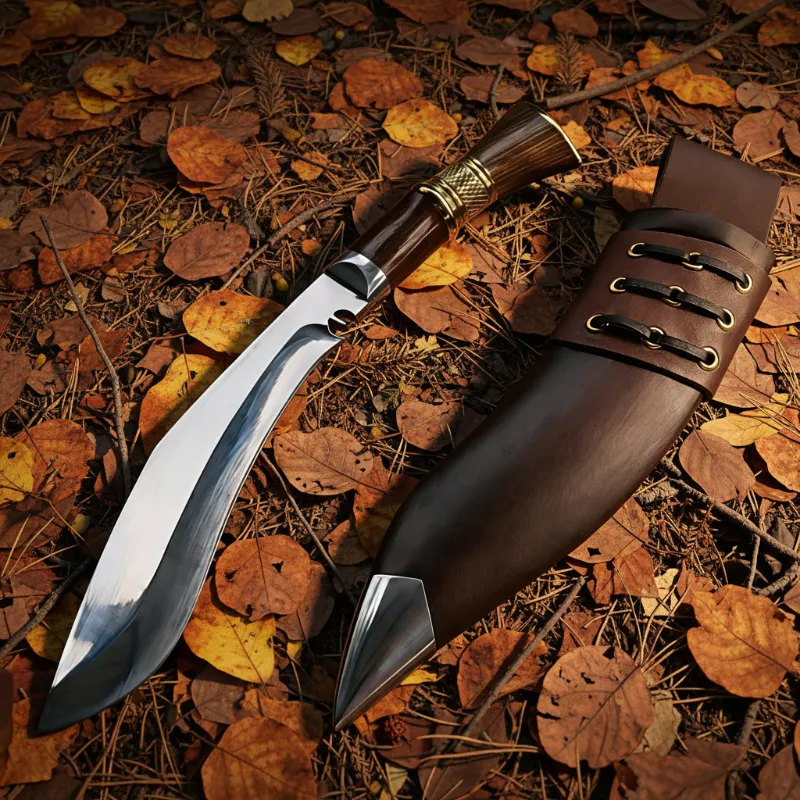
Our blade knife types guide covers these variables in plain language if you want to compare profiles side by side before buying. For an authoritative walkthrough of how each shape is traditionally used, mygoodknife.com’s Japanese kitchen knives guide is a solid reference.
Spotlight: Takumitak TKF318 and Elmo Knives
Two products from the store are worth calling out by name because they reflect different ends of the Japanese knife market.
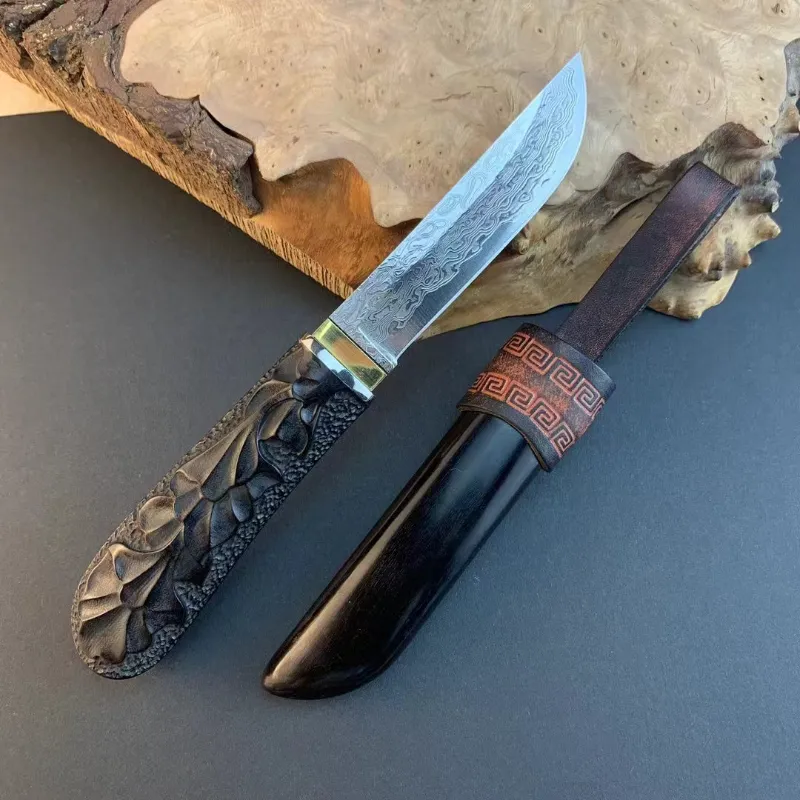
The takumitak tkf318 is a precision-forged blade that demonstrates what a properly ground Japanese profile feels like in everyday use. If you are evaluating a gyuto-style shape for the first time, it is a practical starting point.
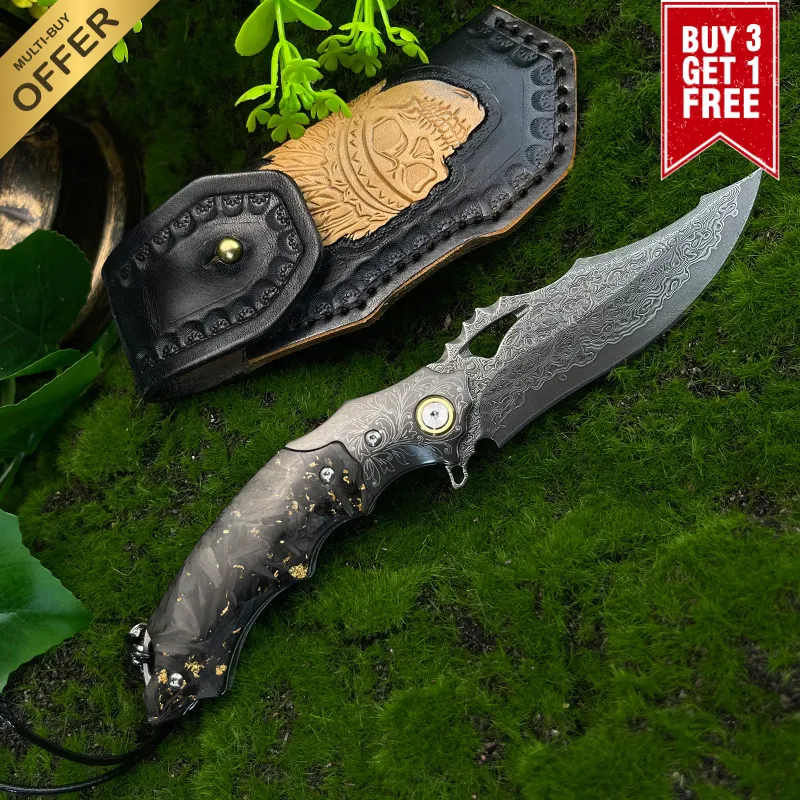
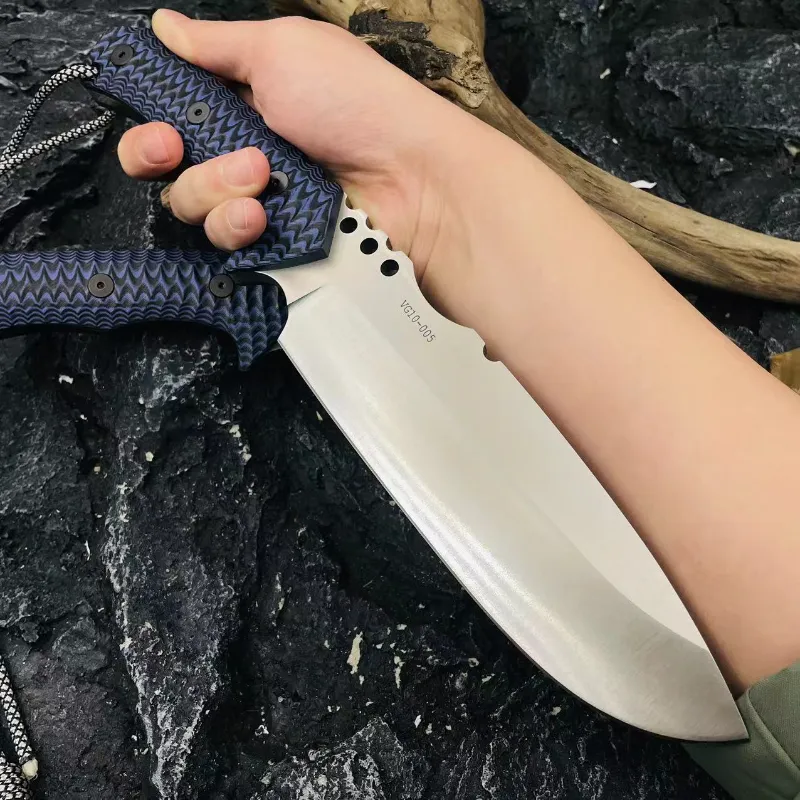
Elmo knives sit in a different category, favoring a more robust geometry that borrows from Japanese knife styles and uses them in tougher prep scenarios. Think breaking down larger cuts of meat where a lightweight yanagiba would be the wrong call.
Both are available through Kasumi Knives’ current lineup. If you want to see what the store is offering alongside a discount, check the latest price and grab the code before you decide.
Types of Japanese Knives Material: What the Steel Tells You
Shape only matters if the steel supports it. The three most common materials you will encounter are:
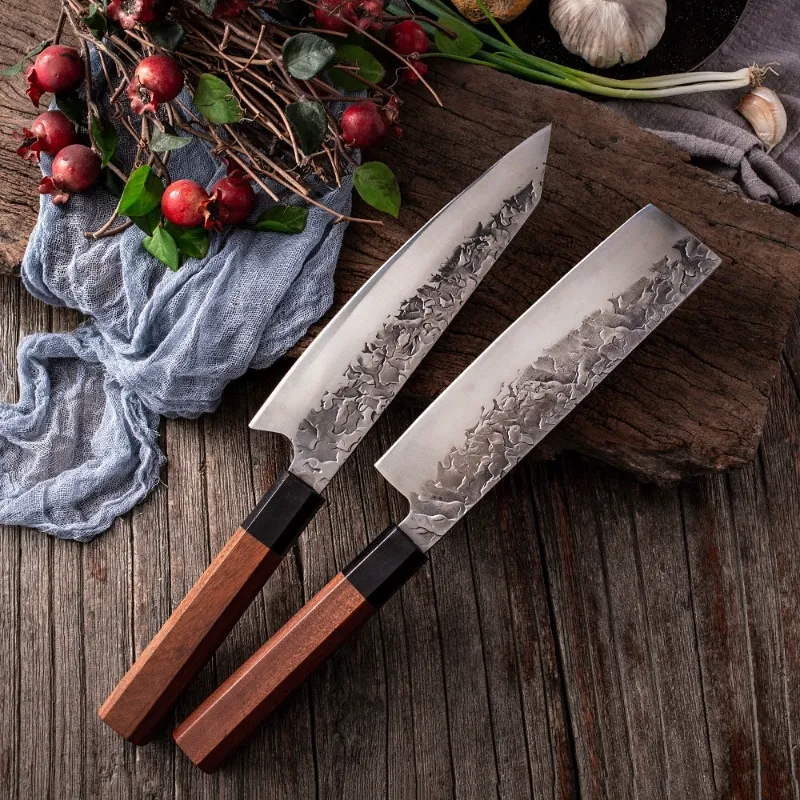
- VG10 stainless: Hard enough for a very fine edge, resistant to corrosion, easier to maintain than carbon steel. The most popular choice in quality japanese knife shapes sold in Western markets.
- White steel (Shirogami): Extremely hard, very sharp, but requires drying after every use. Preferred by traditionalists.
- Blue steel (Aogami): White steel with added tungsten and chromium for better edge retention and slightly more stain resistance.
For most home cooks, VG10 is the practical answer. It sharpens on a standard whetstone, resists the humidity of a busy kitchen, and holds its edge through regular use without the maintenance burden of carbon steel.
Matching the Right Shape to Your Cooking Style
Use these quick guidelines to narrow your choice:
- You cook everything — Start with a gyuto (210 mm is the sweet spot) or a santoku if you prefer a shorter blade.
- You cook mostly vegetables — A nakiri will change your prep routine immediately.
- You break down whole fish regularly — A deba is non-negotiable. Do not use a gyuto for this task.
- You make sushi or sashimi at home — A yanagiba gives you the presentation quality that other blades cannot match.
- You are an experienced cook wanting one do-everything blade — The kiritsuke rewards the investment, but practice the push-cut first.
If you are still deciding between the types of knife blades available, a simple rule applies: buy the shape that matches your most frequent task first, then add specialist blades as your cooking develops.
Caring for Japanese Blades After Purchase
- Hand-wash only. Dishwashers destroy the edge geometry and the handle.
- Dry immediately after washing. Even stainless steel benefits from this habit.
- Use a wooden or plastic cutting board. Glass and ceramic boards chip the edge.
- Sharpen on a whetstone rather than a honing rod. Japanese blades are too hard for pull-through sharpeners.
- Store on a magnetic strip or in a blade guard, never loose in a drawer.
With the right care, a quality Japanese blade will hold its edge for months of regular use before it needs a full sharpening session. When you are ready to buy, use our code at Kasumi Knives to get the current sitewide discount applied at checkout.
Questions
What are the most common japanese knife shapes for home cooks?
The gyuto and the santoku cover the vast majority of home cooking tasks. The gyuto suits rocking cuts and general prep, while the santoku is better for push-cutting through vegetables and boneless proteins.
What is the difference between a deba and a kiritsuke?
A deba is a thick, single-bevel blade built specifically for breaking down whole fish and poultry joints. A kiritsuke is a hybrid slicer with an angled tip that suits experienced cooks doing fine prep work; it is not suited for the heavy chopping a deba handles.
Is VG10 steel a good choice for Japanese kitchen knives?
VG10 steel is one of the most practical choices available because it combines a high hardness level with meaningful stain resistance. It sharpens well on a whetstone and suits everyday kitchen use without the intensive maintenance that traditional carbon steels require.
Can the Takumitak TKF318 handle everyday kitchen prep?
Yes, the Takumitak TKF318 is designed for regular kitchen use and reflects the precision geometry you expect from a quality Japanese-style blade. It is a solid starting point if you are moving from a Western chef's knife to a Japanese profile for the first time.
Do I need a single-bevel knife, or will a double-bevel work for most tasks?
Double-bevel blades work for the majority of kitchen tasks and are easier to sharpen and use with either hand. Single-bevel knives like the deba or yanagiba are specialist tools worth buying only when you regularly prepare whole fish or want sushi-grade presentation cuts.
How do I find the current discount for Kasumi Knives?
The store runs a sitewide discount that changes periodically. Check our Kasumi Knives discount code page for the latest offer and instructions on how to apply it at checkout.
Products in this guide
 Shopping at Kasumi Knives? See the discount code
10% OFF Sitewide
Shopping at Kasumi Knives? See the discount code
10% OFF Sitewide
More in this series
Do Kasumi Kitchen Knives Need Special Care? A Maintenance Guide for VG10 Steel28 Aug 20265 minJapanese Knife Blade Types Explained: Santoku, Nakiri, Gyuto, and More28 Aug 20264 min Elvis Fishing Knife: Blade Steel, Design and Who It Suits28 Aug 20264 minKasumi Knives vs Takumitak TKF318: Which Japanese Knife Holds an Edge Longer28 Aug 20264 minVG10 Steel Kitchen Knives: Why Japanese Chefs Choose This Blade Material28 Aug 20264 min