 A Kasumi Knives guide
Elvis Fishing Knife: Blade Steel, Design and Who It Suits
The elvis fishing knife delivers the durability and edge retention serious anglers need for consistent performance on the water.
The elvis fishing knife delivers the durability and edge retention serious anglers need for consistent performance on the water. Built for the specific demands of fillet work, scaling, and handling saltwater conditions, this knife combines smart design with practical materials.
What Makes the Elvis Fishing Knife Stand Out
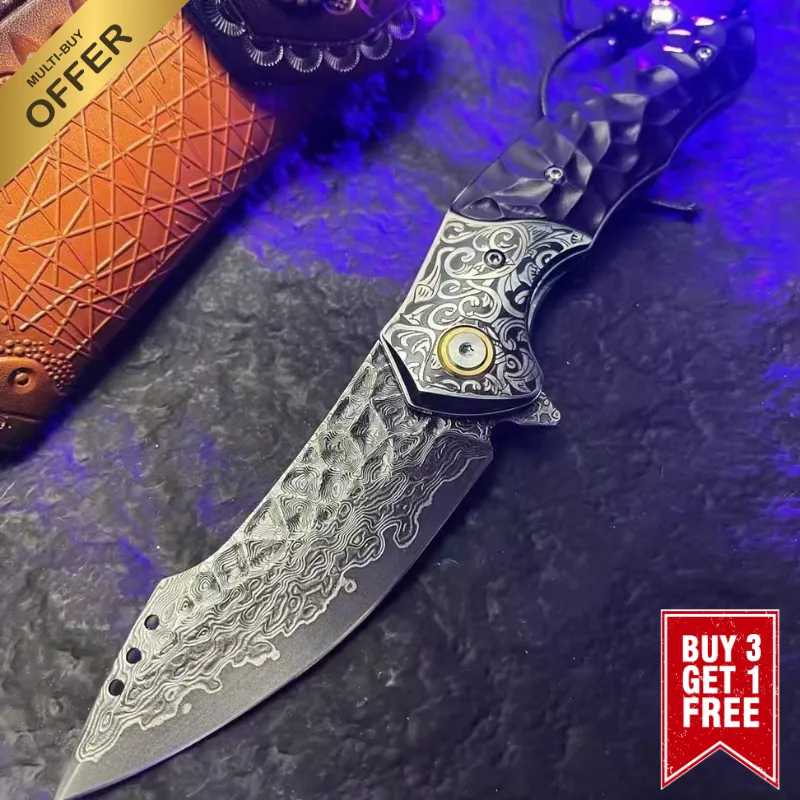
The elvis fishing knife is engineered for one job: handling fish cleanly and safely. Unlike general-purpose blades, a dedicated fishing knife has a shorter, curved profile that lets you work close to bone and skin without slipping. The types of knife blades matter here, a proper fillet blade flexes just enough to follow the contour of the fish while maintaining an edge.
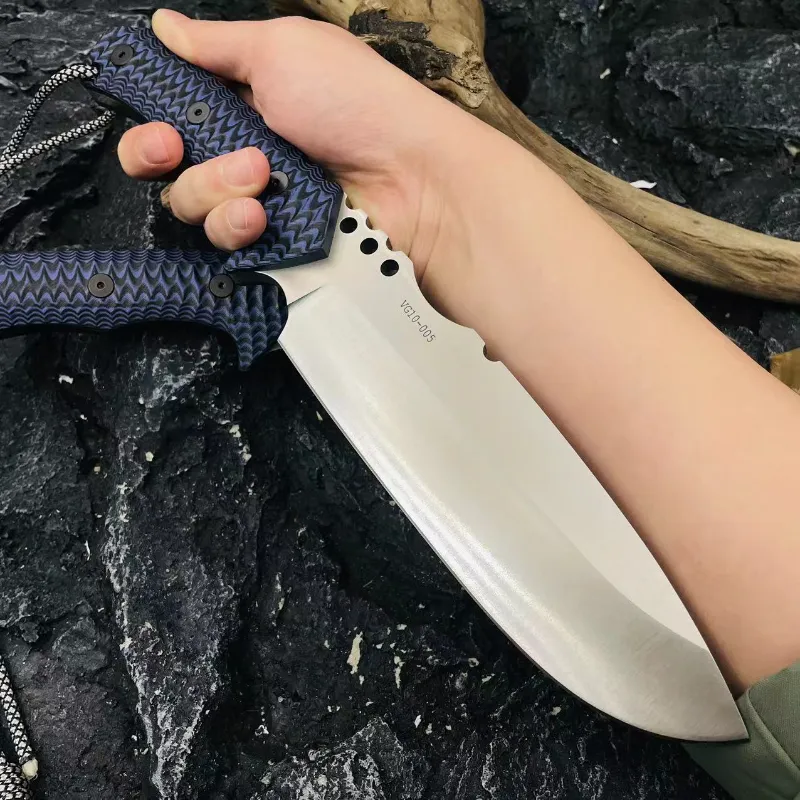
What sets the Elvis apart is its material choice. The blade uses vg10 steel, a stainless steel that resists rust and corrosion in saltwater environments. VG10 holds an edge longer than softer stainless grades and resists pitting from salt spray, which is critical when you’re working near water for hours at a time. The handle design prioritizes grip and safety when your hands are wet or slippery from fish handling.
For anglers who want a reliable tool without daily maintenance headaches, this knife solves a real problem. You grip it, do your work, and don’t worry about rust forming overnight.
How the Elvis Compares to Other Fishing Knives
When you’re choosing a fishing knife, you’re really choosing between two camps: specialty fishing blades and kitchen knives repurposed for the job. The Elvis sits in the specialist category, it’s built specifically for filleting and scaling, not chopping vegetables.
| Feature | Elvis Fishing Knife | Kitchen Fillet Knife | General Utility Blade |
|---|---|---|---|
| Blade curve | Optimized for fish | Steep arch | Minimal |
| Corrosion resistance | Salt-rated (VG10) | Stainless, variable | Often carbon steel |
| Edge retention | Excellent | Good | Fair to good |
| Grip in wet conditions | Non-slip design | Varied | Often slippery |
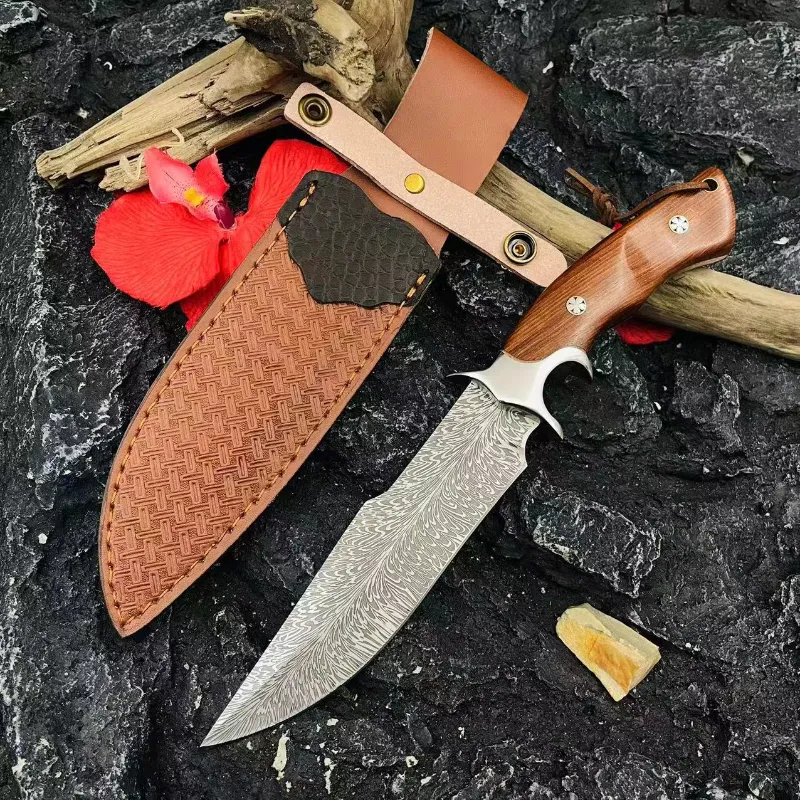
Kitchen knives like the kasumi knives line excel at precision and aesthetics, and some perform well on fish, but they’re not optimized for the repetitive fillet stroke or saltwater exposure. The Elvis doesn’t pretend to be a multi-tool, it’s specialist hardware that does one thing very well.
If you want to experiment with alternatives, blade knife types and japanese knife shapes offer different philosophies, but neither will outperform a purpose-built fishing knife in this exact use case.
Blade Steel and Corrosion Resistance
The reason we keep coming back to vg10 steel is that it’s the sweet spot for fishing knives. It’s harder than common stainless, so it holds an edge through repeated fillets. It’s also resistant to the pitting and rust that plague cheaper stainless blades after a day in saltwater.
VG10 does require basic care, rinse it with fresh water after use, dry it before storage, and you’re done. You don’t need a whetstone in your tackle box or special oil treatments. The steel handles neglect better than carbon blades would, but it rewards attention.
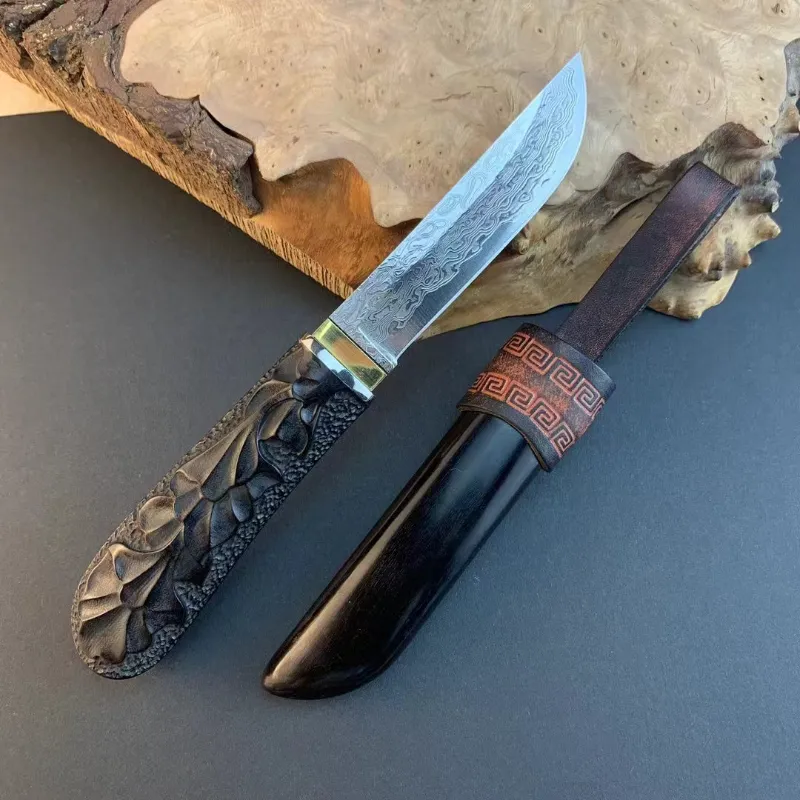
Compared to premium kitchen options like the takumitak tkf318 or specialist lines like elmo knives, the Elvis prioritizes practical durability over artisanal finish. That’s the right call for a tool that spends its life near saltwater.
Who Should Buy the Elvis Fishing Knife
This knife is made for:
- Charter and commercial anglers who fillet dozens of fish per week
- Saltwater fishermen who work in spray and high-corrosion environments
- Anyone tired of rust and edge loss from cheaper fishing blades
- Anglers who value a single specialized tool over multi-purpose knives
It’s overkill if you fish freshwater once a month and fillet at home with kitchen knives. For serious anglers, especially those in saltwater, the investment in a purpose-built blade pays off in speed, safety, and durability.
Where to Buy and Current Pricing
The elvis fishing knife is available through Kasumi Knives with our exclusive 10% OFF discount sitewide. Check the latest price and grab the code to maximize your savings. Kasumi carries a curated selection of fishing and kitchen blades, so you can explore other blade knife types and materials if you want to compare before committing.
For additional context on fishing knife design, Victorinox publishes a useful guide on fish knives and their construction, and knife enthusiasts often discuss fillet blade performance and steel choices on specialist forums.
Maintenance and Care for Long-Term Durability
Keeping your elvis fishing knife in shape is straightforward. Rinse with fresh water immediately after use, dry it, and store it dry. VG10 steel doesn’t demand constant oiling or special treatment. Once or twice a year, a quick honing on a stone will restore the edge to razor sharpness.
Avoid leaving the blade wet overnight or storing it in a tackle box while damp. Salt residue that dries on the blade can pit the steel if left for weeks. A few seconds of attention extends the knife’s life by years. For a tool that costs this much, the maintenance trade-off is more than fair.
The elvis fishing knife is built to outlast casual use and reward proper care. It’s a tool that improves with familiarity, the more you use it, the more natural the balance and curve feel in your hand. That’s the mark of a blade designed for one job and designed well.
Questions
Can the elvis fishing knife handle saltwater use without rusting?
Yes. The blade uses VG10 steel, a stainless alloy that resists corrosion from salt spray and saltwater exposure. Rinse with fresh water after use and dry before storage to keep it in top condition.
How does the elvis fishing knife compare to kitchen fillet knives?
Fishing knives like the Elvis have a specialized curve and blade flex optimized for filleting along ribs and bones, while kitchen knives prioritize general cutting tasks. The Elvis also has better corrosion resistance for wet, salty environments.
What steel is the elvis fishing knife made from?
The Elvis uses VG10 steel, a Japanese stainless steel that balances edge retention, corrosion resistance, and ease of maintenance. It's harder than common stainless grades and holds an edge through many fillets without honing.
Do I need to sharpen the elvis fishing knife often?
No. VG10 steel retains its edge well through regular use. A quick honing once or twice a year keeps it razor sharp, but you won't need frequent sharpening between fishing trips.
Is the elvis fishing knife good for freshwater fishing too?
Yes, it works well for freshwater fish as well. The specialized blade design and edge retention benefit any angler, though the corrosion resistance is most valuable in saltwater conditions.
Where can I buy the elvis fishing knife with a discount?
The elvis fishing knife is available at Kasumi Knives with 10% OFF sitewide. [Grab the code](/kasumi-knives-discount-code/) to apply the discount to your purchase.
Products in this guide
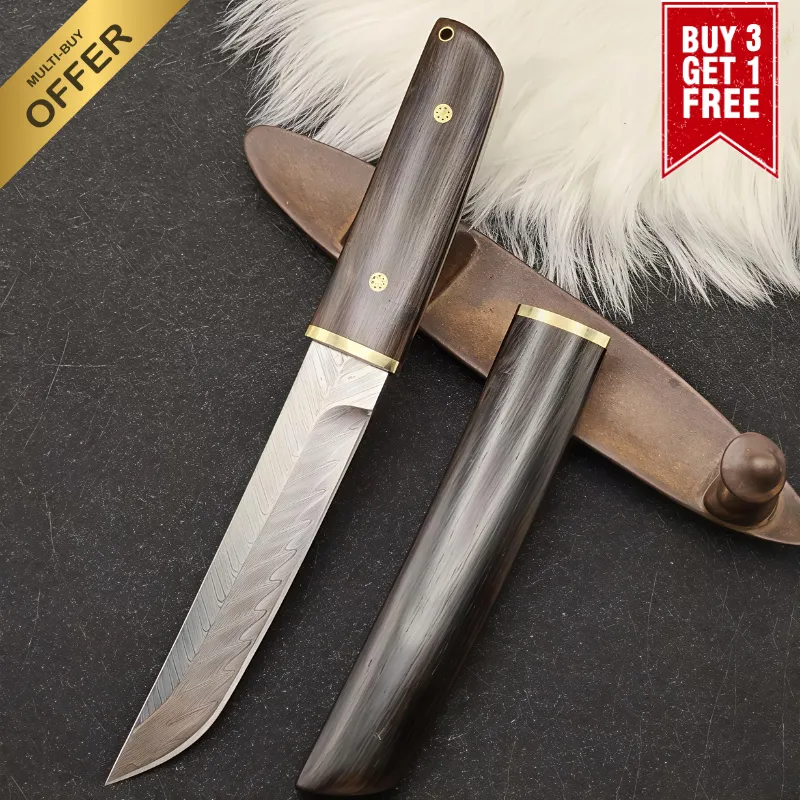
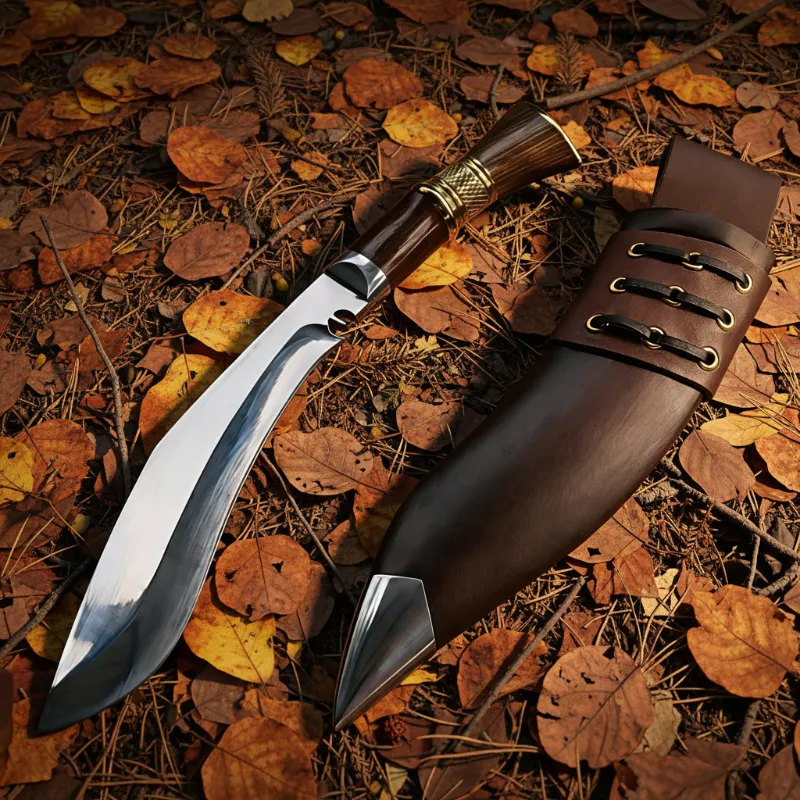
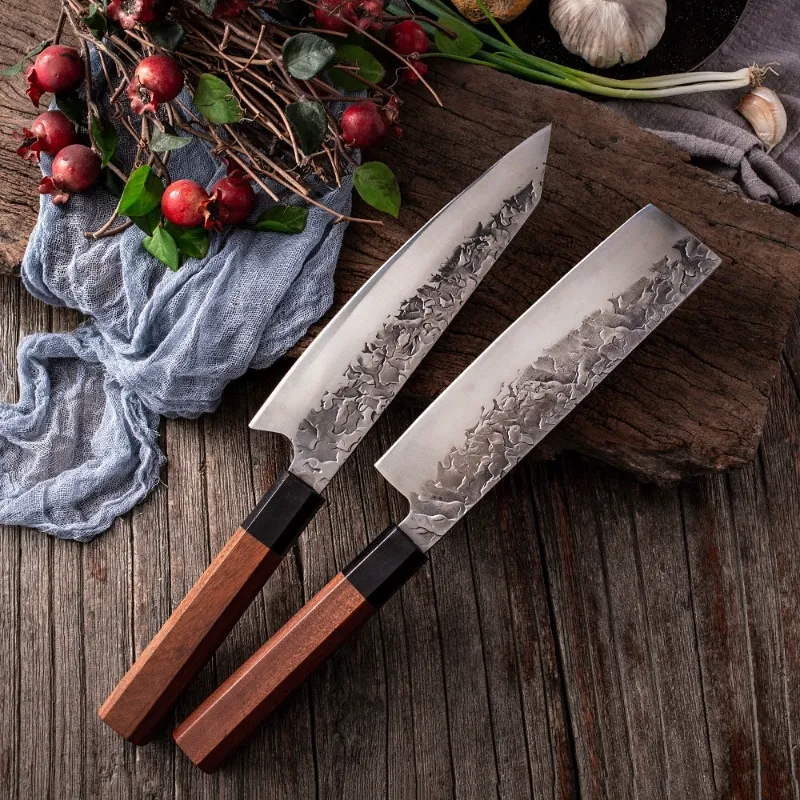
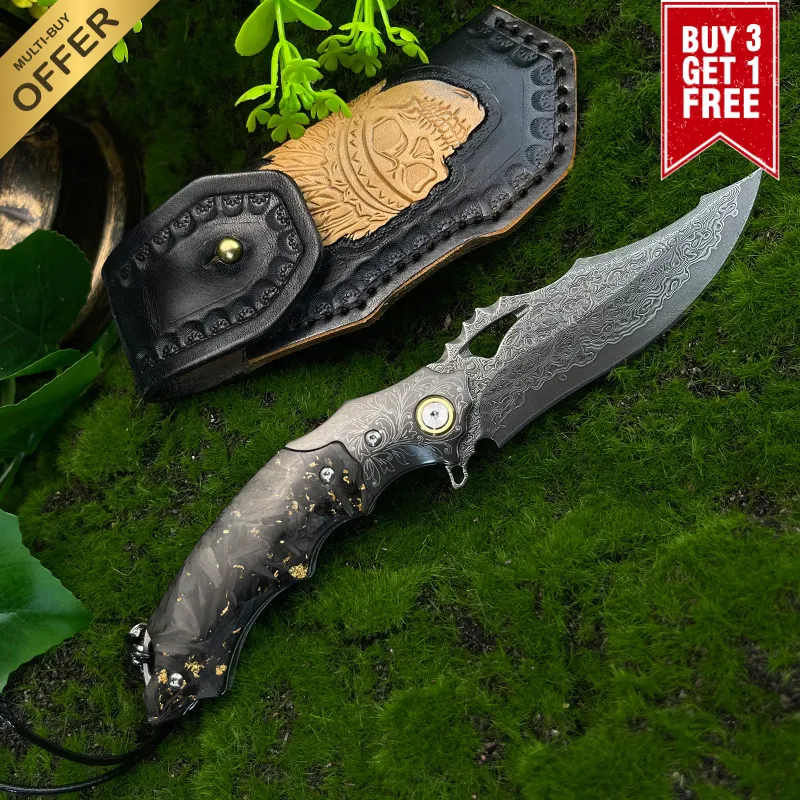 Shopping at Kasumi Knives? See the discount code
10% OFF Sitewide
Shopping at Kasumi Knives? See the discount code
10% OFF Sitewide
More in this series
Do Kasumi Kitchen Knives Need Special Care? A Maintenance Guide for VG10 Steel28 Aug 20265 minJapanese Knife Blade Types Explained: Santoku, Nakiri, Gyuto, and More28 Aug 20264 minHow to Choose the Right Japanese Knife Shape for Every Kitchen Task28 Aug 20265 minKasumi Knives vs Takumitak TKF318: Which Japanese Knife Holds an Edge Longer28 Aug 20264 minVG10 Steel Kitchen Knives: Why Japanese Chefs Choose This Blade Material28 Aug 20264 min