 A Carerspk guide
When to Use Mesh Undies: Hospital Recovery, Postpartum, and Incontinence Care
Mesh undies provide breathable, comfortable support during postpartum recovery, hospital stays, and managing incontinence without restrictive elastic.
When Should You Choose Mesh Undies Over Regular Underwear
Mesh undies are designed for three main situations: postpartum recovery when you need to hold heavy-duty pads, surgical or hospital aftercare when traditional elastic waistbands irritate incisions or swelling, and ongoing incontinence management when you want breathable comfort under protective layers. Unlike regular underwear, the open-weave fabric stretches gently without binding and holds bulky absorbent products in place.
The answer depends on whether you need short-term convenience after delivery or surgery, or long-term daily wear for bladder leaks.
Hospital Recovery and Surgical Aftercare
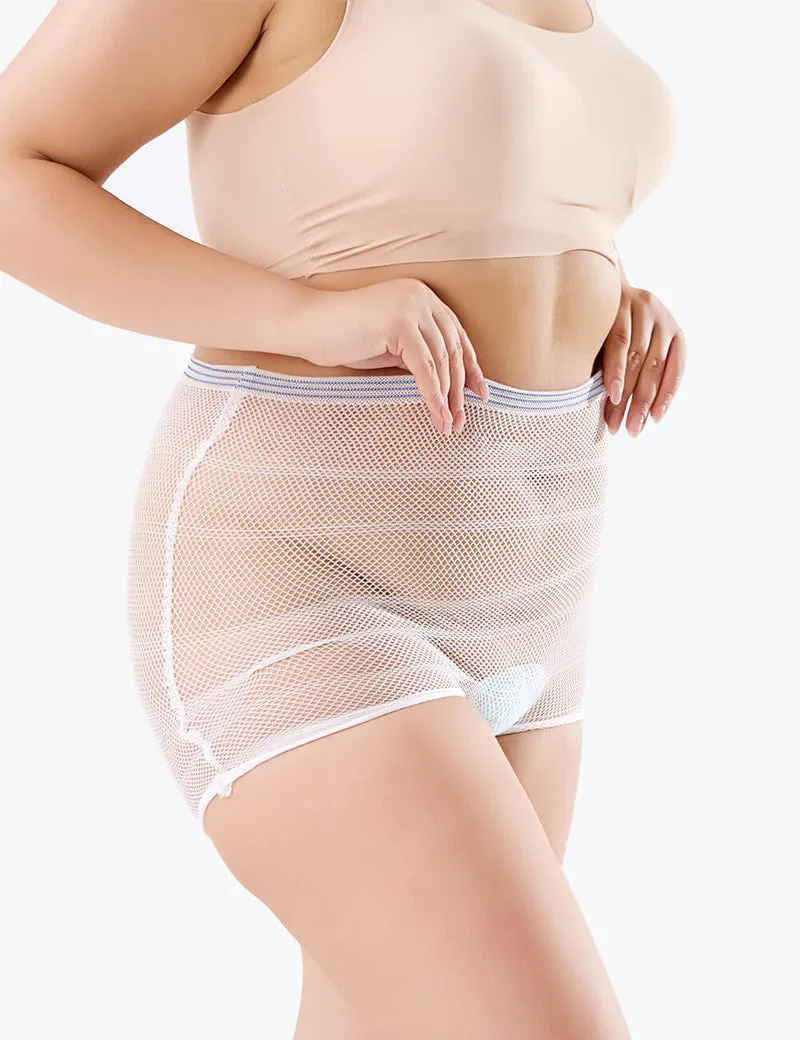
Hospitals typically provide mesh panties after cesarean births, abdominal surgeries, and procedures requiring wound care because the soft, stretchy material sits above or below incision sites without pressure. The breathable weave reduces moisture buildup that can slow healing.
Hospital underwear serves a different purpose than home recovery garments. In clinical settings, disposable mesh pairs with large absorbent pads for post-surgical drainage, while the stretchy waistband accommodates swelling and bandages. Most facilities stock one-size styles that expand from small to extra-large frames.
If you’re preparing for outpatient surgery or an extended hospital stay, consider:
- Disposability: you can discard soiled pairs without laundry concerns during early recovery
- Waistband placement: high-rise styles clear lower abdominal incisions, while mid-rise works for hip or groin procedures
- Pad compatibility: mesh holds thick maternity or surgical pads more securely than elastic-leg briefs
For pricing on hospital-grade disposable options, check the latest deals and our code before your procedure.
Postpartum Use: Mesh Undies vs Disposable Postpartum Underwear
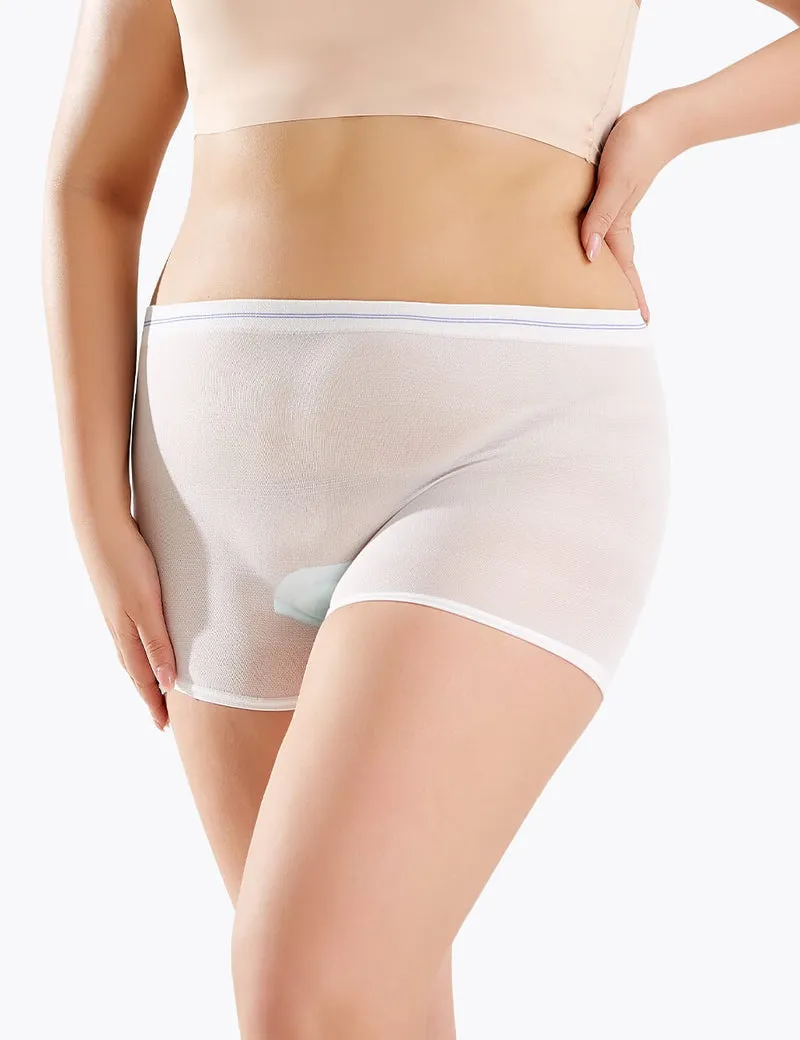
The first weeks after delivery require underwear that holds heavy postpartum pads while your body heals. Disposable postpartum underwear comes in two categories: stretchy mesh and absorbent brief-style garments.
Traditional mesh works well when you’re pairing it with separate thick pads and want maximum airflow. The open weave prevents heat rash during hormonal sweating, and you can size up if you retained fluid during pregnancy. Many birthing centers send new parents home with a supply, though postpartum mesh underwear quality varies between brands.
Here’s how the two disposable postpartum options compare:
| Feature | Mesh Undies | Brief-Style Disposable |
|---|---|---|
| Absorbency | Requires separate pad | Built-in absorbent layer |
| Breathability | High (open weave) | Moderate (synthetic liner) |
| C-section comfort | Excellent (no pressure) | Good (soft waistband) |
| Cost per wear | Lower | Higher |
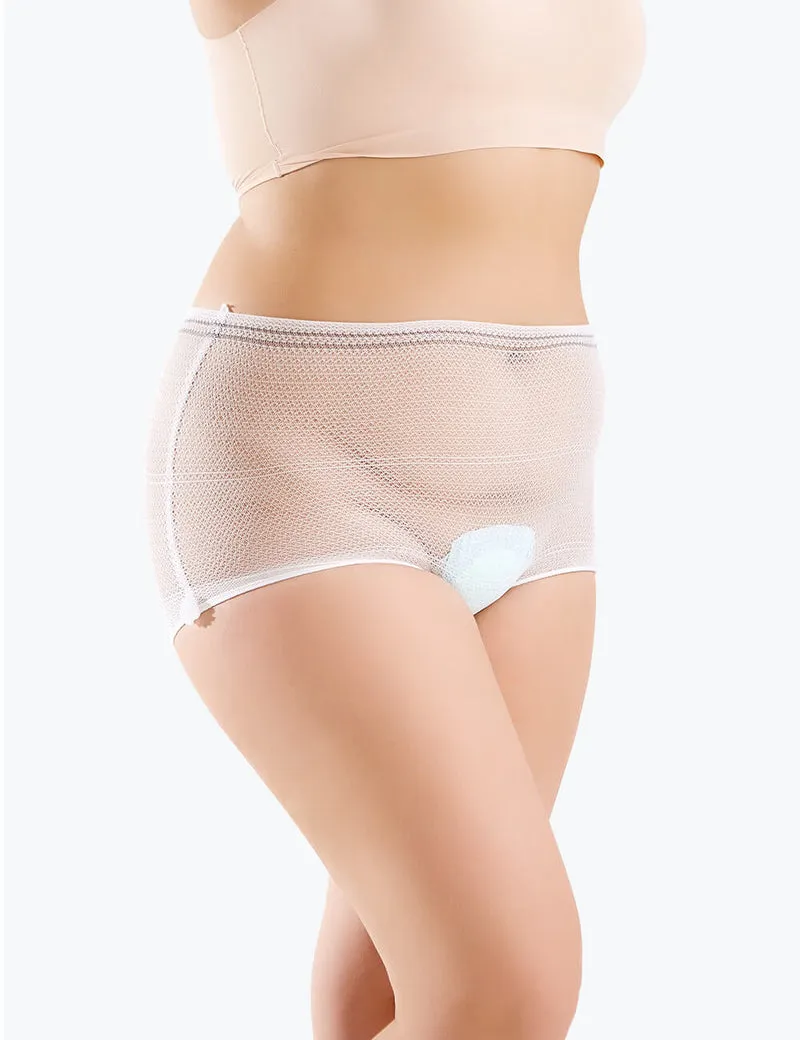
Gauze panties offer a middle ground with slightly more structure than pure mesh but similar breathability. They hold pads securely and feel less fragile during overnight wear.
We recommend stocking 10 to 15 disposable pairs for the first two weeks postpartum, then transitioning to washable bladder leak underwear once lochia lightens and you’re ready for reusable options.
Managing Incontinence: When Mesh Works and When It Doesn’t
For daily incontinence management, mesh undies alone rarely provide enough support or leak protection. The loose weave can’t contain accidents, so you’ll need to layer them with absorbent products or switch to purpose-built incontinence underwear.
Mesh works best for incontinence when:
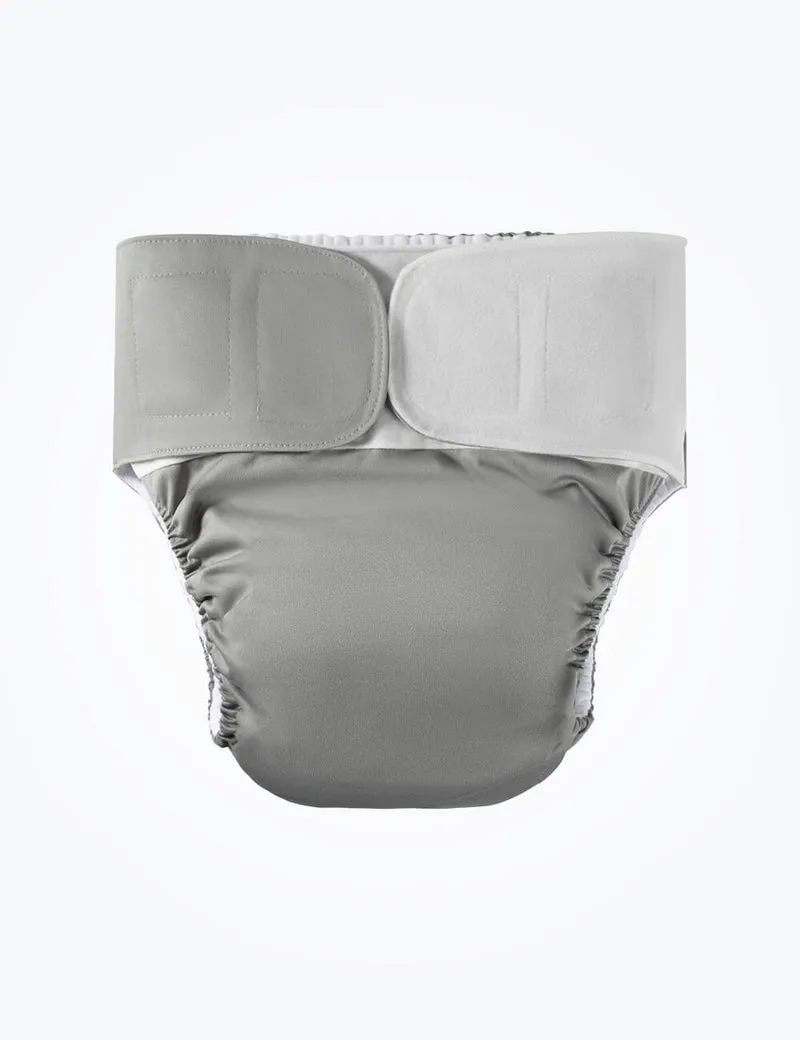
- You’re using it to hold disposable pads or free adult diapers in place during overnight protection
- You need a breathable layer under waterproof plastic pants or rubber panties to prevent skin irritation
- You’re recovering from bladder surgery and can’t tolerate elastic pressure on your lower abdomen
Purpose-built incontinence underwear works better for:
- Everyday wear when you need built-in absorbency and leak barriers
- Active situations where disposable layers might shift
- Moderate to heavy bladder leaks that require waterproof backing
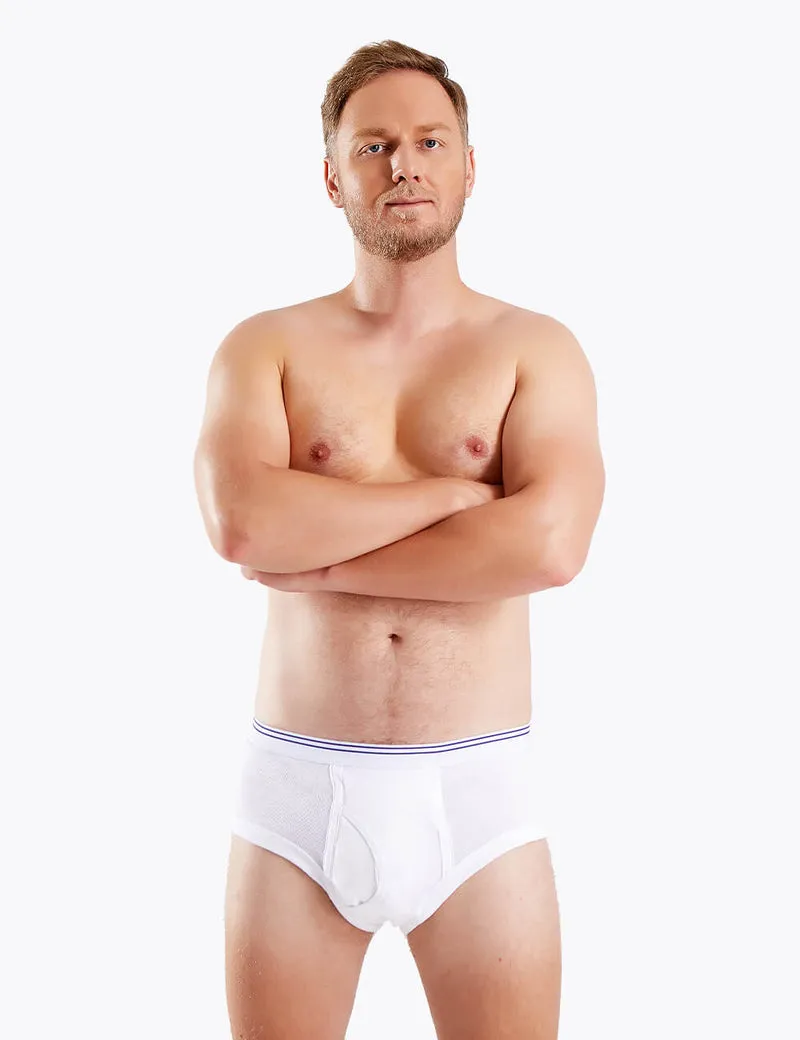
Wearever incontinence h-fly boxer briefs and similar reusable styles feature sewn-in absorbent layers and waterproof panels that eliminate the need for separate products. The H-fly design includes a horizontal opening that simplifies bathroom access for men managing urge incontinence.
If you’re comparing options based on your leak level and lifestyle, grab our discount code to try both disposable mesh and reusable incontinence underwear at a lower cost.
Choosing Between Disposable Mesh and Reusable Options
Your recovery timeline and budget determine whether disposable mesh undies or washable alternatives make more sense.
Choose disposable mesh if:
- You’re within three weeks of delivery or surgery and managing heavy discharge
- You don’t have laundry access during recovery
- You want zero-maintenance garments you can discard after each use
- You’re traveling or staying temporarily in a care facility
Switch to reusable incontinence underwear when:
- Your flow has decreased to light bladder leaks or spotting
- You’re managing ongoing incontinence and want to reduce per-wear costs
- You prefer the feel and fit of structured underwear with built-in protection
- Environmental impact matters to your household
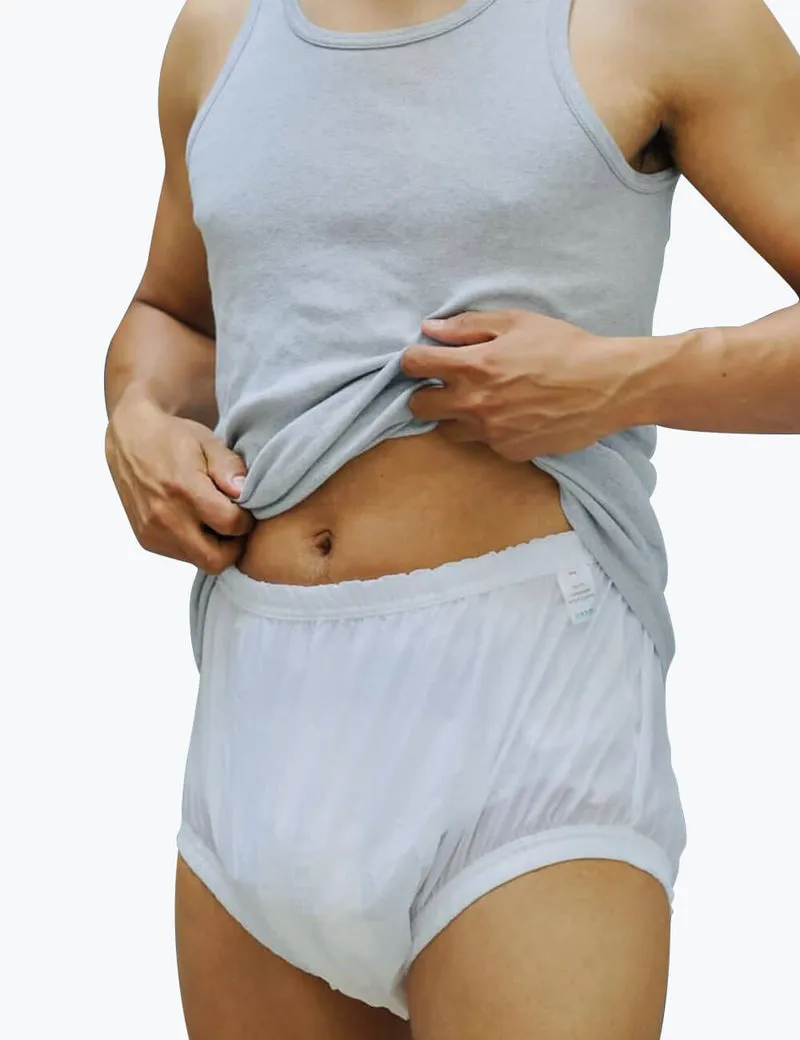
Adult plastic pants bridge the gap by providing reusable waterproof coverage over disposable mesh and pads. This combination gives you the breathability of mesh against your skin with the leak security of a waterproof outer layer, and you only replace the inner mesh layer as needed.
Sizing and Fit Considerations
Most disposable mesh undies come in one-size or broad size ranges (small/medium and large/extra-large) because the knit fabric stretches significantly. However, proper fit still matters for comfort and pad security.
One-size mesh typically fits:
- Waist measurements from 24 to 44 inches
- Hip measurements up to 50 inches
- Bodies retaining postpartum or post-surgical fluid
If you’re outside these ranges, look for specific size options rather than relying on maximum stretch. Overstretched mesh loses its ability to hold pads snugly and may cause the waistband to roll.
For longer-term incontinence management, reusable underwear requires more precise sizing. Bladder leak underwear uses the same sizing as regular underwear, so measure your current waist and hip dimensions and consult each brand’s chart before ordering.
Care, Storage, and When to Replace
Disposable mesh undies are single-use by design, though some people hand-wash and reuse them two to three times during recovery to stretch their supply. We don’t recommend this past light spotting stages, as repeated washing breaks down the elastic threads and reduces pad-holding ability.
Store unopened packages of hospital mesh underwear in a cool, dry location away from direct sunlight, which can degrade elastic fibers over time. Sealed packages typically remain usable for two to three years.
For protective layers like plastic pants or rubber panties worn over mesh, hand-wash after each use with mild soap and air-dry completely before storing. Moisture trapped in waterproof materials encourages bacterial growth and unpleasant odors.
Replace reusable incontinence underwear when you notice:
- Elastic waistbands or leg openings that no longer return to original shape
- Absorbent layers that feel matted or repel liquid instead of wicking it
- Waterproof backing that shows cracks, peeling, or leak-through during normal use
- Persistent odors that don’t resolve after proper washing
Most quality reusable pairs last 50 to 100 washes before needing replacement, making them cost-effective compared to daily disposables once you’re past acute recovery.
Having the right underwear type for each recovery stage reduces discomfort and simplifies personal care during already challenging times. Whether you’re preparing a hospital bag, stocking postpartum supplies, or managing ongoing bladder leaks, check current pricing with our exclusive code to build your recovery or daily care kit.
Questions
How many mesh undies do I need for postpartum recovery?
Plan for 10 to 15 pairs to cover the first two weeks postpartum when lochia is heaviest. This allows you to change them two to three times daily without needing to wash disposables, though you can extend your supply by hand-washing pairs after light spotting begins.
Can I wear mesh panties with incontinence products?
Yes, mesh panties work well to hold disposable pads or adult diapers in place, especially when layered under waterproof plastic pants. However, they don't provide leak protection on their own, so you'll need separate absorbent products for incontinence management.
Are hospital mesh underwear and store-bought mesh undies the same?
They use similar stretchy open-weave fabric, but hospital-grade versions are often lighter and more fragile since they're designed for short-term clinical use. Store-bought mesh undies typically have slightly denser knit and stronger elastic for home recovery over several weeks.
When should I switch from disposable mesh to reusable incontinence underwear?
Transition once your postpartum flow decreases to light spotting or when you're managing ongoing bladder leaks rather than surgical drainage. Reusable incontinence underwear offers better leak protection and becomes more cost-effective than disposables after the first few weeks of recovery.
Do mesh undies work after a cesarean section?
Yes, mesh undies are ideal after cesarean delivery because the soft, stretchy waistband doesn't press on your incision like traditional elastic underwear. Choose high-rise styles that sit above the incision line for maximum comfort during the first weeks of healing.
Can I reuse disposable mesh panties?
While designed for single use, you can hand-wash and reuse them two to three times during light spotting stages to extend your supply. Avoid reusing them during heavy postpartum flow or after surgical drainage, as the fabric breaks down and loses its ability to hold pads securely.
Products in this guide
 Shopping at Carerspk? See the discount code
10% OFF Sitewide
Shopping at Carerspk? See the discount code
10% OFF Sitewide
More in this series
What’s the Difference Between Rubber Pants and Plastic Pants for Incontinence Protection?15 Aug 20264 minHow Long Do Bladder Leak Underwear Last With Daily Washing?15 Aug 20265 minPostpartum Underwear Guide: Disposable vs Mesh Panties for Hospital and Home Recovery15 Aug 20266 minDo Plastic Pants Over Adult Diapers Actually Prevent Leaks?15 Aug 20265 minHow to Choose the Right Incontinence Underwear for Men: Boxer Briefs vs Protective Pants15 Aug 20264 min