 A Carerspk guide
What’s the Difference Between Rubber Pants and Plastic Pants for Incontinence Protection?
Plastic pants and rubber pants for incontinence refer to the same type of waterproof protective garment, though the terms describe different material formulations and manufacturing approaches.
Understanding the Terminology: Plastic vs Rubber
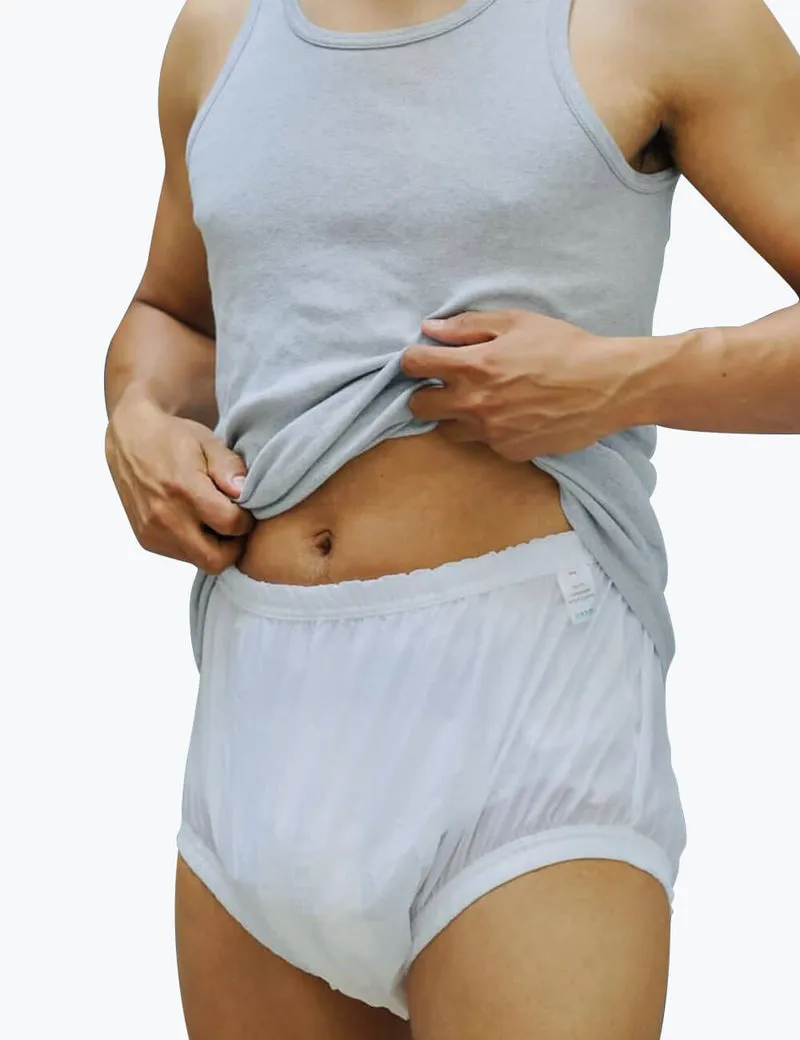
Plastic pants and rubber pants are both waterproof outer garments designed to contain leaks from incontinence products, but the terms reflect different material choices. Modern plastic pants typically use PVC (polyvinyl chloride) or polyurethane film, while rubber panties historically referred to natural or synthetic rubber-coated fabrics. Today, most products marketed under either name use similar vinyl or polyurethane materials, and the distinction has become largely semantic in the incontinence product market.
Both types serve the same core function: they act as a waterproof barrier layer worn over absorbent incontinence products like pads, adult diapers, or bladder leak underwear. For shoppers comparing options, the practical differences come down to material thickness, breathability, noise level, and durability rather than the rubber-versus-plastic label itself.
Material Composition and Manufacturing
Traditional rubber pants were made from latex rubber or neoprene-coated fabrics, which offered excellent waterproofing but often felt heavy, trapped heat, and degraded quickly with washing. Modern adult plastic pants use lightweight PVC or thermoplastic polyurethane (TPU), which are thinner, more flexible, and easier to clean. These materials bond to fabric backings or stand alone as waterproof shells.
Key material differences include:
- PVC plastic – durable, fully waterproof, affordable, but can feel stiff and noisy
- Polyurethane film – softer, quieter, slightly breathable, tends to cost more
- Rubber-coated fabric – traditional option, good stretch, heavier and less common now
- TPU laminates – modern hybrid that combines fabric comfort with waterproof protection
Most products you’ll find from retailers today, whether labeled plastic or rubber, use PVC or TPU. Check the latest pricing to compare current options and materials available.
Comfort and Wearability for Daily Use
Comfort varies significantly based on thickness, fit, and whether the garment has a fabric backing. Thin vinyl plastic pants without a fabric layer tend to stick to skin and feel clammy, especially in warm weather. Rubber-backed fabric styles offer better airflow and a softer feel against skin, though they add bulk.
For active wearers, consider these comfort factors:
- Noise level – crinkly plastic can be embarrassing in quiet settings; softer TPU and rubber-backed options stay quieter
- Elasticity – leg and waist elastics should be snug but not binding; look for soft elastic casings
- Thickness – heavier gauge materials last longer but feel hotter and less discreet
- Sizing – waterproof pants should fit closely over your incontinence product without gaps, but not so tight they restrict movement
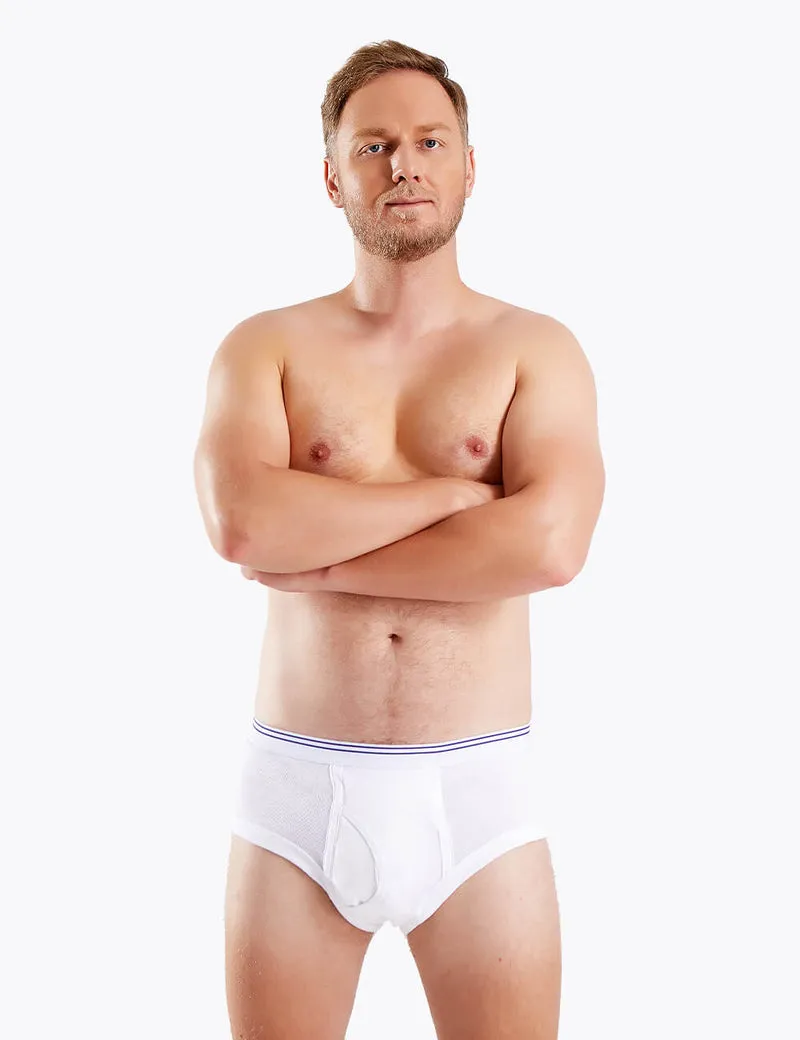
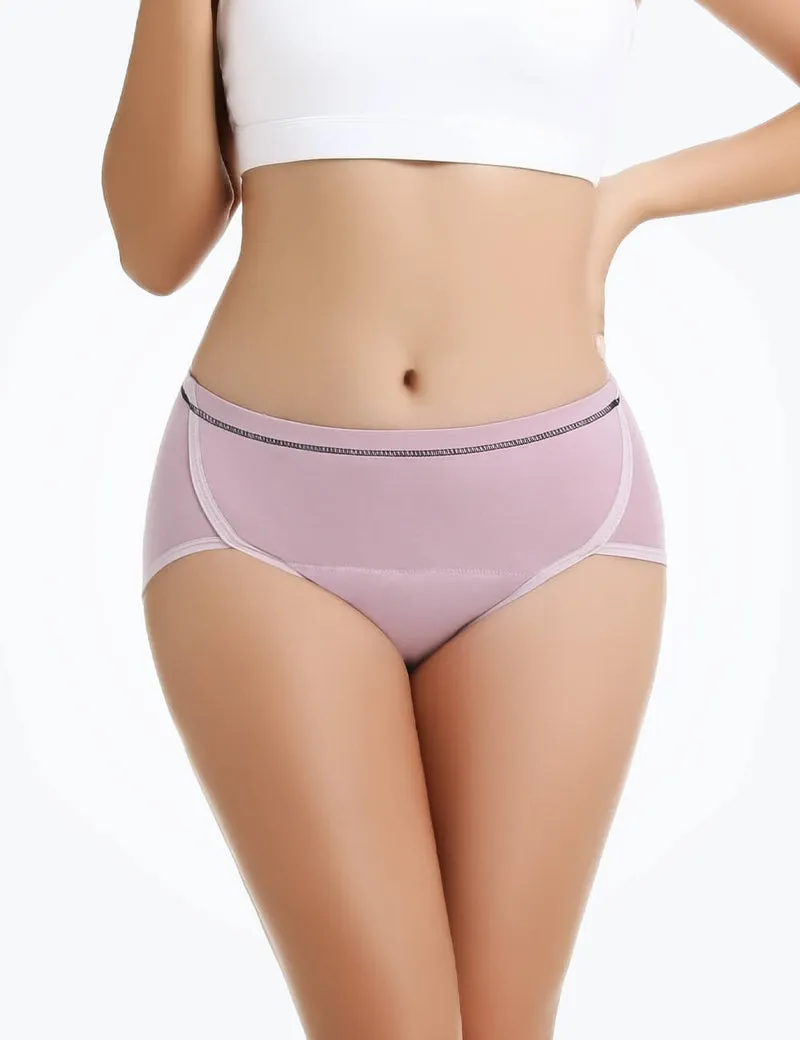
Many users pair waterproof protection with reusable options like wearever incontinence h-fly boxer briefs, which combine absorbency and a built-in waterproof layer in one garment for maximum discretion.
Durability and Care Instructions
Plastic and rubber incontinence pants differ most noticeably in lifespan and washing requirements. PVC plastic tends to crack or peel along seams after repeated machine washing, especially in hot water or the dryer. Rubber-coated fabrics generally hold up better to laundering but can lose elasticity over time.
| Material Type | Average Lifespan | Care Method |
|---|---|---|
| PVC plastic pants | 3-6 months | Hand wash cool, air dry |
| TPU/polyurethane | 6-12 months | Machine wash warm, hang dry |
| Rubber-coated fabric | 6-9 months | Machine wash cold, air dry |
To extend the life of any waterproof incontinence garment:
- Rinse immediately after soiling to prevent staining and odor
- Avoid bleach, fabric softeners, and high heat, which degrade waterproof coatings
- Turn inside out before washing to protect seams
- Air dry completely before storing to prevent mildew
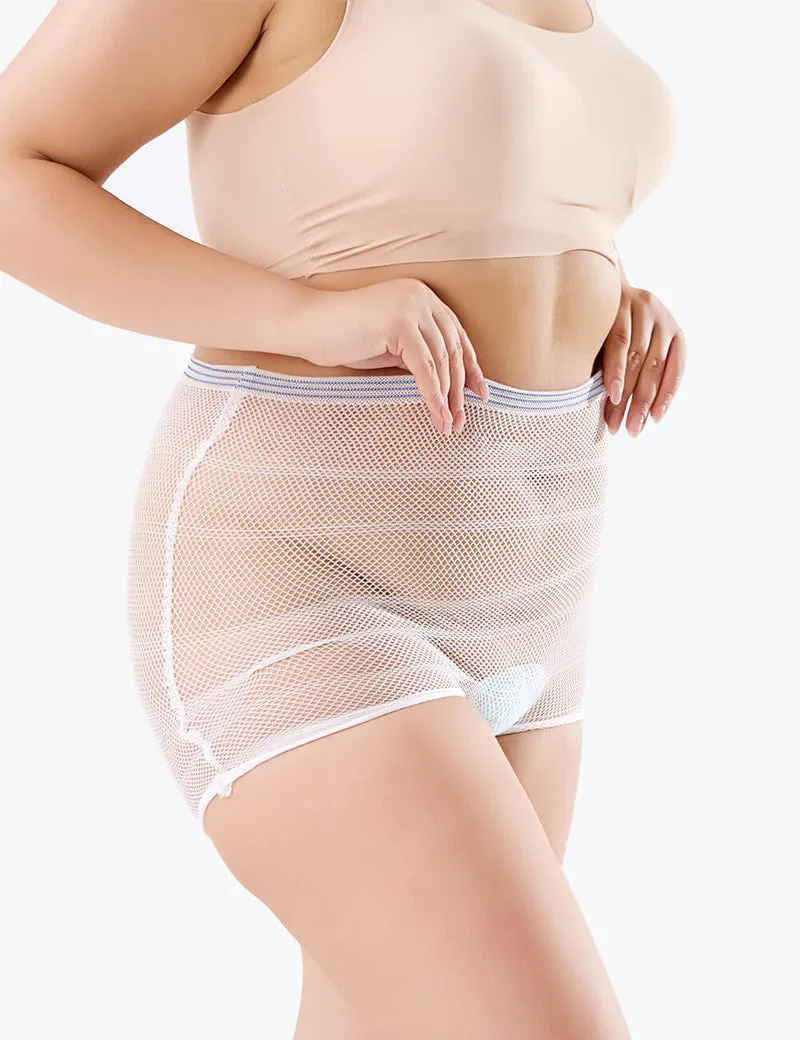
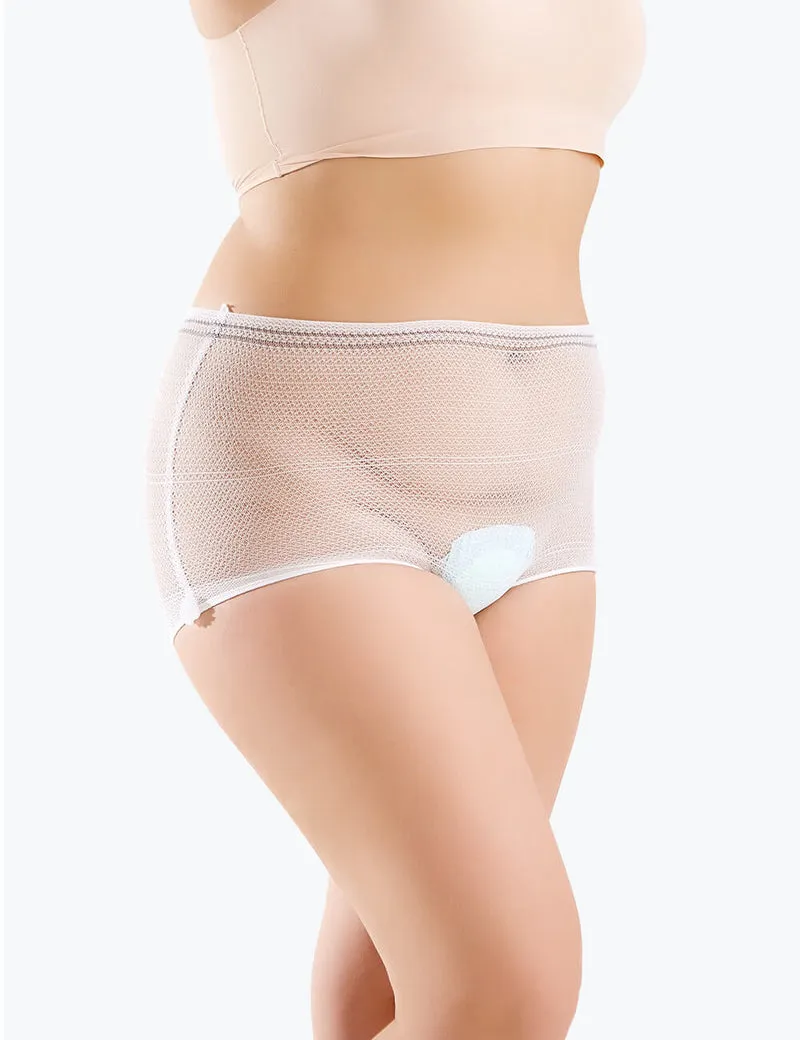
For single-use needs, disposable options like mesh panties or hospital underwear eliminate laundering entirely. Grab the code to save on both reusable and disposable protective products.
Choosing the Right Option for Your Needs
Your best choice depends on your activity level, absorbency needs, and budget. Waterproof plastic pants work well as an economical backup layer over moderate-absorbency products for overnight protection or extended wear. They’re especially useful for caregivers managing incontinence for loved ones, as they protect bedding and clothing at a low per-use cost.
Rubber panties with fabric backing suit active users who need all-day wear and prioritize comfort over maximum waterproofing. The fabric layer wicks moisture away from skin and reduces noise, making these options more discreet under regular clothing.
Best for overnight protection: Heavier-gauge PVC plastic pants with high-rise waistbands and snug leg elastics
Best for daytime discretion: Thin TPU or rubber-backed styles in neutral colors that layer invisibly under pants or skirts
Best for caregiving: Durable, easy-clean vinyl options that withstand frequent washing
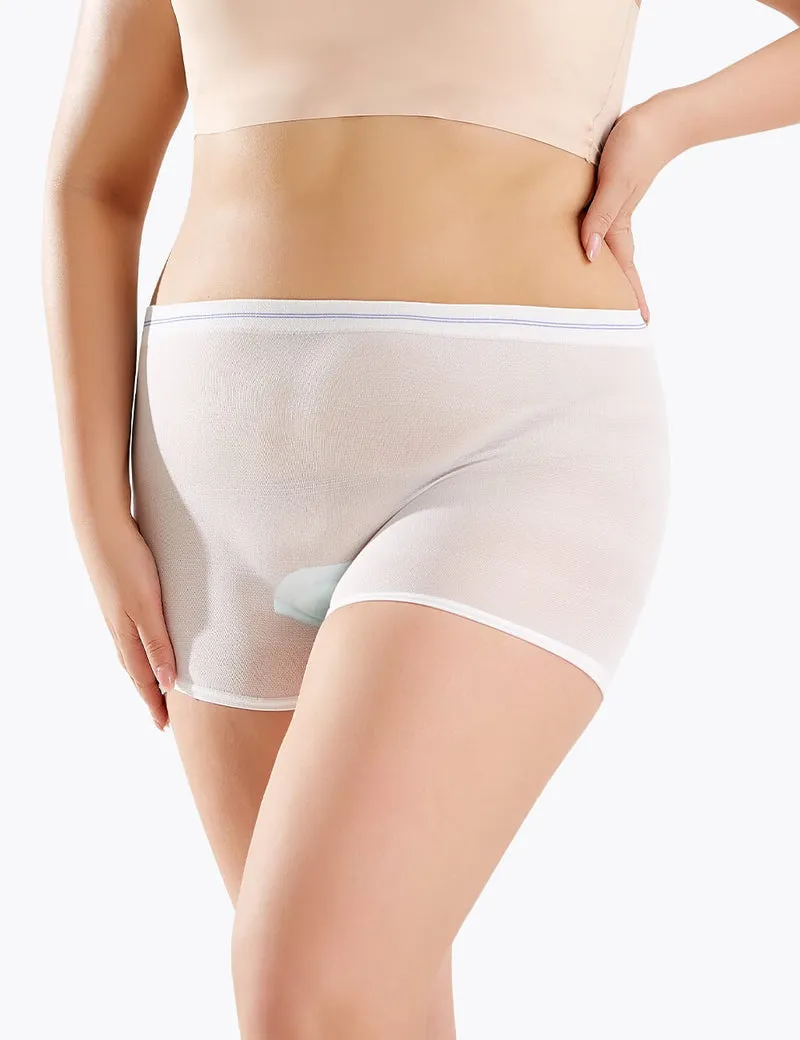
Best for postpartum or temporary needs: Disposable alternatives like disposable postpartum underwear or mesh undies paired with pads
If you’re managing moderate to heavy incontinence, combining waterproof protection with high-absorbency products like free adult diapers provides the most reliable coverage. Check current pricing to find bundles and multi-packs that offer the best value.
Where to Buy and What to Expect
Waterproof plastic pants for adults are available through medical supply stores, pharmacies, and online retailers. Prices vary by material quality, brand, and whether you’re buying single units or multi-packs. Look for features like reinforced seams, adjustable leg openings, and comfortable waistbands when comparing options.
Shopping online gives you access to customer reviews and detailed sizing charts, which are essential since fit directly affects leak protection. Most incontinence products, including adult plastic pants and rubber panties, come in standard small through 3XL sizing, but measurements vary by manufacturer.
When ordering your first pair, consider:
- Measure your waist and hips against the manufacturer’s size chart, not standard clothing sizes
- Read reviews specifically mentioning your body type or the incontinence product you plan to wear underneath
- Order from retailers with flexible return policies in case sizing or material doesn’t meet your needs
- Take advantage of discount codes to try multiple styles without overspending
Our partnerships with trusted suppliers mean you get discount codes and honest product recommendations.
Questions
Are plastic pants and rubber pants the same thing?
Plastic pants and rubber pants serve the same purpose as waterproof barriers for incontinence, but they use different materials. Modern plastic pants typically use PVC or polyurethane film, while rubber pants originally used latex or neoprene. Today most products use similar vinyl or TPU materials regardless of the label.
Can you wash plastic pants in the washing machine?
You can machine wash most modern plastic and rubber incontinence pants, but hand washing extends their lifespan. Use cool or warm water, avoid bleach and fabric softeners, and always air dry rather than using a dryer to prevent cracking and peeling.
What should I wear under waterproof incontinence pants?
Wear an absorbent product like adult diapers, incontinence pads, or absorbent underwear under waterproof pants. The plastic or rubber layer provides leak protection, while the absorbent product manages the fluid. You can also use standalone absorbent underwear if you need lighter protection.
Do plastic pants for adults make noise when you move?
Thin PVC plastic pants tend to crinkle and make noise with movement, which can be noticeable in quiet settings. Thicker rubber-backed fabric styles and modern TPU materials are much quieter and more discreet under clothing.
How long do waterproof incontinence pants last?
PVC plastic pants typically last three to six months with proper care, while polyurethane and rubber-coated options last six to twelve months. Lifespan depends on washing frequency, care method, and how much stress the elastic and seams endure during wear.
Where can I buy plastic pants for incontinence protection?
You can buy plastic pants and rubber pants through medical supply stores, pharmacies, and online retailers that specialize in incontinence products. Online shopping offers better selection, sizing information, and customer reviews to help you choose the right option.
Products in this guide
 Shopping at Carerspk? See the discount code
10% OFF Sitewide
Shopping at Carerspk? See the discount code
10% OFF Sitewide
More in this series
When to Use Mesh Undies: Hospital Recovery, Postpartum, and Incontinence Care15 Aug 20265 minHow Long Do Bladder Leak Underwear Last With Daily Washing?15 Aug 20265 minPostpartum Underwear Guide: Disposable vs Mesh Panties for Hospital and Home Recovery15 Aug 20266 minDo Plastic Pants Over Adult Diapers Actually Prevent Leaks?15 Aug 20265 minHow to Choose the Right Incontinence Underwear for Men: Boxer Briefs vs Protective Pants15 Aug 20264 min