 A Carerspk guide
How Long Do Bladder Leak Underwear Last With Daily Washing?
Bladder leak underwear typically lasts 6 to 18 months with daily washing, depending on fabric quality, wash routine, and absorbency layer construction.
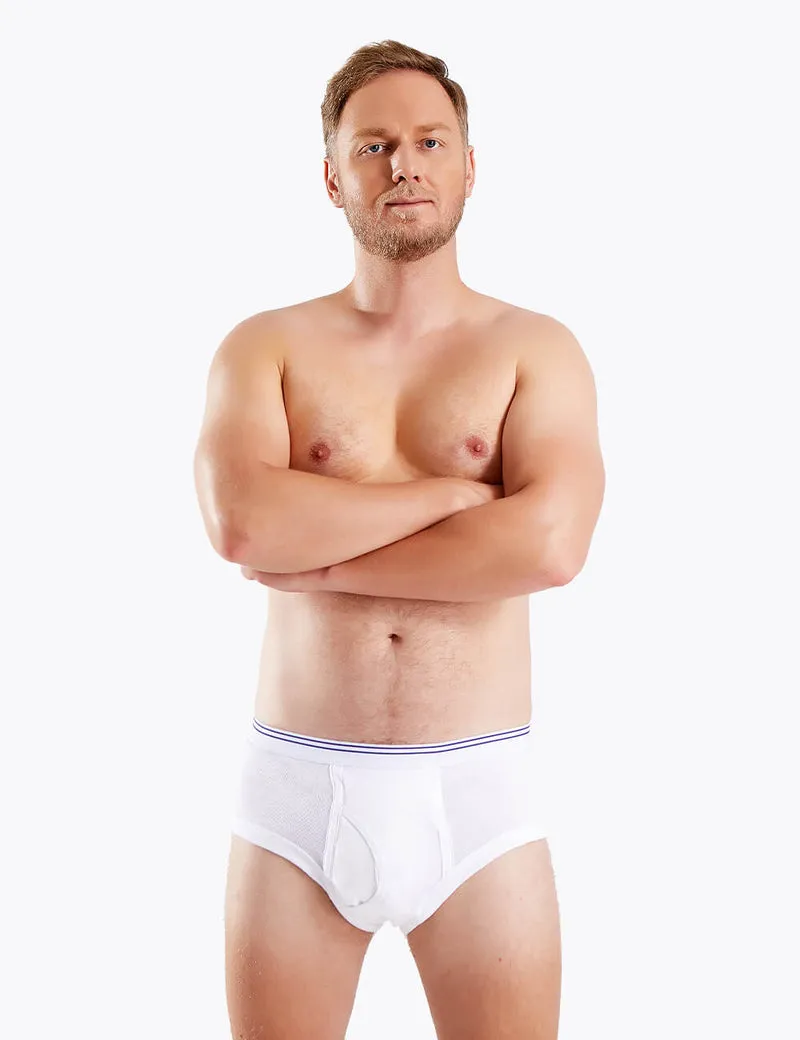
Bladder leak underwear typically lasts 6 to 18 months with daily washing, though premium styles like wearever incontinence h-fly boxer briefs can push past two years when cared for correctly. The lifespan depends on fabric quality, absorbent layer construction, wash temperature, and how often you rotate pairs.
Unlike disposable options such as mesh panties or hospital underwear, reusable incontinence underwear requires proper laundering to maintain leak protection and comfort. Daily washing accelerates wear, but skipping rotation or using harsh detergents damages the waterproof membrane faster than frequency alone. Reusable incontinence underwear offers environmental and cost benefits, but only if you extend their functional lifespan through smart care.
What Affects the Lifespan of Washable Incontinence Underwear
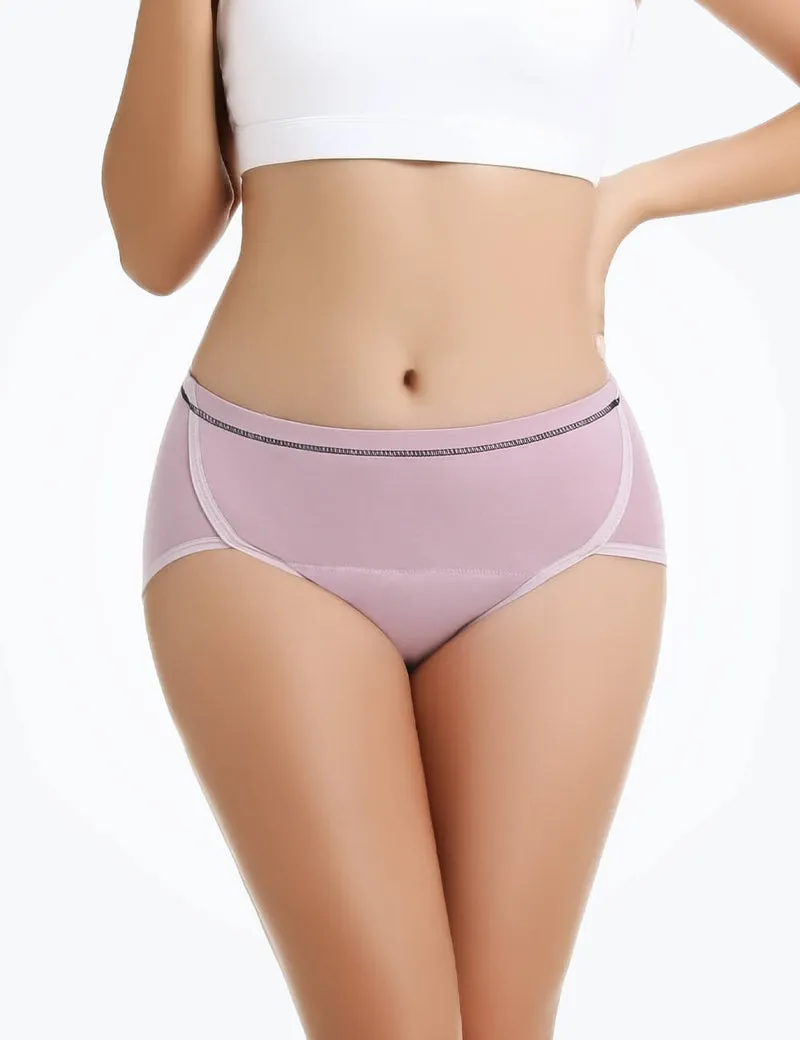
The absorbent core and waterproof barrier degrade at different rates. Multi-layer cotton or bamboo cores in quality bladder leak underwear hold up longer than single-ply synthetic blends. The polyurethane (PU) or thermoplastic polyurethane (TPU) membrane that keeps leaks from soaking through begins to crack after repeated high-heat drying or chlorine bleach exposure.
Fabric construction matters. Flat-lock seams and reinforced gussets extend durability, while glued or heat-bonded layers separate faster under stress. The best washable incontinence underwear uses stitched multi-ply construction that survives 200+ washes before absorbency drops noticeably.
Daily washing vs. rotation. Washing the same pair every day without rest stresses fibers. Owning five to seven pairs and rotating them gives elastic and absorbent layers time to recover between wears, often doubling total lifespan compared to a two-pair rotation.
Water hardness and detergent type. Hard water leaves mineral deposits that stiffen absorbent layers and reduce wicking. Fabric softeners coat fibers and block absorbency, while enzyme-heavy detergents can weaken elastic over time. We recommend a gentle, fragrance-free liquid detergent and an occasional vinegar rinse to strip buildup.
Best Practices for Washing Bladder Leak Underwear
Start by rinsing soiled underwear in cold water immediately after removal. This flushes urine salts before they bind to fibers. Pre-soaking in cold water with a quarter-cup of baking soda for 15 to 30 minutes neutralizes odor and loosens stains without harsh chemicals.
Machine wash guidelines:
- Use cold or warm water (never hot, which degrades waterproof layers)
- Select a gentle or delicate cycle to reduce friction
- Add a half-dose of mild, enzyme-free detergent
- Skip fabric softener, bleach, and dryer sheets entirely
- Wash with similar fabrics, avoiding zippers or hooks that snag
Drying recommendations:
- Air-dry flat or hang to extend lifespan by 30 to 50 percent
- If machine drying, use low heat and remove while slightly damp
- Never exceed medium heat, which melts adhesive bonds and cracks membranes
- Reshape the gusset while damp to maintain fit
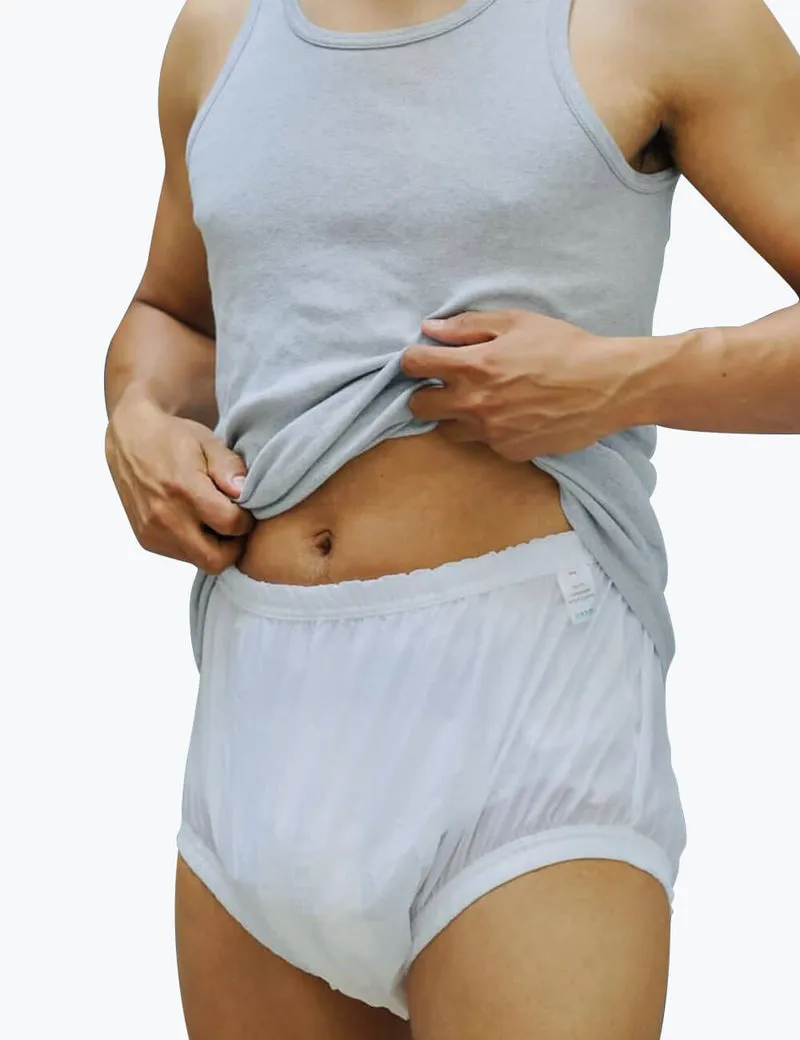
For those using plastic pants or adult plastic pants as an outer barrier, hand-wash in lukewarm soapy water and air-dry only. Heat warps vinyl and rubber, making them brittle within weeks.
Check the latest care details and pricing for specific products, since some brands add antimicrobial treatments that require gentler handling.
Signs Your Bladder Leak Underwear Needs Replacing
Even with perfect care, absorbent underwear eventually wears out. Watch for these indicators that replacement is overdue:
- Reduced absorbency. Leaks begin soaking through to outer clothing despite proper fit and similar volume to before.
- Odor retention. A persistent ammonia smell remains even after thorough washing and vinegar stripping.
- Elastic failure. Waistband or leg openings sag, allowing leaks around the edges. What to know about underwear for incontinence includes checking for proper fit as protection diminishes.
- Fabric thinning or pilling. The gusset shows visible wear, holes, or rough texture from friction.
- Delamination. Layers separate or the waterproof backing peels away from the fabric shell.
If you notice two or more of these signs, it’s time to replace that pair. Stretching worn-out underwear past its functional life leads to embarrassing leaks and skin irritation from prolonged moisture exposure.
Extending Lifespan: Rotation and Storage Tips
Build a rotation of at least five pairs. This allows each piece to rest 48 hours between wears, giving elastic and absorbent fibers time to fully dry and regain shape. Rotating pairs can push the best incontinence underwear for heavy leakage from 12 months to 18 or even 24 months of reliable use.
Storage between washes: Hang damp (not soaking) underwear in a ventilated laundry basket rather than sealing in a hamper. Trapped moisture breeds bacteria and mildew, accelerating fabric breakdown and creating stubborn odors.
Periodic deep cleaning: Every four to six weeks, wash your rotation with a half-cup of white vinegar in the rinse cycle (no detergent). This strips detergent buildup, hard-water minerals, and body oils that clog absorbent layers. Follow with an extra rinse to remove vinegar residue.
Proper folding and drawer storage: Store clean pairs flat or loosely rolled rather than tightly compressed. Constant pressure on the waterproof membrane causes micro-cracks over time, shortening lifespan even before the first wear.
Comparing Reusable vs. Disposable Options
Washable bladder leak underwear costs more upfront but pays off within three to four months compared to daily disposables. A quality pair priced around the mid-range lasts 12 months at minimum, replacing roughly 365 disposable products.
| Feature | Washable Incontinence Underwear | Disposable Options |
|---|---|---|
| Lifespan | 6 to 18 months (200+ wears) | Single use |
| Cost per use | $0.15 to $0.40 | $0.75 to $2.50 |
| Environmental impact | Low (reusable) | High (landfill waste) |
| Absorbency range | Light to moderate | Light to heavy |
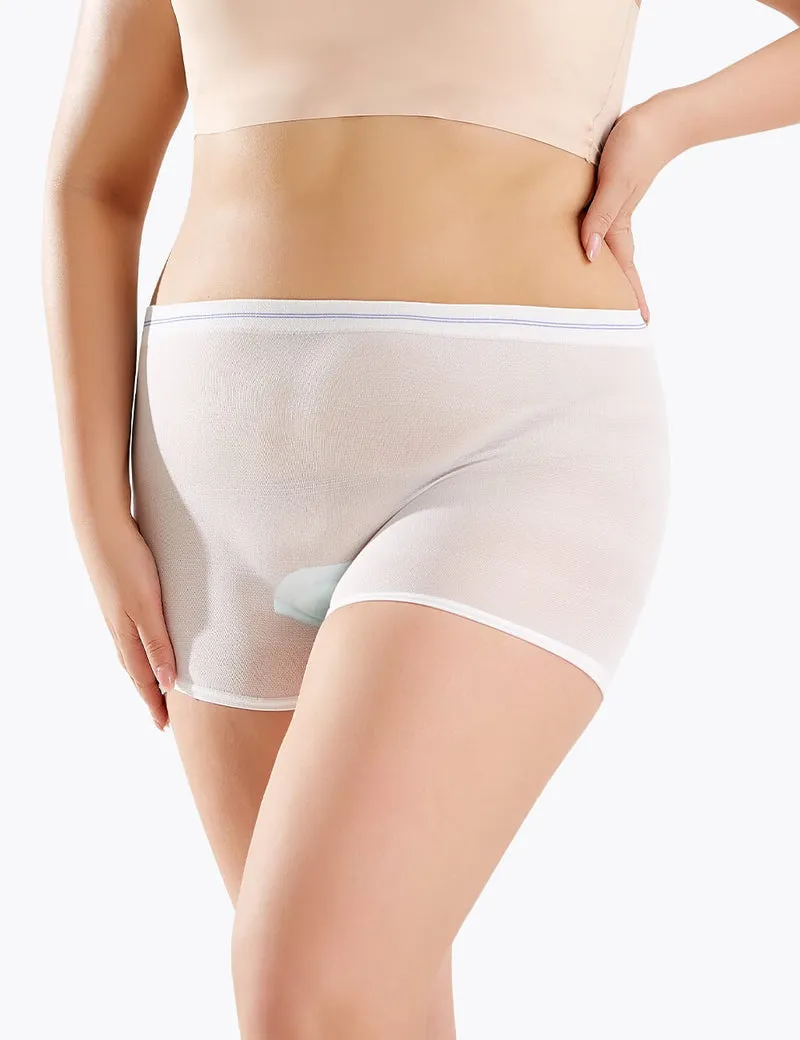
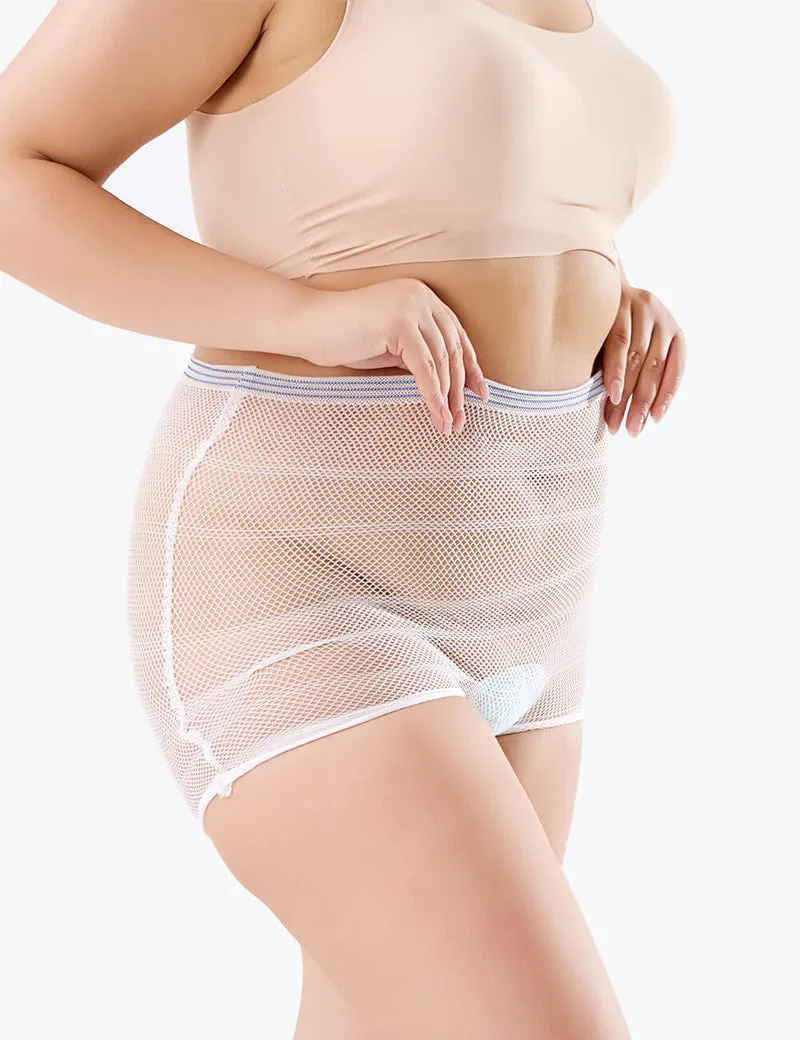
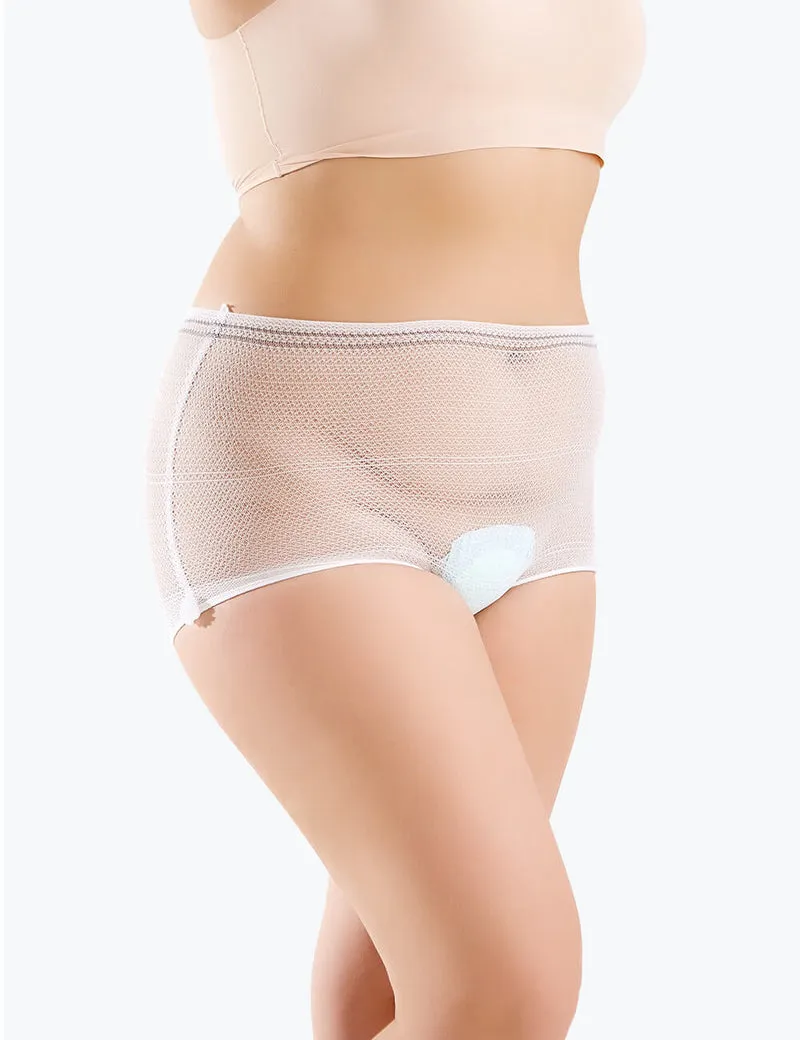
For postpartum recovery or short-term medical needs, disposable postpartum underwear or gauze panties offer convenience without the commitment to laundering. But for ongoing bladder leak management, washable underwear for heavy incontinence delivers better value and comfort once you establish a care routine.
Styles like bladder leak underwear for women and bladder leak underwear for men come in designs that look and feel like regular underwear, unlike the bulkier profile of free adult diapers. Reviews of the best washable incontinence underwear for women highlight breathability and discreetness as top priorities alongside absorbency.
Grab our discount code to save 10% sitewide on washable and protective underwear options.
Choosing Durable Bladder Leak Proof Underwear
Investing in higher-quality bladder leak proof underwear upfront extends lifespan and reduces cost per wear. Look for these durability markers when comparing options:
- Multi-layer absorbent core with at least three distinct layers (wicking, absorbent, waterproof)
- Stitched construction rather than glued seams, especially around the gusset
- TPU or PU laminate that extends beyond the absorbent zone to prevent edge leaks
- Reinforced elastic at waist and leg openings, ideally encased rather than exposed
- Antimicrobial treatments that reduce odor and bacteria buildup without wash-out
Brands that offer satisfaction guarantees or warranties exceeding six months typically engineer for longevity. Test one or two pairs before committing to a full rotation, and pay attention to how absorbency and fit hold up after the first 10 washes.
For extra protection during sleep or extended outings, layering rubber panties over absorbent underwear creates a backup barrier without adding bulk. Rubber and vinyl covers require even gentler washing (hand-wash only, air-dry) but can last two to three years when cared for properly.
With the right products, care routine, and rotation strategy, your investment in washable bladder leak underwear delivers reliable protection well past the one-year mark.
Questions
How many pairs of bladder leak underwear should I own?
We recommend owning five to seven pairs for daily use. This rotation allows each pair to rest 48 hours between wears, extending lifespan by 30 to 50 percent compared to washing the same two pairs continuously.
Can I use fabric softener on washable incontinence underwear?
No, fabric softener coats absorbent fibers and blocks their ability to wick moisture, drastically reducing leak protection. Use a gentle, fragrance-free detergent and skip all softeners, dryer sheets, and bleach.
Why does my bladder leak underwear still smell after washing?
Persistent odor usually indicates detergent buildup or mineral deposits from hard water. Run a vinegar rinse cycle (half-cup white vinegar, no detergent) every four to six weeks, followed by an extra rinse to strip residue and restore freshness.
Is air-drying really necessary for reusable incontinence underwear?
Air-drying extends lifespan by 30 to 50 percent because heat degrades the waterproof membrane and weakens elastic. If you must machine dry, use low heat and remove while slightly damp to minimize damage.
When should I replace my washable incontinence underwear?
Replace pairs when you notice reduced absorbency, persistent odor after washing, sagging elastic, visible thinning in the gusset, or layer separation. These signs typically appear after 6 to 18 months of daily washing.
Can men and women use the same bladder leak underwear?
While some unisex styles exist, gender-specific designs like wearever incontinence h-fly boxer briefs for men and contoured options for women offer better fit and absorbency placement where leaks occur most, improving both comfort and protection.
Products in this guide
 Shopping at Carerspk? See the discount code
10% OFF Sitewide
Shopping at Carerspk? See the discount code
10% OFF Sitewide
More in this series
When to Use Mesh Undies: Hospital Recovery, Postpartum, and Incontinence Care15 Aug 20265 minWhat’s the Difference Between Rubber Pants and Plastic Pants for Incontinence Protection?15 Aug 20264 minPostpartum Underwear Guide: Disposable vs Mesh Panties for Hospital and Home Recovery15 Aug 20266 minDo Plastic Pants Over Adult Diapers Actually Prevent Leaks?15 Aug 20265 minHow to Choose the Right Incontinence Underwear for Men: Boxer Briefs vs Protective Pants15 Aug 20264 min