 A Carerspk guide
Postpartum Underwear Guide: Disposable vs Mesh Panties for Hospital and Home Recovery
Disposable postpartum underwear provides hassle-free protection during the first weeks after delivery when you need maximum absorbency and zero laundry stress.
What Makes Disposable Postpartum Underwear the Go-To Choice After Delivery
Disposable postpartum underwear solves the biggest early-recovery headache: managing heavy lochia without ruining your favorite underwear or adding laundry to your plate. These single-use options pair with thick maternity pads, stretch to accommodate postpartum swelling, and get tossed after each wear so you can focus on healing and your newborn instead of stain removal.
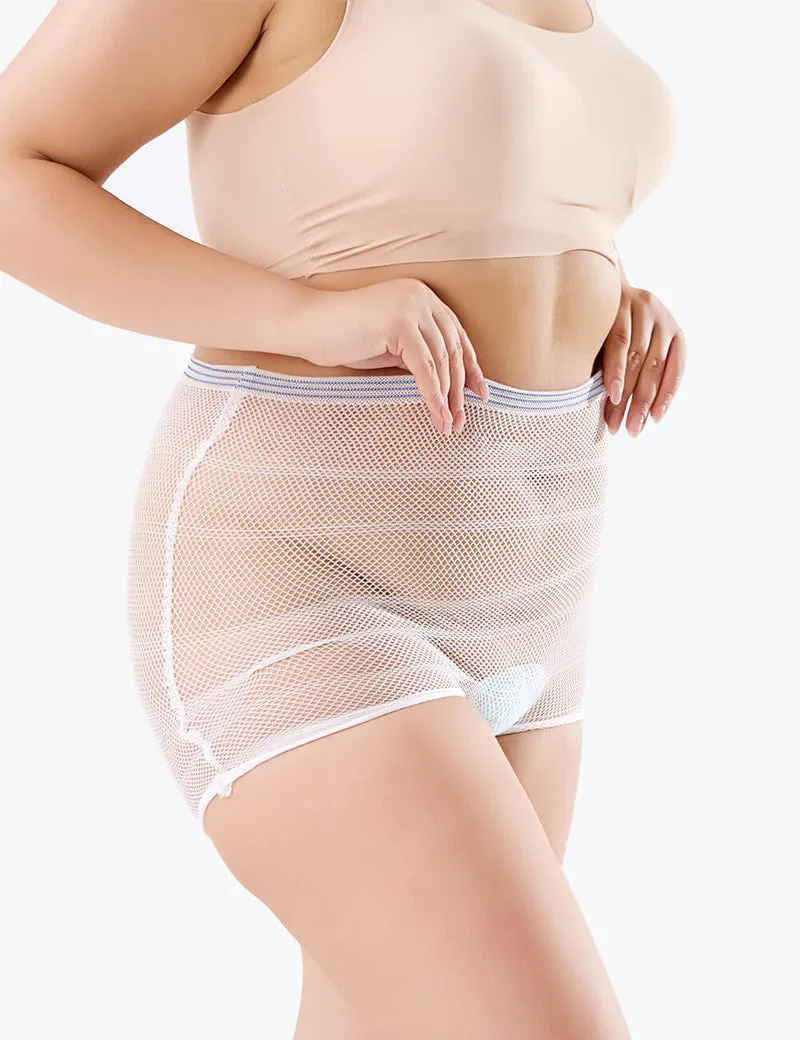
Most hospitals provide basic mesh panties during your stay, but many parents stock up on additional disposable postpartum underwear for the first two to four weeks at home when bleeding is heaviest.
Mesh Panties vs Disposable Postpartum Underwear: Key Differences
The terms often overlap, but the construction and fit vary enough to matter during recovery.
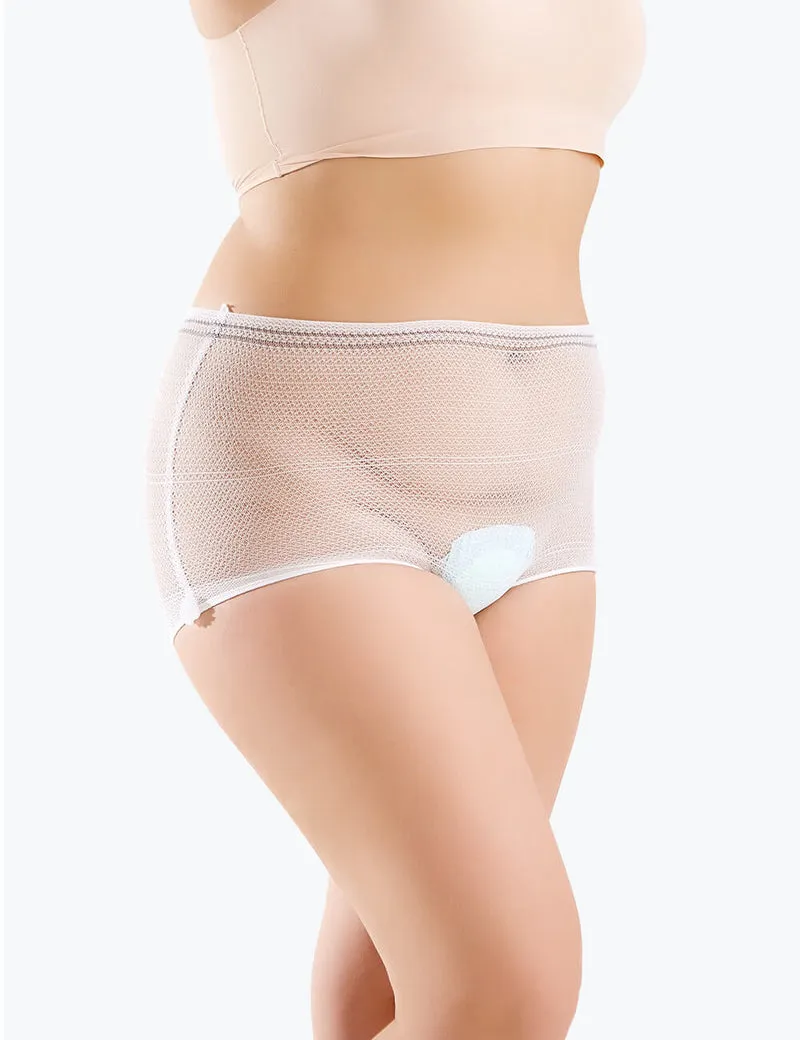
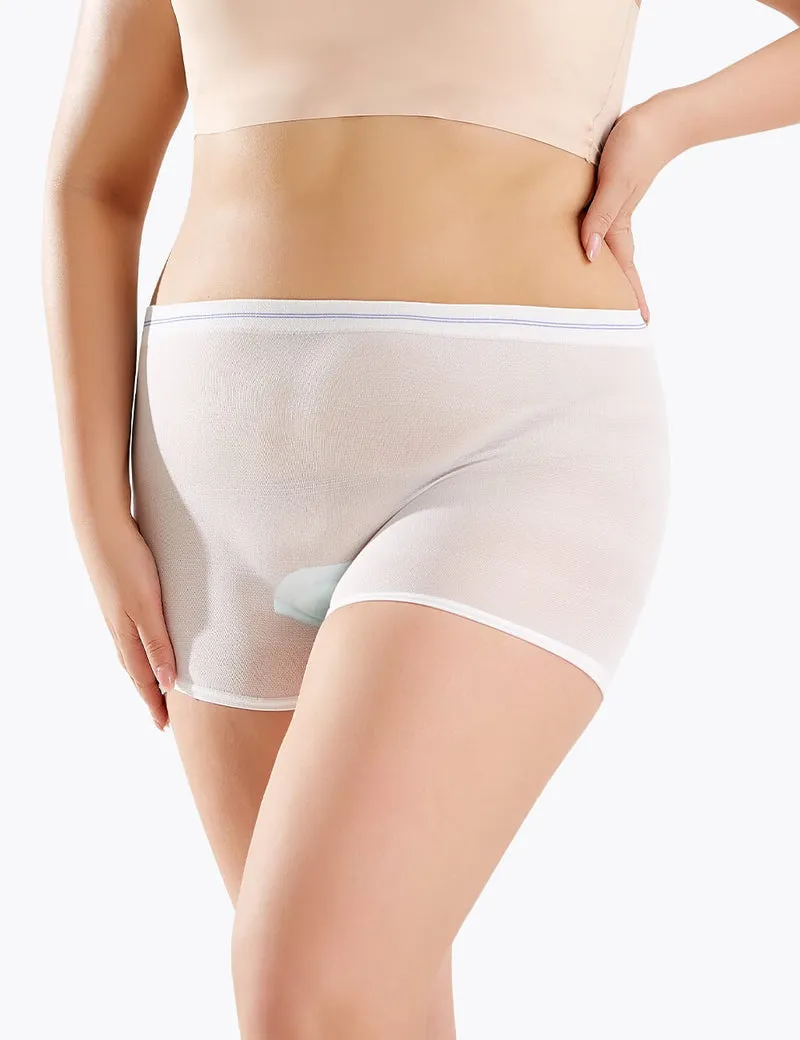
Mesh panties feature an open-weave, stretchy netting that breathes well and accommodates bulky pads or ice packs. Hospital underwear typically uses this lightweight mesh design because it fits most sizes without elastic that digs into incisions or swelling. The trade-off: the thin material can tear if you pull too hard, and the fit is loose enough that overnight leaks sometimes reach your sheets.
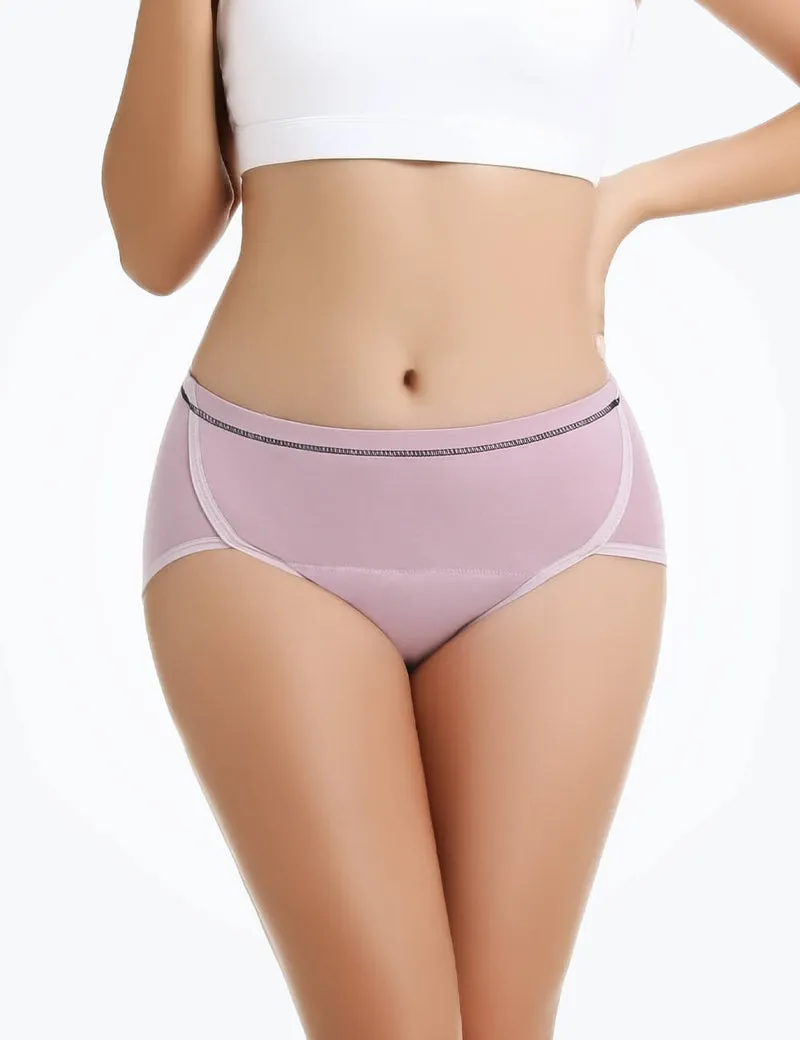
Disposable postpartum underwear with integrated pad layers adds a thin absorbent liner directly into the underwear, offering a bit more leak backup than mesh alone. These are closer to adult incontinence styles and work well if you prefer a snugger fit or want to skip the separate pad step during quick bathroom trips. For parents managing both postpartum bleeding and bladder leaks, bladder leak underwear provides extra absorbency in a similar disposable format.
| Feature | Mesh Panties | Padded Disposable Underwear |
|---|---|---|
| Breathability | Excellent (open weave) | Moderate (integrated layers) |
| Pad compatibility | Yes, holds any size pad | Built-in liner or paired with thin pad |
| Fit after c-section | Loose, no pressure on incision | Snug waistband may need sizing up |
| Cost per wear | $0.50 to $1.00 | $1.50 to $2.50 |
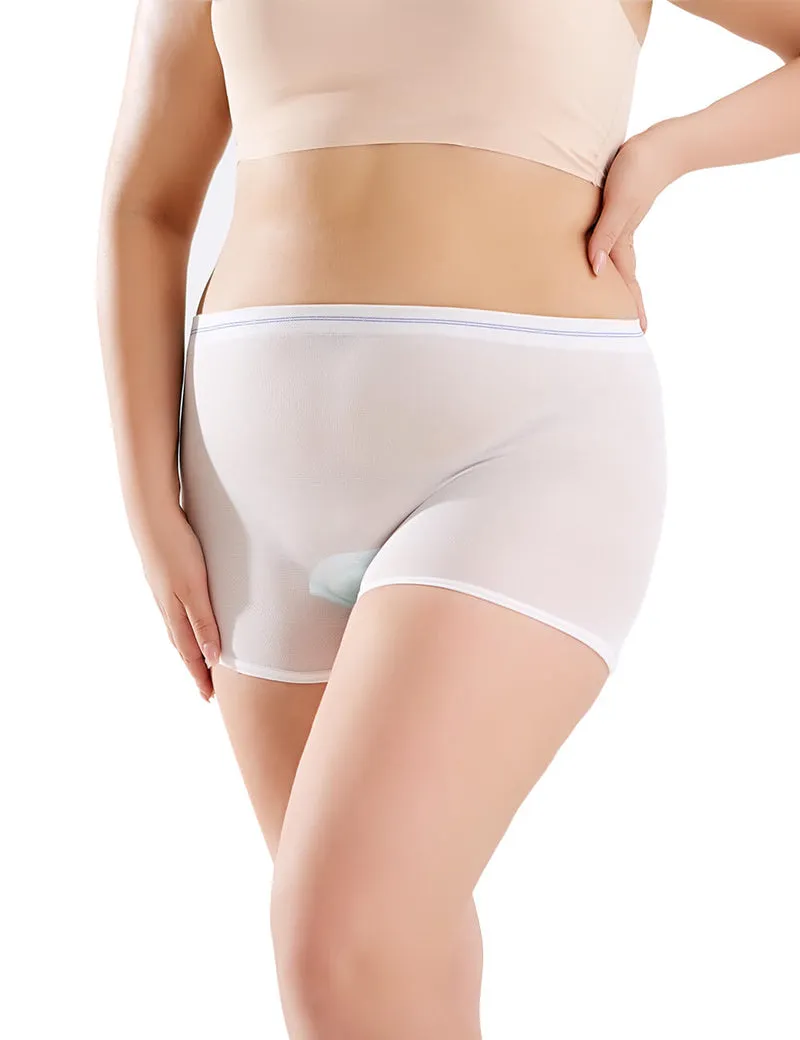
Both styles are single-use, but many parents find mesh undies more forgiving during the first week when swelling peaks. Grab the code to save 10% on multi-packs that let you try both formats without doubling your budget.
Best Postpartum Disposable Underwear for C-Section Recovery
C-section incisions sit right where most underwear waistbands land, so the wrong pair can rub, pinch, or irritate the healing site. We recommend high-rise mesh styles that you can fold down below the incision line or low-rise options that sit safely underneath.
Gauze panties use a softer, non-scratchy material that many c-section parents prefer over standard mesh. The gauze weave is still breathable but feels gentler against tender skin and holds its shape better when you sit or stand frequently during those early days.
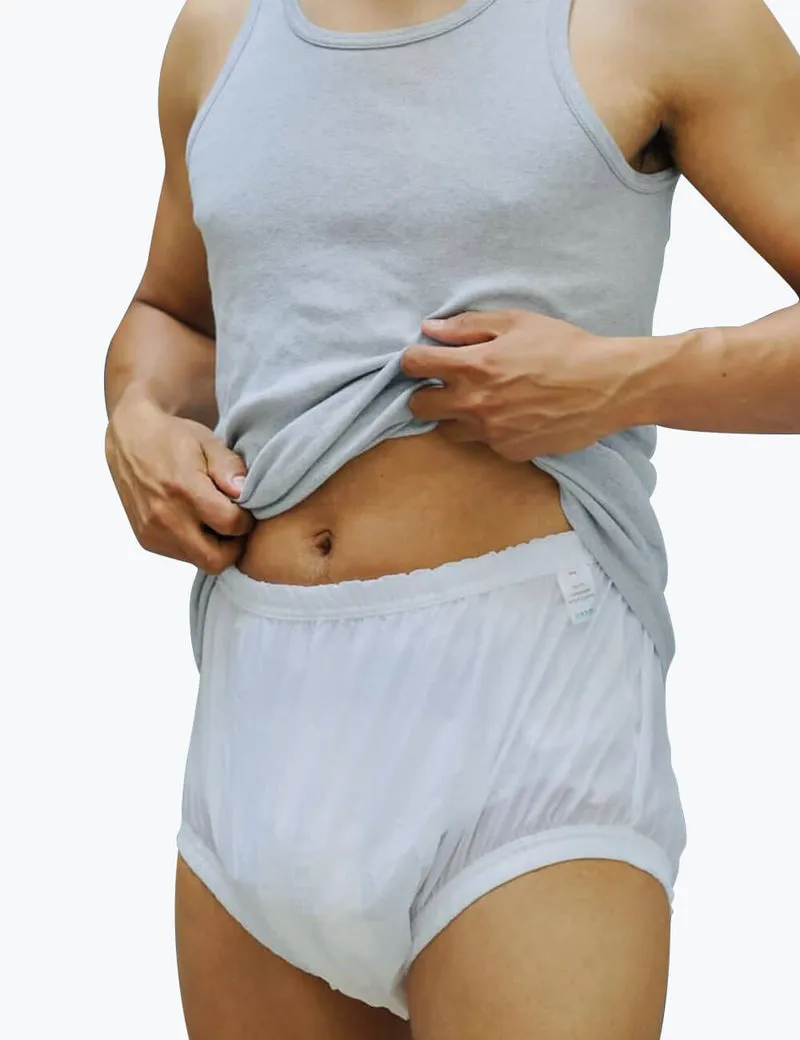
For overnight protection after a c-section, layering disposable postpartum underwear with a waterproof outer cover prevents leaks from reaching your mattress. Plastic pants slip over your disposable underwear and maternity pad to create a leak-proof barrier without adding bulk or heat. Some parents also use adult plastic pants for the same purpose, especially during long car rides or the first night home from the hospital.
Postpartum Disposable Underwear with Pad: When to Use the Combo
Pairing disposable underwear with a separate maternity pad gives you more control over absorbency than relying on a built-in liner alone. During the first 48 hours postpartum, bleeding is heaviest and clots are common, so thick overnight pads inside stretchy mesh panties handle the volume better than most integrated designs.
By week two, flow typically lightens to a heavy-period level, and some parents switch to disposable styles with a thin built-in pad for daytime wear. This combo works well for quick errands or pediatrician appointments when you want one less item to pack in your diaper bag.
If you experience postpartum urinary incontinence alongside lochia, bladder leak underwear bridges both needs with targeted absorbency zones. These are reusable rather than disposable, so they make sense once bleeding slows and you are ready to reduce single-use waste. Check the latest price to compare per-wear costs between disposable and washable options as your recovery progresses.
How Long You Will Actually Use Disposable Postpartum Underwear
Most parents go through one to two packs of disposables during the first two weeks, then taper off as bleeding lightens. A standard pack contains 8 to 16 pairs, so buying two packs (16 to 32 total) covers the heaviest phase without overstocking.
- Days 1 to 7: Change disposable underwear every 3 to 6 hours depending on flow; expect to use 3 to 5 pairs per day
- Weeks 2 to 4: Flow decreases; many parents switch to period underwear or regular underwear with a pad, using 1 to 2 disposables per day for overnight or outings
- Week 4+: Lochia shifts to light spotting; most people transition fully to reusable options or regular underwear
C-section parents sometimes use disposables a few days longer to avoid waistband pressure during the most sensitive healing window. If you deliver multiples or experience heavier-than-average bleeding, stock an extra pack to avoid mid-recovery supply runs.
Sizing and Fit Tips for Mesh and Disposable Styles
Hospital-grade mesh undies come in one-size or simple S/M and L/XL splits because the open weave stretches across a wide range. If you wore size 6 to 14 pre-pregnancy, standard or medium mesh fits most postpartum bodies. Size 16+ or significant third-trimester swelling usually means large or XL will be more comfortable.
Disposable underwear with a closer fit requires more precise sizing. Check the brand’s size chart against your current weight rather than your pre-pregnancy size, since fluid retention and c-section swelling add inches around your hips and waist for the first week or two. When in doubt, size up; tight elastic against a healing perineum or incision is miserable.
Parents and People both highlight that the best postpartum disposable underwear balances a secure hold with enough stretch to accommodate ice packs, dermoplast spray, and thick pads without creating pressure points.
Reusable Alternatives Once Bleeding Slows
Disposables are a postpartum staple, but they generate waste and add up in cost if you use them for the full six-week lochia window. Once flow drops to a moderate level around week three, many parents switch to washable options that handle light to moderate leaks.
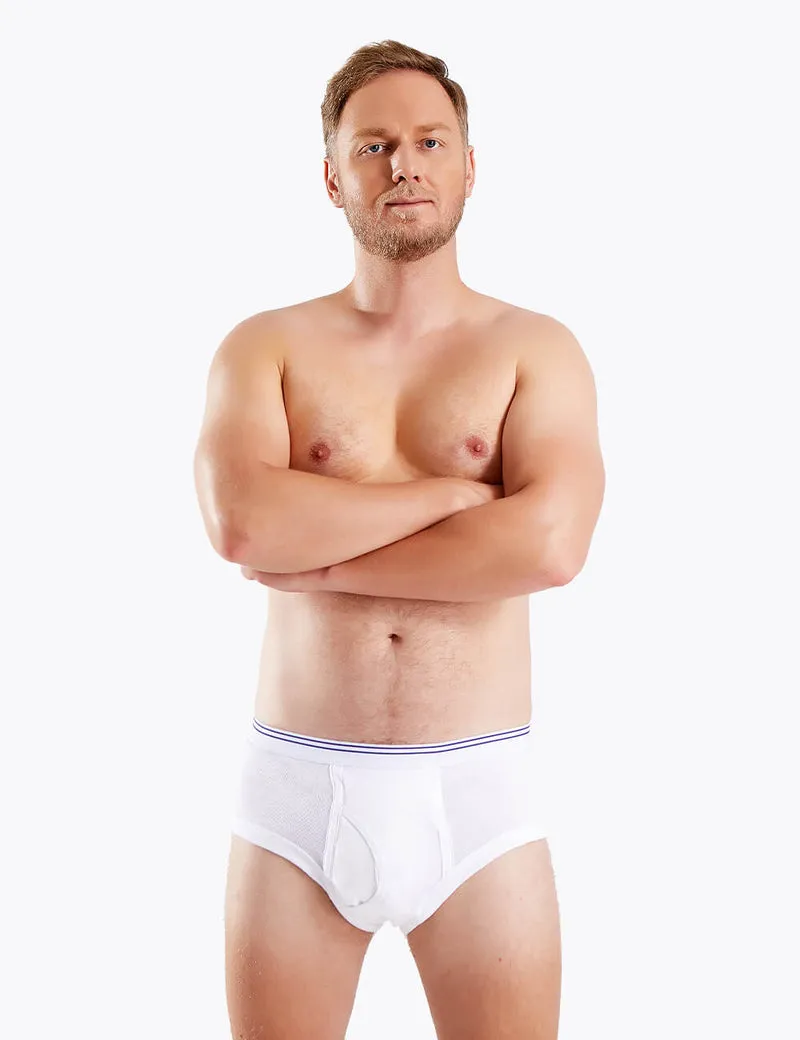
Wearever incontinence h-fly boxer briefs offer a unisex, breathable design with built-in absorbency that works well during the tail end of postpartum bleeding or for ongoing stress incontinence after delivery. The longer leg and fly front make bathroom trips easier than traditional brief styles, and the moisture-wicking fabric prevents the chafing that sometimes happens with all-day pad wear.
For parents who want waterproof backup without disposables, rubber panties layer over regular underwear and a cloth pad to prevent leaks during sleep or exercise. These are especially useful if you are cleared for light walking or postpartum yoga before lochia fully stops.
Some families also keep free adult diapers on hand for overnight use during the first week, particularly after vaginal births with significant tearing or if you are managing both postpartum bleeding and fecal incontinence. These provide more coverage than underwear alone and reduce the risk of middle-of-the-night sheet changes when you are already sleep-deprived. Visit the store to compare absorbency levels and find the right transition point between disposables and reusables for your recovery timeline.
What to Pack for the Hospital and the First Week Home
Your hospital will supply basic mesh panties, but the quantity varies and the standard-issue pairs are not always the most comfortable. Packing your own ensures you have backups and a style that fits your body better.
Hospital bag checklist:
- 4 to 6 pairs of disposable postpartum underwear or mesh undies
- 1 to 2 pairs of plastic pants for overnight leak protection
- At least 2 packs of overnight maternity pads (hospitals provide some, but not always enough)
- 1 pack of gauze panties if you are having a planned c-section
First week at home:
- 16 to 24 total disposable underwear (assumes 3 to 4 per day)
- 1 waterproof mattress pad
- Extra maternity pads in multiple absorbencies
- Optional: bladder leak underwear if you experienced incontinence during late pregnancy
Brands like Always Discreet now offer postpartum-specific designs in drugstores, but specialty medical suppliers often carry larger multi-packs at better per-unit pricing. Compare your options and stock up before your due date so you are not scrambling during early labor or sending your partner on a late-night supply run.
Postpartum recovery is hard enough without worrying about laundry or leaks. The right disposable postpartum underwear keeps you comfortable, protected, and focused on healing and bonding with your baby instead of managing messes.
Questions
How many disposable postpartum underwear should I buy before delivery?
Most parents use 16 to 32 pairs total during the first two to four weeks, with the heaviest use in the first week. Two packs of 8 to 16 pairs each covers the immediate postpartum period without overstocking.
Can I use mesh panties after a c-section?
Yes, mesh panties work well after a c-section because the stretchy material does not put pressure on your incision. Choose high-rise styles you can fold down or low-rise options that sit below the incision line for the most comfort.
Are disposable postpartum underwear with built-in pads better than mesh panties with separate pads?
It depends on your flow and preference. Mesh panties with separate pads offer more absorbency control during heavy bleeding, while disposable underwear with built-in liners works well for lighter flow and quick changes. Many parents use mesh first, then switch to padded disposables as bleeding slows.
Do I need waterproof plastic pants over disposable postpartum underwear?
Plastic pants add extra leak protection for overnight or during the first few days when bleeding is heaviest. They are optional but help prevent leaks from reaching your sheets or car seat during early recovery.
When can I stop using disposable postpartum underwear and switch to regular underwear?
Most parents transition to period underwear or regular underwear with a pad around week two to four as bleeding lightens to a moderate or light flow. Listen to your body and switch when you feel confident managing lighter lochia without disposables.
What is the difference between hospital mesh panties and store-bought disposable postpartum underwear?
Hospital mesh panties are usually one-size, open-weave netting designed for maximum breathability and universal fit. Store-bought disposable postpartum underwear often has a closer fit, more size options, and sometimes includes a built-in absorbent liner for added leak protection.
Products in this guide
 Shopping at Carerspk? See the discount code
10% OFF Sitewide
Shopping at Carerspk? See the discount code
10% OFF Sitewide
More in this series
When to Use Mesh Undies: Hospital Recovery, Postpartum, and Incontinence Care15 Aug 20265 minWhat’s the Difference Between Rubber Pants and Plastic Pants for Incontinence Protection?15 Aug 20264 minHow Long Do Bladder Leak Underwear Last With Daily Washing?15 Aug 20265 minDo Plastic Pants Over Adult Diapers Actually Prevent Leaks?15 Aug 20265 minHow to Choose the Right Incontinence Underwear for Men: Boxer Briefs vs Protective Pants15 Aug 20264 min