 A Carerspk guide
How to Choose the Right Incontinence Underwear for Men: Boxer Briefs vs Protective Pants
Choosing between wearever incontinence h-fly boxer briefs and protective pants depends on your absorbency needs, lifestyle, and comfort preferences.
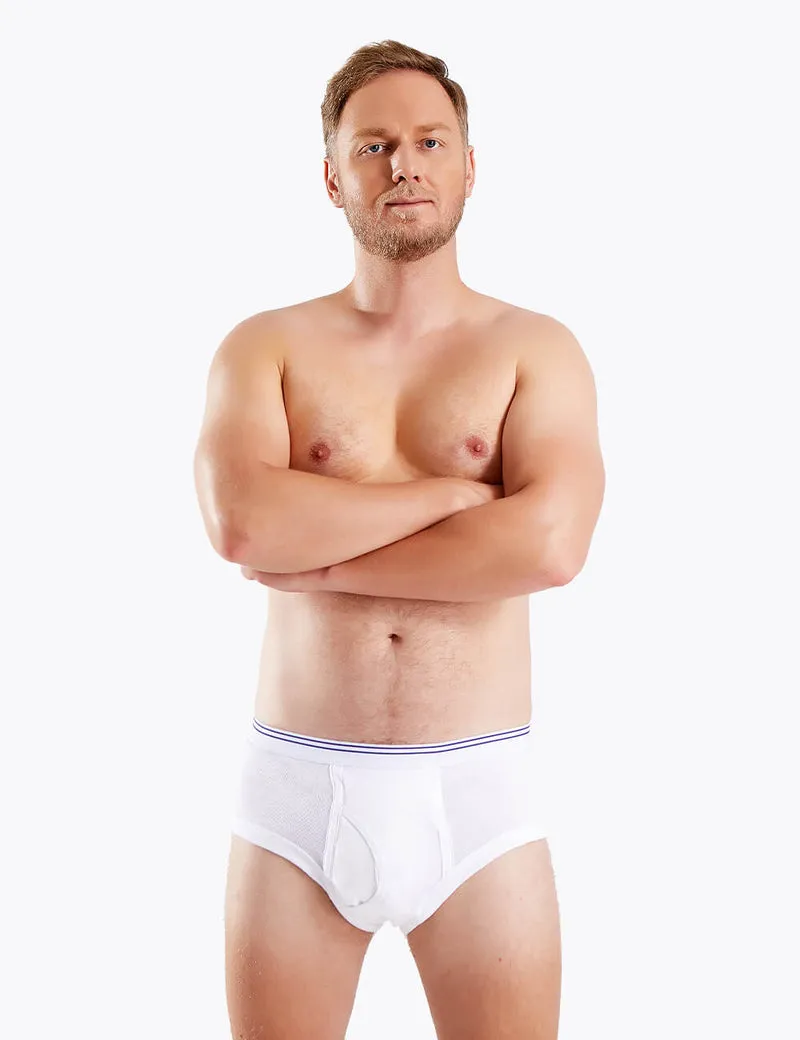
When you’re comparing wearever incontinence h-fly boxer briefs to plastic pants or other protective options, the right choice comes down to absorbency level, comfort, and how active your lifestyle is. Reusable boxer briefs like the wearever incontinence h-fly boxer briefs offer built-in protection that looks and feels like regular underwear, while protective pants such as adult plastic pants act as waterproof covers over absorbent pads or disposables.
What Makes Wearever Incontinence H-Fly Boxer Briefs Different
The Men’s Maximum Absorbency H-Fly Boxer Brief design integrates a multi-layer absorbent panel directly into the garment, so you don’t need separate pads or liners. The H-fly feature is a horizontal opening that makes bathroom access faster and more discreet than traditional fly designs.
Key features of the wearever incontinence h-fly boxer briefs include:
- Built-in absorbent core sewn into the crotch and front panel
- Horizontal fly opening for quick access without removing the garment
- Reusable construction that holds up through dozens of washes
- Snug boxer-brief fit that stays in place during movement
- Moisture-wicking outer layer to keep skin dry
This style works well for light to moderate incontinence when you want the look and feel of standard underwear. Check the latest price to see current offers on wearever styles.
When Protective Pants Are the Better Choice
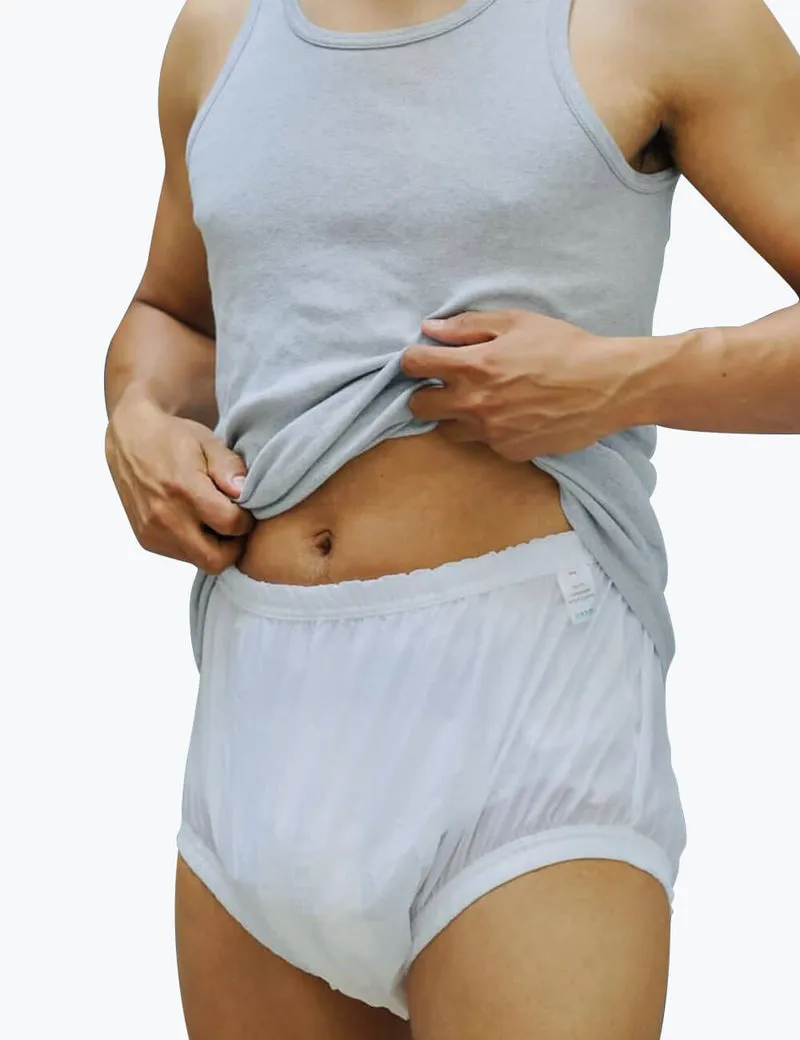
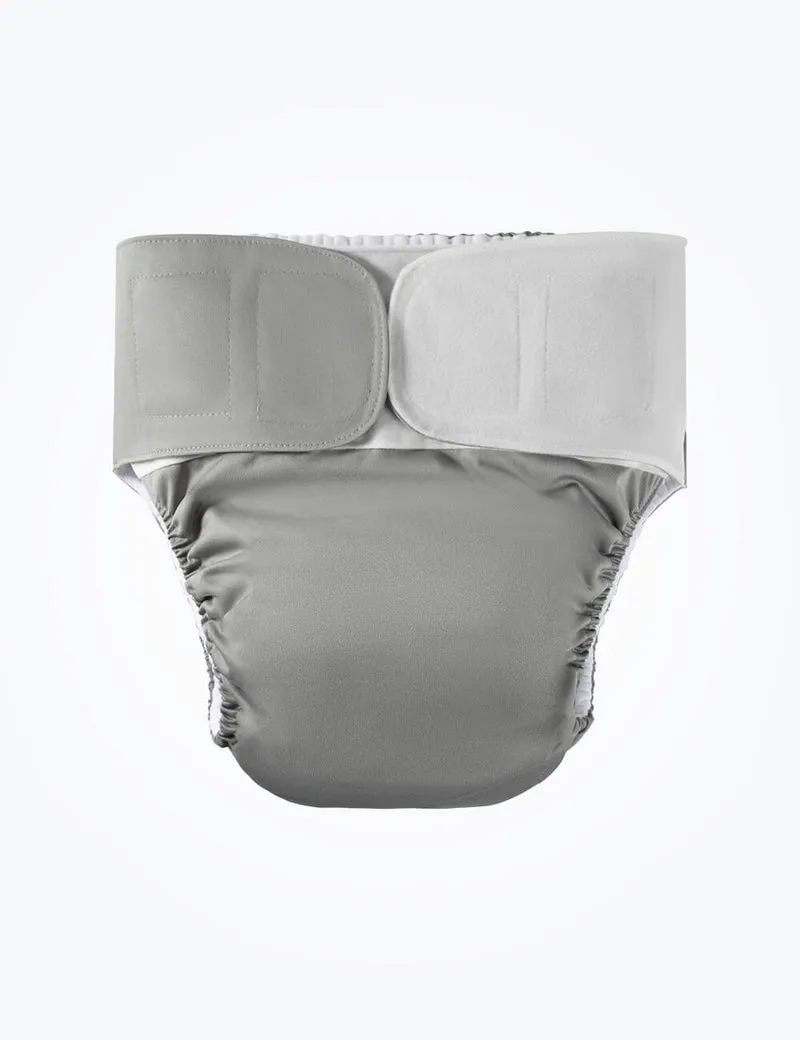
Plastic pants, rubber panties, and adult plastic pants serve as waterproof barriers worn over absorbent products like free adult diapers or cloth inserts. They prevent leaks from reaching outer clothing but don’t provide absorbency on their own.
Choose protective pants when:
- You need heavy absorbency for overnight or extended wear
- You’re pairing them with disposable pads or diapers
- You require a backup layer for extra security
- You prefer changing only the inner absorbent layer while reusing the outer barrier
Protective pants come in vinyl, PVC, and rubber materials. Vinyl options breathe less but offer complete waterproofing, while some newer designs include breathable panels to reduce heat buildup.
Comparing Absorbency and Coverage
| Style | Best For | Absorbency Source |
|---|---|---|
| Wearever boxer briefs | Light to moderate leaks, daily wear | Integrated absorbent layers |
| Plastic pants | Heavy protection, overnight use | External pad or diaper (required) |
| Bladder leak underwear | Occasional drips, active lifestyles | Built-in absorbent panel |
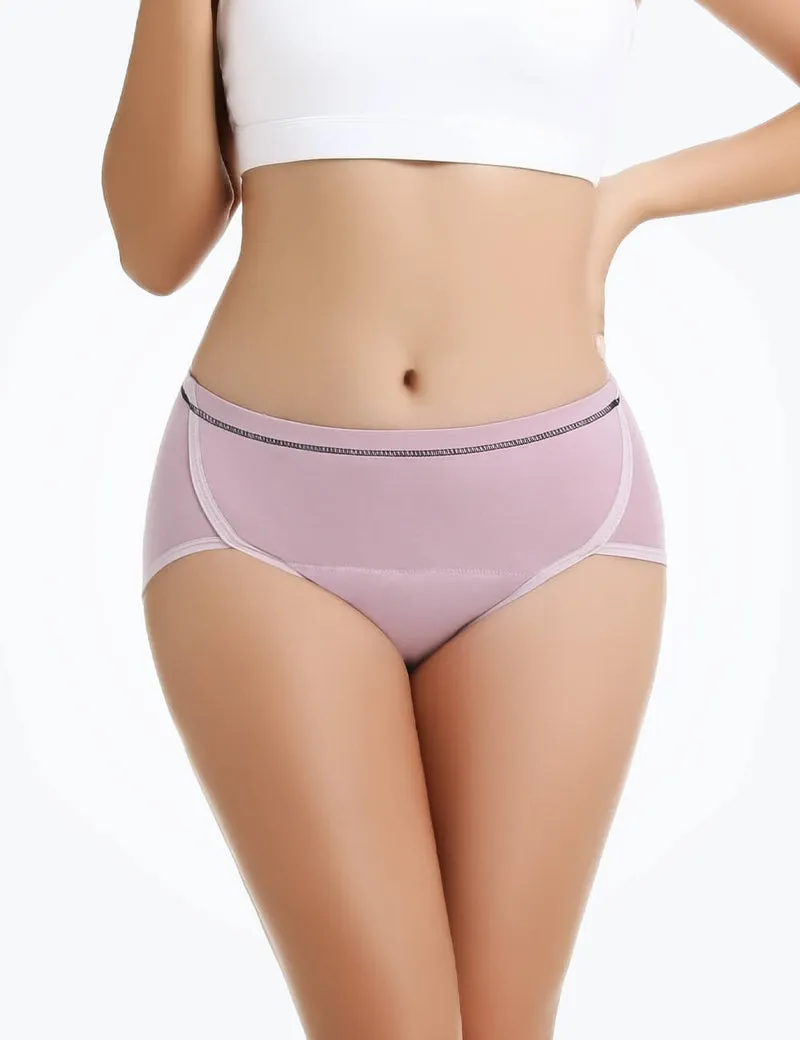
Bladder leak underwear falls into the same category as wearever boxer briefs, they’re standalone garments with sewn-in protection. The main difference is absorbency capacity and fit style. Boxer briefs offer more coverage and typically handle moderate leaks better than brief-cut styles.
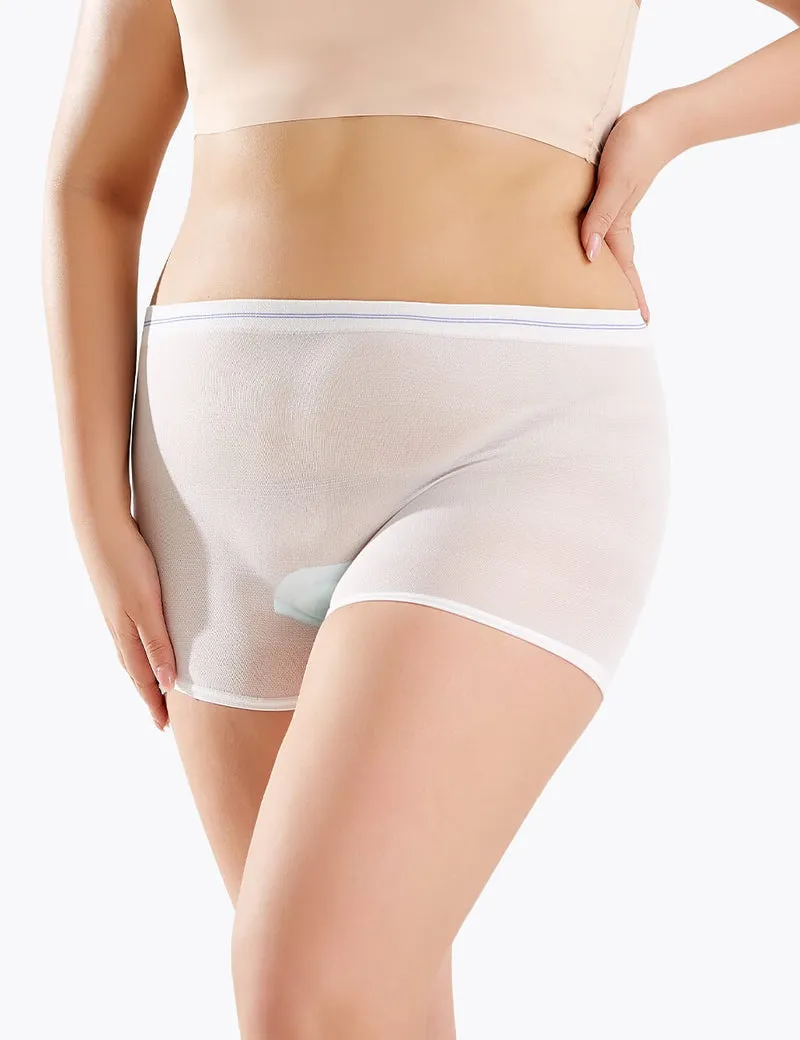
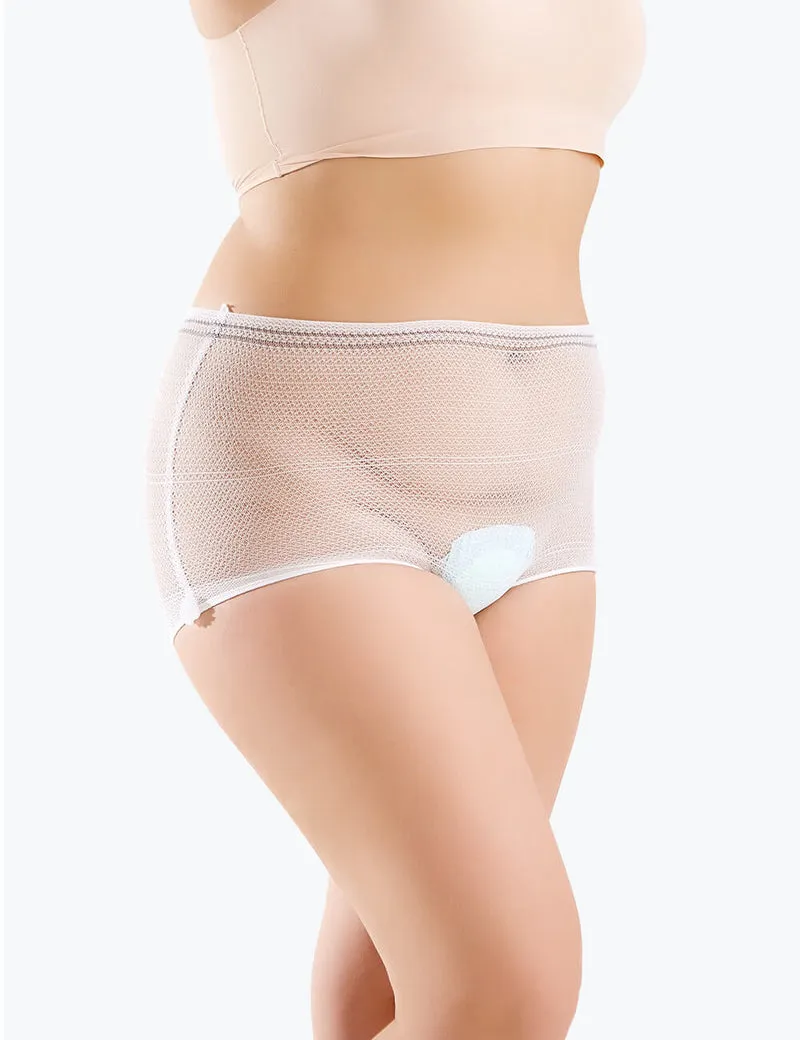
If you’re managing postpartum recovery or post-surgical needs, disposable postpartum underwear and hospital underwear provide single-use convenience with built-in absorbency, though they’re designed for shorter-term use than reusable options.
Sizing and Fit Considerations
Proper fit is critical for leak prevention. Wearever incontinence h-fly boxer briefs should fit snugly around the waist and thighs without binding or gapping. Too loose and you’ll get leaks along the leg openings; too tight and you’ll experience chafing and discomfort.
Sizing tips for boxer briefs:
- Measure your waist at the point where you normally wear pants, not at your natural waistline
- If you’re between sizes, size up for comfort or size down for maximum leak security
- Check the leg elastic, it should lay flat against your thigh without rolling or cutting in
- Allow for slight shrinkage after the first few washes
For plastic pants worn over other products, you’ll typically need one size larger than your underwear size to accommodate the bulk of the inner absorbent layer. The waist and leg bands should create a gentle seal without leaving deep marks on your skin.
Care and Longevity
Reusable incontinence underwear requires proper washing to maintain absorbency and eliminate odor. We recommend:
- Rinse immediately after use in cold water to prevent staining
- Machine wash in warm water with a mild, fragrance-free detergent
- Skip fabric softener which coats absorbent fibers and reduces performance
- Line dry or tumble on low to extend fabric life
- Avoid bleach on colored styles, though white garments can handle occasional bleaching
Wearever boxer briefs typically last 50 to 100 washes with proper care. Protective pants made from vinyl or rubber last even longer since they don’t absorb fluids, just wash with soap and water and air dry.
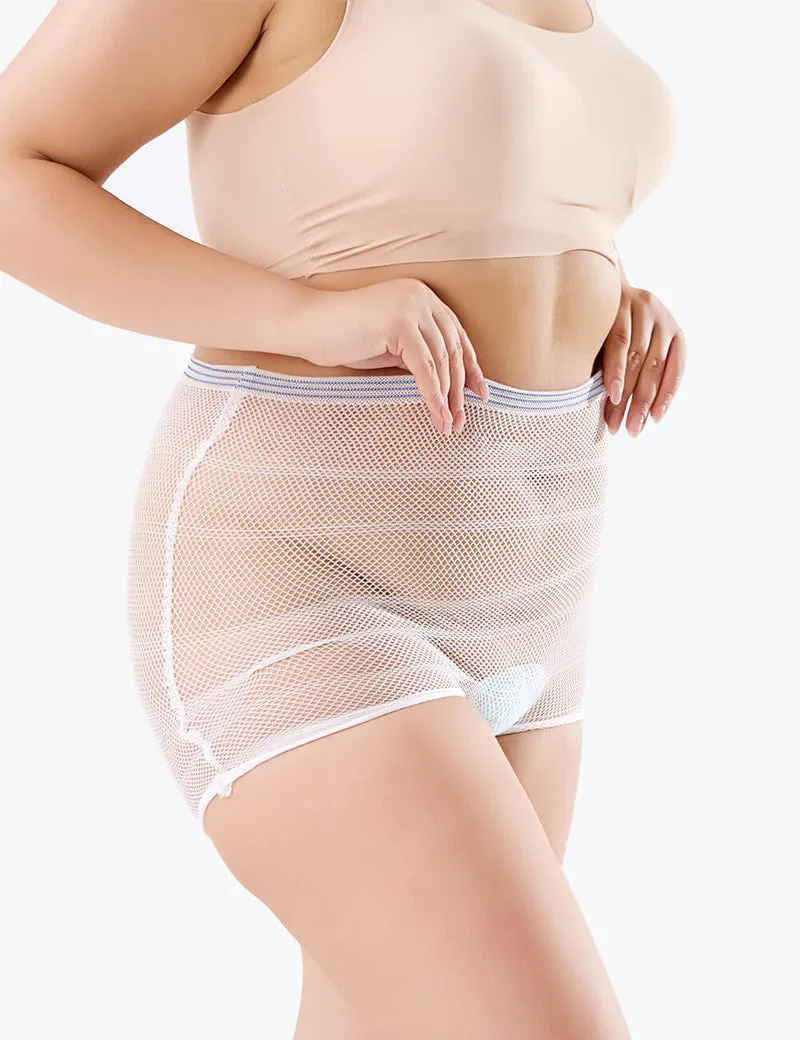
Disposable options like mesh panties, mesh undies, and gauze panties are single-use products meant for situations where laundering isn’t practical, such as travel, hospital stays, or immediate postpartum recovery.
Which Style Fits Your Lifestyle
Active men who work, exercise, or spend time away from home often prefer bladder leak underwear or wearever boxer briefs because they’re discreet under clothing and don’t require carrying extra supplies. The built-in protection handles unexpected leaks during meetings, commutes, or workouts without bathroom trips to change pads.
If you’re managing heavier incontinence or nighttime leaks, layering adult plastic pants over a high-capacity disposable or reusable pad gives you more absorbency than any single-layer garment can provide. This combination approach offers peace of mind for overnight wear or long travel days.
Budget matters too. Reusable options have a higher upfront cost but pay off over time compared to buying disposables monthly. Grab the code to save 10% on your first order and test a few styles to see what works best before committing to a full week’s supply.
Making Your Decision
Start by honestly assessing your absorbency needs. Light drips and occasional stress incontinence respond well to wearever incontinence h-fly boxer briefs or similar built-in styles. Moderate to heavy leaks, especially overnight, call for protective pants paired with higher-capacity absorbent products.
Consider your daily routine. If you need something that travels well and launders easily, reusable boxer briefs win. If you’re caregiving or managing post-surgical recovery, disposable options plus protective covers offer easier changes and less laundry.
Most men find success with a mix: reusable boxer briefs for daytime and lighter activities, protective pants with disposables for nighttime security. Testing a few options helps you dial in the right balance of protection, comfort, and convenience for your specific situation.
Questions
How much liquid can wearever incontinence h-fly boxer briefs absorb?
Wearever boxer briefs with maximum absorbency typically handle light to moderate leaks, absorbing several ounces of fluid. The exact capacity depends on the specific model and layer configuration, so check product details for your needs.
Can I wear plastic pants alone without a diaper or pad?
No, plastic pants and rubber panties are waterproof barriers only and provide no absorbency. You must wear them over an absorbent product like a diaper, pad, or cloth insert to manage leaks.
Do reusable incontinence boxer briefs smell after multiple washes?
Proper care prevents odor buildup. Rinse immediately after use, wash in warm water with fragrance-free detergent, and skip fabric softener. Most users report no lingering smell when following these steps.
Which is more discreet under pants, boxer briefs or protective pants?
Boxer briefs with built-in absorbency are more discreet because they look like regular underwear and have a slimmer profile. Protective pants worn over diapers add bulk and may show visible lines under fitted clothing.
How many pairs of reusable incontinence underwear do I need?
Most men start with five to seven pairs so they have a fresh pair daily while others are in the wash. This rotation ensures you always have clean underwear available without constant laundry.
Are disposable mesh panties suitable for male incontinence?
Mesh panties and gauze panties are designed for post-surgical or postpartum use and provide minimal absorbency. They work for very light protection or holding pads in place but aren't ideal for managing regular incontinence.
Products in this guide
 Shopping at Carerspk? See the discount code
10% OFF Sitewide
Shopping at Carerspk? See the discount code
10% OFF Sitewide
More in this series
When to Use Mesh Undies: Hospital Recovery, Postpartum, and Incontinence Care15 Aug 20265 minWhat’s the Difference Between Rubber Pants and Plastic Pants for Incontinence Protection?15 Aug 20264 minHow Long Do Bladder Leak Underwear Last With Daily Washing?15 Aug 20265 minPostpartum Underwear Guide: Disposable vs Mesh Panties for Hospital and Home Recovery15 Aug 20266 minDo Plastic Pants Over Adult Diapers Actually Prevent Leaks?15 Aug 20265 min