 A Go Kalimba guide
How to Tune a Kalimba for Beginners: a Step-by-Step Guide
Learning how to tune a kalimba for beginners is straightforward once you understand the basic process and tools needed.
Learning how to tune a kalimba for beginners is straightforward once you understand the basic process and tools needed. Most beginners assume tuning requires special skills or expensive gear, but it’s actually a manageable task with the right approach. We’ll walk you through everything from identifying when your kalimba needs tuning to making precise adjustments that keep it sounding great.
Why tuning matters for your kalimba
A properly tuned kalimba is essential for playing anything that sounds musical. Even if you’re just starting out, an out-of-tune instrument will frustrate you and make it harder to develop your ear. Tuning drifts over time due to temperature changes, humidity, playing wear, and transport. Learning to tune a kalimba for beginners ensures you catch problems early and maintain the warm, resonant tone that makes the instrument special.
What you need to tune your kalimba
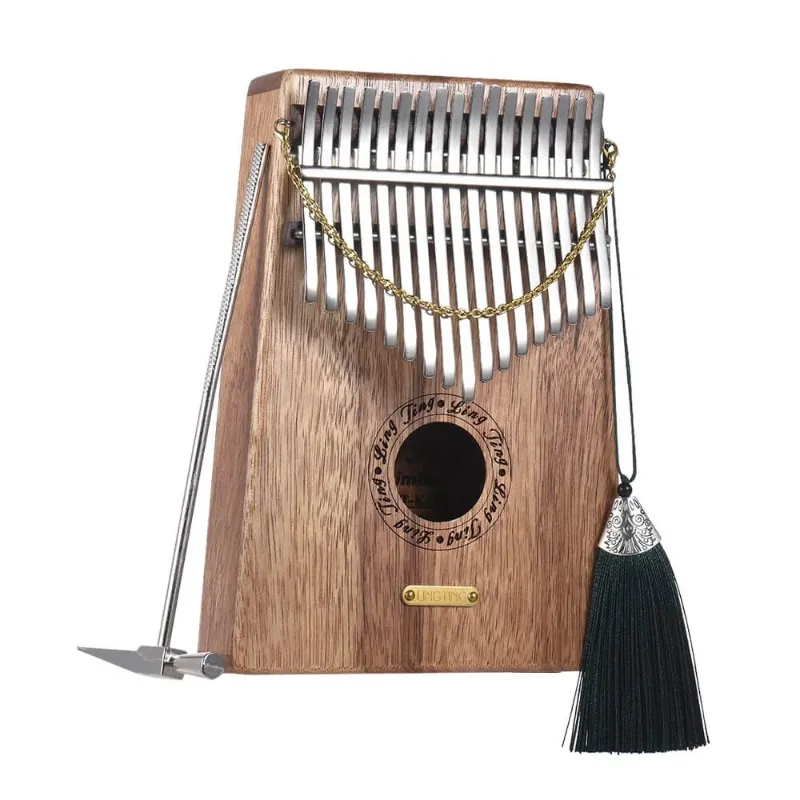
Before you start, gather the right tools. You don’t need much:
- A tuner app or device (digital chromatic tuners are accurate and affordable)
- A small, non-marring mallet or the provided tuning mallet
- A safe, flat workspace
- Optionally, a reference pitch (tuning fork or keyboard)
A Kalimba Tuner app works well if your phone has a decent microphone. Many are free or cost just a few dollars. Hardware tuners clip onto the kalimba or sit nearby and detect the pitch of each tine. Either option works fine for beginners.
Understanding kalimba note layout
Kalimbas are typically laid out with the lowest note in the center and higher notes alternating left and right. Most beginner 17-key kalimbas are tuned to C major. The center two tines are usually C (middle C or an octave above or below). Understanding this layout helps you know which tines correspond to which notes, making tuning systematic instead of guesswork.
Step-by-step guide to tune a kalimba for beginners
1. Set up in a quiet space. Find a room where you can hear the kalimba clearly and read your tuner. Wind and outside noise interfere with tuner accuracy.
2. Activate your tuner. Open your app or clip on your device. Make sure it’s set to chromatic mode so it reads all notes, not just one key.
3. Pluck the center tine (usually C). Strike it firmly and let the note ring. Watch your tuner display. It will show the note and how far off-pitch it is.
4. Check the direction. If the tuner shows the pitch is flat (too low), you need to tighten the tine. If it’s sharp (too high), loosen it. Tines are held in place by a central wooden or metal bar with screws or bolts on either side.
5. Make small adjustments. Using your mallet or the tuning wrench that came with your kalimba, turn the screw or bolt slightly. Turn clockwise to raise the pitch, counterclockwise to lower it. Move in tiny increments, a quarter turn often makes a noticeable change.
6. Re-pluck and check. After each adjustment, pluck again and watch the tuner. Repeat until the note sits right in the center of the tuner’s target zone. This might take a few tries to feel natural.
7. Work your way outward. Move to the next tine on one side, tune it, then do the matching tine on the other side. This keeps the kalimba balanced and prevents you from losing track of where you are. Continue until every tine is in tune.
8. Do a final listen. Once all tines are tuned, pluck each one again in sequence. Your ear should confirm they sound good together. How to Tune the Kalimba – How To Play offers additional visual references if you want more detail on the mechanics.
Common tuning mistakes to avoid
- Turning screws too aggressively. Large adjustments can strip the threads or bend the tines. Patience wins.
- Tuning in a noisy environment. Traffic, music, or chatter throw off your tuner’s reading.
- Forgetting that temperature affects pitch. A kalimba left in a cold car will drift flat. Let it warm up indoors for a bit before tuning.
- Tuning only one side. If you adjust the left tines and skip the right, your kalimba will sound unbalanced.
How often should you tune
New kalimbas often drift a bit in the first week or two as the tines settle. After that, tuning once every few weeks or whenever you notice the sound drifting is typical. If you play daily in a stable environment, monthly tuning usually suffices. Heavy playing or big temperature swings might require tuning more often. How to tune a novice Kalimba? The network’s most… provides additional insight for ongoing maintenance.
Getting a deal on a beginner kalimba
If you’re starting your kalimba journey, Go Kalimba offers quality beginner options. Check the latest price and grab a 5% discount on your first kalimba to make learning even more affordable.
Once your kalimba is tuned, the real fun starts. You’ll notice immediately how much better it sounds and how much easier it is to play simple melodies. Tuning becomes second nature after a few times, and you’ll build confidence handling your instrument. Keep practicing, and before long, tuning will feel as natural as playing.
Questions
How do I know if my kalimba is out of tune?
You'll notice the notes sound slightly off or 'weird' compared to a reference pitch. A tuner app or device is the most reliable way to check, but trained ears can often hear when something is flat or sharp. If you're unsure, use a tuner first.
Can I tune a kalimba for beginners without special tools?
You technically can use a small screwdriver if your kalimba has screw-based tuning, but a dedicated tuning wrench or mallet is gentler on the tines and easier to control. Most kalimbas come with one, so check your box first.
What's the best tuner app for kalimbas?
Any free chromatic tuner app works well as long as your phone has a decent microphone. Popular options include Tuner by Pulseworks and ChromaTuner. Hardware tuners are also affordable and avoid phone background noise.
How long does it take to tune a kalimba for beginners?
Your first full tune might take 20 to 40 minutes as you learn the process and get comfortable with the adjustments. With practice, you'll do it in 10 to 15 minutes. Speed improves as you develop a feel for how much each turn changes the pitch.
Will tuning damage my kalimba?
No, as long as you make gentle, gradual adjustments. Avoid forcing screws or turning them too far too fast. The kalimba is built to be tuned regularly, so treat it with normal care and it will be fine.
Shopping at Go Kalimba? See the discount code
5% OFF All Orders
More in this series
 How to Keep Your Kalimba in Tune: Maintenance Tips and When to Use a Kalimba Tuner11 Sep 20264 minWhy the Kalimba Is the Perfect First Instrument for Adults11 Sep 20264 minCaring for Your Kalimba: Cleaning, Storage, and Tine Maintenance11 Sep 20264 minThe Best Kalimba Sizes and Key Configurations Explained11 Sep 20264 minKalimba vs. Tongue Drum: Which Instrument Is Right for You?11 Sep 20263 min