 A Go Kalimba guide
How to Keep Your Kalimba in Tune: Maintenance Tips and When to Use a Kalimba Tuner
A kalimba tuner is essential for keeping your instrument in tune and sounding its best, whether you play a 17 key kalimba or an electric model.
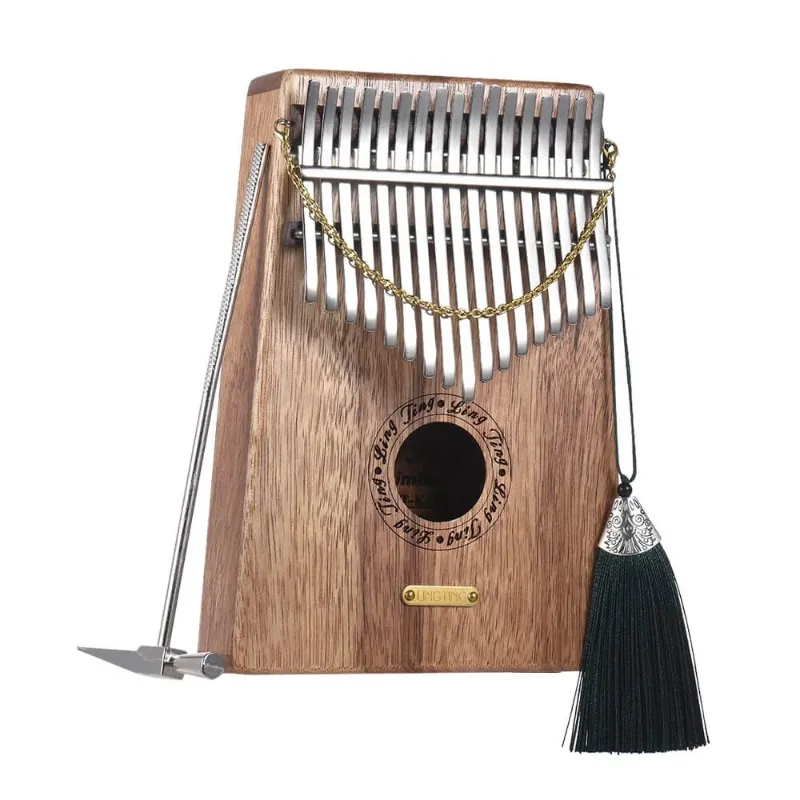
A kalimba tuner is essential for keeping your instrument in tune and sounding its best, whether you play a 17 key kalimba or an electric kalimba. Regular tuning and maintenance preserve the tone of your kalimba and ensure you’re playing at the correct pitch. We’ll walk you through how to use a tuner, when to tune, and how to care for your instrument so it stays sounding great.
Why You Need a Kalimba Tuner
A kalimba tuner helps you identify whether each tine is vibrating at the correct frequency. Without one, your kalimba can sound flat or sharp, especially after months of playing or environmental changes. Humidity, temperature shifts, and normal wear can all knock your tines out of alignment.
A reliable kalimba tuner removes the guesswork. Whether you’re a beginner or experienced player, you’ll hear the difference immediately when your instrument is properly tuned. Many players use both physical tuners and apps to cross-check their work.
Free and Online Kalimba Tuner Options
If you’re just starting out, several free kalimba tuner tools exist online. The Kalimba Tuner Online, 17 Key, 21 Key, 10 Key & 7 Note covers multiple kalimba sizes and works directly in your browser without installation. This is perfect for quick tuning sessions at home.
For mobile users, a kalimba tuner app on Android or iOS lets you tune anywhere. The Kalimba Tuner app runs on most devices and includes reference tones so you can compare pitch by ear. Many players find having both an online tool and an app on their phone covers most situations.
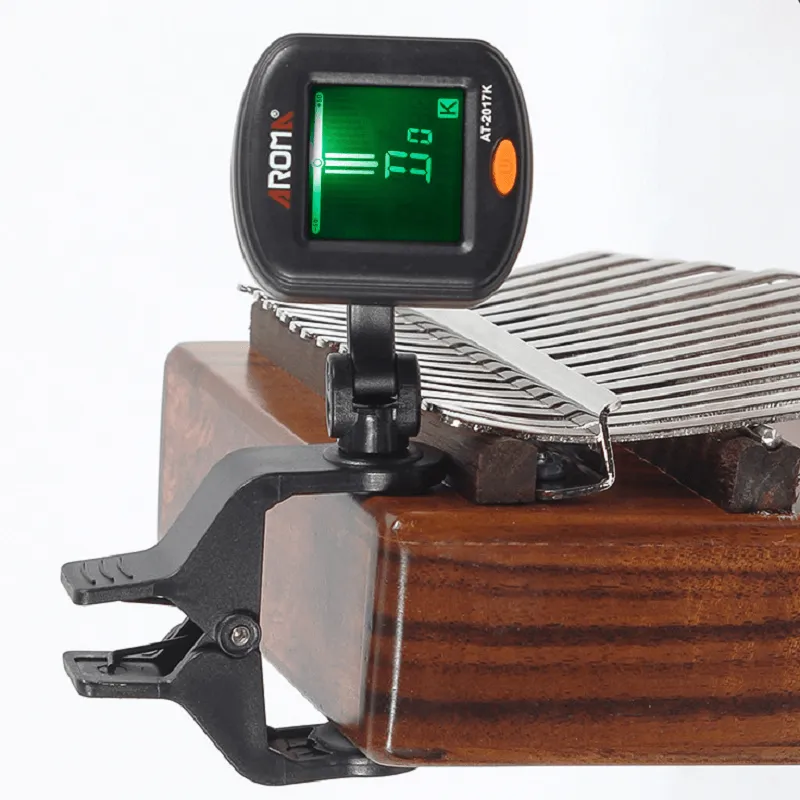
Free tools work well for regular maintenance. If you play frequently or perform, consider a dedicated kalimba tuner for consistent accuracy.
How to Tune Your Kalimba
Start by plucking one tine at a time and checking it against your tuner. Most tuners display whether you’re sharp, flat, or on pitch with a visual needle or light indicator. Pluck firmly and hold the note steady so the tuner reads accurately.
When a tine reads flat, gently tap it toward the center of the kalimba to raise the pitch. Tap it away from center to lower the pitch. Make small adjustments, a few millimeters makes a difference. Work through all the tines systematically, usually starting from the center and moving outward.
Environment matters. Tune your kalimba in the room where you’ll play most. If temperatures or humidity shift significantly, retune. Wood responds to moisture, so kalimbas tuned in winter might sound different in humid summer conditions.
Tuning Different Kalimba Models
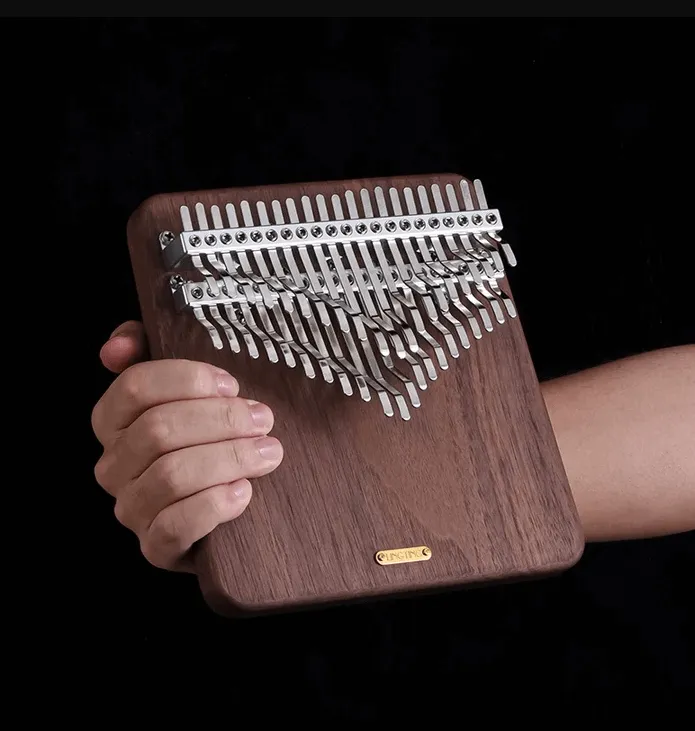
Different kalimba sizes need different approaches. A 17 key kalimba has more tines to tune than smaller models, so budget extra time. The chromatic kalimba follows a chromatic scale and requires careful attention to ensure semitones are accurate. An electric kalimba may need tuning of the physical tines even if you’re using pickups or amplification.
Smaller instruments like a finger harp or mykalimba tune faster but still benefit from the same systematic approach. Check your instrument’s documentation to confirm the exact tuning standard, most follow A4 = 440Hz.
| Kalimba Type | Number of Tines | Tuning Time | Best For |
|---|---|---|---|
| 17 Key | 17 | 15-20 mins | Versatile, most popular |
| Chromatic | 17+ | 20-25 mins | Advanced players, full melodies |
| Electric | Varies | 15-20 mins | Performance, amplified sound |
| Finger Harp | 8-10 | 5-10 mins | Portability, beginners |
When to Retune Your Kalimba
New kalimbas need tuning before first use. After that, tune every 1-2 weeks if you play regularly. Players who practice daily might tune weekly. Occasional players can go longer between tunings.
Retune immediately after:
- Dropping your kalimba or bumping it hard
- Moving it between drastically different climates
- Long storage periods
- Seasonal humidity changes
- Any time it sounds noticeably off
Store your kalimba in a protective case to minimize tuning drift. A case also protects the tines from damage that could require professional repair.
Maintaining Your Kalimba Between Tunings
Keep your kalimba clean and dry. Wipe tines gently with a soft cloth after playing to remove oils and dust. Avoid submerging it or using harsh cleaners.
Store your kalimba upright or in a padded case away from direct sunlight and extreme temperatures. Sunlight can fade wood and warp the body. Heat and cold cause wood to expand and contract, throwing off tuning.

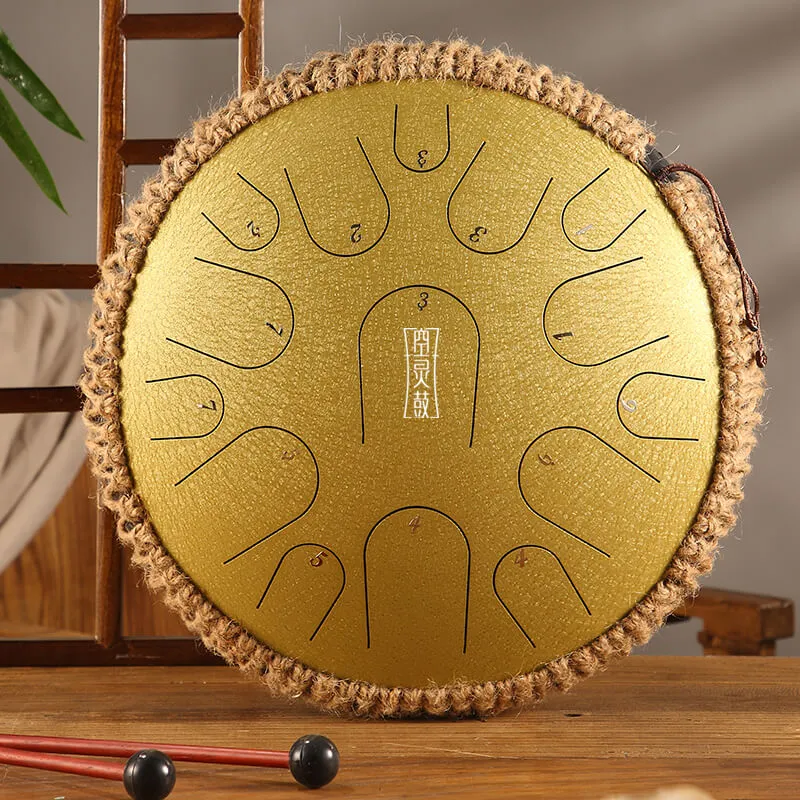
If you own complementary instruments like a bamboo wind chime or tank drum, store them separately so they don’t rattle against each other during transport or storage.
Check the mounting of your tines periodically. If any tine feels loose or vibrates oddly during tuning, it may need professional adjustment. Most kalimbas are built to last, but tines can occasionally shift slightly over years of playing.
Getting the Right Kalimba Tuner for Your Needs
For most players, a free online kalimba tuner or app works fine for routine maintenance. If you want consistent results without relying on your phone battery or internet, a physical tuner like our kalimba tuner offers reliability and speed.
Pair a tuner with Go Kalimba’s discount code to pick up a tuner and your kalimba at 5% off. Whether you’re tuning a 17 key kalimba, electric kalimba, or chromatic kalimba, having the right tools makes the process quick and painless.
Invest a few minutes in tuning weekly, and your kalimba will reward you with clear, accurate tones every time you play. A well-tuned kalimba is a joy to perform on and practice with.
Questions
What's the easiest way to tune a kalimba without a tuner?
You can use a free online kalimba tuner or a smartphone app to check pitch by ear. Many players start with a free tool like an online tuner, then graduate to a dedicated tuner for faster, more accurate results.
How often should I use a kalimba tuner on my 17 key kalimba?
Tune every 1-2 weeks if you play regularly, or once a month if you play casually. New kalimbas and those after travel or storage may need more frequent tuning.
Can a kalimba tuner app work as well as a physical tuner?
Yes, most kalimba tuner apps are accurate and convenient for home use. Physical tuners offer portability and don't rely on battery life, making them better for performers who tune on the go.
Do I need a special kalimba tuner for a chromatic kalimba?
No. A standard kalimba tuner works for all kalimba sizes and types, including chromatic models. Just ensure the tuner can display the full range of notes your instrument plays.
How do I know if my kalimba is out of tune?
Out-of-tune kalimbas sound flat, sharp, or muddy. Use a tuner to check; if notes sound significantly off pitch or the tone sounds dull, retune your tines by tapping them toward or away from the center.
Products in this guide
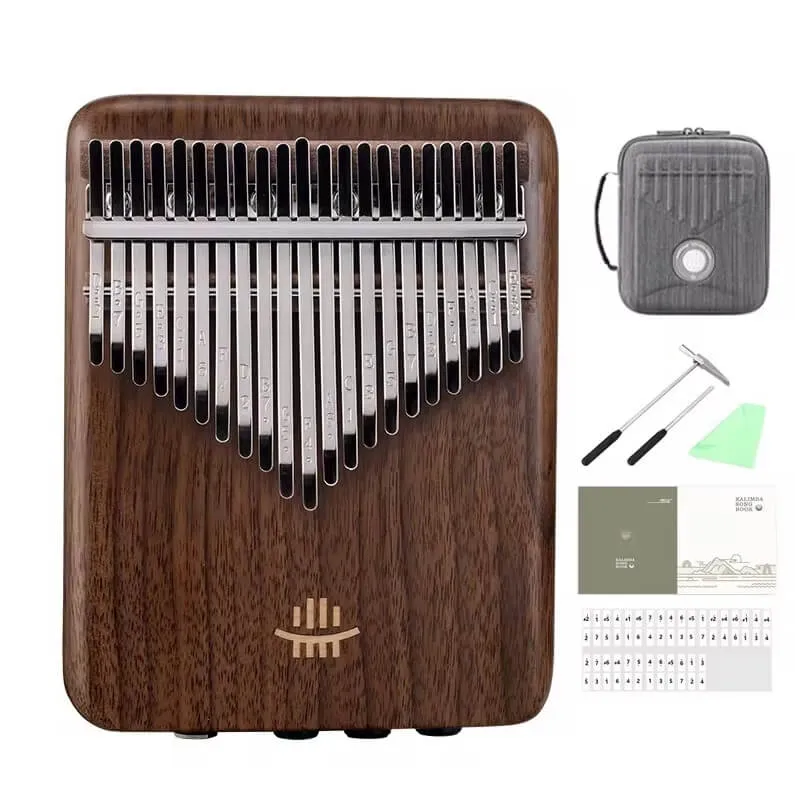

 Shopping at Go Kalimba? See the discount code
5% OFF All Orders
Shopping at Go Kalimba? See the discount code
5% OFF All Orders