 A Go Kalimba guide
Caring for Your Kalimba: Cleaning, Storage, and Tine Maintenance
Caring for kalimba properly means regular cleaning, smart storage, and protecting your tines from damage so your instrument stays in tune and sounds bright.
Caring for kalimba properly means regular cleaning, smart storage, and protecting your tines from damage so your instrument stays in tune and sounds bright. Whether you play daily or occasionally, your kalimba needs specific maintenance to preserve its tone and structural integrity.
Understanding Your Kalimba’s Construction
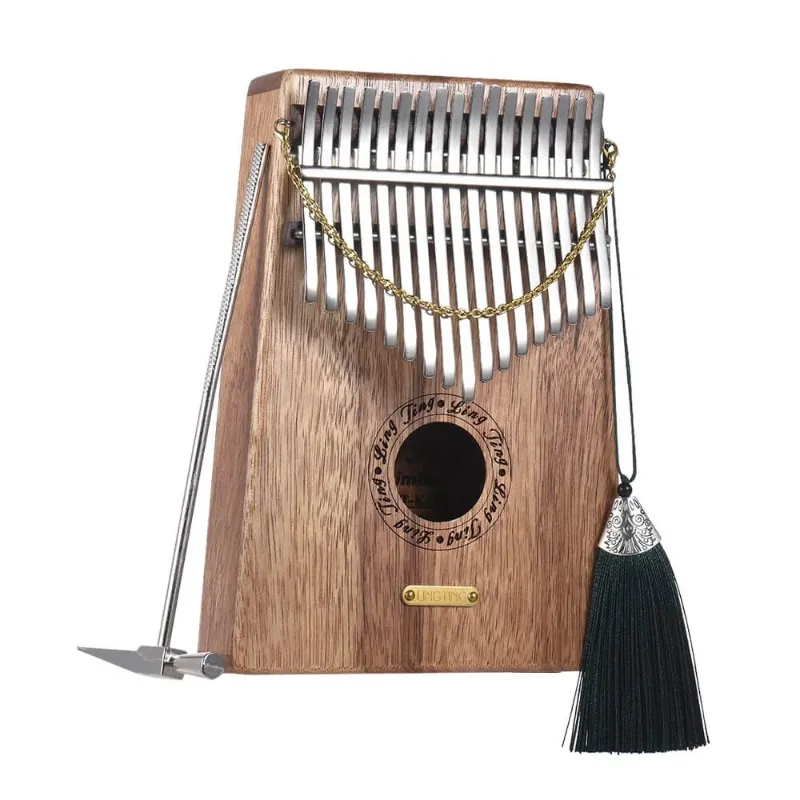
Before diving into maintenance, it helps to understand what you’re protecting. A kalimba consists of metal tines (also called keys) arranged on a wooden resonator body. The tines vibrate to produce sound, and the wood amplifies that vibration. Each component responds differently to temperature, humidity, and handling.
The metal tines are typically made from steel or aluminum and are tuned to specific pitches. The wooden body is usually made from hardwoods like African blackwood, mahogany, or bamboo. This combination means caring for kalimba requires attention to both materials. Metal can rust or lose its tuning if stressed. Wood can crack if exposed to extreme humidity swings or temperature changes.
Cleaning Your Kalimba Safely
Regular cleaning keeps your kalimba looking good and sounding its best. Dust and oils from your fingers can dull the tines and affect their vibration.
- Use a soft, dry microfiber cloth to wipe down the tines and body after each session. This removes fingerprints and prevents buildup.
- For stubborn residue, lightly dampen the cloth with distilled water and gently wipe the tines lengthwise (following their direction). Never scrub across them.
- Avoid harsh chemicals, alcohol, or polish designed for silverware. These can strip protective finishes or damage the wood.
- Clean the wooden body with a barely damp cloth, always following the grain. Let it air dry completely before playing again.
- Don’t submerge your kalimba or spray water directly on the tines. Water trapped between tines and the body can cause rust or wood swelling.
For deeper cleaning, refer to established kalimba care guides to understand how professional players handle maintenance over time.
Storage and Environmental Control
Your playing environment has as much impact on your kalimba as your hands do. Temperature and humidity fluctuations are the biggest threats to an instrument’s stability.
- Store your kalimba in a case or gig bag designed for instruments. This protects it from dust, accidental impacts, and sunlight.
- Keep it in a room where temperature stays between 65 to 75°F and humidity ranges from 40 to 60%. Rapid changes in either direction cause wood to expand or contract, which can detune the instrument or crack the body.
- Avoid storing your kalimba near radiators, AC vents, windows, or damp basements. These spots create the most extreme humidity and temperature swings.
- If you live in a very dry climate, place a small humidifier in your practice space. If you’re in a humid area, a small dehumidifier helps prevent mold and corrosion.
- Never leave your kalimba in a car, attic, or garage where temperatures swing wildly with the seasons.
Tine Maintenance and Tuning
The tines are the heart of your kalimba, and they need their own care routine. Tines can go flat over time due to wear, humidity changes, or impacts.
- Inspect your tines regularly for small dents, cracks, or permanent bends. A small dent usually doesn’t affect playability, but a crack or sharp bend may require tine replacement.
- If a tine loses its tuning, you may be able to retune it yourself using a tine tuner (a small steel implement designed for this). You can also take your kalimba to a professional for retuning, especially if you’re new to the instrument.
- Avoid striking the tines with hard objects or pressing them hard against the body when you’re not playing. This stresses the metal and shortens its lifespan.
- If a tine breaks, many kalimba makers sell replacement tine kits. Replacing a tine is a delicate task that’s best left to professionals unless you’re experienced.
For detailed guidance on tine adjustment and what causes tines to lose pitch, explore professional maintenance resources.
Playing Technique and Preventative Care
How you play directly affects how long your kalimba stays in good condition. Proper technique reduces strain on the tines and body.
- Use your thumbs to pluck the tines, not your fingers or fingernails. This reduces the impact force and is also the correct playing method.
- Keep your thumb nails trimmed and smooth. Rough or long nails can snag on tines and cause accidental bending.
- Don’t rest the kalimba against hard surfaces while playing. Use a lap pad or soft cloth to cushion it.
- Play with moderate pressure. Aggressive plucking sounds louder in the moment but wears out tines faster and can knock them out of tune.
Learning proper kalimba fundamentals includes picking techniques that naturally protect your instrument.
When to Seek Professional Help
Some maintenance tasks require professional expertise. Know when to stop and call an expert.
- Tine replacement or major straightening.
- Deep cracks in the wooden body or resonator.
- Significant tuning drift that won’t respond to standard adjustment.
- Damage to the tine bridge or mounting system.
- Rust on tines (this signals excessive humidity exposure and needs investigation).
If you’re unsure whether a problem is minor or major, ask the manufacturer or a kalimba technician before attempting repairs yourself.
Getting Started with Go Kalimba
If you’re buying a new kalimba or upgrading, Go Kalimba offers beginner and intermediate instruments that respond well to consistent care. Grab the code for 5% off all orders and invest in an instrument you’ll maintain properly. Caring for kalimba becomes easier when you start with a well-made instrument and establish habits early.
Create a simple monthly checklist: wipe down the tines and body, check the storage environment, inspect for visible damage, and play test a few tunes. These habits take five minutes and extend your kalimba’s life by years.
Your kalimba is a musical investment. With basic attention to cleaning, storage, and technique, you’ll keep it sounding bright and in tune for as long as you want to play it. Check the latest price and start your care routine today.
Questions
How often should I clean my kalimba?
Wipe down your tines and body with a dry cloth after each playing session. This removes fingerprints and dust. A deeper clean with a barely damp cloth every month or two prevents buildup without risking water damage.
Can caring for kalimba prevent tuning issues?
Yes. Consistent maintenance and stable storage conditions are the best prevention. Keeping humidity between 40 to 60% and avoiding temperature swings helps your kalimba stay in tune much longer.
What humidity level is best for kalimba storage?
Aim for 40 to 60% relative humidity. This range minimizes wood expansion and contraction, which is the main cause of tuning drift and structural stress in instruments.
Is it safe to use water to clean kalimba tines?
Use only minimal water on a barely damp cloth, and never spray water directly on the instrument. Water trapped between tines and the body can cause rust or wood swelling. Always air dry completely before playing.
What should I do if a kalimba tine cracks?
Small cracks may need professional replacement, as a cracked tine will sound dull and may eventually break. Many kalimba makers sell replacement kits, but installation is best handled by a technician if you're inexperienced.
Can I fix a bent or dull kalimba tine myself?
Minor bending can sometimes be corrected with a tine tuner, but significant bends or dullness usually require professional help. If you're new to the instrument, a technician will ensure the tine returns to the correct pitch and shape.
Shopping at Go Kalimba? See the discount code
5% OFF All Orders
More in this series
 How to Keep Your Kalimba in Tune: Maintenance Tips and When to Use a Kalimba Tuner11 Sep 20264 minWhy the Kalimba Is the Perfect First Instrument for Adults11 Sep 20264 minThe Best Kalimba Sizes and Key Configurations Explained11 Sep 20264 minKalimba vs. Tongue Drum: Which Instrument Is Right for You?11 Sep 20263 minHow to Tune a Kalimba for Beginners: a Step-by-Step Guide11 Sep 20264 min