 A Go Kalimba guide
Kalimba vs. Tongue Drum: Which Instrument Is Right for You?
Kalimba vs tongue drum comes down to sound character, learning curve, and portability—here's how to pick the right one for you.
Kalimba vs tongue drum is a common choice for anyone drawn to world percussion, and each instrument brings its own strengths. The kalimba, a plucked thumb piano from Africa, delivers bright, melodic tones and lets you play recognizable songs quickly. The tongue drum, a modern pitched percussion instrument with mellow metallic resonance, invites meditative play and is forgiving of mistakes. Your choice depends on whether you want melodic control and faster song learning, or sustained harmonics and ambient soundscaping.
Sound and Tone: Kalimba vs Tongue Drum
The most obvious difference is how each instrument sounds. Kalimbas produce crisp, percussive plucked notes with clear pitch and quick decay. You’ll hear bright, almost marimba-like tones that ring out cleanly and fade relatively fast. Tongue drums offer warm, sustained metallic tones with natural reverb. When you strike or tap the tuned tongues, they ring and bloom, creating an immersive, almost meditative soundscape.
Your preference here shapes the whole experience. If you want to hear melodies pop and feel rhythmic control, kalimba wins. If you prefer ambient, hypnotic sound and don’t mind less note definition, tongue drum is the move.
Learning Curve and Playability
Both instruments are beginner-friendly, but in different ways. Kalimbas have a gentler learning curve for playing recognizable melodies, you can learn simple songs within a few weeks because the layout is intuitive and mistakes are forgiving. Your thumbs move predictably, and muscle memory builds fast.
Tongue drums are even more forgiving of technical mistakes; there’s no “wrong” note if all tongues are tuned to a scale. But melodies are harder to define because the spatial layout doesn’t map to traditional music theory the way a kalimba does. You’ll spend more time exploring and less time hitting recognizable tunes early on.
Choose kalimba if you want to play songs from day one. Choose tongue drum if you value exploration and ambient play over early-stage melody goals.
Materials, Build, and Durability
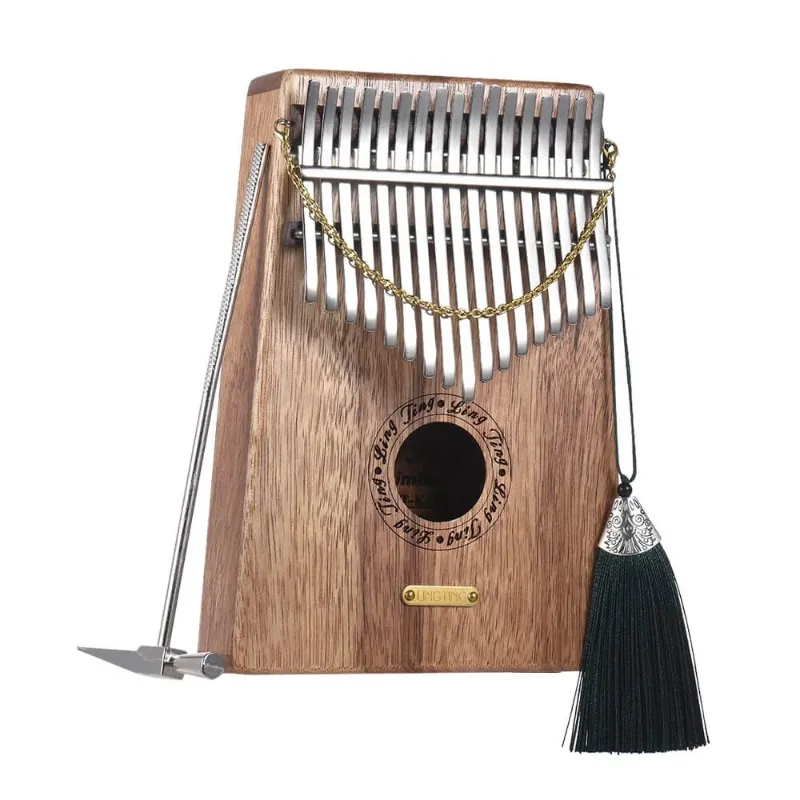
Kalimbas typically use a wooden board (often made from hardwoods like padauk or mahogany) with metal tines. This construction is robust and ages well, many vintage kalimbas are still played after decades. The materials are stable as long as you avoid extreme humidity and temperature swings.
Tongue drums are almost always steel or aluminum. Modern metal 6-tone tongue drum options are built to last, with powder-coat finishes that resist rust. Aluminum versions are lighter and less prone to denting, while steel offers richer harmonic sustain. Both handle travel well and don’t require the same climate care as wooden kalimbas.
For durability and travel, tongue drum edges out kalimba slightly, no wood means no warping risk.
Price and Value
Beginner kalimbas range widely depending on build quality, but you can find solid starter models at reasonable prices. Check the latest price for current offers and grab our 5% OFF All Orders code when you’re ready. Mid-range kalimbas ($100 to 300) offer good tone and playability; entry-level versions are under $100 but have softer tone and less responsive tines.
Tongue drums typically cost more upfront. Most beginner-friendly models run $150 to 400, and quality hand-tuned drums can exceed $500. The premium reflects the tuning labor and material. If budget is tight, kalimba gives you more value per dollar. If you’re willing to invest, tongue drum offers a premium experience.
Portability and Setup
Kalimbas are highly portable, most fit in a backpack or gig bag, weigh under 2 pounds, and need no setup. You unbox it and play.
Tongue drums are also portable but bulkier. An 8-inch drum weighs 3 to 5 pounds and takes up more space. Setup is still instant (no tuning or assembly needed), but transport requires more thought.
Both beat acoustic guitars or keyboards on portability, but kalimba wins for backpack travel.
Which Instrument Suits You?
Choose kalimba if you want to play songs, enjoy melodic learning, value portability, or prefer a lower entry price. Kalimbas excel for beginners seeking quick wins and the joy of playing recognizable tunes within weeks. They’re ideal for busking, travel, and structured practice.
Choose tongue drum if you’re drawn to meditation and ambient sound, willing to spend more upfront, or interested in collective soundscaping with others. Learn more about steel tongue drums and how they compare to related instruments. Tongue drums shine for relaxation, stress relief, and creative sound exploration without pressure to “play correctly.”
Both are genuinely musical, low-barrier instruments. Many musicians own both. If you’re leaning kalimba, grab the code for 5% off when you order. Either path will deepen your connection to percussion and world music.
Questions
Can I learn to play a kalimba or tongue drum if I have no musical background?
Yes, both are beginner-friendly without prior experience. Kalimba lets you play simple melodies in weeks; tongue drum rewards exploration and intuitive play from day one.
What's the main difference between kalimba vs tongue drum sound?
Kalimbas produce bright, percussive plucked tones with quick decay. Tongue drums offer warm, sustained metallic resonance that rings and blooms, ideal for meditative soundscaping.
Which is more portable for travel?
Kalimba is slightly more compact and lightweight, fitting easily in a backpack. Tongue drums are bulkier but still travel-friendly; both require no setup or tuning before play.
How much should I expect to spend on a beginner kalimba or tongue drum?
Beginner kalimbas range $50 to $200 depending on quality. Tongue drums typically start around $150 and often exceed $300. Check current pricing and use our 5% discount code to lower the entry cost.
Can I play recognizable songs on a tongue drum like I would on a kalimba?
Tongue drums are tuned to scales where all notes harmonize, making 'wrong' notes rare. Kalimbas have a clearer melodic layout, so playing structured tunes is faster and more intuitive.
Do kalimba and tongue drum require ongoing maintenance?
Kalimbas need climate control (avoid humidity swings) and occasional tine care. Tongue drums are lower-maintenance; steel and aluminum resist warping and need only basic cleaning.
Shopping at Go Kalimba? See the discount code
5% OFF All Orders
More in this series
 How to Keep Your Kalimba in Tune: Maintenance Tips and When to Use a Kalimba Tuner11 Sep 20264 minWhy the Kalimba Is the Perfect First Instrument for Adults11 Sep 20264 minCaring for Your Kalimba: Cleaning, Storage, and Tine Maintenance11 Sep 20264 minThe Best Kalimba Sizes and Key Configurations Explained11 Sep 20264 minHow to Tune a Kalimba for Beginners: a Step-by-Step Guide11 Sep 20264 min