 A ONSRA guide
Troubleshooting Electric Skateboard Deck Flex and Vibration Issues
Electric skateboard deck flex and vibration problems often stem from worn bearings, loose hardware, or deck fatigue that you can diagnose and fix yourself.
Why Your Electric Skateboard Deck Vibrates or Flexes
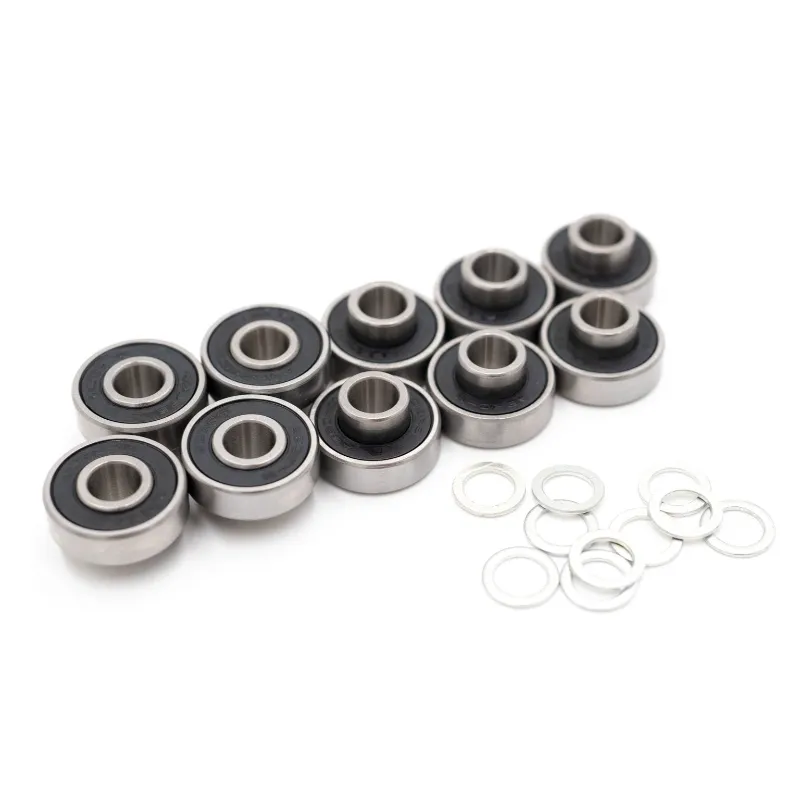
An electric skateboard deck that vibrates excessively or flexes unpredictably usually points to worn skateboard bearing 608 components, loose mounting hardware, or material fatigue in the deck itself. The good news is that most of these problems are fixable at home without expensive replacements.
Understanding whether you’re dealing with normal flex designed into your motorized skateboard or abnormal vibration caused by component wear is the first step toward a smoother, safer ride.
Diagnosing Electric Skateboard Deck Problems
Before you start replacing parts, identify the exact source of the issue. We recommend a systematic approach:
- Spin test each wheel while the board is elevated. If you hear grinding or feel rough spots, your bearings need attention. Quality 608rs bearing components should spin freely for at least 10 seconds.
- Check deck flex patterns by standing on the stationary board. Flex should be symmetrical and return smoothly. Uneven flex or cracking sounds indicate structural damage.
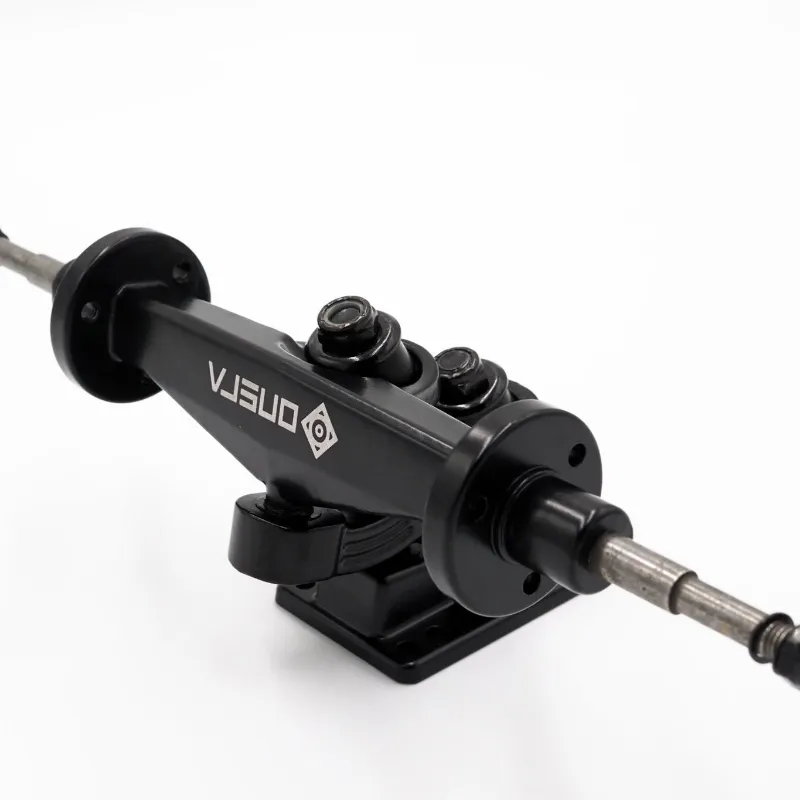
- Inspect truck tightness by pushing laterally on each wheel. Excessive play means your kingpin trucks need tightening, while zero movement suggests they’re too tight for comfortable carving.
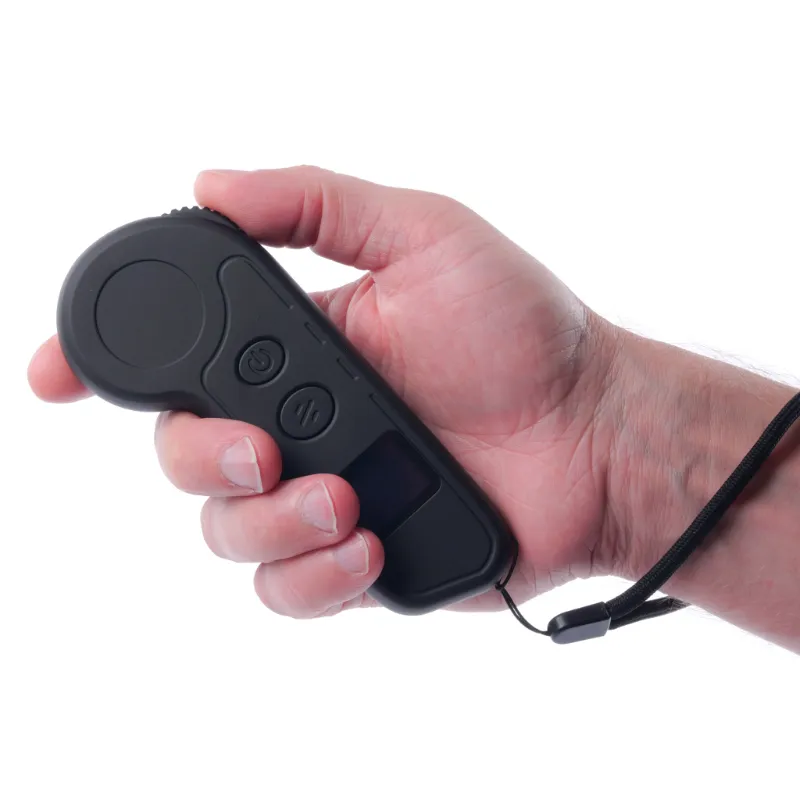
- Test vibration at different speeds using your electric skateboard remote. Vibration that worsens at higher speeds often indicates wheel or bearing issues, while constant vibration across all speeds points to deck or motor mounting problems.
Document what you find. Many riders discover that what felt like a deck problem is actually a bearing issue that costs far less to fix.
Fixing Bearing-Related Vibration
Bearings are the most common culprit behind vibration in electric skateboards. Even high-quality bearings degrade after 200 to 300 miles of riding, especially if you’ve been through water or grit.
Cleaning existing bearings:
- Remove wheels and pop out bearings using a skate tool or flathead screwdriver
- Soak bearings in isopropyl alcohol for 15 minutes, then spin them dry
- Apply 2-3 drops of bearing lubricant to each bearing
- Reinstall and test for improvement
When to replace bearings:
- Rust or pitting visible on the races
- Persistent grinding after cleaning
- Bearings that won’t spin freely even when clean
Upgrading to fresh bearings eliminates most vibration issues caused by worn or dirty components. Check the latest price on bearing sets before ordering individual components.
Addressing Electric Skateboard Deck Flex Issues
Deck flex is a feature on many carving electric skateboard designs, but excessive or uneven flex signals problems. The deck on a high performance electric skateboard is engineered for specific flex characteristics that balance comfort and energy transfer.
Normal vs. problematic flex:
| Deck Condition | Flex Pattern | Action Needed |
|---|---|---|
| Healthy | Symmetrical, smooth return | None, enjoy the ride |
| Fatigued | Slower return, soft spots | Consider deck replacement |
| Cracked | Uneven flex, popping sounds | Replace immediately |
Temporary flex adjustments:
- Add deck stiffeners between the trucks if you need more rigidity
- Adjust your stance wider to distribute weight more evenly
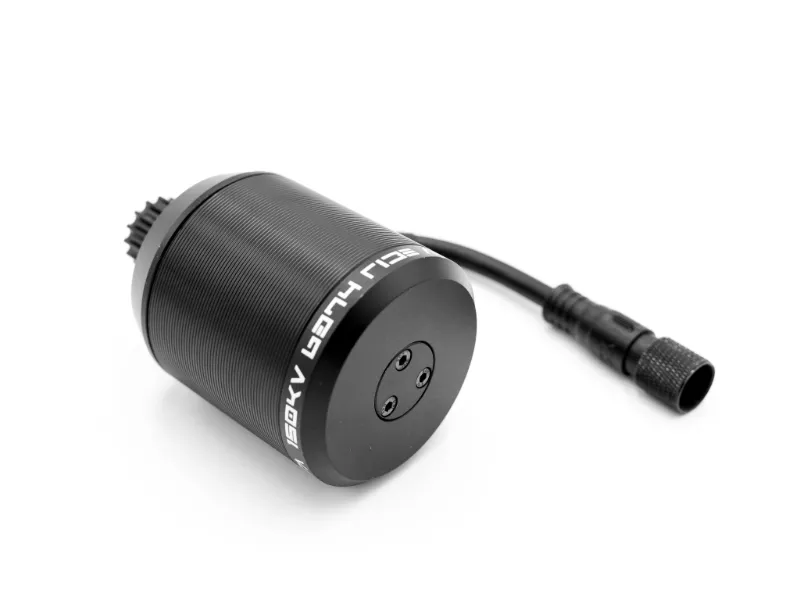
- Check motor mount bolts, which can loosen and create false flex sensations
Many riders on forums like Endless Sphere report improved handling after simply retightening all deck hardware. Before investing in a new deck, grab the code and inspect mounting bolts first.
Truck and Hardware Adjustments
Your trucks control how your electric skateboard with remote handles turns and absorbs road vibration. Incorrect truck setup amplifies every imperfection in the road surface.
Optimal truck tightness:
- Loose trucks allow responsive carving but can introduce speed wobbles above 20 mph
- Tight trucks reduce wobble but make the board feel harsh and unresponsive
- Balanced trucks let you lean into turns without feeling unstable
Adjustment process:
- Loosen the kingpin nut one full turn from your current setting
- Test ride in a safe area at your normal cruising speed
- Tighten or loosen in quarter-turn increments until vibration minimizes
Don’t forget to check the bolts that secure your motor mounts and battery enclosure. What feels like a deck problem is sometimes just loose motor mounts transmitting vibration through the entire board.
Grip Tape and Surface Solutions
The connection between your feet and deck matters more than most riders realize. Worn or inadequate grip affects how you perceive vibration and flex.
Upgrade options:

- Standard grip tape provides basic traction but transmits maximum vibration
- Foam grip tape dampens road buzz and reduces foot fatigue on longer rides
- Shock-absorbing pads under the grip layer are designed to reduce vibration transmitted through the grip layer
Replacing grip tape also gives you the opportunity to inspect the deck surface for stress cracks or delamination that might be causing flex issues. If you’re already ordering new grip, consider adding gloves skateboard protection for better control during high-vibration situations.
When to Upgrade vs. Repair
Not every vibration or flex issue is worth fixing on an aging board. We evaluate three factors when deciding whether to repair or upgrade:
Repair makes sense when:
- The deck shows no structural damage
- Components like bearings or trucks are the clear problem
- Your board is less than two years old
Upgrade to a new board when:
- Multiple stress cracks appear in the deck
- Motor mounts are stripped or damaged beyond retightening
- You’ve already replaced bearings and hardware without improvement
The best electric skateboards from companies featured on Build Kit Boards are built with vibration dampening in mind from the start. If you’re constantly fighting vibration issues on an entry-level board, upgrading to a motor skateboard with better engineering may cost less long-term than repeated repairs.
Budget-conscious riders should weigh the cost of bearings, grip tape, and labor against what you’d spend on a quality deck replacement or complete board upgrade.
Preventing Future Deck and Vibration Problems
Once you’ve resolved current issues, extend the life of your electric skateboard for adults with these maintenance habits:
- Clean and lubricate bearings every 100 miles or after riding in wet conditions
- Inspect all bolts monthly, especially motor mounts and truck hardware
- Store your board horizontally to prevent uneven deck warping
- Avoid jumping or trick riding on boards not designed for impact stress
- Check tire pressure if your board uses pneumatic wheels (wrong pressure amplifies vibration)
Set a calendar reminder and stick to it.
Most vibration and flex issues develop gradually, so catching them early means simpler fixes. Your deck, bearings, and trucks will thank you with thousands of additional smooth miles.
Questions
What causes excessive vibration in an electric skateboard deck?
Worn or dirty bearings are the most common cause, followed by loose motor mounts, improperly tightened trucks, or unbalanced wheels. Clean or replace your bearings first, then check all hardware for tightness.
How much deck flex is normal on a motorized skateboard?
Most electric skateboard decks flex 0.5 to 1.5 inches under a 180-pound rider, depending on design. Flex should be symmetrical and return smoothly. Uneven flex or slow return indicates deck fatigue or damage.
Can I fix skateboard bearing vibration without replacing them?
Yes, if the bearings aren't rusted or pitted. Remove them, soak in isopropyl alcohol for 15 minutes, dry thoroughly, and add 2-3 drops of bearing lubricant. This restores smooth performance in about 70% of cases.
Should I tighten or loosen my trucks to reduce vibration?
Start by tightening your trucks in quarter-turn increments. Loose trucks amplify road vibration and cause speed wobbles, while slightly tighter trucks improve stability. Test ride after each adjustment to find the sweet spot.
Does foam grip tape really reduce electric skateboard vibration?
Yes, foam grip tape dampens road buzz and reduces foot fatigue by absorbing high-frequency vibration. It's especially noticeable on rough pavement, where the dampening effect is most useful.
When should I replace my electric skateboard deck instead of repairing it?
Replace the deck immediately if you see multiple stress cracks, hear popping sounds during flex, or notice uneven flex patterns. These indicate structural failure that no amount of bearing or truck adjustment will fix safely.
Products in this guide
 Shopping at ONSRA? See the discount code
4% OFF Sitewide
Shopping at ONSRA? See the discount code
4% OFF Sitewide
More in this series
When to Upgrade Kingpin Trucks on Your Motorized Skateboard13 Aug 20264 minDo You Need Skateboard Gloves for High Performance Electric Skateboard Riding?13 Aug 20264 minHow Long Do Foam Grip Tape and Standard Grip Tape Last on Electric Skateboards?13 Aug 20265 minONSRA Electric Skateboard Remote vs Standard Controllers: Which Is More Responsive?13 Aug 20265 minHow to Replace 608 Bearings on Your Electric Skateboard13 Aug 20264 min