 A ONSRA guide
Do You Need Skateboard Gloves for High Performance Electric Skateboard Riding?
A high performance electric skateboard reaching speeds above 25 mph makes protective gloves essential for preventing road rash and fractures during falls.
Yes, you absolutely need gloves when riding a high performance electric skateboard at speeds above 20 mph. Hands instinctively hit pavement first during falls, and road rash or broken fingers will sideline you for weeks.
When Gloves Become Essential for Electric Skateboard Riders
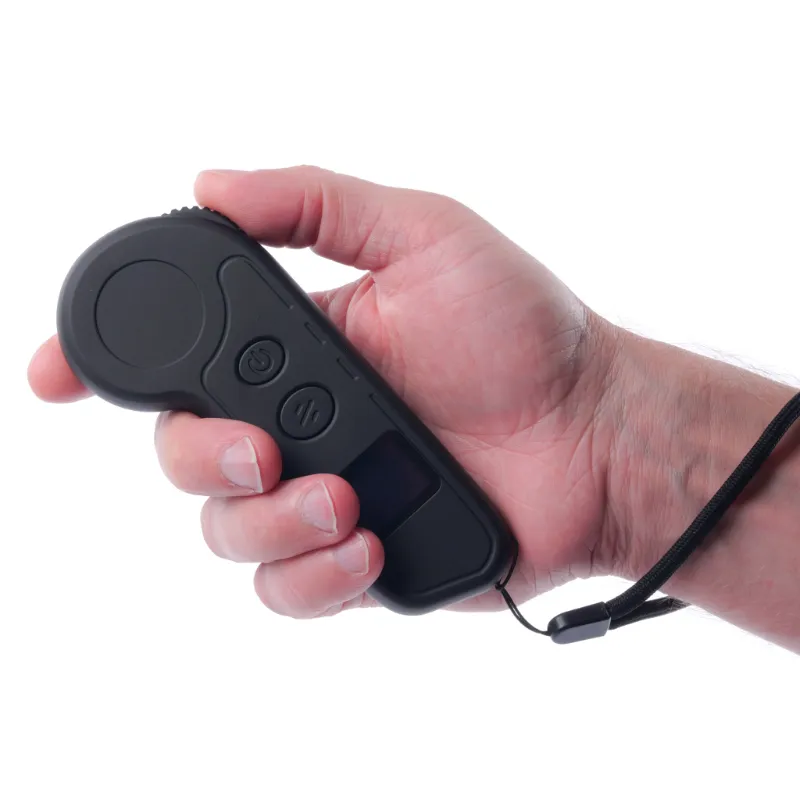
Casual riders on an electric skateboard with remote below 15 mph can sometimes skip gloves for short trips. But once you graduate to a best electric skateboard capable of 25+ mph, the physics change. At those speeds, a simple loss of balance sends you sliding across asphalt with your palms taking the brunt. We’ve seen too many riders lose skin, fracture wrists, or damage tendons because they thought gloves were optional.
The risk escalates further on high-performance models designed for adults. A motorized skateboard with dual motors and torque to spare will tempt you into aggressive carving and hill bombing. That’s where protective gear separates a recoverable spill from a hospital visit. Independent testing confirms that hand injuries rank among the top three most common electric skateboard accidents, ahead even of knee and elbow trauma.
What Makes Quality Skateboard Gloves Different
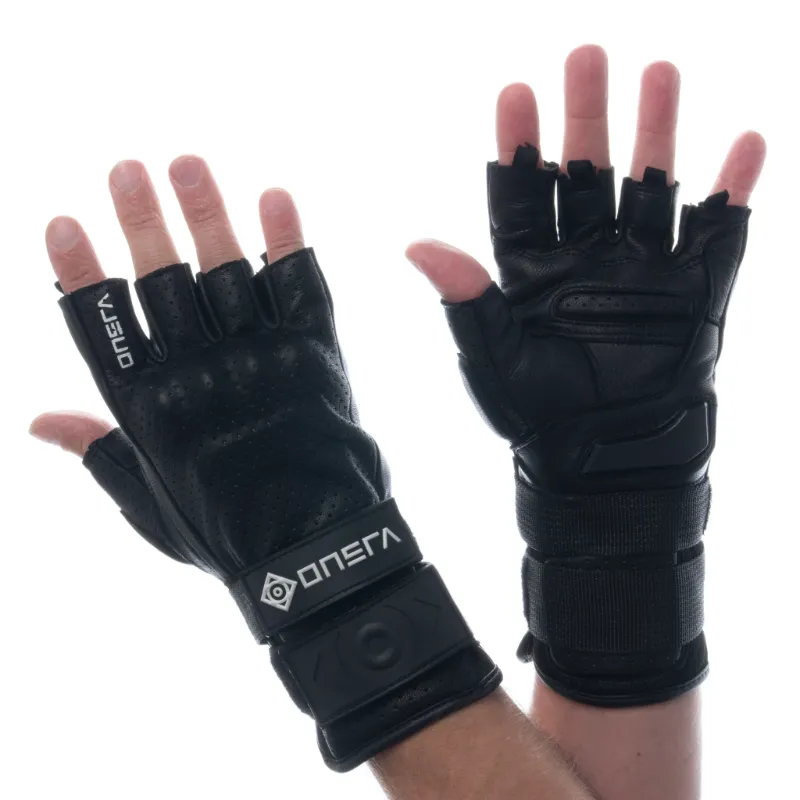
Not all gloves skateboard gear is built the same. Look for these features when shopping:
- Slide pucks or palm pads made from high-density polyethylene that let you glide rather than grab during a fall
- Wrist guards integrated into the glove or a separate brace underneath to prevent hyperextension
- Reinforced knuckle armor from thermoplastic or carbon fiber for impact protection
- Breathable backing like mesh or perforated synthetic leather so your hands don’t overheat on long rides
- Touchscreen-compatible fingertips so you can adjust your electric skateboard remote or phone without removing gloves
Avoid basic cycling gloves with thin padding. They’re designed for grip and sweat management, not sliding friction at skateboard speeds. Longboard slide gloves work well because they’re purpose-built for controlled slides, but verify they offer wrist support since most skateboard falls involve awkward angles.
Choosing the Right Protection Level for Your Riding Style
Match your glove choice to how you actually ride. We break it down into three tiers:
| Riding Style | Speed Range | Recommended Glove Type |
|---|---|---|
| Commuter / cruising | 10 to 20 mph | Half-finger with light palm padding |
| Performance carving | 20 to 30 mph | Full-finger with slide pucks and wrist guards |
| Downhill / racing | 30+ mph | Heavy-duty with knuckle armor and dual wrist braces |
If you’re pushing a high performance electric skateboard to its limits on open roads, invest in the top tier. A quality pair runs $60 to $120, which is trivial compared to the medical bills from a single bad fall. Check the latest price with our discount code to save on protective gear bundles.
For electric skateboard for adults who commute daily, even mid-tier gloves make a difference. Stitching fails first on cheap gloves, followed by wrist strap velcro. Look for double-stitched seams and metal D-rings.
Material and Fit Considerations
Glove materials directly impact how well they protect and how long they last:
- Leather palms offer excellent abrasion resistance but break in slowly and cost more
- Synthetic suede balances durability and flexibility at a lower price point
- Kevlar or Cordura panels in high-wear zones extend lifespan significantly
- EVA foam padding absorbs impact but compresses over time; replace every season if you ride hard
Fit matters as much as material. Gloves that are too loose will shift during a slide, exposing skin. Too tight and you lose dexterity on your remote control. Measure your hand circumference at the knuckles and compare against the manufacturer’s size chart. Most quality brands offer half sizes.
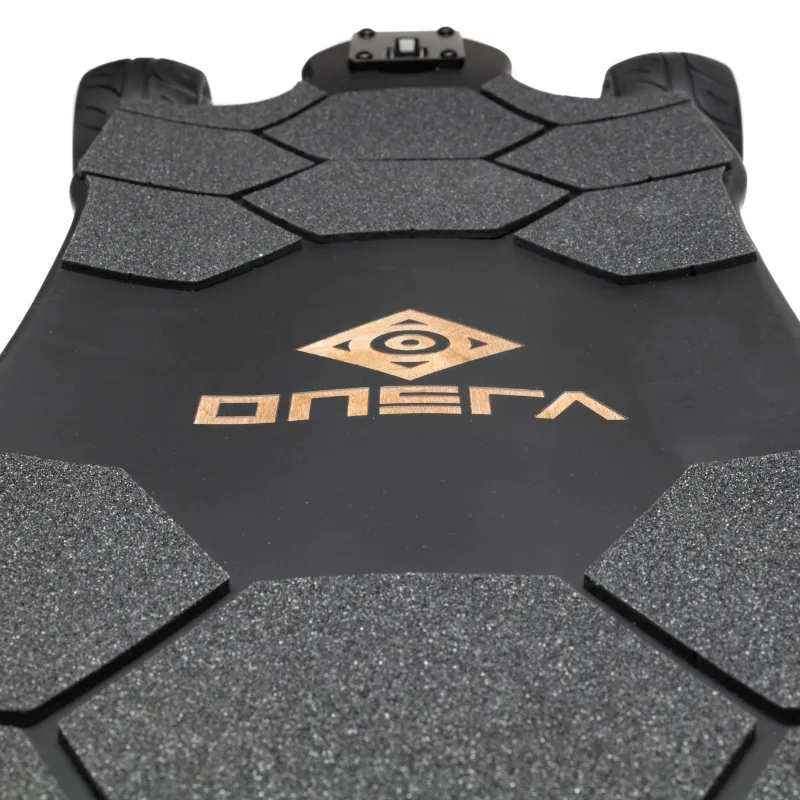
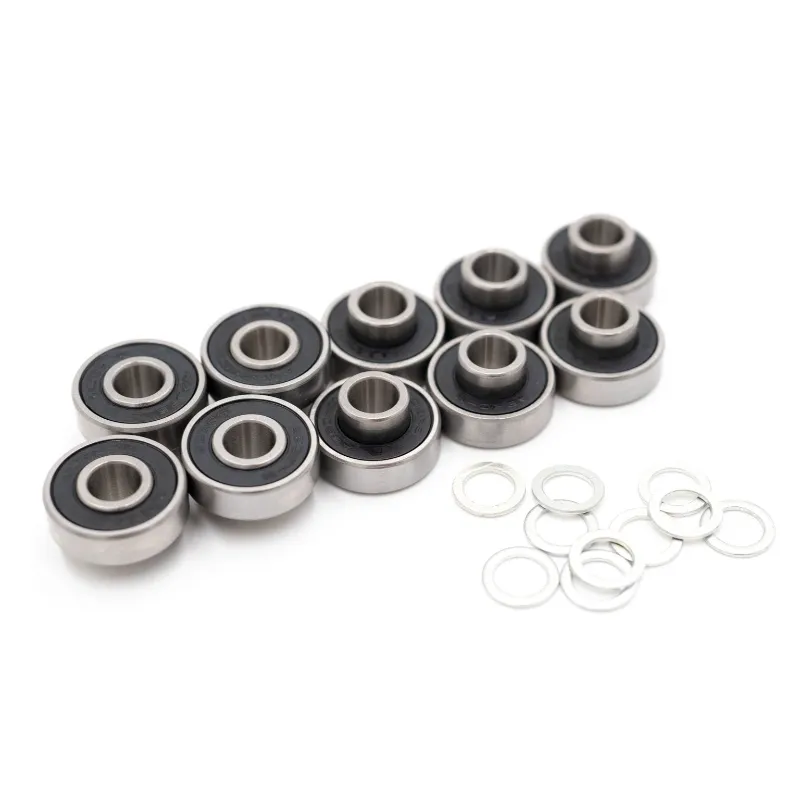
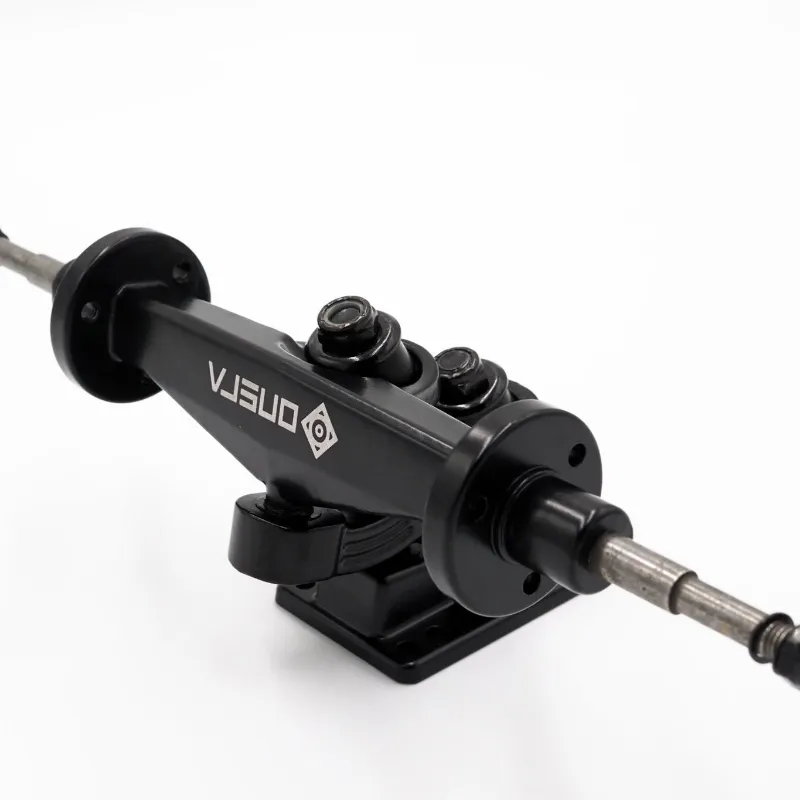
Try gloves on with your foam grip tape setup if possible, since bulkier gloves can interfere with your stance. We’ve found that riders who also maintain their boards with fresh 608rs bearing sets and properly torqued kingpin trucks tend to fall less often, but when they do fall at high speed, gloves are the difference between a story and a scar.
Breaking In and Maintaining Your Protective Gloves
New gloves feel stiff and awkward for the first few rides. Speed up the break-in process by:
- Wearing them around the house while flexing your hands repeatedly
- Applying leather conditioner to natural leather palms (never synthetic)
- Doing a few controlled practice slides on grass before hitting pavement
After each ride, let gloves air dry fully. Trapped sweat breeds bacteria and breaks down adhesives faster. If they get soaked, stuff them with newspaper and dry at room temperature, never with direct heat.
Inspect slide pucks and palm padding every few weeks. Once pucks wear down to less than 3mm thickness, replace them or the entire glove. Most quality models have replaceable pucks you can swap out for $15 to $30. Grab the code to save on replacement parts and upgrades.
Who Should Skip Gloves and Who Should Never Ride Without Them
We’re not absolutists. If you’re cruising a parking lot at 8 mph while learning to balance on your motorized skateboard, gloves can wait until you build confidence. Same for riders who never leave smooth bike paths and cap speed at 12 mph.
But you should never ride without gloves if:
- You regularly exceed 20 mph
- You ride in traffic or on roads shared with cars
- You’re learning slides, tricks, or aggressive carving
- You have a history of wrist injuries or weak joints
- Your board has enough torque to throw you backward during hard acceleration
Professional reviewers at OutdoorGearLab and specialized skateboard testing sites consistently rank hand protection as the second most critical safety item after a helmet. We agree. The best electric skateboard setup in the world won’t help if you’re too injured to ride it.
Before you hit the streets, pair your high performance electric skateboard with gloves that match your ambition. Your future self will thank you the first time you slide out and walk away with nothing worse than scuffed pucks.
Questions
Do I really need gloves for riding an electric skateboard?
Yes, if you ride above 20 mph or in traffic. At higher speeds, your hands instinctively absorb falls, and gloves prevent road rash, fractures, and wrist injuries. For slow cruising under 15 mph, they're less critical but still recommended.
What's the difference between skateboard gloves and regular cycling gloves?
Skateboard gloves feature slide pucks or hard palm pads designed to let you glide during falls, plus integrated wrist guards to prevent hyperextension. Cycling gloves focus on grip and padding but lack the abrasion resistance needed for pavement slides.
Can I use longboard slide gloves on a high performance electric skateboard?
Yes, longboard slide gloves work well because they're built for controlled sliding. Just make sure they include wrist support, since electric skateboard falls often happen at awkward angles that stress the wrist joint more than traditional longboard slides.
How often should I replace my skateboard gloves?
Replace gloves when slide pucks wear below 3mm thickness, stitching fails, or wrist straps lose tension. For frequent riders above 25 mph, expect to replace or rebuild gloves every 6 to 12 months depending on how many slides you take.
Are expensive skateboard gloves worth the extra cost?
Higher-priced gloves typically offer better materials like Kevlar reinforcement, replaceable pucks, and more durable stitching. If you ride a performance board regularly, spending $80 to $120 on quality gloves is a smart investment compared to medical bills from hand injuries.
What size gloves should I buy for electric skateboard riding?
Measure your hand circumference at the knuckles and compare to the manufacturer's size chart. Gloves should fit snug without restricting finger movement or remote control dexterity. Most brands offer half sizes for a better fit.
Products in this guide
 Shopping at ONSRA? See the discount code
4% OFF Sitewide
Shopping at ONSRA? See the discount code
4% OFF Sitewide
More in this series
When to Upgrade Kingpin Trucks on Your Motorized Skateboard13 Aug 20264 minTroubleshooting Electric Skateboard Deck Flex and Vibration Issues13 Aug 20264 minHow Long Do Foam Grip Tape and Standard Grip Tape Last on Electric Skateboards?13 Aug 20265 minONSRA Electric Skateboard Remote vs Standard Controllers: Which Is More Responsive?13 Aug 20265 minHow to Replace 608 Bearings on Your Electric Skateboard13 Aug 20264 min