 A ONSRA guide
How Long Do Foam Grip Tape and Standard Grip Tape Last on Electric Skateboards?
Foam grip tape typically lasts 6 to 12 months on electric skateboards with regular use, while standard grip tape can endure 12 to 24 months before needing replacement.
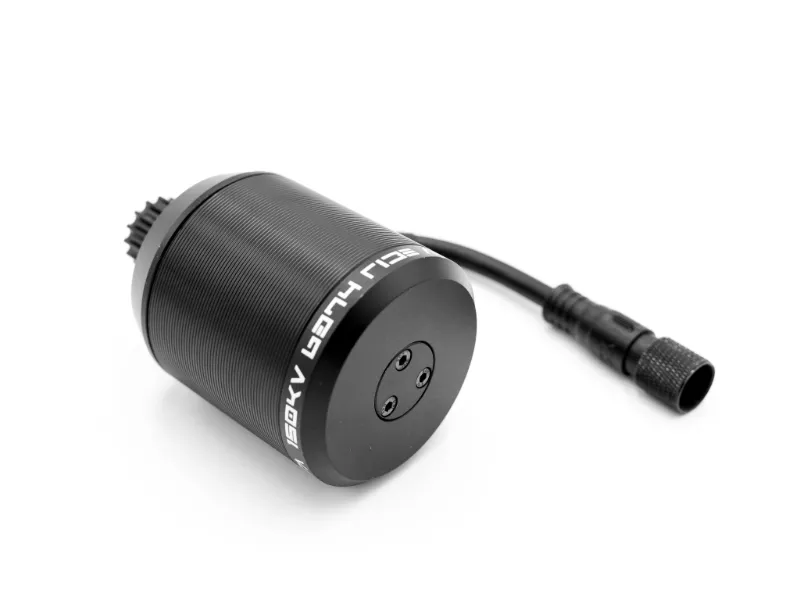
Foam grip tape typically lasts 6 to 12 months on electric skateboards with regular use, while standard grip tape can endure 12 to 24 months before needing replacement. The softer foam construction wears faster but offers superior cushioning and shock absorption, making it a popular choice for riders who prioritize comfort on their motorized skateboard.
What Makes Foam Grip Tape Different from Standard Grip
Standard grip tape uses an abrasive grit surface bonded to adhesive backing, similar to sandpaper. This design provides aggressive traction and resists wear from repeated foot movement. Foam grip tape, by contrast, relies on a closed-cell foam layer with a textured surface pattern. The foam compresses under pressure and rebounds, creating grip through material deformation rather than pure friction.
The foam construction delivers noticeable benefits for electric skateboard riders:
- Vibration damping: Foam absorbs road chatter and micro-bumps that standard grip transmits directly to your feet
- Joint comfort: Reduced impact stress during long rides on rough pavement
- Quieter ride: Less surface noise when shifting your stance
- Easier on shoes: The softer texture causes less abrasion to shoe soles
However, this same softness means the material breaks down faster under the constant pressure and sliding motion of riding.
How Long Standard Grip Tape Lasts on Electric Skateboards
Standard grip tape on a high performance electric skateboard typically survives 12 to 24 months of regular use. Heavy riders who commute daily in wet conditions may see closer to 8 to 12 months, while lighter recreational riders can stretch it beyond two years.
Wear patterns appear gradually:
- Grip loses texture in high-contact zones (heel, ball of foot, front foot pivot point)
- Edges start to peel if the application wasn’t flush
- Dirt and debris embed in the grit, reducing effective traction
- The adhesive backing may fail before the surface wears through
It degrades slowly enough that most riders replace it for performance reasons rather than complete failure. Check the latest price on quality grip options and stock up before your current tape loses its bite.
Foam Grip Tape Lifespan on Motor Skateboards
Foam grip tape on a motor skateboard shows visible wear within 6 to 12 months for most riders. Aggressive riders who carve hard, brake frequently, or ride daily may need replacement as early as 4 to 6 months. The foam cells compress permanently in high-wear zones, creating smooth, slippery patches where your feet pivot.
Signs your foam grip needs replacement:
- Flat, compressed areas that don’t rebound when you press them
- Visible thinning or delamination at the edges
- Loss of traction during hard braking or acceleration
- Tears or gouges in the foam layer from impacts
We recommend inspecting your foam grip every three months. Run your hand over the surface and feel for hard, compressed sections. If more than 20 percent of the standing platform feels dead, it’s time to swap it out.
Factors That Affect Grip Tape Longevity
Several variables determine how long your grip tape survives, regardless of type:
Riding style and frequency: Daily commuters replace grip 2 to 3 times more often than weekend riders. Hard braking and aggressive carving accelerate wear exponentially compared to cruising.
Weather exposure: UV radiation degrades adhesive bonds over time. Rain and moisture cause standard grip to lose traction as dirt turns to mud in the texture, while foam can retain water and stay slippery longer.
Deck material and flex: A stiff carbon deck concentrates wear in smaller areas. Deck flex can affect how evenly pressure is distributed across the grip tape, so check for uneven wear when you inspect your board.
Shoe sole material: Vulcanized rubber is gentler on grip than hard synthetic soles. Skateboarding shoes with flat, soft soles preserve both foam and standard grip longer than running shoes with aggressive tread.
Maintenance habits: Cleaning grip regularly with a stiff brush removes embedded dirt and restores texture. Riders who never clean their grip see 30 to 40 percent shorter lifespans.
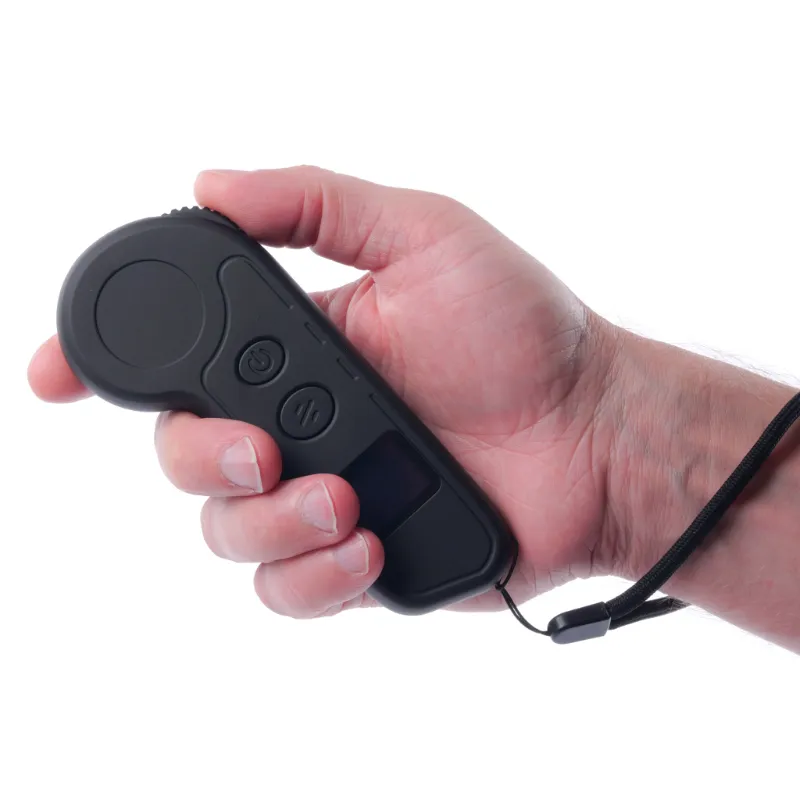
Your electric skateboard remote control style also matters. Smooth throttle and brake inputs keep your feet planted, while jerky acceleration causes constant repositioning that grinds down the grip surface.
Extending the Life of Your Skateboard Grip Tape
These maintenance practices help extend grip tape durability:
Weekly cleaning: Use a wire brush or old toothbrush with warm water and mild soap. Scrub in circles to lift dirt from the texture. Let it air-dry completely before riding.
Edge sealing: Apply a thin bead of clear polyurethane along the deck edges after installation. This prevents moisture intrusion and edge peel.
Rotation strategy: If your deck allows, rotate it 180 degrees every month so wear distributes across different zones.
Protective storage: Keep your board out of direct sunlight when not riding. UV exposure weakens adhesive even when the board sits unused.
Strategic reinforcement: Place thin strips of standard grip over high-wear zones on foam grip (heel and front pivot points). This hybrid approach gives you foam comfort with extended life in critical areas.
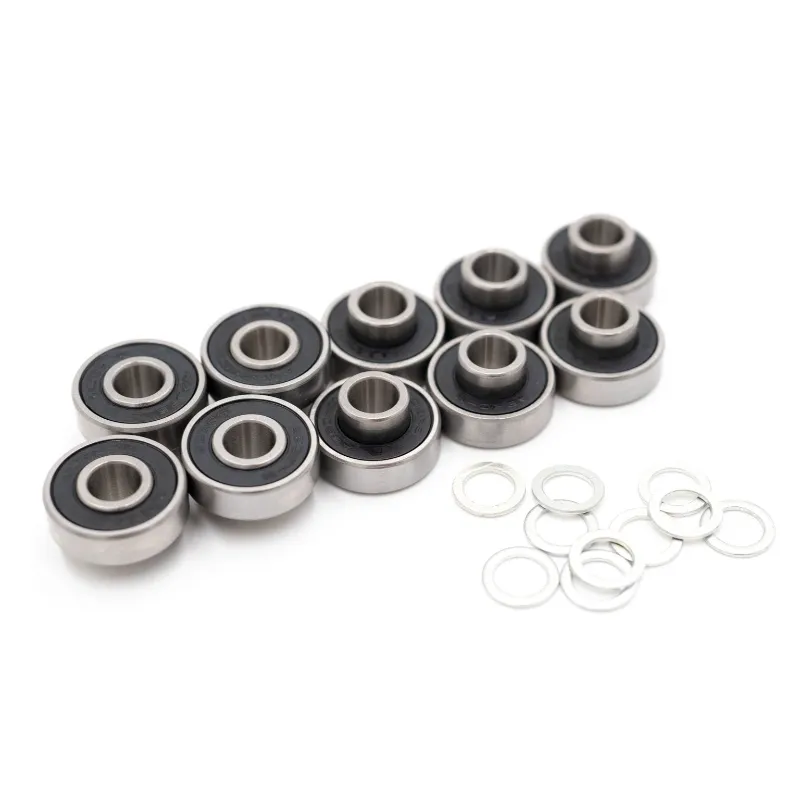
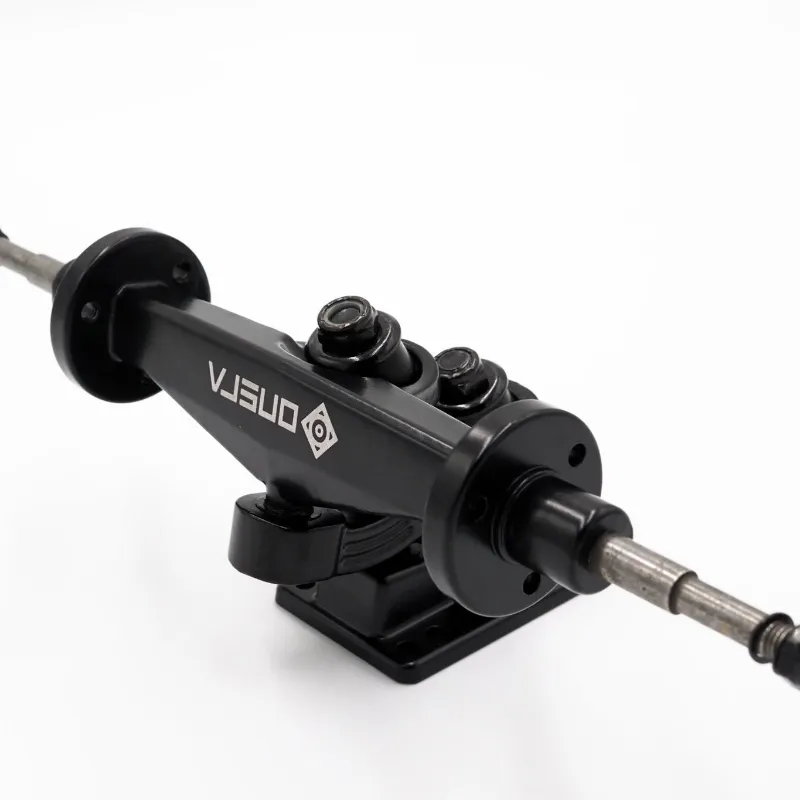
Quality components beyond grip also matter. Smooth-rolling skateboard bearing 608 units reduce the drag that causes riders to shift their feet more often. Well-maintained kingpin trucks that turn smoothly let you carve with less foot pressure and sliding motion.
Which Grip Tape Should You Choose?
Select foam grip tape skateboard applications when:
- You ride primarily on smooth pavement and bike paths
- Comfort and vibration damping are priorities
- You’re willing to replace grip more frequently
- You have joint issues or ride long distances
Choose standard grip when:
- You need maximum traction in wet or dusty conditions
- Longevity matters more than cushioning
- You ride aggressively with frequent hard stops
- Budget constraints make frequent replacement impractical
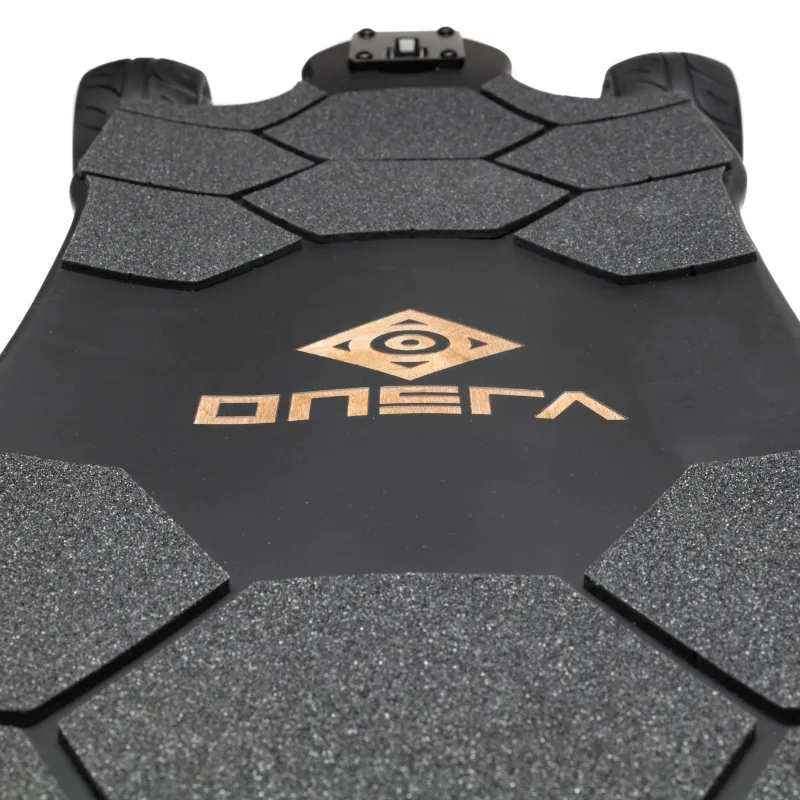
Many experienced riders keep both types on hand and swap based on conditions, running foam grip tape for smooth morning commutes and standard grip for evening sessions on rougher surfaces.
For the best value on either option, grab the code for 4% off sitewide at ONSRA. The savings add up when you’re replacing grip twice a year, and you can stock up on other essentials like gloves skateboard protection at the same time.
Replacement Is Part of Electric Skateboard Ownership
Both foam and standard grip tape are consumables, just like wheels and belts. Budget for replacement every 6 to 18 months depending on your choice and riding habits. Fresh grip restores confidence in your board control and prevents dangerous slip incidents during emergency braking.
Watch for the early warning signs of wear rather than waiting for complete failure. Degraded grip compromises your connection to the deck and reduces your ability to control a high-performance electric skateboard effectively. When you notice smooth patches or reduced bite, order replacement grip immediately so you’re not caught without traction mid-commute.
The small investment in quality grip tape pays dividends in safety, comfort, and board control throughout your riding season.
Questions
Can I install foam grip tape over old standard grip?
No, you must remove the old grip completely before applying foam grip tape. The foam adhesive needs direct contact with the deck surface for proper bonding, and any residue or texture from the previous layer will cause premature failure.
Does foam grip tape work in wet conditions?
Foam grip loses traction faster than standard grip when wet. The closed-cell foam retains water on the surface longer, creating a slippery layer. If you ride frequently in rain, standard grip tape provides more reliable wet-weather performance.
How do I know when my grip tape needs replacement?
Replace grip tape when you feel smooth, slippery patches where your feet normally stand, notice edge peeling, or experience reduced traction during braking. For foam grip, press the surface and check if it rebounds; dead spots that stay compressed indicate wear.
Is foam grip tape worth the shorter lifespan?
It depends on your priorities. Riders who value comfort and vibration damping on long commutes find the cushioning worth replacing foam grip twice as often. If durability and budget matter more, standard grip delivers better longevity.
Can I mix foam and standard grip tape on one deck?
Yes, many riders place standard grip in high-wear zones like the heel and front pivot point, with foam grip in the middle for cushioning. This hybrid approach extends overall lifespan while maintaining some comfort benefits.
Does rider weight affect how long grip tape lasts?
Heavier riders compress foam grip faster and wear through standard grip more quickly, typically reducing lifespan by 20 to 30 percent compared to lighter riders. Inspect your grip more frequently if you weigh over 200 pounds.
Products in this guide
 Shopping at ONSRA? See the discount code
4% OFF Sitewide
Shopping at ONSRA? See the discount code
4% OFF Sitewide
More in this series
When to Upgrade Kingpin Trucks on Your Motorized Skateboard13 Aug 20264 minTroubleshooting Electric Skateboard Deck Flex and Vibration Issues13 Aug 20264 minDo You Need Skateboard Gloves for High Performance Electric Skateboard Riding?13 Aug 20264 minONSRA Electric Skateboard Remote vs Standard Controllers: Which Is More Responsive?13 Aug 20265 minHow to Replace 608 Bearings on Your Electric Skateboard13 Aug 20264 min