 A WHLICKS guide
Transport Wheelchair or Standard Wheelchair: Which One Do You Actually Need?
A transport chair is designed for a caregiver to push, while a standard wheelchair lets the user move independently with larger wheels and self-propulsion.
What Makes a Transport Chair Different from a Standard Wheelchair
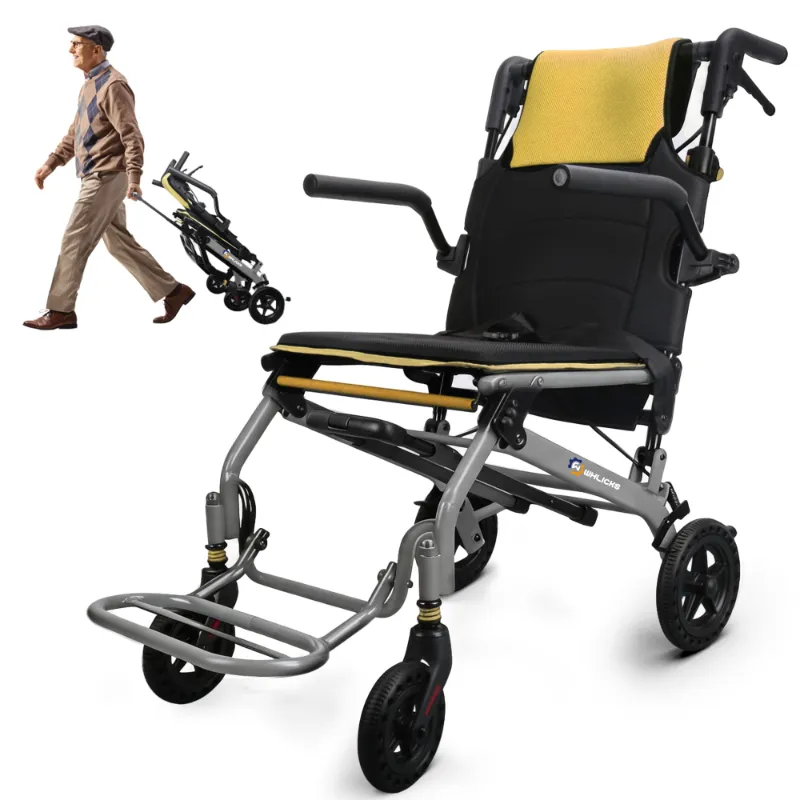
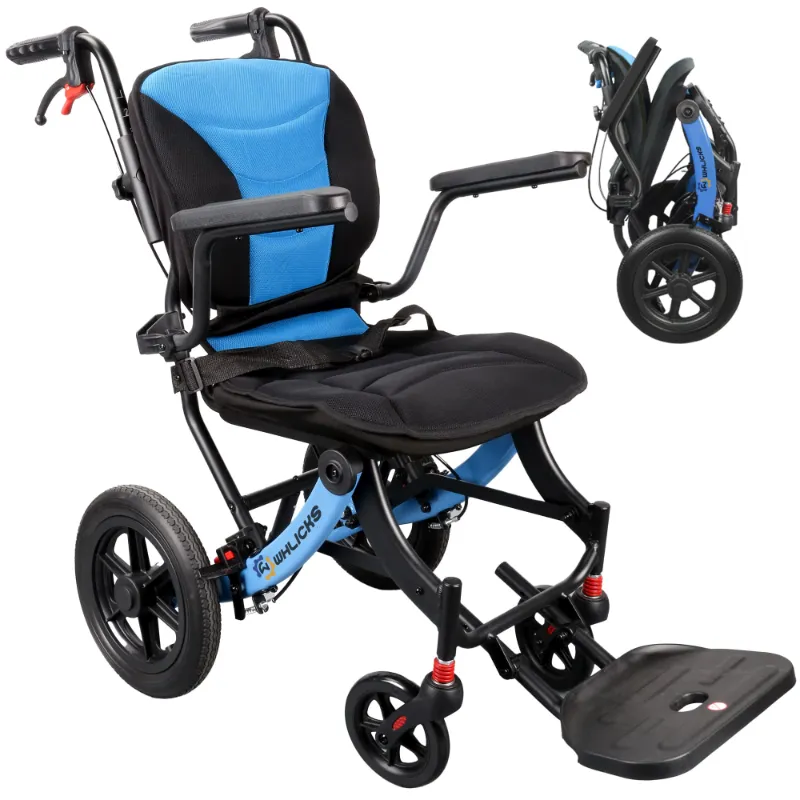
A transport chair is built for a caregiver to push, with smaller wheels and a compact frame that prioritizes portability over self-propulsion. Standard wheelchairs feature large rear wheels the user grips to move independently, making them heavier but self-sufficient. If you need someone to push you for short trips, doctor visits, or travel, a transport chair delivers lighter weight and easier storage. If you need to navigate spaces on your own for hours at a time, a standard best wheelchair offers the independence and comfort you expect.
Below we break down weight, wheel size, who benefits most, and how pricing shakes out when you grab the code from WHLICKS.
Weight and Portability: Why Lightweight Transport Chairs Win for Travel
Transport chairs typically weigh 15 to 25 pounds, while standard wheelchairs clock in at 30 to 50 pounds or more. That difference matters when you lift the chair into a car trunk, carry it up a curb, or store it in a closet. Lightweight transport chairs for elderly users fold in seconds and fit into compact sedan trunks, making them the go-to choice for medical appointments, airport gates, and shopping trips.

Standard wheelchairs sacrifice portability for durability and self-propulsion. The larger frame and reinforced seat accommodate heavier weight capacities and all-day use, but you will need a larger vehicle or a ramp system. If you already own a handicap ramp at home, a standard wheelchair rolls smoothly up the slope. Without a ramp, lifting a 40-pound chair becomes a two-person job.
Quick weight comparison:
| Feature | Transport Chair | Standard Wheelchair |
|---|---|---|
| Average weight | 15 to 25 lbs | 30 to 50 lbs |
| Folds for storage | Yes, seconds | Yes, bulkier |
| Trunk fit | Most sedans | SUV or van |
Wheel Size and Self-Propulsion: Who Needs Big Rear Wheels
Transport chairs mount four small wheels, usually 8 inches in diameter, with no hand rims. The user cannot push themselves; a caregiver steers and propels from behind using push handles. This design keeps the chair narrow and light, perfect for tight hallways and airplane aisles.
Standard wheelchairs pair small front casters with 20- to 24-inch rear wheels wrapped in hand rims. The user grips the rims to roll forward, backward, and turn independently. That independence comes at the cost of width and weight. If you have upper-body strength and need to move around your home, office, or neighborhood solo, the larger wheels are non-negotiable.
Consider whether you have a caregiver available most of the time. If the answer is yes, a transport chair simplifies outings. If you spend hours alone or value autonomy, a standard wheelchair is the practical pick.
Who Should Choose a Transport Chair
Transport chairs suit anyone who needs occasional mobility assistance and has a caregiver or companion available. We see them excel in these scenarios:
- Short-term recovery after surgery or injury when you cannot self-propel but will regain strength soon.
- Medical appointments where a family member pushes you from the car to the exam room.
- Travel and outings like museums, theme parks, or airports where distances are long but a companion is present.
- Elderly users with limited arm strength who cannot turn large wheelchair wheels but remain mobile with support.
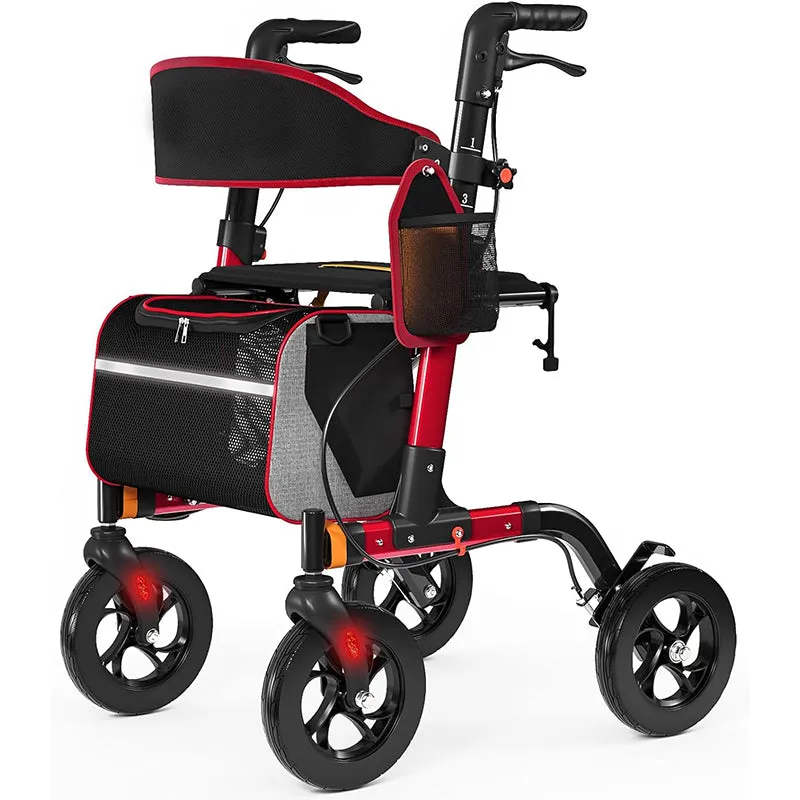
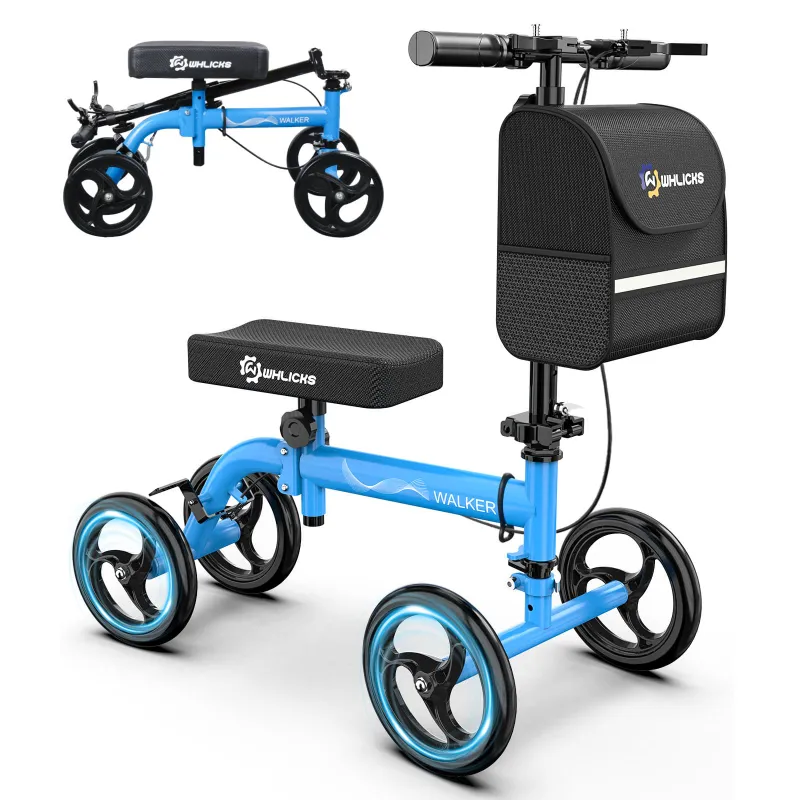
A transport chair also pairs well with other mobility aids. If you use senior walkers at home for short distances but need a chair for longer errands, the transport option keeps you mobile without the bulk of a full wheelchair. Similarly, someone recovering from knee surgery might switch between a knee walker scooter indoors and a transport chair for outings.
Who Should Choose a Standard Wheelchair
A standard wheelchair fits users who need all-day seating and the ability to move without help. You should lean toward a standard model if:
- You spend multiple hours per day seated and need ergonomic support, cushioning, and adjustable footrests.
- You live alone or value independence and cannot rely on a caregiver to push you.
- You navigate indoor and outdoor terrain regularly, from home hallways to sidewalks and parks.
- You need a weight capacity above 250 pounds, which most transport chairs cannot safely accommodate.
Standard wheelchairs also work for users who require custom seating, pressure-relief cushions, or specialized positioning. If you are shopping for a long-term mobility solution and have the space and vehicle capacity, the investment in a full wheelchair pays off in comfort and autonomy. For current pricing on both categories, check the latest price at WHLICKS and apply the 10% sitewide discount at checkout.
Materials, Durability, and Maintenance
Most transport chairs use aluminum or steel tubing with vinyl or nylon upholstery. Aluminum models stay lighter but cost slightly more; steel versions handle rough use and higher weight limits. Upholstery wipes clean with soap and water, and folding mechanisms stay simple with minimal moving parts. Inspect the wheel axles and brakes every few months to confirm they lock securely.
Standard wheelchairs often feature reinforced frames, adjustable armrests, and removable footrests. The added complexity means more joints to check and lubricate, but also more customization. Pneumatic tires on larger wheels require occasional inflation, while solid tires never go flat but ride rougher on uneven ground.
Maintenance checklist for both types:
- Wipe upholstery weekly to prevent stains and odors.
- Check brake function before each use.
- Tighten screws and bolts monthly.
- Inspect wheels for cracks or wear every three months.
- Lubricate axles and folding joints twice a year.
Proper care extends the life of either chair by years, so budget a few minutes each month for basic upkeep.
Sizing, Comfort, and Accessories
Seat width matters. Transport chairs typically offer 17- to 19-inch widths, matching standard dining chairs. Measure your hip width while seated and add two inches for comfort. Standard wheelchairs range from 16 to 24 inches wide, accommodating bariatric users and those who need extra room for cushions.
Footrests on transport chairs are fixed or swing-away; they keep your feet stable during transport but offer less adjustability. Standard wheelchairs mount elevating leg rests, heel loops, and calf pads for users recovering from surgery or managing edema.
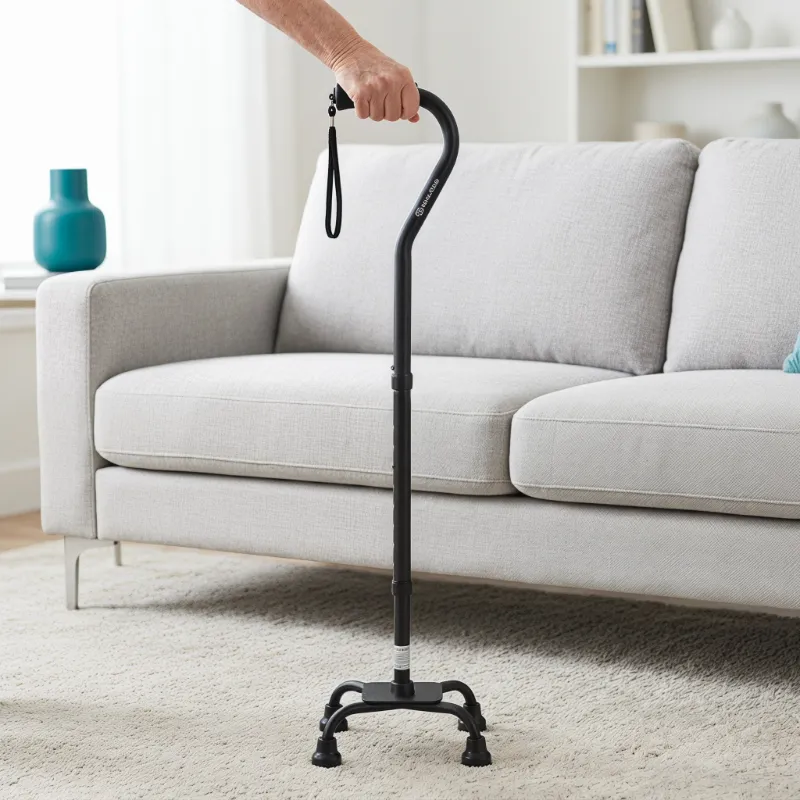
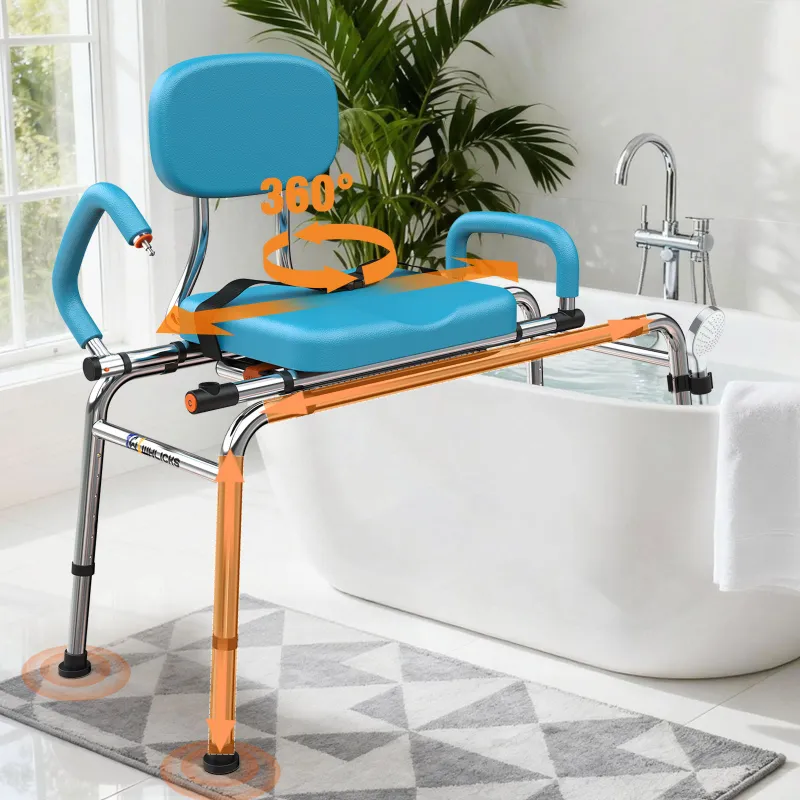
Accessories that improve both categories include cup holders, storage pouches, and seat cushions. A gel or foam cushion reduces pressure sores during long sits. If you need additional mobility support beyond seating, explore options like a best walking cane for short walks or bath chairs and best shower chair for safe bathing.
Where to Buy and How to Save
You will find transport chairs and wheelchairs at medical supply stores, pharmacies, and online retailers. WHLICKS stocks both categories with detailed specs and user reviews. Buying online gives you access to a wider selection and the ability to compare weights, dimensions, and features side by side.
Before you order, confirm the weight capacity, folded dimensions, and whether the chair ships fully assembled or requires basic setup. Most models arrive ready to unfold, but double-check armrest and footrest installation. Authority retailers like Transport Chairs & Wheelchairs offer additional educational resources if you want to compare brands and certifications.
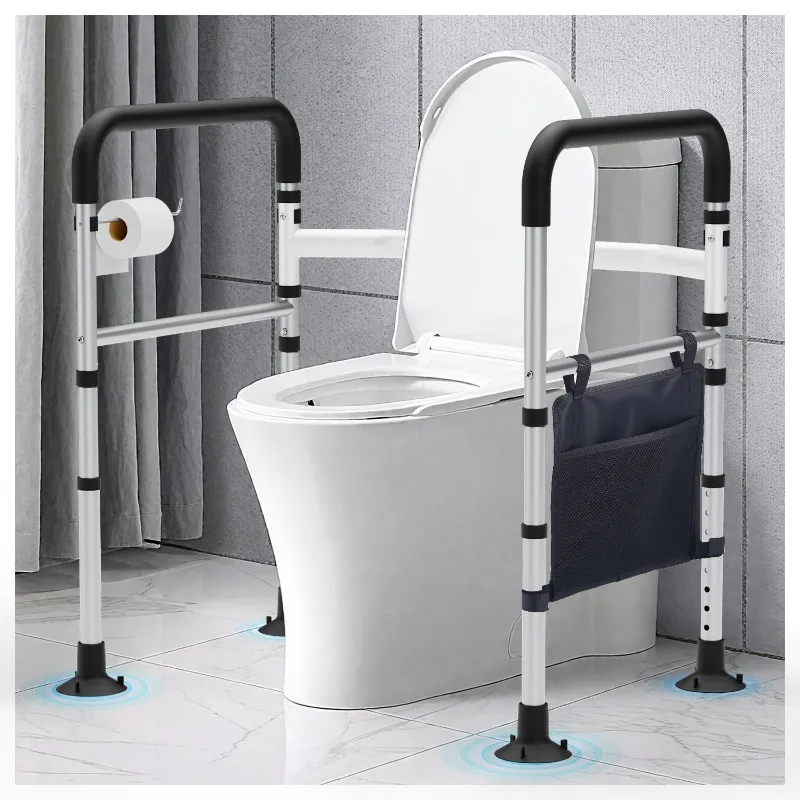
To save on your purchase, visit the WHLICKS discount code page and apply the 10% sitewide offer at checkout. That discount applies to transport chairs, standard wheelchairs, and related mobility aids like toilet saftey rails and knee scotter models, so you can bundle products in one order and maximize savings.
Final Takeaway
Choose a transport chair if you need lightweight portability, have a caregiver available, and prioritize easy storage for occasional outings. Pick a standard wheelchair if you require independence, spend hours seated daily, and have the space and vehicle capacity for a heavier frame. Both serve essential roles, and many families keep one of each to cover different scenarios. Measure your needs, test the seat width, and use the discount code to bring home the right mobility solution today.
Questions
Can I push myself in a transport chair?
No, transport chairs have small wheels without hand rims, so you cannot self-propel. A caregiver must push from behind. If you need to move independently, choose a standard wheelchair with large rear wheels.
Are lightweight transport chairs sturdy enough for daily use?
Lightweight transport chairs handle occasional daily use like errands and appointments, but they lack the reinforced frames and ergonomic seating of standard wheelchairs. For all-day sitting, a standard wheelchair offers better long-term comfort and durability.
What is the weight limit difference between transport chairs and wheelchairs?
Most transport chairs support 250 to 300 pounds, while standard wheelchairs range from 250 to 500 pounds depending on the model. Always check the manufacturer's weight capacity before purchasing.
Do transport chairs fit in airplane aisles?
Yes, the narrow frame and small wheels of transport chairs make them ideal for airplane aisles, cruise ship corridors, and tight indoor spaces. Standard wheelchairs are too wide for most aircraft aisles.
Can I use a transport chair outdoors on rough terrain?
Transport chairs work on smooth pavement and indoor floors but struggle on gravel, grass, or uneven trails. The small wheels lack the traction and suspension of standard wheelchair wheels, so stick to paved surfaces.
How do I know which seat width I need?
Measure your hip width while seated and add two inches for comfort. Transport chairs typically offer 17 to 19 inches, while standard wheelchairs range up to 24 inches for bariatric users.
Products in this guide
 Shopping at WHLICKS? See the discount code
10% OFF Sitewide
Shopping at WHLICKS? See the discount code
10% OFF Sitewide
More in this series
What’s the Weight Limit on Toilet Safety Rails and How to Install Them Safely21 Aug 20266 minHow Long Do Handicap Ramps Last and What Materials Hold Up Best?21 Aug 20264 minShower Chair vs Shower Seat vs Bath Chair: What’s the Difference?21 Aug 20265 minDo Knee Walkers Work Better Than Crutches for Ankle and Foot Injuries?21 Aug 20265 min How to Choose the Right Mobility Scooter: 3-Wheel vs 4-Wheel for Seniors21 Aug 20265 min