 A WHLICKS guide
Shower Chair vs Shower Seat vs Bath Chair: What’s the Difference?
The best shower chair offers back support and four legs for stability, while shower seats and bath chairs serve different needs depending on your space and mobility.
Understanding the Key Differences
The best shower chair is a freestanding seat with a backrest and four legs designed for stability during bathing, while a shower seat typically mounts to the wall and a bath chair includes features specifically for tub use.
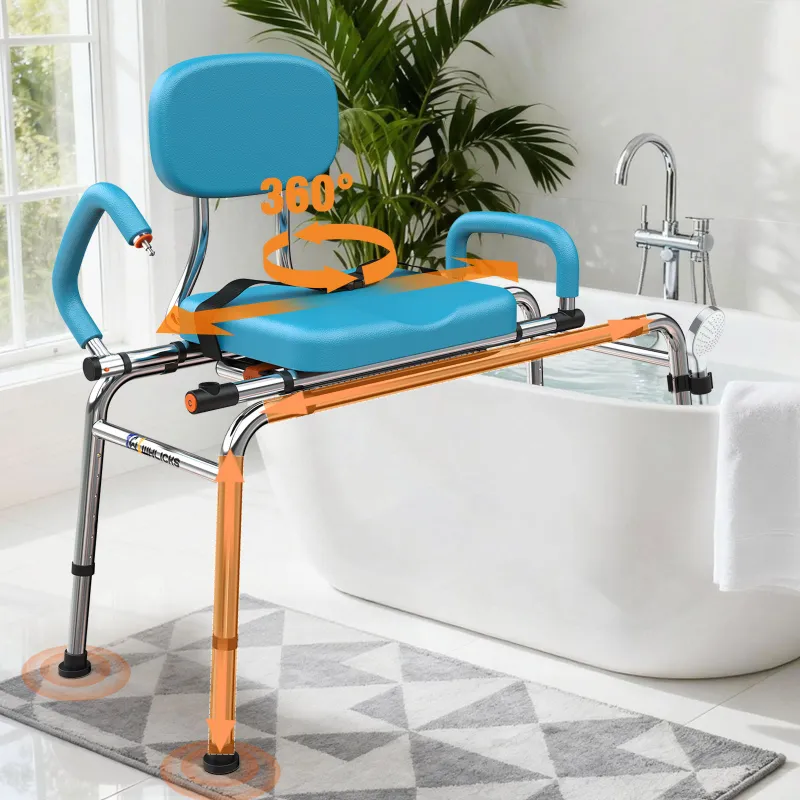
Most people use these terms interchangeably, but the distinctions matter when you’re shopping for the right product. A true best shower chair stands independently with rubber-tipped legs, a contoured seat, and back support. Shower seats bolt to your shower wall as fixed or fold-down benches. Bath chairs add armrests, adjustable height, and sometimes a cutout seat for personal hygiene, making them the go-to choice for tub transfers.
What Makes a Shower Chair Different
Shower chairs deliver portability and full back support. They typically feature four or five legs with non-slip rubber tips, a molded plastic or padded seat, and a backrest that reaches mid-spine or higher. Weight capacity usually ranges from 250 to 400 pounds, and most models adjust in one-inch increments to match your shower floor and personal height.
We recommend shower chairs when you need temporary seating during recovery from surgery, prefer a product you can move between bathrooms, or rent a home where wall mounting is not allowed. They work beautifully in walk-in showers with level thresholds but can tip if placed on uneven tile or inside narrow tub enclosures.
Key features to look for:
- Tool-free height adjustment with push-button or twist locks
- Drainage holes to prevent water pooling on the seat
- Armrests for transfer stability (optional but helpful)
- Lightweight aluminum or rust-proof resin frame
- Textured seat surface to reduce slipping
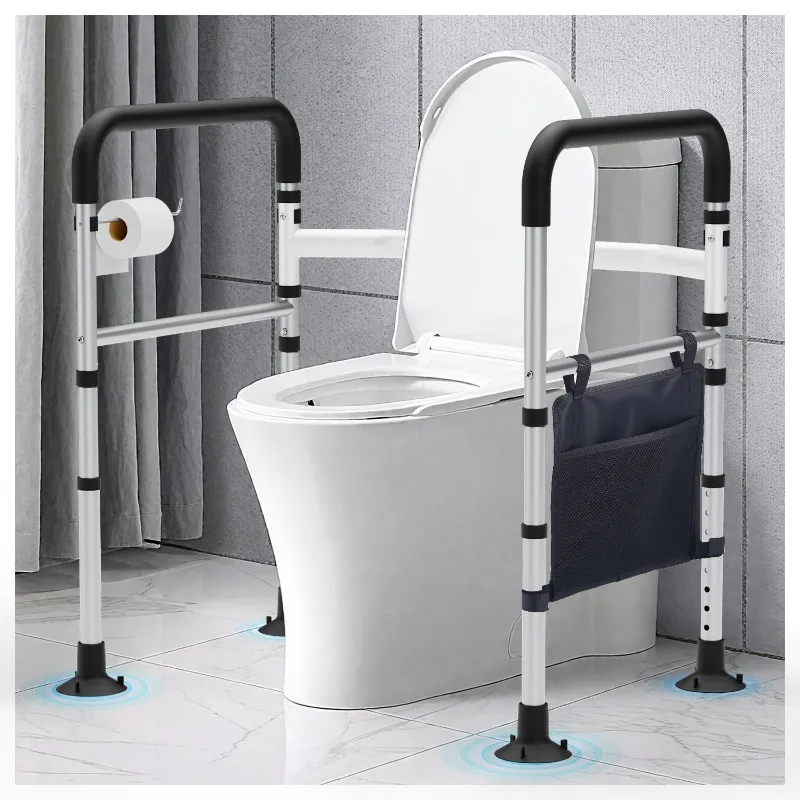
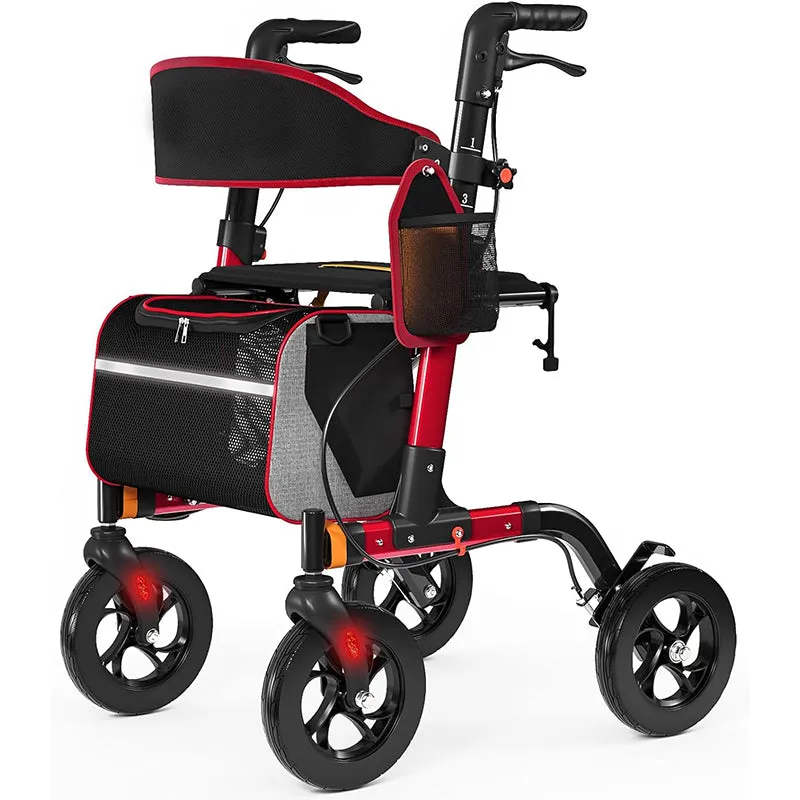
Many seniors pair a shower chair with toilet safety rails for a complete bathroom safety upgrade, and mobility aid users often need both a best shower chair and senior walkers to navigate their daily routines safely.
How Shower Seats Work in Small Spaces
Wall-mounted shower seats save floor space in compact stalls and never shift or slide. They install with heavy-duty anchors into wall studs or blocking, fold up when not in use, and support 250 to 300 pounds on average. The best waterproof shower bench models use teak, bamboo, or marine-grade composite that resists mildew.
Choose a shower seat when your shower measures less than 32 inches wide, you want a permanent solution, or you have strong upper body strength to lower yourself without armrests. Installation requires drilling into tile and waterproofing the fastener penetrations, so factor in a handyman visit if you’re not comfortable with power tools.
Pros and cons at a glance:
| Feature | Shower Chair | Shower Seat |
|---|---|---|
| Installation | None, ready to use | Wall mounting required |
| Portability | Move room to room | Fixed location |
| Back support | Yes, on most models | Rarely included |
| Space efficiency | Takes floor area | Folds against wall |
For the best shower chair for small shower layouts, measure your interior dimensions carefully. A chair with a 16-inch seat width fits most 36-inch stalls, but you’ll still need clearance to pivot and position yourself safely.
Bath Chairs for Tub Users
Bath chairs bridge the gap between standing outside the tub and sitting inside it. They feature a wider seat that spans the tub wall, adjustable legs on both sides (inside and outside the tub), and often include a swivel seat or sliding mechanism. Some models add a backrest, padded armrests, and a hygiene cutout.
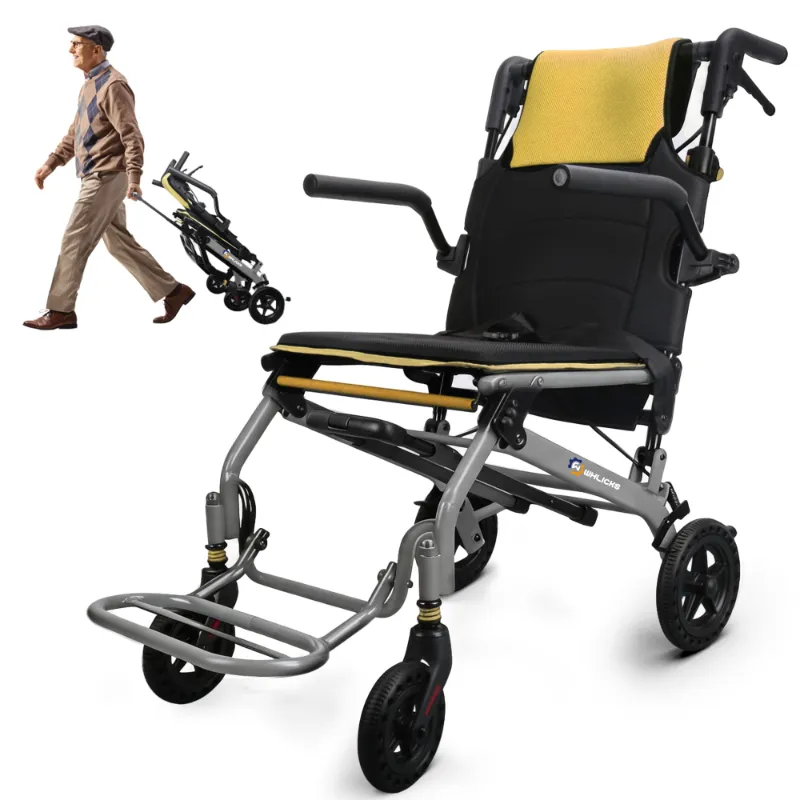
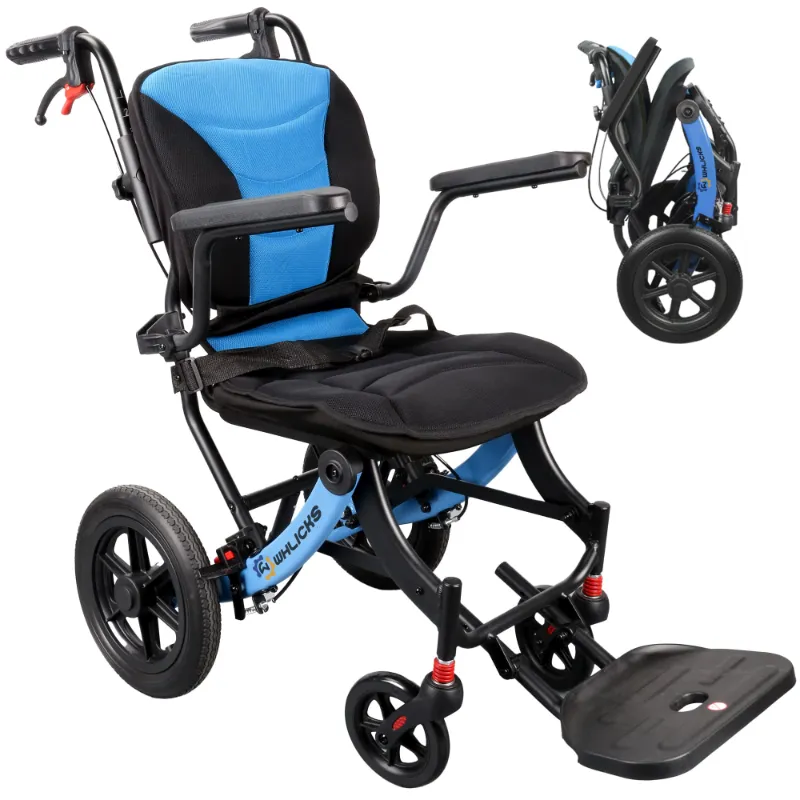
We’ve found bath chairs essential when you cannot step over a high tub wall, need to transfer from a transport chair or best wheelchair, or require caregiver assistance during bathing. The dual-height leg design compensates for the tub rim, keeping the seat level even though one pair of legs sits on the bathroom floor and the other on the tub floor.
The best shower chair for bathtub use includes locking armrests that flip up for side transfers and a seat that rotates to minimize twisting your spine. Look for models with suction feet on the interior legs to prevent sliding on slick tub surfaces.
Choosing the Right Option for Elderly Users
The best shower chair for elderly users balances stability, comfort, and ease of use. Seniors with arthritis need tool-free height adjustments and lightweight frames they can reposition without straining. Those with limited grip strength benefit from textured armrests and push-button leg locks rather than twist mechanisms.
According to research on choosing shower seating, falls in the bathroom account for a significant portion of senior injuries, making proper seating a critical safety measure. Pairing the right chair with grab bars and non-slip mats creates a safer bathing environment.
Match the product to the need:
- Post-surgery recovery: Lightweight shower chair with back support and armrests
- Permanent disability: Wall-mounted fold-down seat or heavy-duty bath chair
- Bariatric users: Reinforced shower chair rated to 400+ pounds with wider seat
- Parkinson’s or tremor conditions: Chair with full armrests and anti-tip rear legs
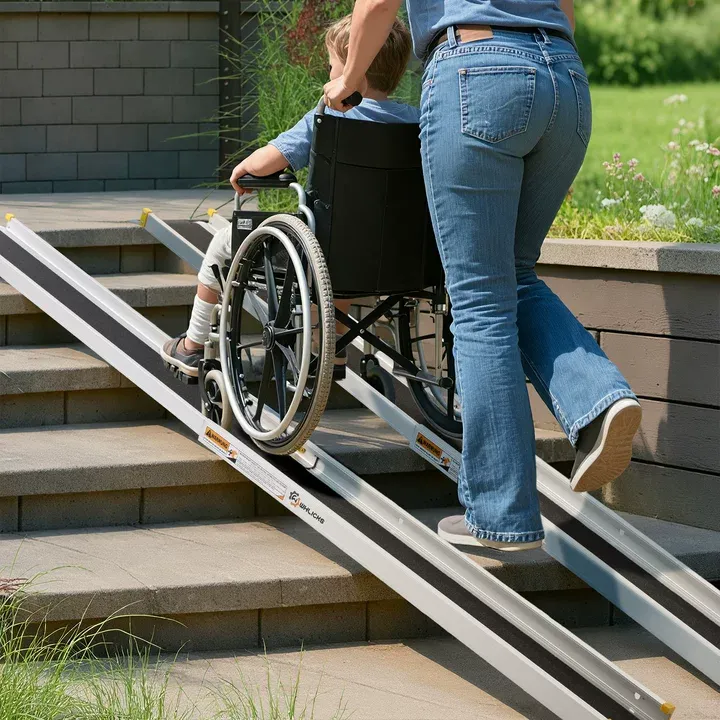
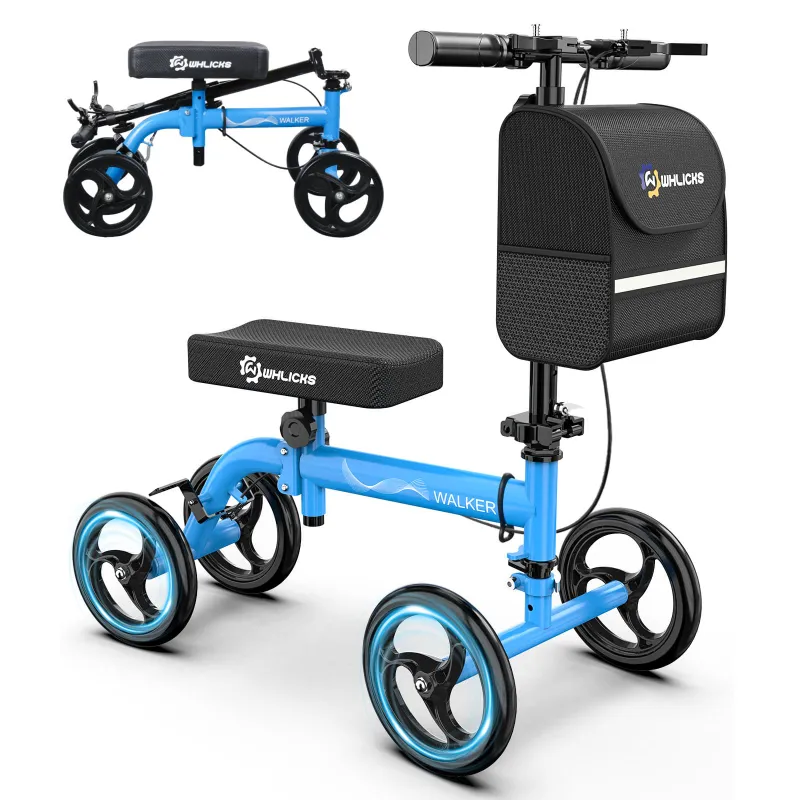
Many families who invest in bathroom safety also explore handicap ramps for home entry and knee walker scooters for indoor mobility during recovery periods.
Material and Durability Considerations
Most shower chairs use powder-coated aluminum for the frame and molded polypropylene for the seat. This combination resists rust, stays lightweight (6 to 10 pounds), and dries quickly after each use. Premium models add padded seats with antimicrobial covers, though padding requires more frequent cleaning and eventual replacement.
Teak and bamboo shower seats offer aesthetic appeal and natural water resistance, but they need monthly oiling to prevent cracking and cost two to three times more than resin models. Stainless steel frames provide maximum durability for bariatric users but add weight and expense.
Avoid chairs with exposed metal screws or sharp edges that can snag towels or skin. Check that all seat drainage holes are molded, not drilled, to prevent stress cracks over time.
Where to Buy and How to Save
Check the latest pricing at WHLICKS, where we’ve secured a 10% sitewide discount code for readers. Most best shower chair models ship fully assembled or require only attaching the legs with included Allen wrenches.
Compare your final selection against reviews from Wirecutter’s best shower chairs and Elder Life Financial’s senior chair guide to confirm weight limits, warranty coverage, and real-world durability. Look for return policies that allow you to test the chair in your actual shower, since ceiling height, fixture placement, and personal comfort vary widely.
When you grab the discount code, you’ll also find bundle deals that pair shower chairs with bath chairs or safety rails for comprehensive bathroom accessibility upgrades. We recommend measuring your shower dimensions, user weight, and transfer method before ordering to ensure the right fit on the first try.
Questions
Can I use a shower chair in a bathtub safely?
Standard shower chairs are not designed for bathtubs because they can't accommodate the tub rim height difference. Use a dedicated bath chair with dual-height legs that sit both inside and outside the tub for safe, level seating.
What is the best shower chair for elderly users who live alone?
Look for a lightweight model with armrests, tool-free height adjustment, and a backrest. A chair weighing under 10 pounds is easier to reposition independently, and armrests provide critical stability when sitting down or standing up without caregiver help.
Do wall-mounted shower seats hold enough weight for bariatric users?
Most wall-mounted seats support 250 to 300 pounds, which may not be sufficient. Bariatric users should choose a freestanding shower chair rated to 400+ pounds or have a contractor install reinforced blocking and heavy-duty brackets for a mounted seat.
How often should I replace a shower chair?
Replace your shower chair every three to five years, or sooner if you notice cracks in the seat, rust on the frame, worn rubber tips, or wobbly legs. Inspect all adjustment locks and joints every six months for safe operation.
Will a shower chair fit in a 32-inch shower stall?
Most standard shower chairs have seat widths of 16 to 18 inches and will physically fit, but you'll have limited maneuvering room. Measure your stall interior and look for compact models designed specifically for small showers to ensure comfortable, safe transfers.
Can I get a shower chair covered by insurance or Medicare?
Medicare Part B may cover a shower chair if your doctor writes a prescription classifying it as durable medical equipment for a medical necessity. Check with your specific plan, as coverage varies and you may need to purchase from an approved supplier.
Products in this guide
 Shopping at WHLICKS? See the discount code
10% OFF Sitewide
Shopping at WHLICKS? See the discount code
10% OFF Sitewide
More in this series
What’s the Weight Limit on Toilet Safety Rails and How to Install Them Safely21 Aug 20266 minTransport Wheelchair or Standard Wheelchair: Which One Do You Actually Need?21 Aug 20266 minHow Long Do Handicap Ramps Last and What Materials Hold Up Best?21 Aug 20264 minDo Knee Walkers Work Better Than Crutches for Ankle and Foot Injuries?21 Aug 20265 min How to Choose the Right Mobility Scooter: 3-Wheel vs 4-Wheel for Seniors21 Aug 20265 min