 A WHLICKS guide
How Long Do Handicap Ramps Last and What Materials Hold Up Best?
A handicap ramp lifespan depends heavily on material choice, with aluminum lasting 15 to 25 years, wood 5 to 15 years, and concrete 20 to 25 years under proper care.
A handicap ramp typically lasts between 5 and 25 years, depending on the material you choose and how well you maintain it. Aluminum ramps generally outlast wood, while concrete offers exceptional longevity but lacks portability. Understanding which material suits your needs will save you money and headaches down the road.
What Determines How Long a Handicap Ramp Lasts
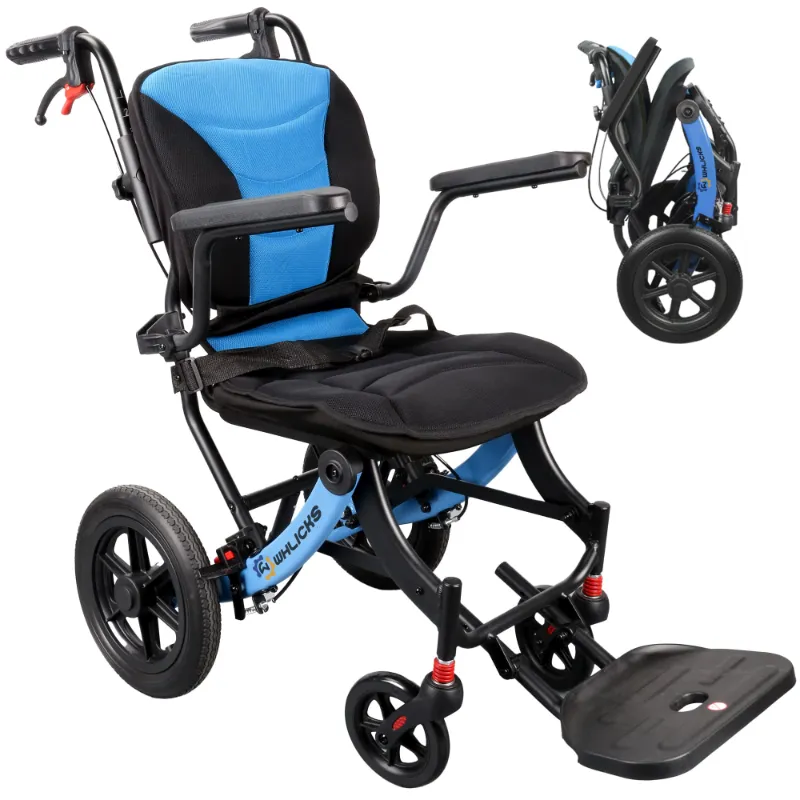
Several factors influence ramp lifespan beyond the material itself. Climate plays a major role: ramps in coastal areas face salt corrosion, while those in northern climates endure freeze-thaw cycles that crack wood and concrete. Usage frequency matters too. A ramp used daily by a best wheelchair or 3 wheel mobility scooter experiences more wear than one used occasionally for senior walkers.
Installation quality directly affects durability. Poorly anchored ramps shift over time, creating stress points that accelerate damage. Proper slope also matters: the 2026 Wheelchair Ramp Guide recommends a 1:12 ratio for safety and reduced strain on the structure.
Maintenance routines extend any ramp’s life. Regular inspections catch rust, rot, and loose fasteners before they become expensive repairs. Check current pricing and grab our code to save on quality ramps that are built to last.
Aluminum Ramps: The Durability Sweet Spot
Aluminum ramps typically last 15 to 25 years, making them the most popular choice for both portable wheelchair ramps for steps and permanent installations. The material resists rust naturally, requires minimal upkeep, and handles weather extremes without warping.
Key advantages:
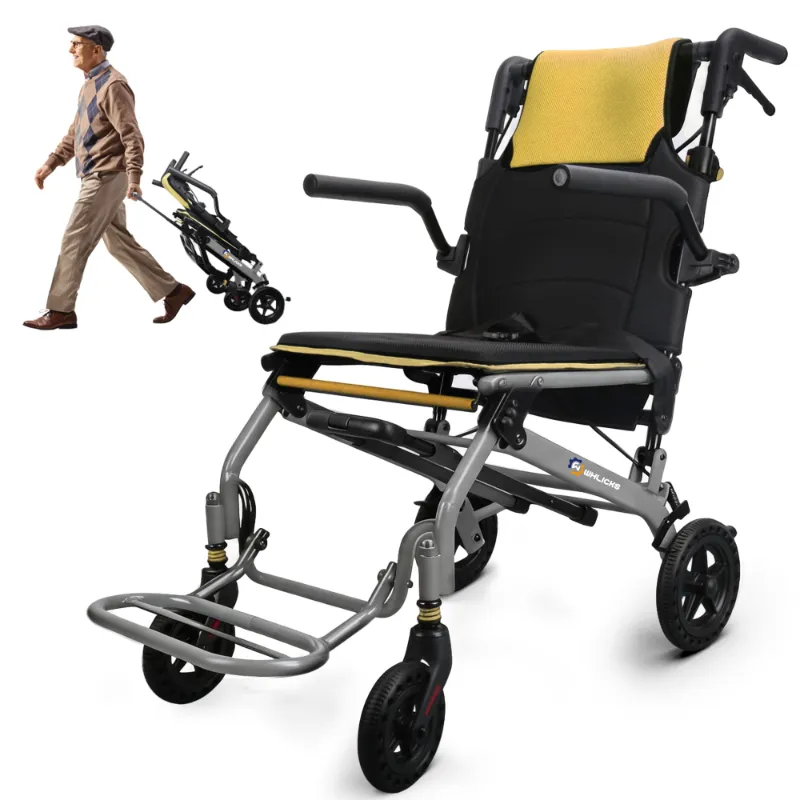
- Lightweight yet strong enough for transport chair and wheelchair use
- No painting or sealing required
- Easy to relocate if you move
- Won’t splinter or crack like wood
Aluminum does have trade-offs. It costs more upfront than wood, and some models can be slippery when wet unless they feature non-slip surfaces. Quality matters: thicker gauge aluminum withstands heavy use better than thin material. When shopping for a handicap ramp, check the weight capacity and surface texture before buying.
Wood Ramps: Affordable but Higher Maintenance
Wood ramps last 5 to 15 years depending on wood type and climate. Pressure-treated lumber performs better than untreated wood, but all wood ramps demand regular maintenance to prevent rot and splintering.
| Material | Lifespan | Maintenance | Best For |
|---|---|---|---|
| Aluminum | 15-25 years | Minimal | Long-term use, all climates |
| Wood | 5-15 years | High (annual sealing) | Budget builds, temporary setups |
| Concrete | 20-25 years | Low | Permanent installation |
Wood ramps work well for temporary wheelchair ramp for home projects or when budget is tight. They’re easy to customize on-site and blend naturally with home exteriors. However, you’ll need to:

- Apply waterproof sealant annually
- Replace rotted boards every few years
- Check for loose screws and nails regularly
- Sand down splinters that could damage knee walker scooter wheels
The Wheelchair Ramps – Residential, Portable, and More resource notes that wood performs poorly in humid climates where mold and decay accelerate.
Concrete and Modular Ramps: Maximum Longevity
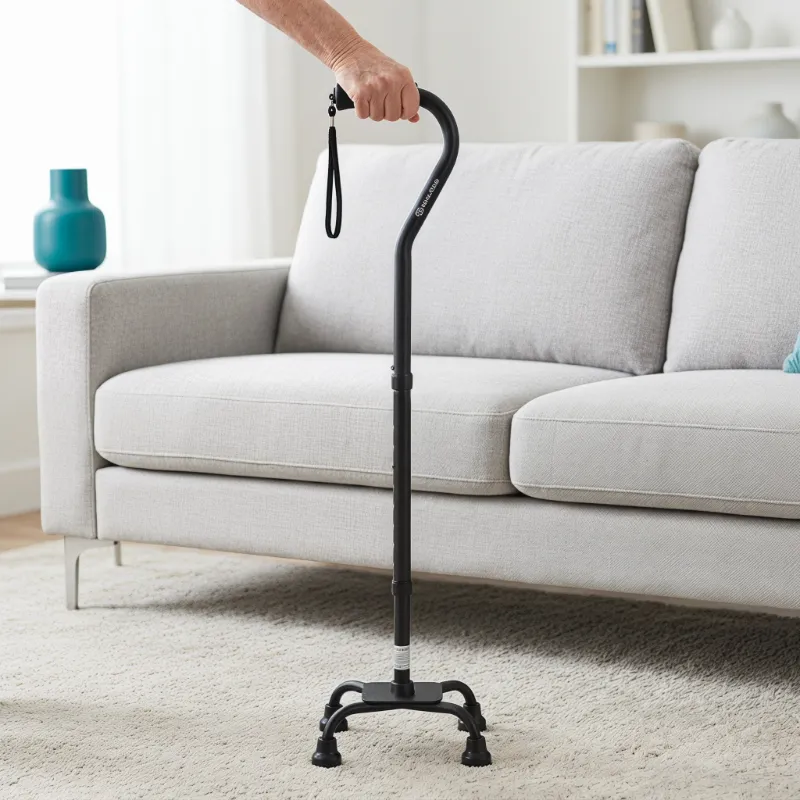
Concrete ramps can last 20 to 25 years or more with proper installation and drainage. They’re ideal for permanent home modifications where you won’t need to move the ramp. Concrete handles heavy loads without flexing, making it perfect for households with multiple mobility aids like best walking cane users and wheelchair users.
Concrete pros:
- Extremely durable and stable
- No rust, rot, or corrosion
- Low maintenance after installation
- Can be textured for traction
Concrete cons:
- Expensive to install and remove
- Cracks in freezing climates without proper base prep
- Permanent (not portable)
- Requires professional installation in most cases
Modular plastic and composite ramps fall between aluminum and wood for lifespan, typically lasting 10 to 20 years. They cost more than wood but less than aluminum, and they resist moisture better than wood while staying lighter than concrete.
Matching Ramp Material to Your Situation
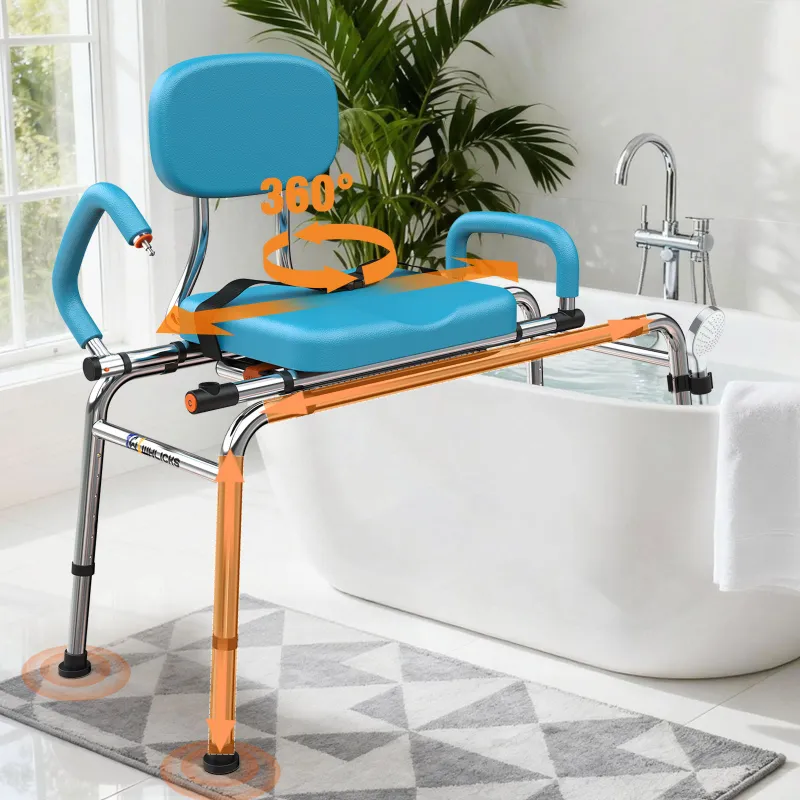
Choose your material based on how long you’ll need the ramp and your budget. Aluminum makes the most sense for long-term use when you want low maintenance and portability. If you’re supporting someone who also uses bath chairs or toilet saftey rails, you’re likely planning for extended accessibility needs, so investing in aluminum pays off.
Wood suits temporary situations: recovering from surgery with a knee scotter, helping an aging parent for a few years, or testing a ramp configuration before committing to permanent installation. Just budget for yearly maintenance time and materials.
Concrete is the choice when you’re modifying a home you’ll own for decades and don’t need portability. It’s overkill for short-term needs but unbeatable for permanent accessibility.
Before buying any ramp, verify it meets proper handicap ramp slope requirements (1:12 for wheelchairs, 1:8 for walkers) and local building codes. The best portable wheelchair ramps of 2026 have been independently tested for both safety and durability.
Extending Your Ramp’s Lifespan
Simple maintenance adds years to any ramp material:
- Clean regularly to remove debris, salt, and moisture that accelerate wear
- Tighten hardware every six months to prevent wobbling and stress cracks
- Apply protective coatings to wood annually and inspect aluminum for scratches that expose bare metal
- Clear snow and ice promptly to prevent freeze damage and falls
- Check drainage around the ramp base to avoid water pooling
Store portable ramps indoors when not in regular use. Even durable aluminum benefits from being out of direct weather when you’re only using it occasionally for visiting family who need senior walkers or wheelchairs.
Visit our WHLICKS discount page to see current offers on quality ramps and mobility equipment that’s built to last.
Questions
How long does an aluminum handicap ramp last outdoors?
Aluminum ramps typically last 15 to 25 years outdoors with minimal maintenance. They resist rust and corrosion naturally, making them ideal for all climates including coastal and northern regions.
Do wood wheelchair ramps need to be replaced sooner than metal?
Yes, wood ramps last 5 to 15 years compared to 15 to 25 years for aluminum. Wood requires annual sealing and board replacement as rot develops, especially in humid climates.
What is the best material for a permanent home ramp?
Concrete is best for permanent installations, lasting 20 to 25 years or more. Aluminum is the top choice when you want similar longevity but need the option to relocate the ramp later.
Can I extend the life of a portable wheelchair ramp?
Yes. Store portable ramps indoors when not in regular use, clean them after wet or salty conditions, and tighten hardware every six months. These steps can add several years to any ramp's lifespan.
How often should I inspect my handicap ramp for damage?
Inspect ramps every three to six months for loose fasteners, surface damage, and structural issues. Check wood ramps more frequently for rot, and examine aluminum for scratches that could lead to corrosion.
Are used aluminum ramps worth buying for longevity?
Used aluminum ramps can be a good value if they're in good condition with no major corrosion or bent sections. Inspect all fasteners, check for cracks at stress points, and verify the weight capacity still meets your needs.
Products in this guide
 Shopping at WHLICKS? See the discount code
10% OFF Sitewide
Shopping at WHLICKS? See the discount code
10% OFF Sitewide
More in this series
 What’s the Weight Limit on Toilet Safety Rails and How to Install Them Safely21 Aug 20266 minTransport Wheelchair or Standard Wheelchair: Which One Do You Actually Need?21 Aug 20266 minShower Chair vs Shower Seat vs Bath Chair: What’s the Difference?21 Aug 20265 minDo Knee Walkers Work Better Than Crutches for Ankle and Foot Injuries?21 Aug 20265 minHow to Choose the Right Mobility Scooter: 3-Wheel vs 4-Wheel for Seniors21 Aug 20265 min