 A WHLICKS guide
What’s the Weight Limit on Toilet Safety Rails and How to Install Them Safely
Toilet saftey rails typically support between 250 and 400 pounds, but choosing the right model and installing it correctly ensures maximum stability and safety.
Most toilet saftey rails are designed to support between 250 and 400 pounds, though some heavy-duty models handle up to 500 pounds. The actual weight capacity depends on the rail’s construction material, attachment method, and how well you install it.
Weight Capacity Standards for Toilet Saftey Rails
Weight limits vary widely across different rail designs. Freestanding models that rely on floor contact and their own base typically offer 250 to 300 pounds of support, while frame-mounted or wall-mounted rails secured directly to studs can handle 300 to 500 pounds. Manufacturers test these limits under controlled conditions, but real-world performance depends on proper assembly and secure anchoring.
When you’re comparing options, look for rails labeled with an actual tested weight capacity rather than vague claims. Steel and aluminum frames with reinforced joints consistently outperform plastic components. If you’re near the upper end of a model’s stated limit, we recommend choosing the next capacity tier up for a safety margin. Check the latest price on models that list third-party testing or ANSI standards compliance.
How to Install Toilet Safety Rails Correctly
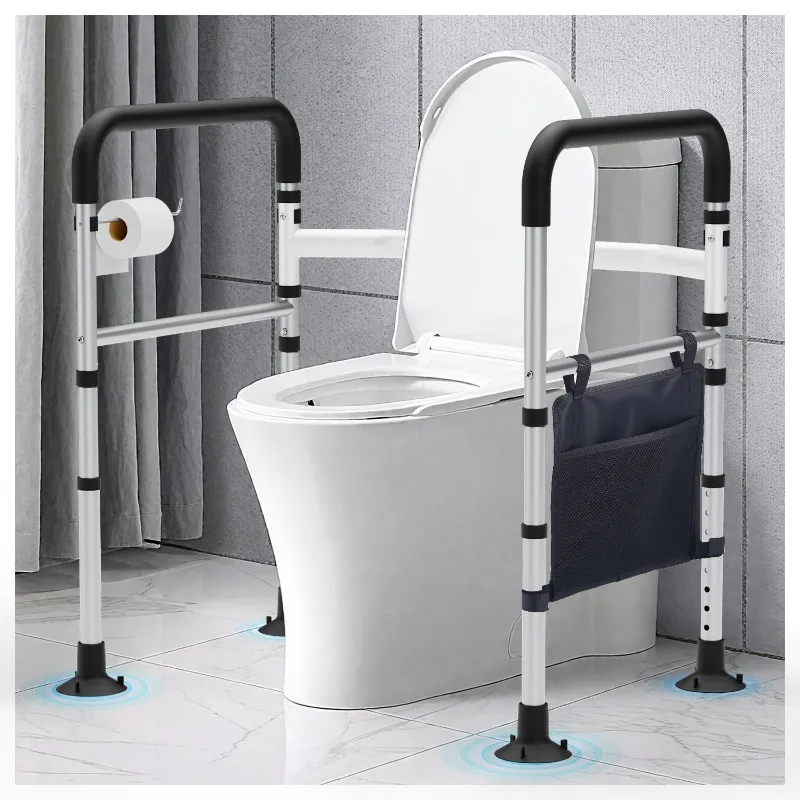
Proper installation transforms a wobbly rail into a secure support system. Most toilet saftey rails use one of three mounting methods, and each requires different steps.
Freestanding rails sit around the toilet bowl and grip through adjustable legs:
- Adjust the width so the rail frame fits snugly around the bowl without rocking
- Tighten all adjustment knobs until the frame doesn’t shift when you press down with your full weight
- Place non-slip rubber feet flat on the floor, never on bath mats or rugs that can slide
- Test by applying downward and lateral pressure before use
Clamp-mount rails attach directly to the toilet bowl rim:
- Clean the bowl surface where clamps will contact to remove soap residue
- Position clamps evenly on both sides, typically under the seat hinge area
- Tighten bolts in a cross pattern, checking that the rail stays level
- Re-check tightness after the first week as vibrations can loosen hardware
Wall-mounted rails offer the highest weight capacity but require more work:
- Use a stud finder to locate solid framing behind drywall or tile
- Drill pilot holes into studs, never relying solely on drywall anchors for weight-bearing support
- Secure with 3-inch lag bolts or heavy-duty screws rated for the rail’s weight capacity
- Position the rail 28 to 34 inches from the floor for comfortable arm placement
Always follow the manufacturer’s torque specifications. Over-tightening can crack porcelain, while under-tightening leaves the rail loose. We also recommend checking all fasteners monthly, especially in households where the rails see daily use.
Choosing the Right Material and Design
Rail construction directly impacts both weight capacity and longevity. Steel frames deliver the highest strength-to-weight ratio and typically support 350 pounds or more, making them ideal for bariatric use or households with multiple users. Aluminum rails weigh less and resist corrosion in humid bathrooms, usually supporting 250 to 350 pounds. Avoid rails with visible welds or joints that look uneven, which can be weak points under stress.
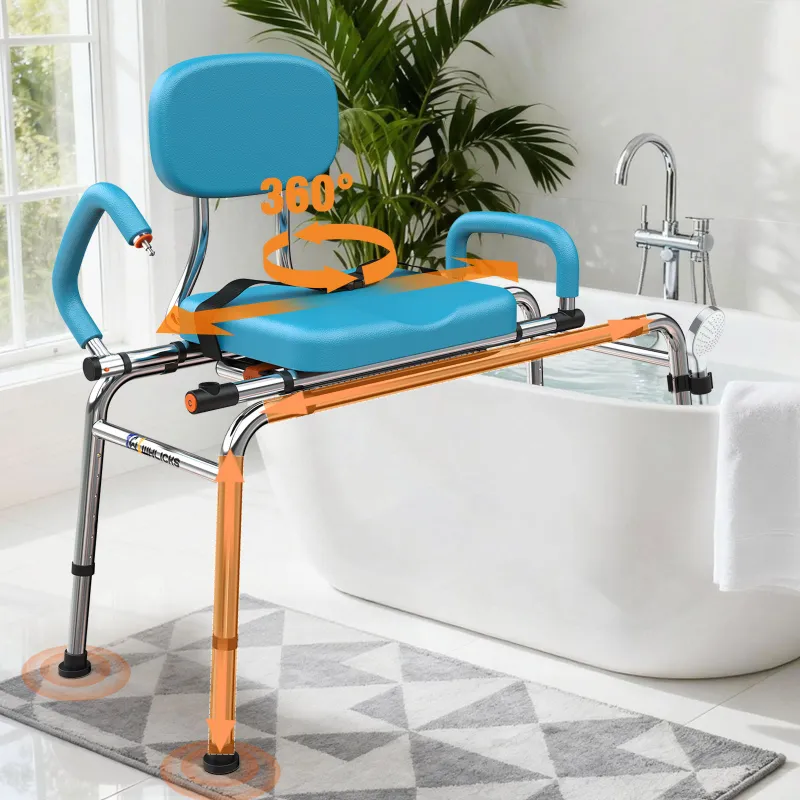
Padding and grip texture also matter. Foam armrests reduce pressure on forearms when you’re standing or sitting, while textured handles prevent slipping with wet hands. Some models include tool-free height adjustment, which helps if multiple people with different mobility needs share the bathroom. If you’re also outfitting other areas, products like best shower chair or bath chairs often share similar construction quality indicators.
| Feature | Freestanding | Clamp-Mount | Wall-Mount |
|---|---|---|---|
| Typical weight limit | 250 to 300 lbs | 300 to 400 lbs | 400 to 500 lbs |
| Installation time | 5 to 10 minutes | 15 to 20 minutes | 30 to 60 minutes |
| Portability | High | Medium | None |
| Stability | Good | Very good | Excellent |
Who Benefits Most from Toilet Safety Rails
These rails serve anyone who needs extra stability when sitting down or standing up from the toilet. Post-surgery patients recovering from hip or knee replacement find them essential during the first weeks of rehabilitation. Seniors with balance issues or reduced leg strength use them daily to maintain independence in the bathroom. People with arthritis appreciate the support when joint pain makes quick movements difficult.
Weight capacity becomes critical when you combine user weight with the dynamic forces of sitting and rising. A 200-pound person generates significantly more than 200 pounds of force when lowering onto the toilet or pushing up, so a 250-pound rail might be marginal. We recommend rails rated at least 100 pounds above your body weight for comfortable, confident use.
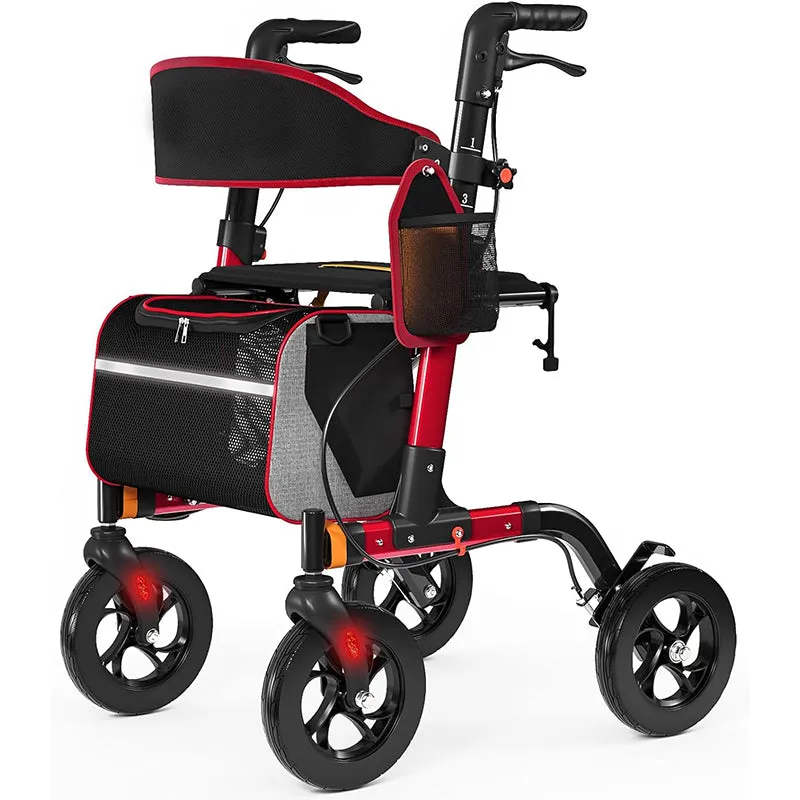
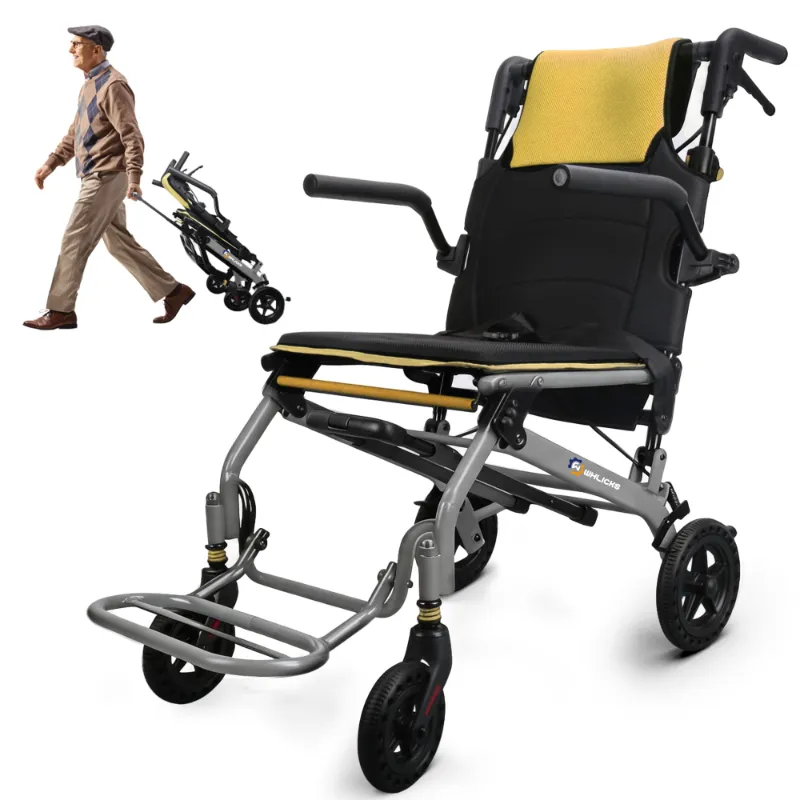
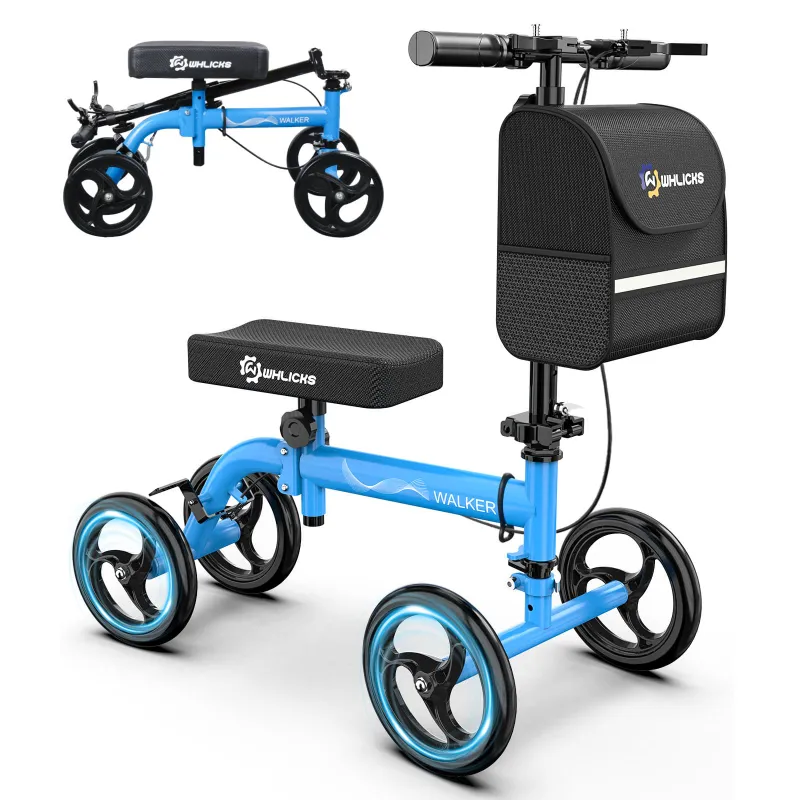
If mobility challenges extend beyond the bathroom, consider complementary products. Senior walkers provide stability throughout the home, while a transport chair helps with longer distances. For post-injury recovery, a knee walker scooter keeps weight off a healing leg. Pairing the right products creates a comprehensive safety system.
Measuring Your Toilet and Bathroom Space
Accurate measurements prevent the frustration of rails that don’t fit. Measure the distance between your toilet bowl and any adjacent walls, vanities, or tubs. Most freestanding rails need 20 to 24 inches of width, so tight half-baths may require a slimmer clamp-mount design instead. Measure the height from floor to toilet seat as well; standard seats sit 15 to 19 inches high, but comfort-height or raised seats change where you’ll want the rail handles positioned.
For wall-mounted installations, locate studs before ordering. If studs don’t align with the optimal rail position, you’ll need to install blocking between studs or choose a freestanding model. Some bathrooms have tile over drywall, which requires special masonry bits and anchors rated for wet environments. Grab the code before purchasing to save on professional-grade mounting hardware if your installation requires it.
Maintenance and Safety Checks
Even the best rails need regular inspection. Check all bolts, clamps, and adjustment points monthly, tightening any that have loosened from repeated use. Wipe down frames weekly with mild soap and water to prevent buildup that can corrode metal or degrade rubber grips. Inspect welds and joints for hairline cracks, especially on older models or those that have supported near-maximum weight.
Replace rails immediately if you notice bending, cracking, or any give in the frame when you apply pressure. Rubber feet and grips wear down over time and should be replaced when they become smooth or compressed. Most manufacturers sell replacement parts, or you can find universal grip covers that fit standard tubing diameters. For more options on reliable bathroom safety equipment, resources like Best Toilet Safety Frames & Rails and 5 Best Toilet Safety Rails That You Can Order Online offer additional tested recommendations.
Keep the area around your rails clear of towels, bath mats, or storage items that could interfere with gripping the handles in an emergency. Good lighting helps you see and reach the rails confidently, especially during nighttime bathroom trips. If you’re installing rails for an aging parent or someone with progressive mobility loss, plan to reassess their needs every six months as strength and balance change.
Final Installation Tips
Start with a test fit before drilling or tightening anything permanently. Have the person who will use the rails sit on the toilet while you hold the frame in position to verify handle height and reach. They should be able to grip the rails comfortably without hunching or stretching. Adjust positioning until they can push straight down and slightly forward when standing, which is the most mechanically efficient way to rise.
Document your installation with photos of mounting points and hardware used. This helps if you need to reinstall after bathroom renovations or if you move and want to replicate the setup. Keep the original instructions and any included hex keys or adjustment tools in a labeled envelope taped inside a nearby cabinet. When you’re confident in your setup and ready to order, visit the discount page for current offers on toilet safety rails and related mobility products that help create a safer bathroom environment.
Questions
What weight limit should I look for in toilet safety rails?
Choose rails rated at least 100 pounds above your body weight to account for dynamic forces when sitting and standing. Most quality models support 300 to 400 pounds, while heavy-duty options handle up to 500 pounds.
Can I install toilet safety rails without drilling into walls?
Yes, freestanding and clamp-mount models require no wall drilling. Freestanding rails use adjustable legs and a base that surrounds the toilet, while clamp-mount versions attach directly to the toilet bowl rim with tightening bolts.
How often should I check the tightness of the bolts?
Inspect and tighten all bolts, clamps, and adjustment points monthly, especially during the first few months of use. Vibrations from daily use can gradually loosen hardware, reducing stability.
Do toilet safety rails fit all toilet styles?
Most rails fit standard round and elongated bowls, but measure your toilet width and surrounding clearance before buying. One-piece or wall-mounted toilets may require specific clamp-mount designs, while tight spaces might need slimmer frames.
Are steel or aluminum rails better for bathroom use?
Steel offers higher weight capacity (often 350 to 500 pounds) but weighs more, while aluminum resists corrosion better in humid bathrooms and typically supports 250 to 350 pounds. Choose based on your weight needs and bathroom moisture levels.
Can I use the same rails after hip replacement surgery and long-term?
Yes, quality toilet safety rails work for both short-term post-surgery recovery and long-term daily use. Many people install them for rehabilitation and keep them permanently for ongoing stability and fall prevention.
Products in this guide
 Shopping at WHLICKS? See the discount code
10% OFF Sitewide
Shopping at WHLICKS? See the discount code
10% OFF Sitewide
More in this series
Transport Wheelchair or Standard Wheelchair: Which One Do You Actually Need?21 Aug 20266 min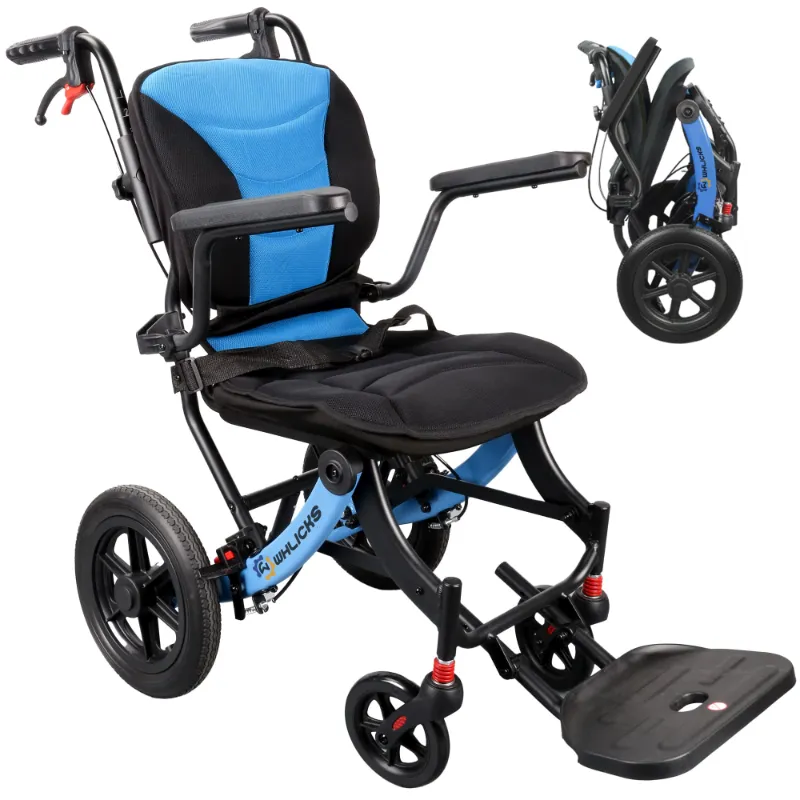 How Long Do Handicap Ramps Last and What Materials Hold Up Best?21 Aug 20264 minShower Chair vs Shower Seat vs Bath Chair: What’s the Difference?21 Aug 20265 minDo Knee Walkers Work Better Than Crutches for Ankle and Foot Injuries?21 Aug 20265 min
 How to Choose the Right Mobility Scooter: 3-Wheel vs 4-Wheel for Seniors21 Aug 20265 min