 A WHLICKS guide
How to Choose the Right Mobility Scooter: 3-Wheel vs 4-Wheel for Seniors
Choosing between a 3 wheel mobility scooter and a 4-wheel model depends on where you'll ride most: indoors or outdoors.
A 3 wheel mobility scooter offers tighter turning and easier indoor navigation, while 4-wheel models provide better outdoor stability and rough-terrain handling. Your choice hinges on whether you prioritize maneuverability for tight hallways and stores or rugged traction for uneven sidewalks and parks.
What Makes a 3 Wheel Mobility Scooter Different
The front-wheel geometry is the defining feature. A single front wheel lets the scooter pivot in smaller circles, often with a turning radius 12 to 18 inches tighter than 4-wheel equivalents. This translates to hassle-free navigation through narrow doorways, grocery aisles, and apartment corridors. If you live in a compact space or frequently shop indoors, that extra agility matters.
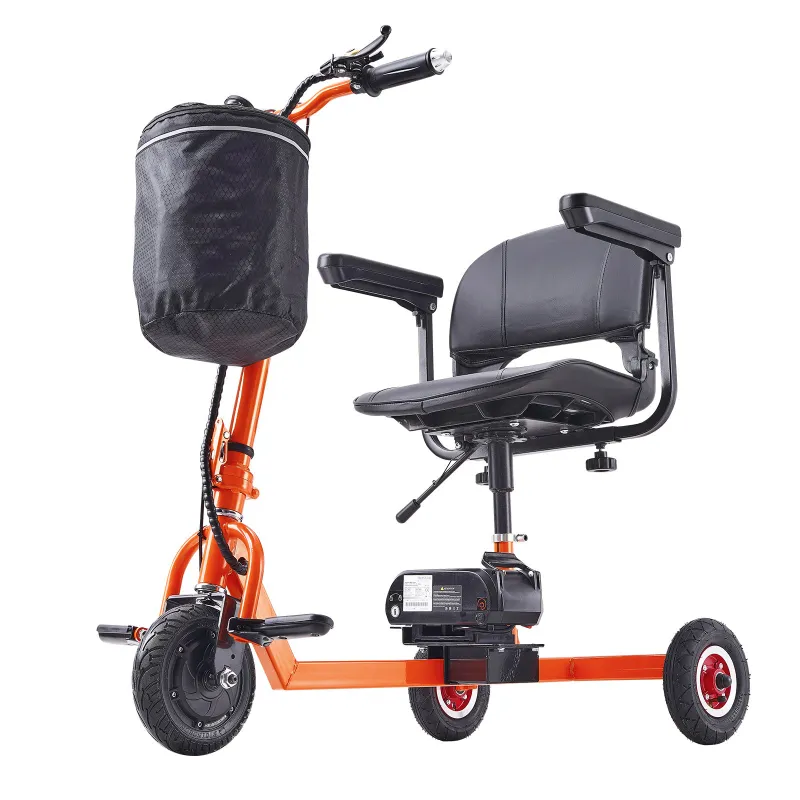
Three-wheel designs also tend to weigh less. Many lightweight 3 wheel mobility scooter models disassemble into three or four pieces without tools, making trunk transport straightforward. Look for a 3 wheel mobility scooter with a total weight under 100 pounds if you plan to load it solo.
On the downside, the narrower wheelbase sacrifices stability on slopes and soft surfaces. Grass, gravel, and steep curb cuts demand more caution. We recommend reserving 3-wheel scooters for mostly flat, paved environments.
When a 4-Wheel Scooter Is the Better Choice
Four-wheel models distribute weight across a wider footprint, which improves balance on inclines and uneven ground. If your route includes cracked sidewalks, park trails, or frequent curb crossings, the added stability reduces tip risk. Larger rear wheels and higher ground clearance further enhance outdoor capability.
Speed and range often favor 4-wheel designs. Many heavy-duty models reach 8 to 10 mph and cover 20-plus miles per charge, compared to 4 to 6 mph and 10 to 15 miles for compact 3-wheel scooters. Battery capacity and motor size scale with frame size, so outdoor enthusiasts benefit from the extra power.
The trade-off is bulk. Four-wheel scooters require wider aisles and larger turning circles. Parking in tight restaurant spaces or maneuvering through your bathroom doorway becomes more difficult. Weigh your most common destinations before committing to the larger frame.
Portability and Storage: Foldable vs Disassembling Models
Foldable 3 wheel scooter for adults options collapse in seconds with a lever or latch, ideal if you transfer between car, home, and office multiple times per day. Check folded dimensions against your trunk height; some models fold to 30 inches but still stand 20 inches tall.
Disassembling scooters separate into a tiller, seat, battery pack, and base. Each piece weighs 20 to 40 pounds, manageable for two people but cumbersome alone. We prefer this style for users who store the scooter at home and only occasionally transport it.
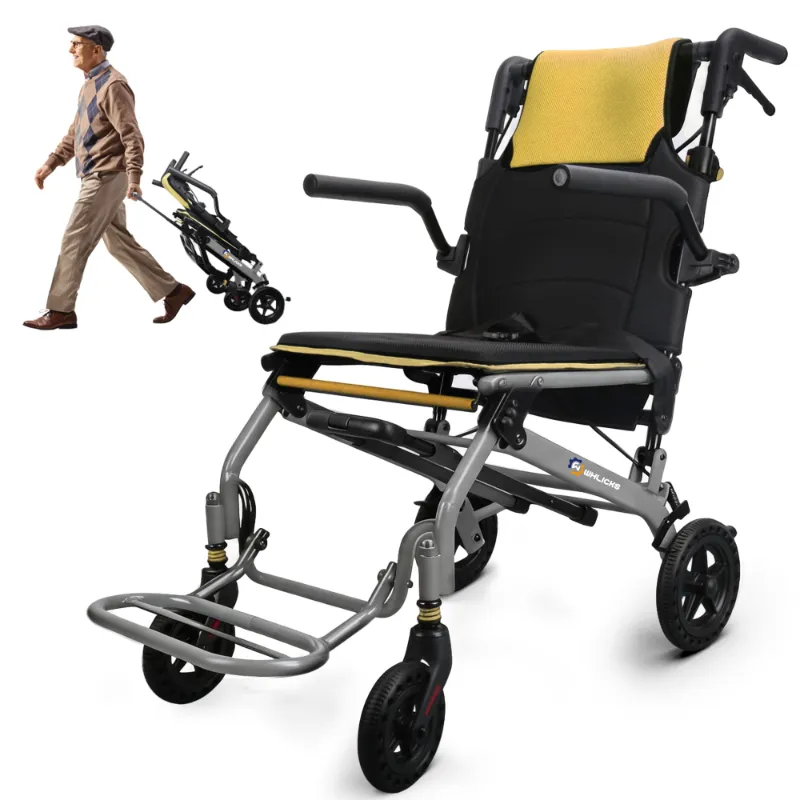
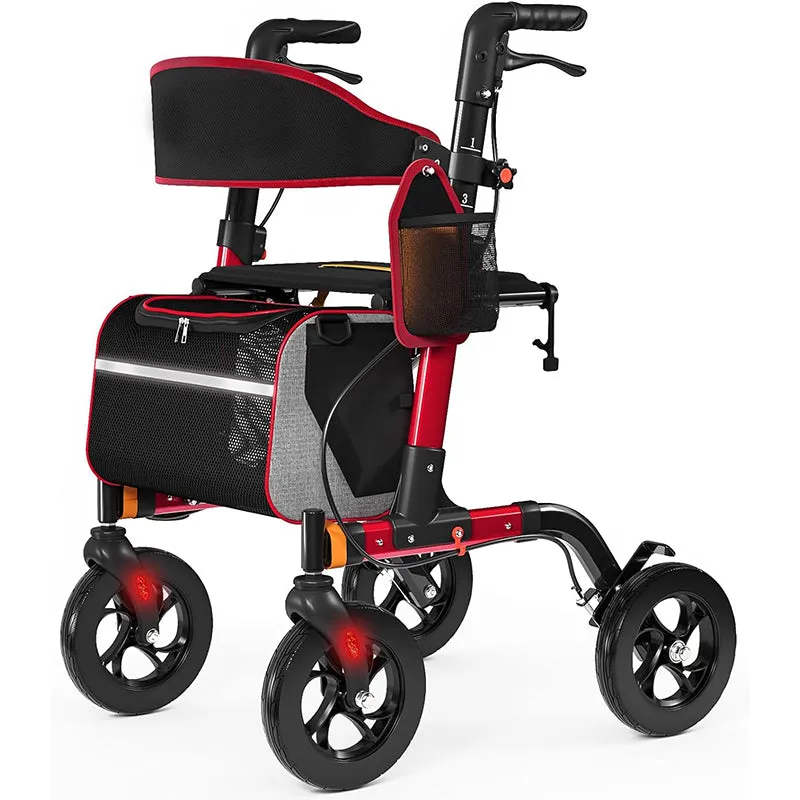
For apartment dwellers, measure your closet or garage corner before ordering. A transport chair or senior walkers may better suit ultra-tight storage if the scooter won’t fit. Grab the code to save 10% on any mobility aid that matches your space.
Comparing Key Specs Side by Side
| Feature | 3-Wheel Scooter | 4-Wheel Scooter |
|---|---|---|
| Turning Radius | 32 to 42 inches | 48 to 60 inches |
| Top Speed | 4 to 6 mph | 5 to 10 mph |
| Weight Capacity | 250 to 300 lbs | 300 to 400 lbs |
| Terrain | Smooth pavement | Mixed, light off-road |
Weight capacity matters if you carry groceries or medical equipment. Add 20 pounds to your body weight to account for bags, oxygen tanks, or a backpack. Four-wheel frames handle higher loads without compromising battery life.
Battery type varies by price point. Sealed lead-acid batteries cost less upfront but weigh more and last two to three years. Lithium-ion packs cut weight by 30 to 50 percent and last five-plus years, justifying the premium if you travel frequently. Check the latest price to compare lithium upgrades across models.
Who Should Choose Each Style
Pick a 3-wheel model if you:
- Navigate tight indoor spaces daily
- Shop in crowded grocery stores or malls
- Need to disassemble the scooter for car trips
- Ride primarily on flat, paved surfaces
- Want the best 3-wheel mobility scooter for adults that balances portability and range
Pick a 4-wheel model if you:
- Spend significant time outdoors on sidewalks or trails
- Live in a hilly neighborhood or encounter slopes
- Require higher weight capacity or speed
- Prioritize stability over turning radius
- Plan longer trips that demand extended battery life
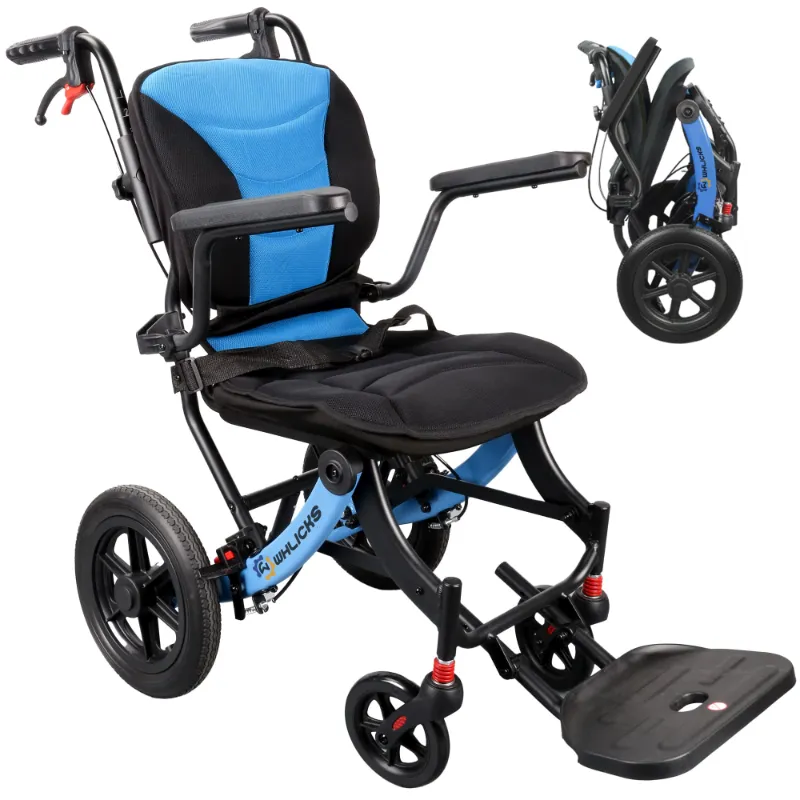
Seniors who split time between indoor and outdoor activities sometimes own both, using the 3-wheel scooter for errands and a 4-wheel for park visits. Alternatively, a best wheelchair with power assist offers a middle ground for users who need seated mobility indoors and out.
Additional Mobility Aids to Consider Alongside Your Scooter
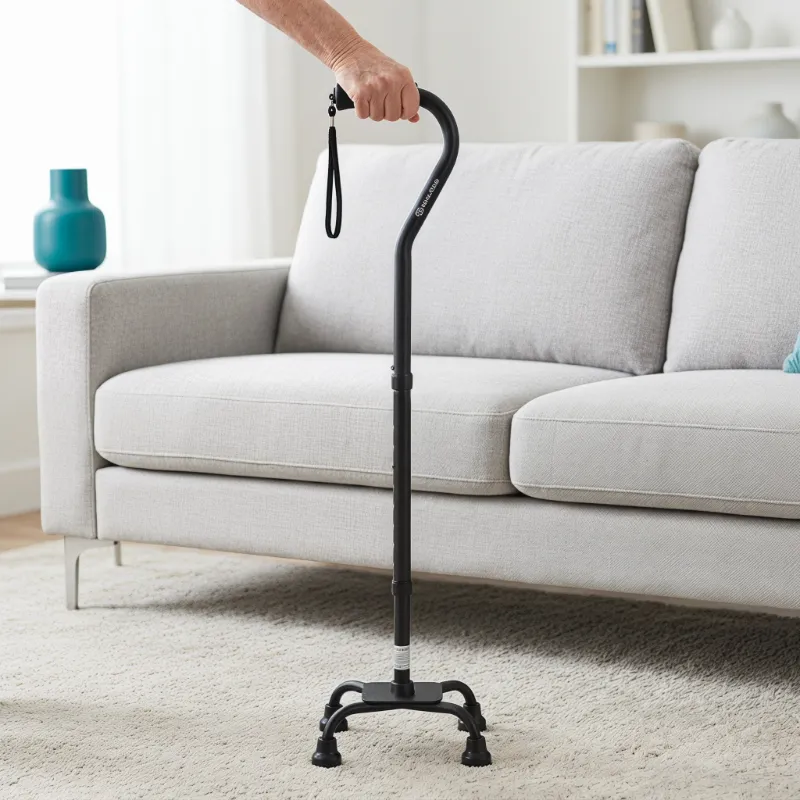
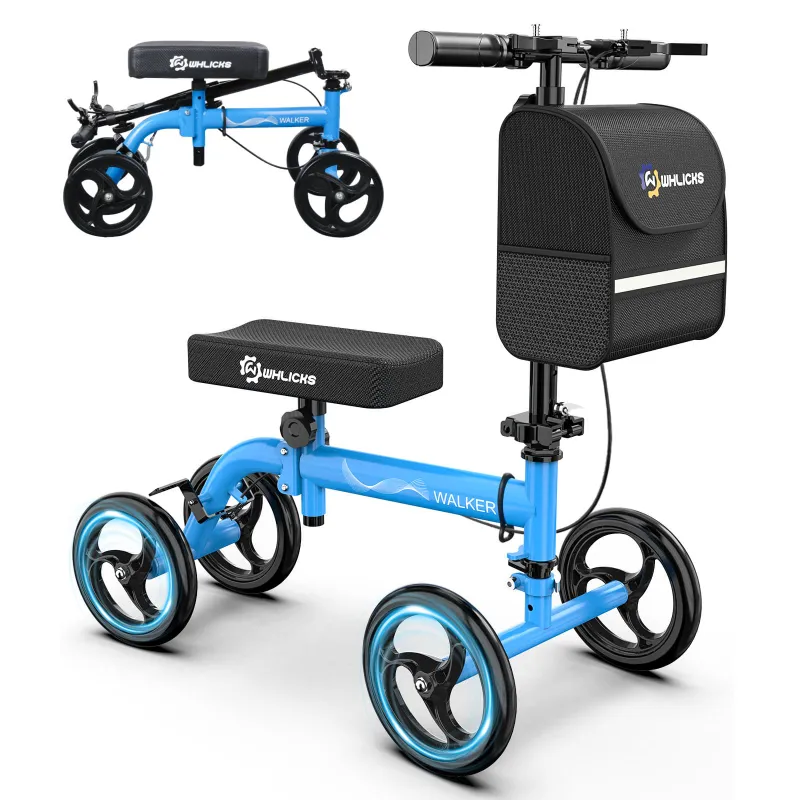
Even with a scooter, you’ll encounter situations where walking short distances or navigating stairs is necessary. Pairing your scooter with a best walking cane or knee walker scooter covers those gaps. A cane provides balance for quick trips inside your home, while a knee walker handles longer indoor stretches when your scooter won’t fit.
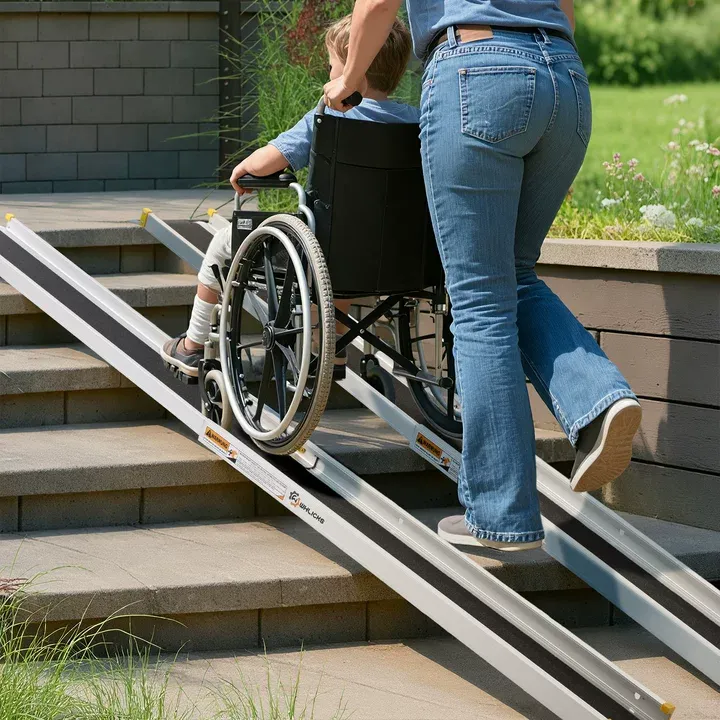
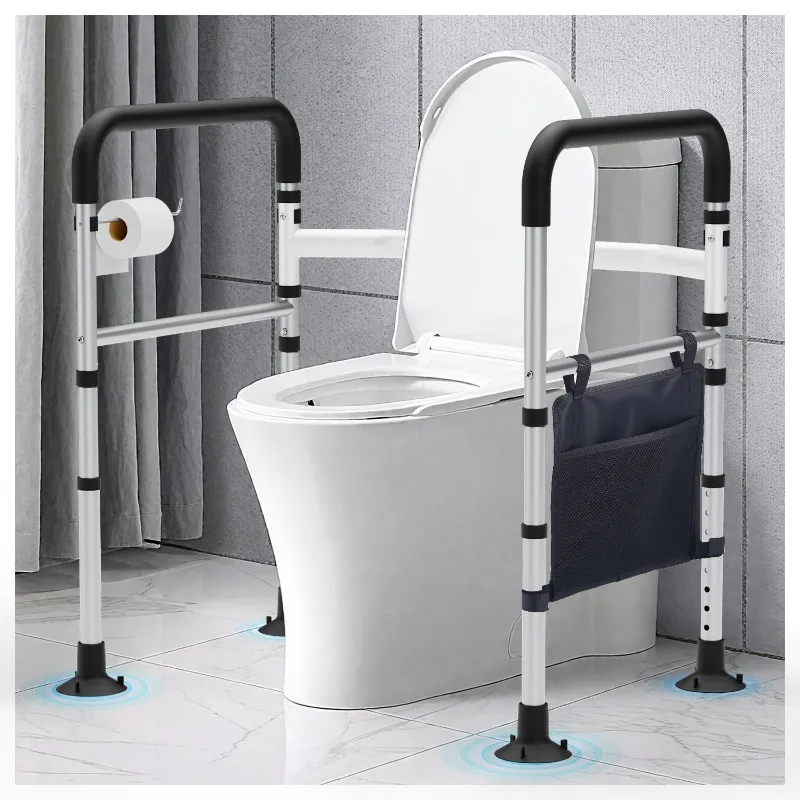
Home modifications also matter. A handicap ramp eliminates the need to lift your scooter over door thresholds, and toilet saftey rails reduce fall risk in the bathroom. We’ve seen users pair a 3 wheel mobility scooter for seniors with grab bars and threshold ramps to create a seamless indoor-outdoor experience.
For travel, confirm your scooter meets airline and cruise-ship requirements. Most carriers accept 3-wheel mobility scooters under 300 pounds and equipped with spillproof batteries, but always call ahead. A 3 wheel scooter for adults street legal designation means the model includes headlights, taillights, and reflectors for sidewalk use; true street-legal scooters require DMV registration in most states.
Making Your Final Decision
Test-ride both configurations if possible. Many medical-supply stores and senior centers host demo days. Pay attention to how each scooter feels on turns, how easily you mount the seat, and whether the tiller controls fall within comfortable reach.
Measure your most common pathways at home: hallway width, bathroom door clearance, and any thresholds. Add two inches to the scooter’s width spec to allow margin for error. A 3 wheel electric scooter adults model rated at 22 inches wide needs a 24-inch doorway for safe passage.
Budget for accessories like a rear basket, cup holder, and weather canopy. These add-ons improve daily usability but can push the total cost up by $100 to $300. Visit the store to see bundled packages that include essential accessories at a discount.
Finally, confirm warranty coverage and local service options. A two-year parts-and-labor warranty is standard; look for companies with technicians in your area or mail-in repair programs. Battery warranties typically run one year, so factor replacement cost into your long-term budget.
With the right match between scooter style and your lifestyle, you’ll regain independence for errands, social visits, and outdoor recreation. Prioritize your most frequent destinations, test the turning radius in your home, and choose the configuration that makes daily life easier.
Questions
What is the main advantage of a 3 wheel mobility scooter over a 4-wheel model?
A 3-wheel scooter has a much tighter turning radius, typically 12 to 18 inches smaller than 4-wheel models, making it easier to navigate narrow hallways, doorways, and crowded indoor spaces like grocery stores.
Can I use a 3-wheel scooter outdoors on sidewalks?
Yes, but only on smooth, flat pavement. Three-wheel scooters lack the stability for gravel, grass, or steep slopes. If you encounter rough terrain frequently, a 4-wheel model is safer.
How much does a lightweight 3 wheel mobility scooter weigh?
Most lightweight models weigh between 80 and 100 pounds fully assembled. When disassembled, individual pieces typically weigh 20 to 40 pounds each, making them manageable for trunk transport.
Are foldable 3-wheel scooters easy to store in a car?
Foldable models collapse in seconds and fit most car trunks, but check the folded height. Some fold to 30 inches long but still stand 20 inches tall, which may not clear low trunk lids.
Do I need a driver's license to operate a mobility scooter on the sidewalk?
No license is required for sidewalk use in most areas. However, street-legal scooters with lights and reflectors may need DMV registration if you plan to ride on roads. Check your local regulations.
What weight capacity should I look for in a mobility scooter?
Add 20 pounds to your body weight to account for groceries, bags, or medical equipment. Most 3-wheel scooters support 250 to 300 pounds, while 4-wheel models handle 300 to 400 pounds.
Products in this guide
 Shopping at WHLICKS? See the discount code
10% OFF Sitewide
Shopping at WHLICKS? See the discount code
10% OFF Sitewide
More in this series
What’s the Weight Limit on Toilet Safety Rails and How to Install Them Safely21 Aug 20266 minTransport Wheelchair or Standard Wheelchair: Which One Do You Actually Need?21 Aug 20266 minHow Long Do Handicap Ramps Last and What Materials Hold Up Best?21 Aug 20264 min Shower Chair vs Shower Seat vs Bath Chair: What’s the Difference?21 Aug 20265 minDo Knee Walkers Work Better Than Crutches for Ankle and Foot Injuries?21 Aug 20265 min