 A Cycle Peak guide
What Size Bike Pump Do You Actually Need for Road and Trail Riding?
Choosing the right small bike pump comes down to matching your valve type, target pressure, and whether you prioritize weight or speed on road and trail rides.
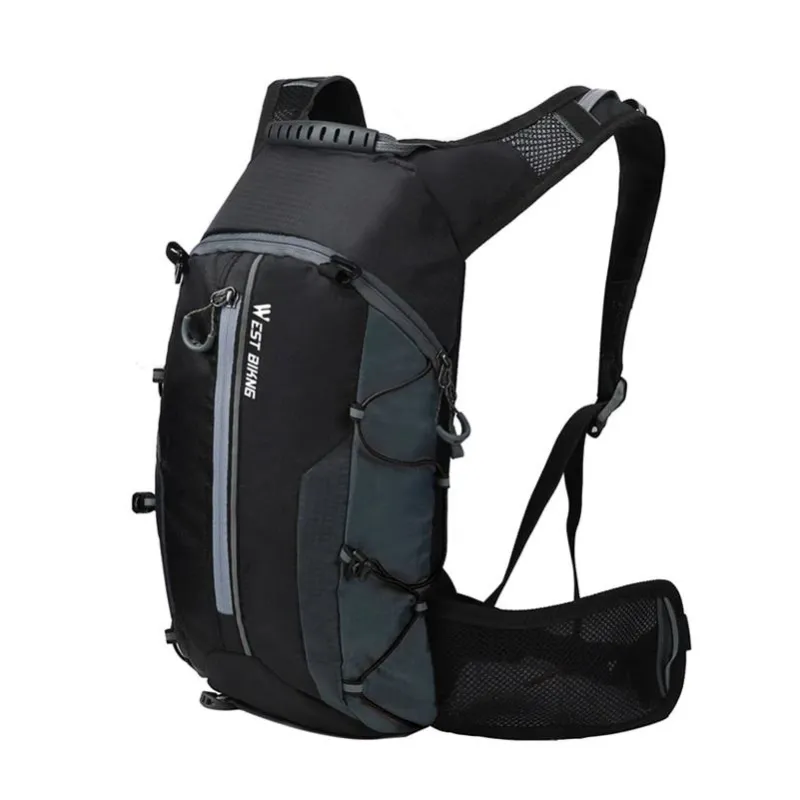
The best small bike pump for your rides depends on your tire pressure needs, valve compatibility, and how much space you have in your jersey pocket or saddle bag. Road cyclists chasing 100+ psi need a different tool than gravel riders topping up to 40 psi on the trail, and the pump that fits a 10l backpack may not be the one you want clipped to your frame.
Here’s what matters when you’re choosing size, stroke volume, and feature set.
What Makes a Mini Pump “Small” Enough for Road or Gravel
Length and diameter define how a pump rides in your gear. Most compact hand pumps measure 160 to 220 mm long, while electric models often push closer to 250 mm because of the battery and motor housing.
Length vs. stroke volume trade-off
- Shorter pumps (under 180 mm) fit easily in a jersey pocket or small saddle bag but require more strokes per tire.
- Mid-length pumps (180 to 210 mm) balance portability with faster inflation, ideal for road riders who need high pressure.
- Electric pumps save your forearms but add 150 to 300 grams and need periodic charging.
Where you carry it matters
- If you rely on a 10 litre backpack for all-day gravel rides, a slightly larger pump with a built-in gauge won’t cramp your style.
- Frame mounts demand slim profiles that clear your water bottle and don’t rattle.
- Saddle-bag riders need a small bike pump for saddle bag stowage that collapses or folds to under 200 mm.
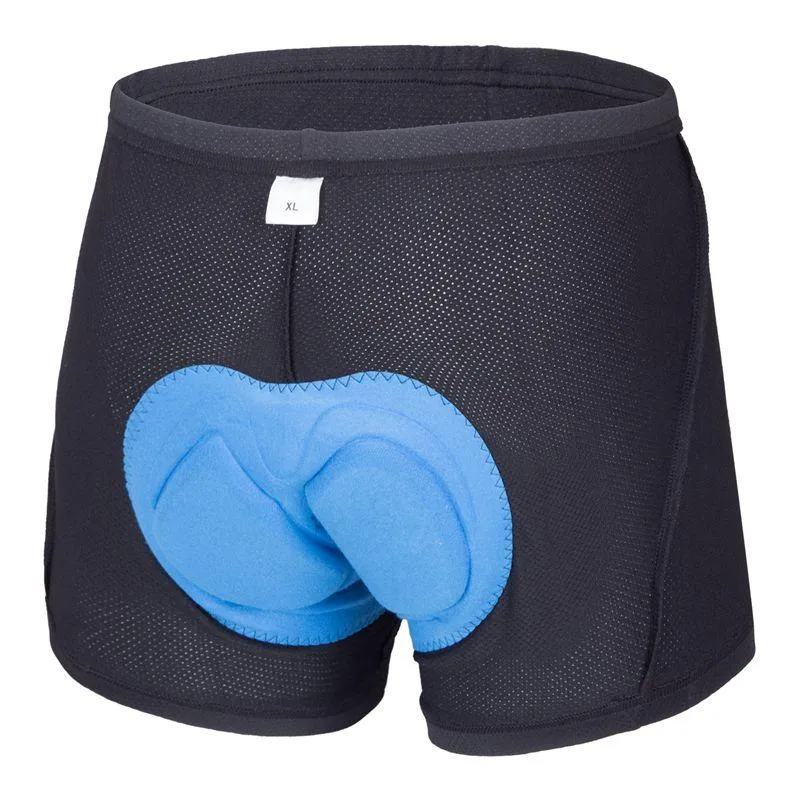
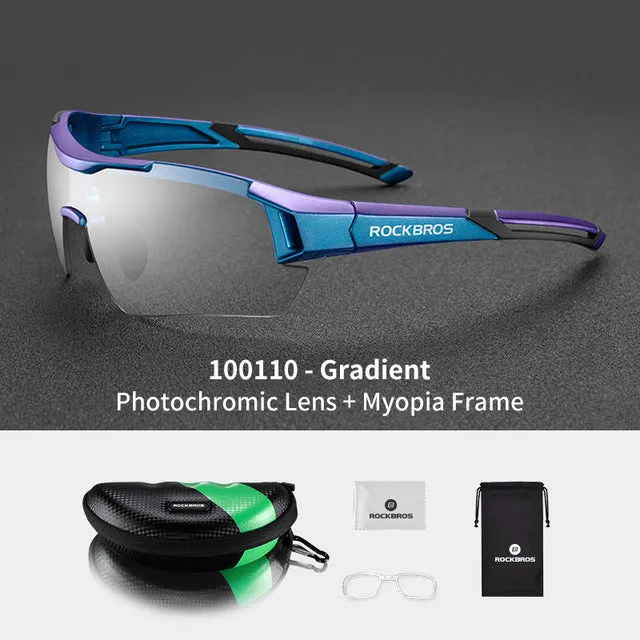
We also pack padded cycling briefs and photochromic cycling glasses on long rides, so every cubic centimeter counts. A pump that’s 30 mm shorter can mean room for a spare tube or multi-tool.
Manual vs Electric: Which Type Suits Your Ride Style
Manual pumps rely on your arms and a piston chamber. Electric models use a rechargeable motor and pressure sensor to auto-stop at your target PSI. The best portable electric mini-pumps now weigh under 200 grams and deliver 120 psi, but they cost three to five times more than a quality hand pump.
| Feature | Manual Pump | Electric Pump |
|---|---|---|
| Weight | 60 to 120 g | 150 to 300 g |
| Max pressure | 100 to 160 psi | 100 to 150 psi |
| Inflation time (700×25c to 100 psi) | 3 to 5 minutes | 2 to 3 minutes |
| Battery dependency | None | Rechargeable, 3 to 8 tires per charge |
When manual makes sense
- You ride road or gravel regularly and want zero maintenance beyond cleaning the piston seal.
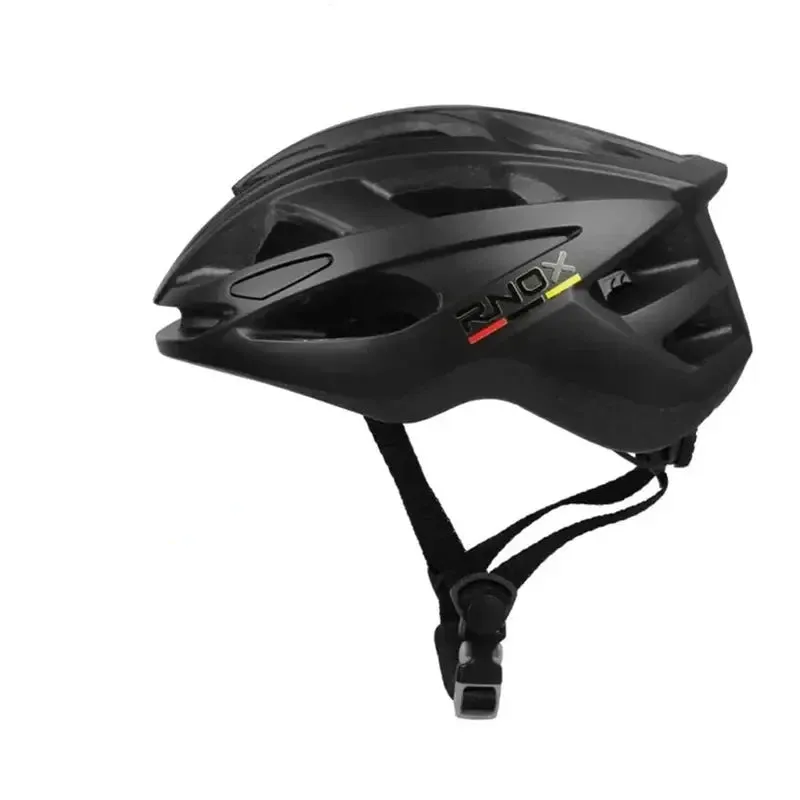
- Weight matters more than speed, especially on century rides where you’re already carrying a cyclic bike helmet and hydration.
- You prefer the control of feeling pressure build with each stroke.
When electric pays off
- You’re managing an injury or hand fatigue and pumping to 80+ psi is painful.
- You ride with a group and don’t want to hold everyone up at a trailside flat.
- Your gravel setup runs tubeless at 35 to 50 psi, where electric pumps shine for speed.
For current pricing and our exclusive code on both types, check the latest deals at Cycle Peak.
Gauge or No Gauge: Does On-Board Pressure Tracking Matter
Built-in gauges add 10 to 30 grams and 15 to 25 mm of length, but they remove the guesswork when you’re inflating on the side of the road. The best mini bike pump with gauge includes an analog or digital readout between the hose and pump body.
Pros of an integrated gauge
- You hit target pressure without over-inflating, which matters for lightweight road tires and tubeless gravel setups.
- Faster process: no need to disconnect, check with a separate gauge, reconnect, and pump again.
- Easier to diagnose slow leaks by watching pressure hold steady or drop during inflation.
When to skip the gauge
- You’ve memorized the feel of correct pressure after hundreds of rides and trust your thumb test.
- You’re optimizing for the absolute lightest emergency kit, where every gram counts for racing or bikepacking minimalists.
- You already carry a standalone digital gauge in your 10l backpack for pre-ride checks.
Best bike mini pumps in 2026 increasingly include gauges as standard, so the weight penalty has shrunk. If you toggle between road and gravel pressures regularly, a gauge saves time and prevents pinch flats from under-inflation.
Valve Compatibility and Hose Length You Can’t Ignore
Presta dominates road and gravel, while Schrader appears on some mountain and hybrid bikes. Most modern pumps ship with a reversible or dual head, but older models require a separate adapter that’s easy to lose mid-ride.
What to confirm before you buy
- Reversible chuck: flip the internal rubber seal to switch between Presta and Schrader without tools.
- Threaded lock-on: screws onto Presta valves to prevent air loss during pumping, critical for high-pressure road tires.
- Hose length: 200 to 300 mm flexible hoses reduce strain on the valve stem and let you stabilize the bike with one hand while pumping.
Rigid head designs (pump screws directly onto valve) are lighter and more compact, but they stress the valve and make it harder to pump with the wheel on the ground. A short hose adds 15 grams but saves bent valve cores and frustration when you’re pumping in the rain.
We also recommend double-checking your valve type when you swap wheelsets or borrow a friend’s bike. Nothing kills a ride faster than discovering your compact pump won’t fit the valve after you’ve already removed the flat tube.
Choosing the Best Mini Pump for Road Bike vs Gravel Riding
Road and gravel impose different pressure demands, and that dictates pump chamber volume and stroke efficiency.
Best mini pump for road bike priorities
- High max pressure: look for 120 to 160 psi if you run 700×23c or 700×25c tires at 90 to 110 psi.
- Efficient high-pressure strokes: pumps with smaller diameter pistons and longer barrels move less air per stroke but build pressure faster in the final 30 psi.
- Compact enough for a jersey pocket or clipped under your saddle rails.
Best mini pump for gravel bike needs
- Volume over peak pressure: gravel tires (700×38c to 700×45c) typically run 30 to 50 psi, so you want a fatter piston that moves more air per stroke.
- Durability for trail grit: sealed chambers and metal barrels outlast plastic when you’re pumping in dust or mud.
- Best gravel bike mini-pumps often include a fold-out foot peg for stability on uneven ground.
The best electric mini pump for road bike use balances those demands with auto-stop precision, so you’re not guessing when you hit 100 psi in fading daylight. For gravel, a manual pump with higher volume and a built-in gauge often wins on weight and reliability.
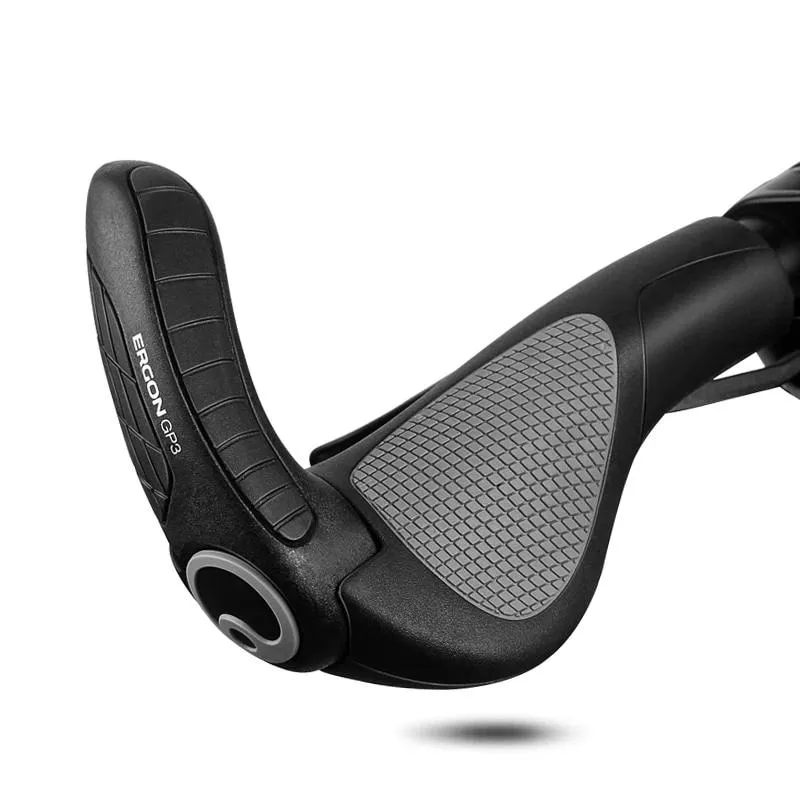
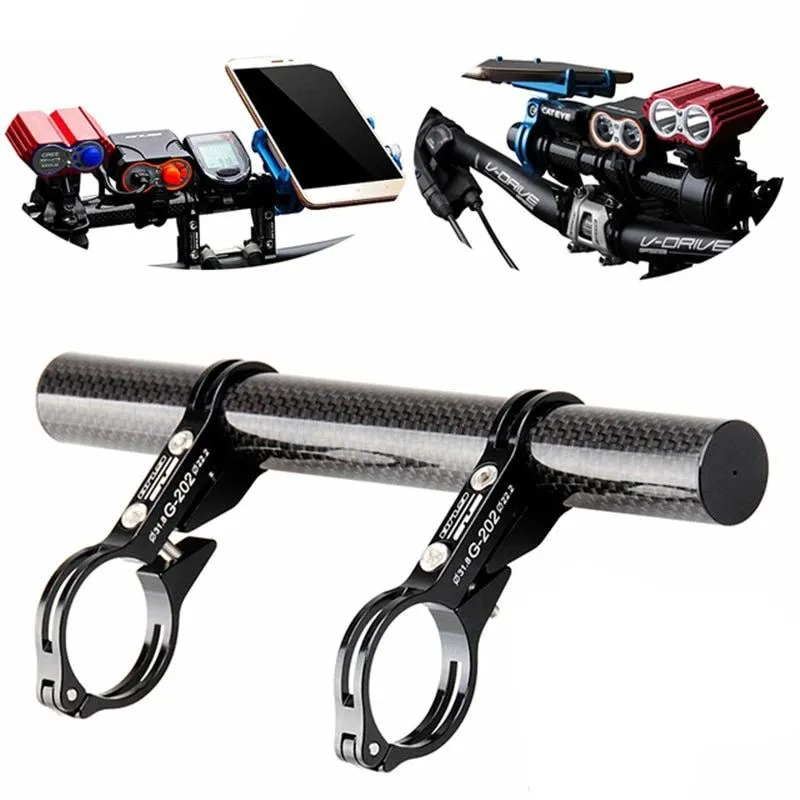
Don’t forget to pair your pump with the right carrying solution. We stash ours alongside ergonomic bike grips and bicycle handlebar extensions in our handlebar bag or saddle roll, depending on ride length.
Our Take: Match Pump Size to Your Gear and Ride Frequency
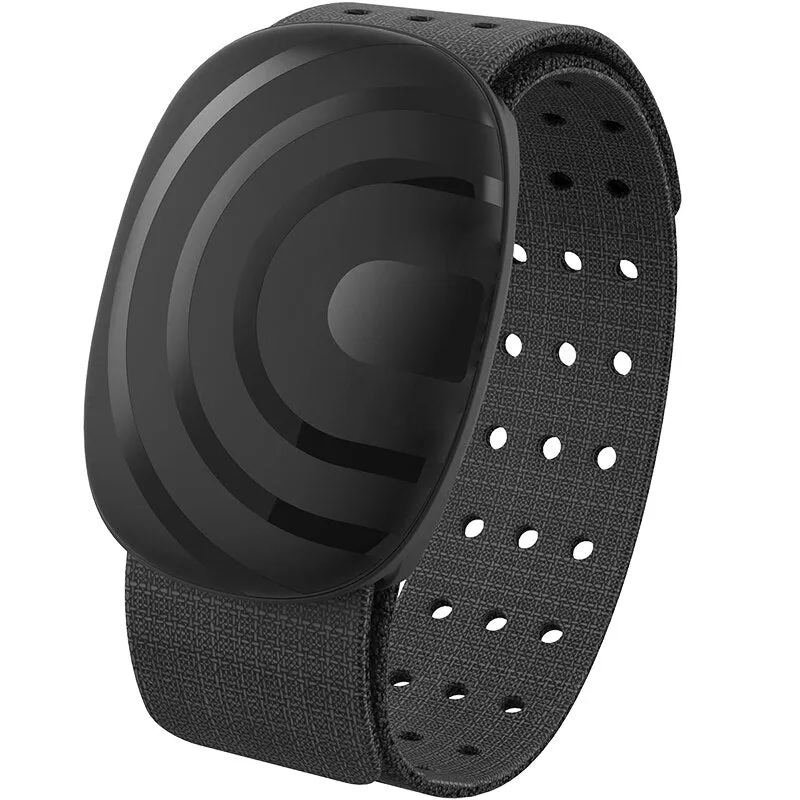
After a season of road centuries and gravel adventures, we’ve settled on a simple formula: if you ride more than twice a week and your tires demand 70+ psi, invest in a mid-length manual pump with a gauge or a quality electric model. For weekend gravel explorers who prioritize pack space and run lower pressure, a compact 180 mm pump without a gauge works beautifully and weighs less than a spare heart rate monitor armband.
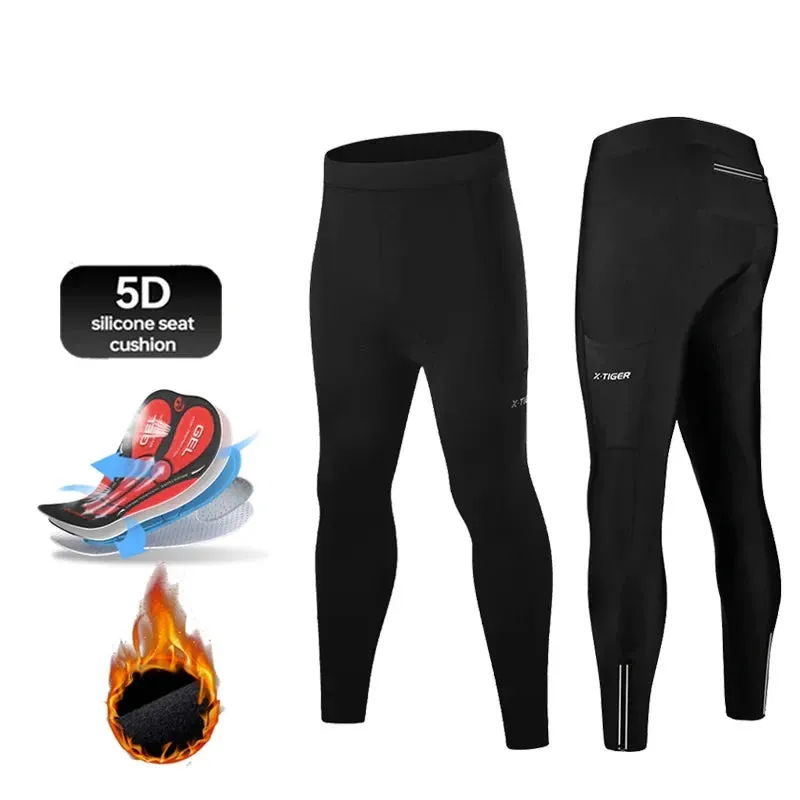
We also rotate our pump choice based on weather. In winter, when we’re layering a thermal pant and carrying extra gear, the lighter manual option wins. In summer, when we’re riding fast and light with just photochromic sunglasses and a tube, the electric pump’s speed advantage justifies the weight.
Grab our exclusive Cycle Peak code to save 15% on pumps, hydration, and all the small essentials that make or break a long ride. Test your choice on a short loop before you commit to a century or backcountry gravel route, and always carry a patch kit as backup.
Questions
What is the best small bike pump for fitting in a saddle bag?
Look for a manual pump under 200 mm in length with a folding or telescoping design. Models with a slim diameter (under 30 mm) and no external gauge fit most compact saddle bags without forcing you to remove other tools.
Can a mini bike pump reach 100 psi for road tires?
Yes, quality manual mini pumps rated to 120 psi or higher can reach 100 psi, though it requires more strokes and effort than a floor pump. Electric mini pumps also hit 100 psi but may take two to three minutes per tire.
Do I need a pump with a built-in gauge for gravel riding?
A gauge helps dial in lower pressures (30 to 50 psi) for tubeless gravel tires, preventing over-inflation that can burp sealant or cause a harsh ride. It's not essential if you're experienced at judging pressure by feel, but it adds confidence on unfamiliar terrain.
How often should I charge an electric bike pump?
Most electric mini pumps inflate three to eight tires per charge depending on pressure and tire volume. Charge after every two to three rides if you're topping up high-pressure road tires, or once a month if you only use it for emergencies.
Will a Presta-only pump work with Schrader valves?
Not without an adapter. Most modern mini pumps include a reversible or dual-head chuck that handles both valve types, but older or ultra-light models may be Presta-specific. Always check compatibility before heading out.
What is the lightest pump that still works for road bikes?
The lightest effective road pumps weigh 60 to 80 grams, measure around 160 to 180 mm, and max out at 120 to 140 psi. They require more strokes but fit in a jersey pocket and handle emergency roadside flats without issue.
Products in this guide
 Shopping at Cycle Peak? See the discount code
15% OFF All Orders
Shopping at Cycle Peak? See the discount code
15% OFF All Orders
More in this series
Best 10L Backpack Features for Commuting and Day Rides24 Aug 20264 minHow Long Do Padded Cycling Briefs Last With Regular Washing?24 Aug 20265 minErgonomic Bike Grips vs Standard Grips: Which Reduce Hand Numbness?24 Aug 20266 minDo Photochromic Cycling Glasses Really Work in All Light Conditions?24 Aug 20265 min How to Choose the Right Full Face Helmet for Kids: Safety Features That Matter24 Aug 20265 min