 A Cycle Peak guide
How Long Do Padded Cycling Briefs Last With Regular Washing?
Padded cycling briefs typically last 200 to 300 washes when cared for properly, translating to one to three years of regular riding.
Padded cycling briefs typically last 200 to 300 washes when cared for properly, which translates to one to three years for most riders who cycle regularly. The chamois padding degrades gradually through compression, friction, and detergent exposure, but the right washing routine can push your liner shorts well past the two-year mark.
What Determines the Lifespan of Padded Cycling Briefs
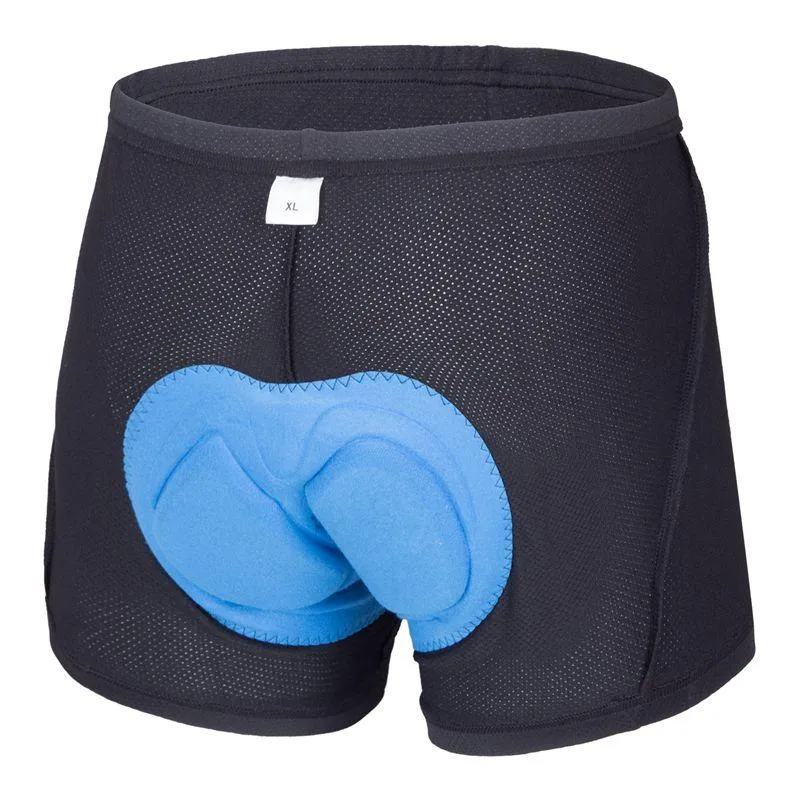
The longevity of your padded cycling briefs depends on four core factors: chamois density, fabric construction, wash frequency, and care technique. High-density foam pads recover better after compression than budget gel inserts, which flatten permanently after 100 to 150 rides. Flatlock seams and four-way stretch fabrics handle repeated washing without fraying, while bonded seams on cheaper liners often separate within six months.
Ride frequency matters more than calendar time. A commuter washing their cycling liner shorts five times per week will retire a pair faster than a weekend rider washing once weekly, even if both own the same model. Temperature, detergent type, and drying method each shave weeks or months off total lifespan when done incorrectly.
Material quality separates padded cycling briefs men’s and women’s models that last from those that don’t. Look for chamois labeled as multi-density or perforated foam, which maintain loft longer than single-layer pads. Moisture-wicking base fabrics in nylon-spandex blends dry faster and resist bacterial buildup better than pure polyester, reducing the need for harsh detergents that break down elastic fibers.
How to Wash Padded Cycling Briefs to Maximize Durability
Cold water protects elastic and preserves pad structure better than warm or hot cycles. Turn briefs inside out so the chamois faces outward, allowing detergent to reach sweat and oils directly without agitating the outer fabric unnecessarily.
Use a gentle, fragrance-free detergent at half the recommended dose. Standard laundry soap contains optical brighteners and enzymes that degrade technical fabrics over time. Skip fabric softener entirely, as it coats moisture-wicking fibers and reduces breathability, forcing you to wash more frequently and accelerating wear. REI’s cycling comfort guide emphasizes that proper detergent choice matters as much as wash temperature for extending gear life.
- Wash in a mesh laundry bag to prevent waistband elastic from snagging
- Select the delicate or hand-wash cycle to minimize agitation
- Rinse twice if your machine offers the option, removing all detergent residue
- Never wring or twist the chamois, which crushes foam cells permanently
Air-dry your liners flat or hanging by the waistband, away from direct sunlight and heat sources. Tumble drying shrinks elastic and melts the adhesive that bonds multi-layer chamois pads, often causing delamination within 20 to 30 dryer cycles. Even low-heat settings exceed the tolerance of most technical fabrics.
Signs Your Padded Cycling Briefs Need Replacing
Chamois compression is the clearest indicator that your best mtb padded undershorts have reached end of life. Press the pad firmly with your thumb; if it doesn’t spring back within two seconds, the foam has lost its shock-absorbing capacity. Visible thinning in high-contact zones, typically the sit-bone area, means you’re riding on compressed material that no longer cushions effectively.
Seam separation and fabric pilling signal structural failure. Once flatlock stitching begins to pull away from the chamois edge, the pad will shift during rides and cause chafing no amount of chamois cream can fix. Permanent odor that survives multiple washes indicates bacterial colonization deep in the foam, which also degrades padding density.
Elastic waistband and leg openings that no longer recover after stretching allow the briefs to bunch and slide, defeating their purpose. If you find yourself adjusting your liners mid-ride or noticing saddle discomfort that wasn’t present before, the fabric has likely lost its compression properties. At that point, grab the latest pricing on replacement pairs rather than tolerating reduced comfort.
Comparing Lifespan Across Different Liner Styles
| Liner Type | Average Wash Cycles | Best For |
|---|---|---|
| Cycling liner shorts women’s | 250-300 | Daily commuting, touring |
| Padded cycling briefs men’s | 200-280 | Road and gravel riding |
| Best mtb padded undershorts | 180-250 | Trail riding, high-impact use |
Women’s cycling liner shorts often outlast men’s versions by 20 to 50 washes due to anatomically specific chamois designs that distribute pressure more evenly, reducing localized wear. Mountain bike-specific undershorts typically use thicker, more impact-resistant padding that compresses faster under aggressive riding but offers better protection on technical terrain.
Knicker-length options like velovixen padded cycling knickers extend slightly longer than brief-cut liners because the additional fabric reduces chamois movement and edge stress during pedaling. The tradeoff is slower drying time, which can encourage bacterial growth if you don’t wash immediately after rides. We recommend brief-length liners for riders who wash the same day and knickers for multi-day tours where immediate washing isn’t always possible.
Extending Pad Life Beyond the Wash Cycle
Owning multiple pairs and rotating them reduces wear per liner. Three pairs in rotation, each washed and fully dried between uses, will collectively last 50 percent longer than a single pair washed daily. The extra recovery time allows foam cells to fully decompress and elastic fibers to relax, maintaining their original properties through more cycles.
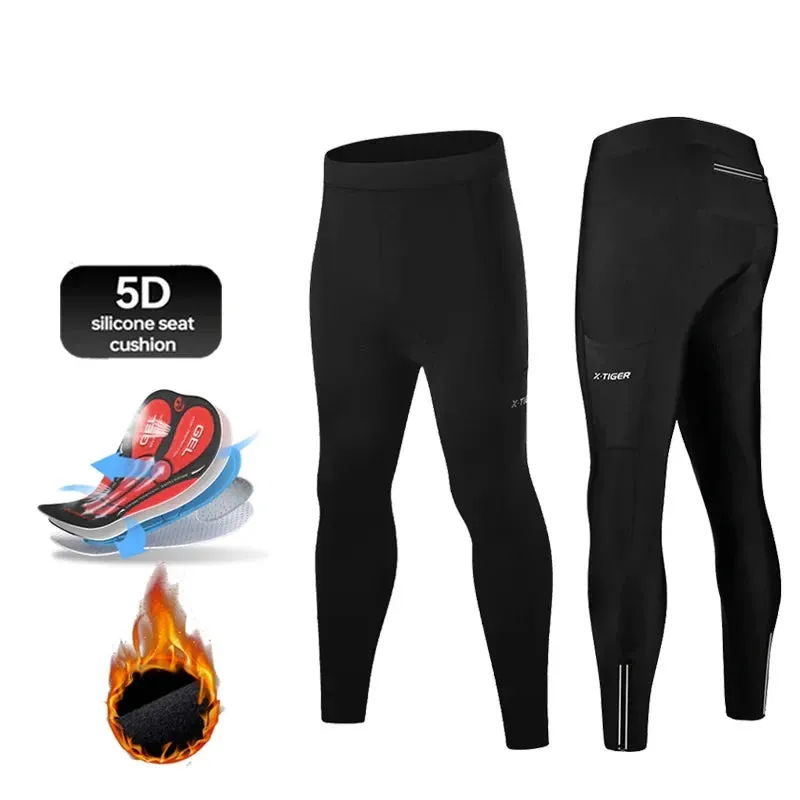
Store your padded cycling briefs flat in a drawer rather than folded or crumpled, which creates permanent creases in the chamois. Keep them away from heat vents and damp areas; mildew growth weakens fabric bonds even when the liners aren’t being worn. Consider pairing your liners with quality outer layers like a thermal pant for cold-weather rides to reduce sweat volume and washing frequency.
BikeRadar’s underwear guide confirms that wearing liners correctly, without additional underwear, reduces friction and extends both chamois and fabric life. The extra seams and elastic from underwear accelerate pilling and increase wash intensity needed to remove trapped bacteria.
Pre-treat stains immediately with a dab of gentle detergent rather than scrubbing aggressively or using stain removers, which contain bleaching agents that weaken technical fabrics. For persistent odors between washes on multi-day rides, rinse the chamois in cold water and hang dry rather than leaving it damp in your gear bag, where bacteria multiply exponentially.
When to Invest in Premium Padded Cycling Briefs
Higher-end liners justify their cost through material quality and construction methods that double effective lifespan. The difference comes down to chamois density, stitch reinforcement, and fabric grade.
Look for models with perforated or channeled chamois designs that enhance airflow and reduce moisture retention, both of which slow bacterial growth and fabric degradation. Four-way stretch panels minimize stress on seams during the pedal stroke, and antimicrobial treatments embedded in the foam can extend fresh-pad feel by 30 to 50 washes compared to untreated alternatives.
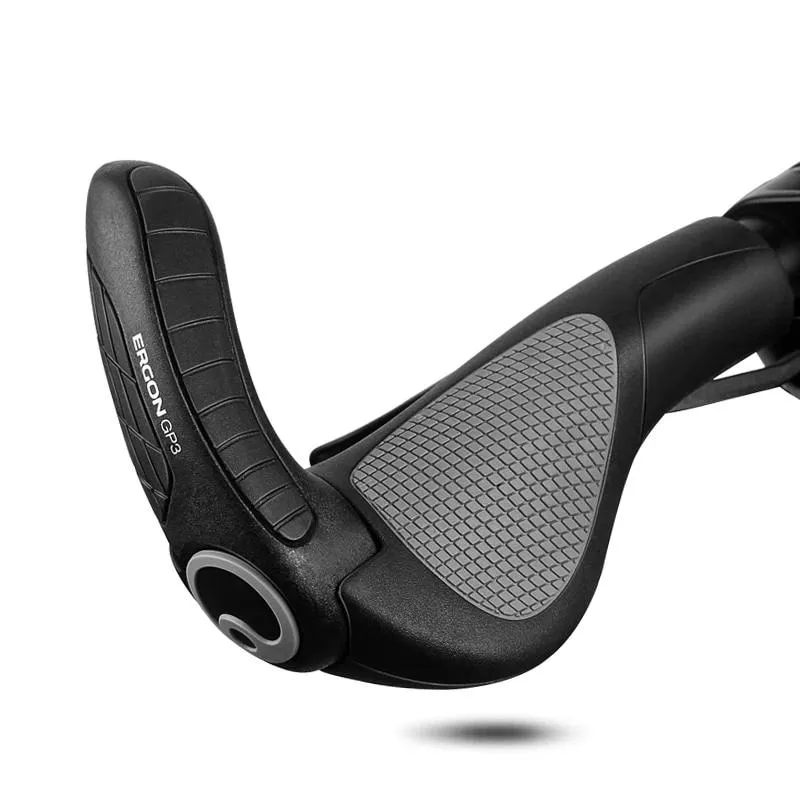
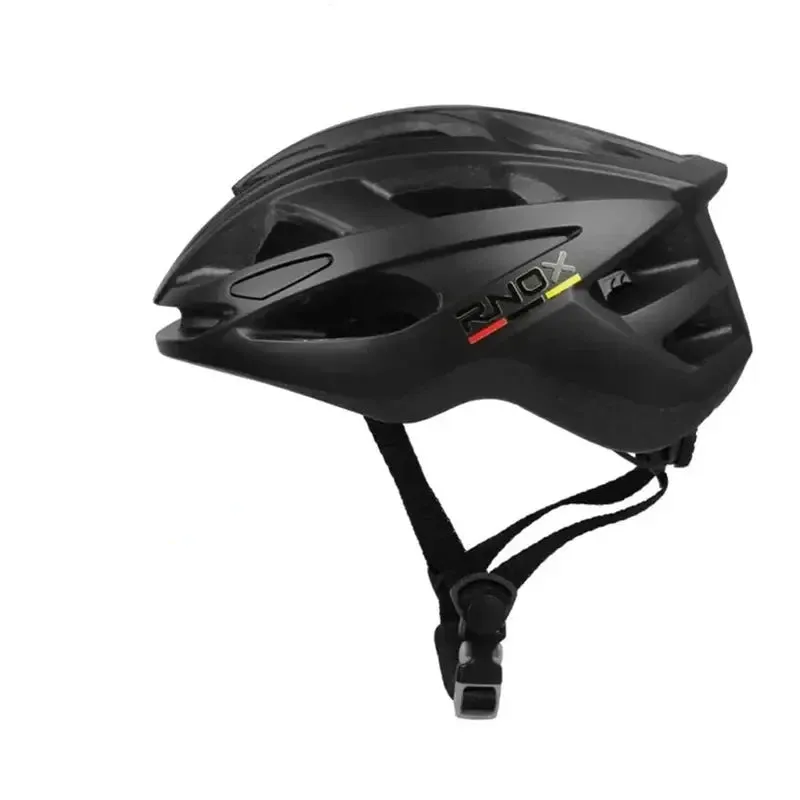
If you ride more than three times per week, premium padded cycling briefs pay for themselves within the first year through extended replacement intervals. Check current pricing and our discount code to save on quality liners that will support hundreds of rides. Pair them with other durable gear like ergonomic bike grips and a cyclic bike helmet for a complete comfort-focused setup that lasts season after season.
Questions
How often should I wash my padded cycling briefs?
Wash your padded cycling briefs after every single ride. Leaving sweat and bacteria in the chamois accelerates foam breakdown and causes permanent odor that shortens the lifespan significantly.
Can I put padded cycling briefs in the dryer?
Never use a dryer for padded cycling briefs. Heat melts the adhesive bonding the chamois layers and shrinks elastic, often causing permanent damage within 20 to 30 dryer cycles. Always air-dry flat or hanging.
How do I know when my cycling liner shorts are worn out?
Replace your liner shorts when the chamois no longer springs back after compression, shows visible thinning in the sit-bone area, or retains odor after washing. Loose elastic and seam separation also signal end of life.
Do women's cycling liner shorts last longer than men's?
Women's cycling liner shorts typically last 20 to 50 more wash cycles than men's versions due to anatomically specific chamois designs that distribute pressure more evenly and reduce localized wear.
Should I wear underwear under my padded cycling briefs?
No, never wear underwear under padded cycling briefs. The extra seams and fabric increase friction, trap bacteria, and accelerate both chamois and fabric degradation, reducing overall lifespan.
How many pairs of padded cycling briefs should I own?
Own at least three pairs and rotate them between rides. This rotation allows each pair full recovery time between washes, extending collective lifespan by up to 50 percent compared to using a single pair daily.
Products in this guide
 Shopping at Cycle Peak? See the discount code
15% OFF All Orders
Shopping at Cycle Peak? See the discount code
15% OFF All Orders
More in this series
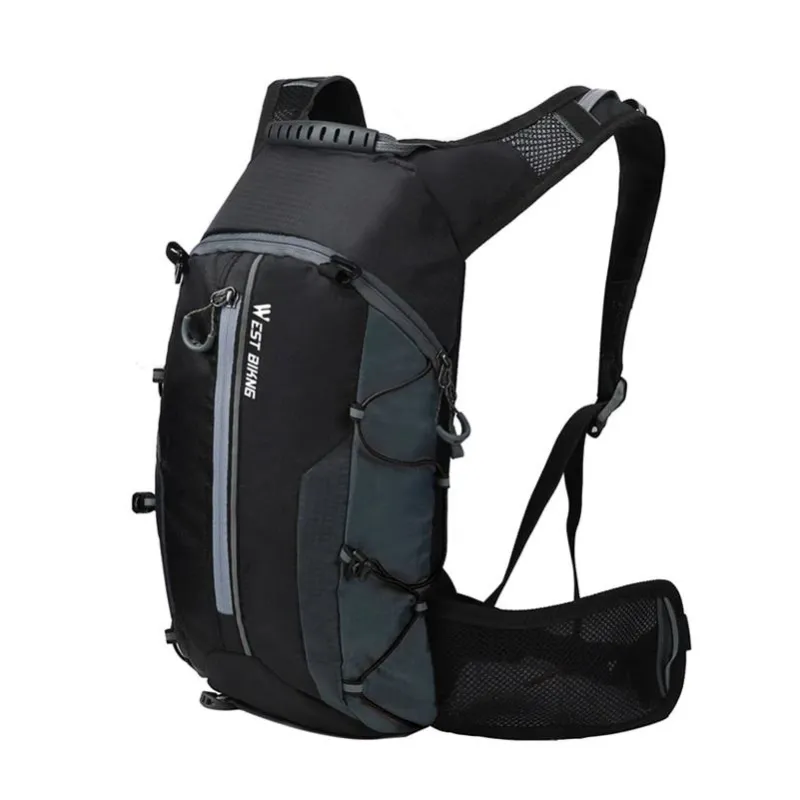 Best 10L Backpack Features for Commuting and Day Rides24 Aug 20264 minWhat Size Bike Pump Do You Actually Need for Road and Trail Riding?24 Aug 20266 minErgonomic Bike Grips vs Standard Grips: Which Reduce Hand Numbness?24 Aug 20266 min
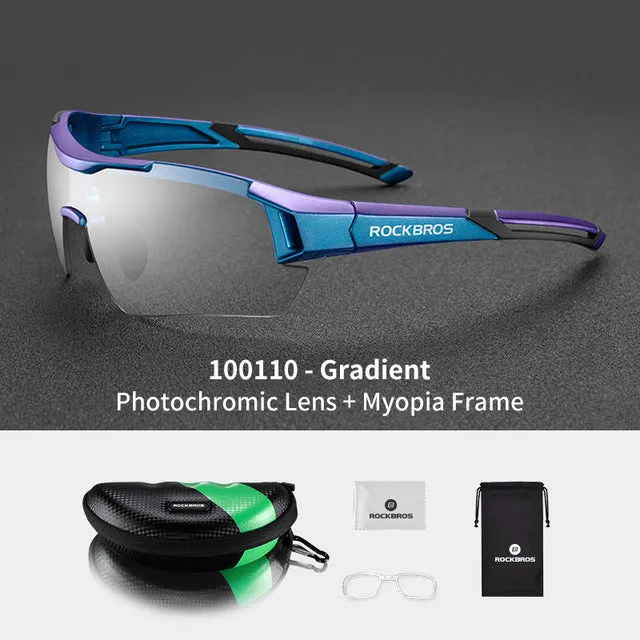 Do Photochromic Cycling Glasses Really Work in All Light Conditions?24 Aug 20265 min
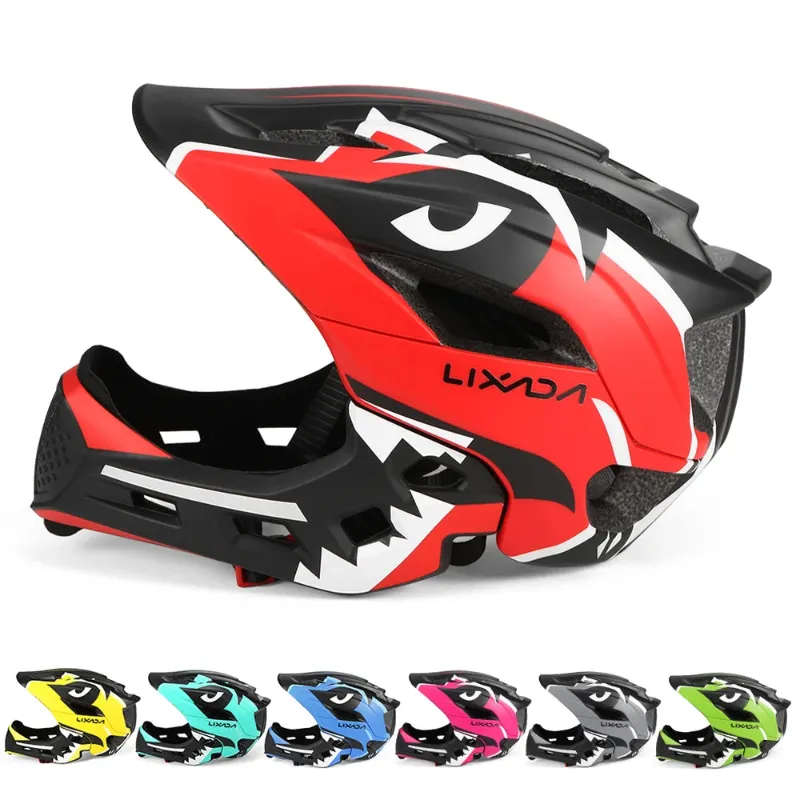 How to Choose the Right Full Face Helmet for Kids: Safety Features That Matter24 Aug 20265 min