 A Cycle Peak guide
Do Photochromic Cycling Glasses Really Work in All Light Conditions?
Photochromic cycling glasses adapt automatically to light changes, but performance depends on lens chemistry, temperature, and how quickly conditions shift.
Photochromic cycling glasses work well in gradually changing light but have real limitations in extreme heat, rapid transitions, and very low light. The lenses darken in bright UV exposure and clear indoors or under cloud cover, giving you one pair that can handle dawn rides, midday sun, and shaded forest trails without swapping lenses.
Here is how the technology works, and where its limits are.
How Photochromic Lens Technology Actually Works
Photochromic lenses contain millions of molecules that change structure when exposed to UV light. In bright sunlight, these molecules rearrange to absorb more light, darkening the lens within 30 to 60 seconds. When UV levels drop, the molecules revert to their clear state over two to five minutes.
The speed and range of tint change depend on three factors:
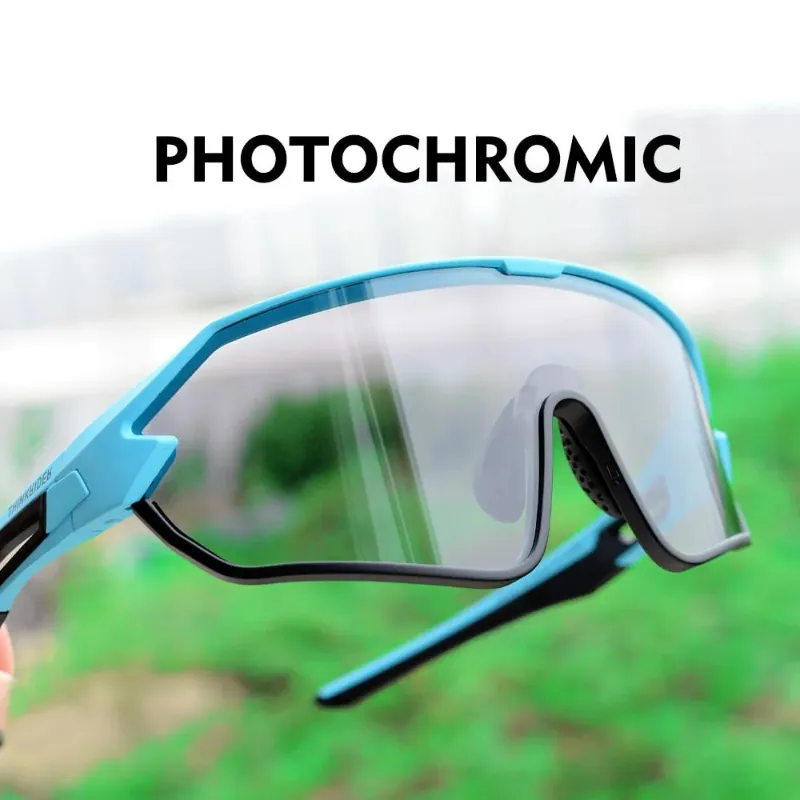
- Lens chemistry: modern photochromic sunglasses use either carbon-based or silver halide compounds, with carbon versions generally adapting faster and holding performance better in heat
- Temperature: cold air speeds up darkening and slows clearing, while hot weather can limit how dark the lens becomes
- UV intensity: lenses react to ultraviolet radiation, not visible brightness, so they darken less behind car windshields or in open shade where UV is filtered
Most cycling-specific photochromic lenses transition between 15% and 75% visible light transmission, covering partly cloudy mornings through full sun but not pitch-dark night rides.
When Photochromic Cycling Glasses Excel
Photochromic lenses tend to suit rides where light conditions shift gradually rather than suddenly. They generally handle these scenarios well:
- Early-morning or late-afternoon rides when you start in dim light and finish in bright sun, or the other way around
- Mixed terrain with intermittent shade, such as tree-lined roads or rolling hills where you move in and out of shadows every few minutes
- Partly cloudy days, when the sun appears and disappears behind clouds, causing frequent but moderate light swings
- All-day tours, where carrying multiple lens sets adds weight and hassle
A roundup of cycling sunglasses from Cyclingnews makes a similar point about convenience: one pair that adapts removes the guesswork of choosing between too-dark or too-light glasses before you head out.
Where They Fall Short
Photochromic technology has three common weak points:
Extreme heat can reduce the maximum tint a lens reaches. On very hot rides, lenses may not darken to their rated maximum, which can leave you squinting in full sun. If you ride in desert or tropical climates, look for a heat-stable formulation or carry a dedicated dark lens as backup.
Rapid transitions, like entering a tunnel or descending into a shaded valley, leave you temporarily under-tinted for the light you are riding into. Clearing takes a couple of minutes, so a sudden drop in light catches the lens lagging. This matters less for road cyclists but more for mountain bikers moving quickly between forest canopy and open clearings.
Low light and night riding need a separate clear or yellow lens. Photochromic lenses clear to around 85% transmission at best, still dimmer than true clear glass. If your ride extends past dusk, bring a spare lens or choose frames with a quick-swap system.
For comparisons of how different models handle these conditions, Outdoor Gear Lab’s cycling sunglasses rankings and Velomotion’s mountain bike photochromic test offer more detailed performance data.
Best Photochromic Cycling Glasses for Different Riders
Not all photochromic lenses suit every rider the same way. Here is what tends to matter for each style of riding:
| Rider Type | Typical Lens Range | Key Feature |
|---|---|---|
| Road cyclist | 15 to 75% VLT | Fast activation, minimal distortion |
| Mountain biker | 20 to 70% VLT | Impact resistance, wide field of view |
| Commuter | 25 to 65% VLT | Budget-friendly, scratch coating |
For road and gravel riders, prioritize lenses that darken quickly in full sun and offer sharp optics at the edges. Wraparound styles reduce wind and debris while keeping peripheral vision open.
For mountain bikers, look for frames rated for impact and lenses that handle quick light changes under tree cover. Some riders prefer a slightly lighter tint range, up to about 70% VLT, to preserve contrast on technical descents.
For women riders, frame fit matters as much as lens chemistry. Many unisex models sit too wide or slip on narrower faces, so look for women’s photochromic cycling glasses with adjusted temple angles and nose bridges.
Check the latest price on models that fit your face shape and riding conditions before committing.
Caring for Photochromic Lenses
Photochromic molecules degrade over time, but proper care can extend their working lifespan from around two years to five or more:
- Rinse with cool water before wiping to remove grit that can scratch coatings
- Use microfiber only and avoid paper towels or clothing, which can abrade anti-reflective layers
- Store in a case away from direct sun when not riding, since constant UV exposure wears out the photochromic layer faster
- Avoid extreme heat, such as car dashboards or hot pavement, which speeds up the breakdown of the coating
If your lenses stop darkening fully or stay slightly tinted indoors after heavy use, the photochromic coating has likely reached the end of its working life and replacement is the only fix.
Should You Choose Photochromic or Interchangeable Lenses?
The choice depends on how often, and how drastically, light changes during your typical rides.
Go photochromic if:
- You ride at dawn or dusk when light shifts gradually
- You value simplicity and would rather not swap lenses mid-ride
- Your routes mix sun and shade frequently
- You want one pair for most conditions
Choose interchangeable lenses if:
- You encounter rapid transitions like tunnels or dense forest
- You ride in extreme heat where photochromic performance drops
- You need maximum tint for desert or alpine sun
- You ride at night and need truly clear lenses
Some riders keep both: photochromic for everyday rides and a set with swappable lenses for races or specialty conditions. Grab the code to save on either setup at Cycle Peak.
Our Verdict on All-Condition Performance
Photochromic cycling glasses handle most typical riding conditions without fuss, which makes them a practical choice for riders who value convenience over squeezing out the last bit of optimization. They genuinely work across a wide light range, but calling them a fit for every condition is an overstatement once heat, speed, and darkness come into play.
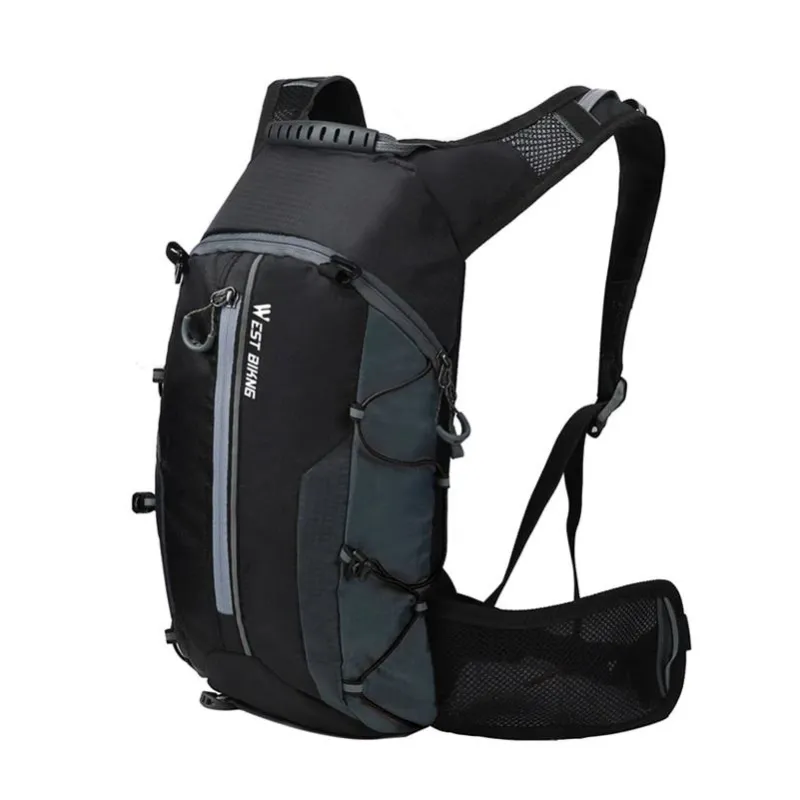
We suggest them for road cyclists, commuters, and recreational mountain bikers who ride during daylight hours in temperate climates. For racing, night riding, or extreme environments, keep a backup lens in your jersey pocket or 10l backpack.
The technology keeps improving, with newer formulations designed to darken faster and hold performance better in warm weather. If it has been a while since you tried a pair, current models are worth a fresh look.
Questions
How long do photochromic cycling glasses take to change tint?
Most photochromic lenses darken within 30 to 60 seconds in bright UV light and clear over two to five minutes when you move into shade or indoors. Cold temperatures speed up the transition, while heat above 35°C slows it.
Do photochromic lenses work behind a car windshield?
No, they darken very little behind windshields because automotive glass blocks most UV radiation, which photochromic lenses need to activate. They work best outdoors in direct sunlight.
Can I use photochromic cycling glasses for night riding?
It is not a good idea. Photochromic lenses clear to around 85% light transmission at best, which is still dimmer than true clear lenses. For night rides, swap to clear or yellow-tinted lenses for better visibility.
Will photochromic lenses stop working over time?
Yes, the photochromic molecules degrade with UV exposure and heat. With proper care, lenses typically last two to five years before they stop darkening fully or stay slightly tinted indoors.
Are photochromic sunglasses worth it for mountain biking?
They work well for trails with gradual light changes, but rapid transitions between forest and open clearings can leave you temporarily under or over tinted. Many mountain bikers prefer them for cross-country rides and keep interchangeable lenses for technical descents.
Do I still need multiple pairs of cycling glasses if I buy photochromic ones?
For most riders, no. Photochromic lenses cover the majority of daylight conditions. You may still want backup clear lenses for night rides or a darker set for extreme sun in hot climates where photochromic performance drops.
Products in this guide
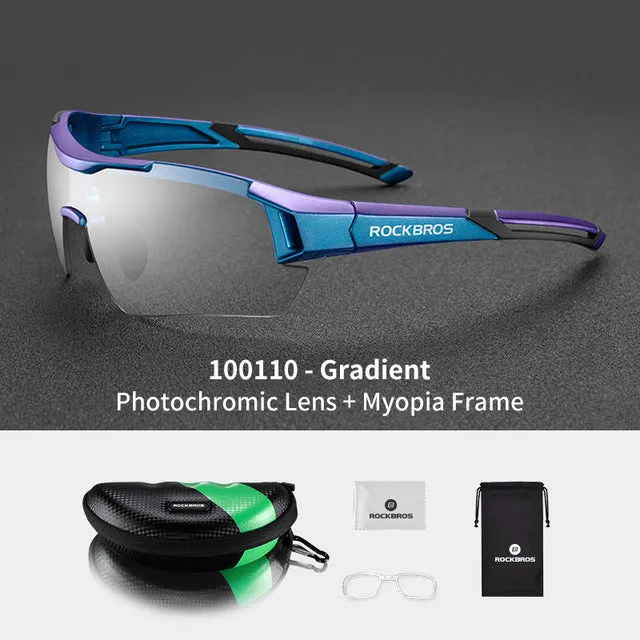 Shopping at Cycle Peak? See the discount code
15% OFF All Orders
Shopping at Cycle Peak? See the discount code
15% OFF All Orders
More in this series
Best 10L Backpack Features for Commuting and Day Rides24 Aug 20264 min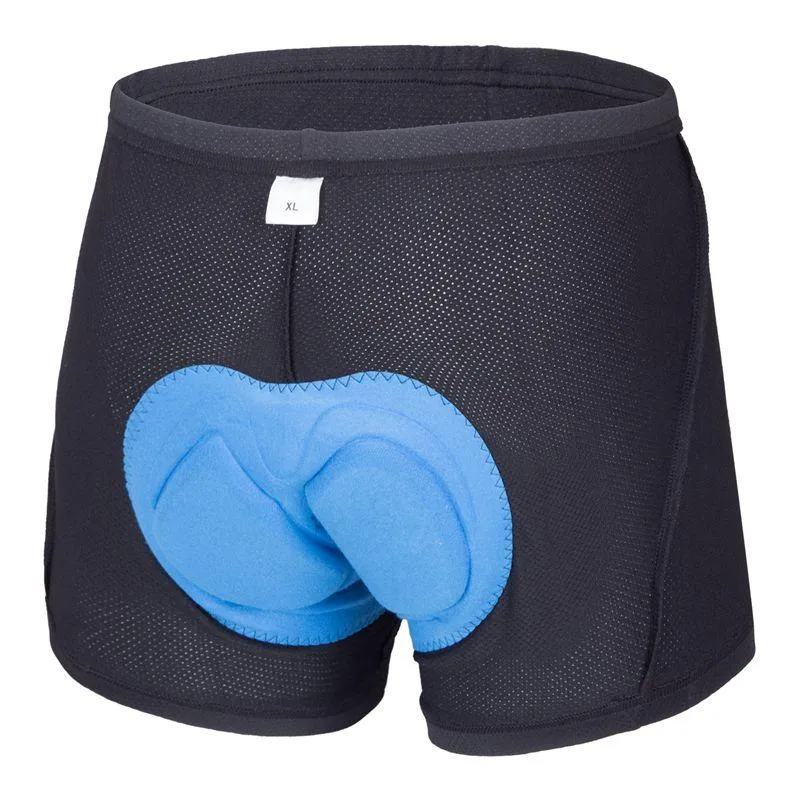 How Long Do Padded Cycling Briefs Last With Regular Washing?24 Aug 20265 minWhat Size Bike Pump Do You Actually Need for Road and Trail Riding?24 Aug 20266 min
 Ergonomic Bike Grips vs Standard Grips: Which Reduce Hand Numbness?24 Aug 20266 min
 How to Choose the Right Full Face Helmet for Kids: Safety Features That Matter24 Aug 20265 min