 A Cycle Peak guide
How to Choose the Right Full Face Helmet for Kids: Safety Features That Matter
A kids full face helmet provides maximum protection for young riders tackling downhill trails, jumps, and BMX tracks with extended coverage and chin bar impact resistance.
A kids full face helmet delivers comprehensive head, face, and jaw protection that standard open-face helmets cannot match, making it essential for children riding downhill mountain bike trails, hitting jumps, or racing BMX.
Why Full Face Protection Matters for Young Riders
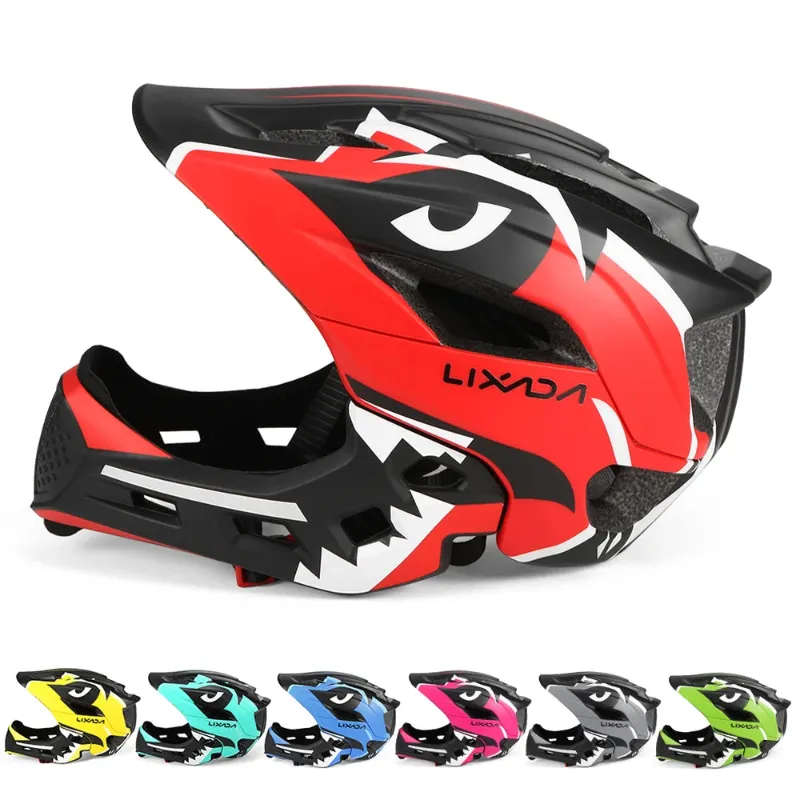
Children learning aggressive riding techniques face higher fall risk than cruising on paved paths. A full face helmet for kids extends protection beyond the top and back of the head to shield the entire face, chin, and jaw from impact, abrasion, and flying debris. We see the biggest difference on technical descents and jump lines where forward falls can result in facial injuries that a cyclic bike helmet would not prevent.
The chin bar acts as the defining feature, absorbing impact energy before it reaches your child’s face. Unlike detachable chin guards, integrated designs distribute force across the entire helmet shell. This construction proves critical when a rider goes over the handlebars or clips a tree branch at speed.
Key Safety Certifications to Look For
Not every full-face design meets the same testing standards. We prioritize helmets carrying CPSC, ASTM F1952 (downhill mountain biking), or ASTM F2032 (BMX) certifications. CPSC certification is the baseline requirement in the United States, but the ASTM downhill standard includes more rigorous impact testing at higher speeds and multiple impact points across the chin bar and lower shell.
European CE EN 1078 certification offers comparable protection, though testing protocols differ slightly. Avoid helmets with no certification markings or only a generic “safety tested” claim. Check the latest price and verify certification stickers inside the helmet before purchasing.
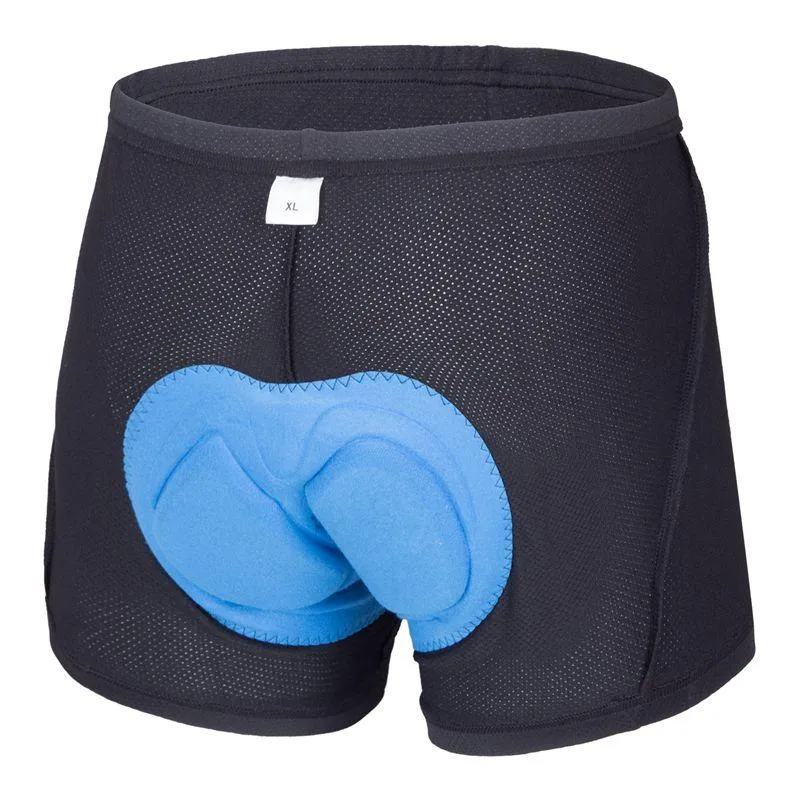
When you’re upgrading other riding gear, proper protection extends beyond the helmet. Many riders pair full-face coverage with padded cycling briefs for comfort on longer trail sessions.
How to Measure and Fit a Kids Full Face Helmet
Proper fit determines whether a helmet protects or simply sits on your child’s head during impact. Measure circumference one inch above the eyebrows, wrapping the tape measure around the widest part of the head. Most youth full-face helmets accommodate 48 to 56 cm, though sizing charts vary by manufacturer.
Once you have the measurement, follow these fit checks:
- The helmet should sit level, with the front edge one inch above the eyebrows
- No gaps should appear between the padding and your child’s forehead or cheeks
- When your child opens their mouth wide, the helmet should pull down slightly on the head
- The chin strap should allow only one or two fingers between the strap and chin when buckled
- Side-to-side and front-to-back movement should be minimal when the strap is fastened
Cheek pads compress over time, so a snug initial fit in the cheeks is normal. The helmet should feel secure without causing pressure points or headaches. Many models include removable padding in multiple thicknesses to dial in the fit as your child grows.
Grab the code to save on adjustable models that extend wearability across growth spurts.
Ventilation and Weight Considerations
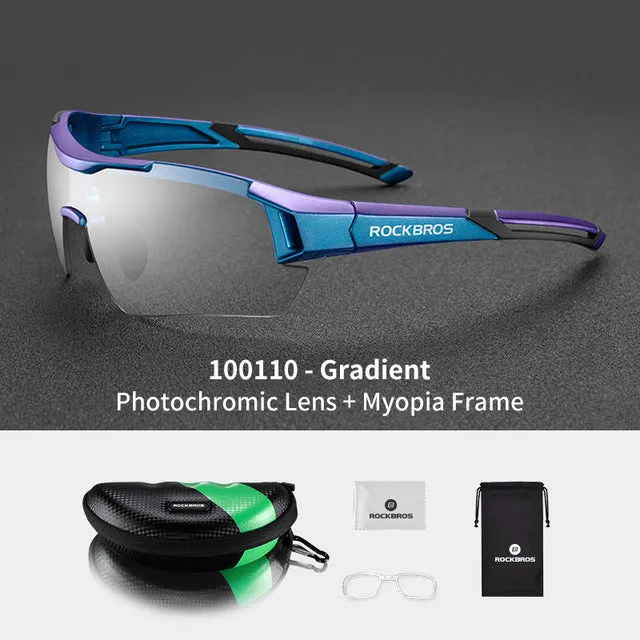
Full-face helmets trap more heat than open designs, so adequate ventilation becomes non-negotiable for all-day comfort. We look for at least 8 to 12 vents with clear channels that route air from the front intake vents, over the head, and out through rear exhaust ports. Chin bar vents directly cool the face and reduce fogging if your child wears photochromic cycling glasses.
Weight directly impacts neck fatigue, especially for younger or smaller riders. Quality youth full-face helmets weigh between 750 and 950 grams. Anything over 1,000 grams strains neck muscles during extended sessions. Lighter helmets typically use in-mold construction, where the outer shell fuses to the EPS foam liner during manufacturing rather than being glued on afterward.
Compare ventilation and weight specs across models:
| Feature | Entry-Level | Mid-Range | Premium |
|---|---|---|---|
| Vent Count | 6-8 | 10-14 | 15+ |
| Weight | 900-1000g | 800-900g | 750-850g |
| Construction | Glued Shell | In-Mold | Carbon Fiber In-Mold |
According to Kids Ride Bikes, proper ventilation reduces overheating complaints by more than 60% on hot-weather rides.
Visor, Goggle Compatibility, and Vision
A removable visor deflects sun, rain, and roost while keeping your child’s vision clear. We prefer multi-position visors that adjust or remove entirely for goggle use. Goggle compatibility matters if your child rides in dusty conditions or prefers the sealed protection goggles provide. The helmet’s eye port should accommodate standard youth MX or mountain bike goggles without pressing the frame into the face or creating gaps at the temples.
Some riders switch between goggles and glasses depending on conditions. If your child prefers glasses, test fit them with the helmet to ensure temples route comfortably through the padding and the chin bar does not interfere with frame removal.
Chin Bar Strength and Removable Options
The chin bar must withstand direct frontal impacts without collapsing or detaching. Continuous one-piece molding offers the strongest design, while bolt-on or snap-in chin bars introduce potential failure points.
Convertible helmets with removable chin bars provide versatility for riders who switch between trail types. However, we only recommend convertible designs if the attachment mechanism is metal-reinforced and the helmet carries separate certifications for both full-face and open-face configurations. Fox Racing youth MTB helmets showcase industry-standard chin bar integration.
Interior Padding and Moisture Management
Washable, moisture-wicking padding keeps the helmet fresh and comfortable across multiple rides. We prioritize helmets with fully removable liner systems you can hand-wash or machine-wash on gentle cycles. Anti-microbial treatments reduce odor buildup, though regular washing remains essential.
Padding thickness affects both fit and impact absorption. Multi-density foam liners place softer foam against the skin for comfort and firmer foam closer to the shell for energy dispersion during impact. Check that cheek pads cover enough surface area to prevent the chin bar from contacting the face during normal wear.
Who Should Ride with a Kids Full Face Helmet
We recommend full-face protection for any child riding terrain or features where face and jaw injuries are possible. This includes downhill mountain biking, bike park jump lines, BMX racing, dirt jumping, and technical freeride trails. For casual neighborhood riding or smooth bike paths, a standard cyclic bike helmet provides adequate protection with better ventilation and lighter weight.
Age and skill level matter less than riding style. A cautious eight-year-old tackling black-diamond downhill runs needs full-face protection, while an aggressive twelve-year-old on groomed cross-country trails does not. Rascal Rides recommends matching helmet style to terrain difficulty rather than rider age.
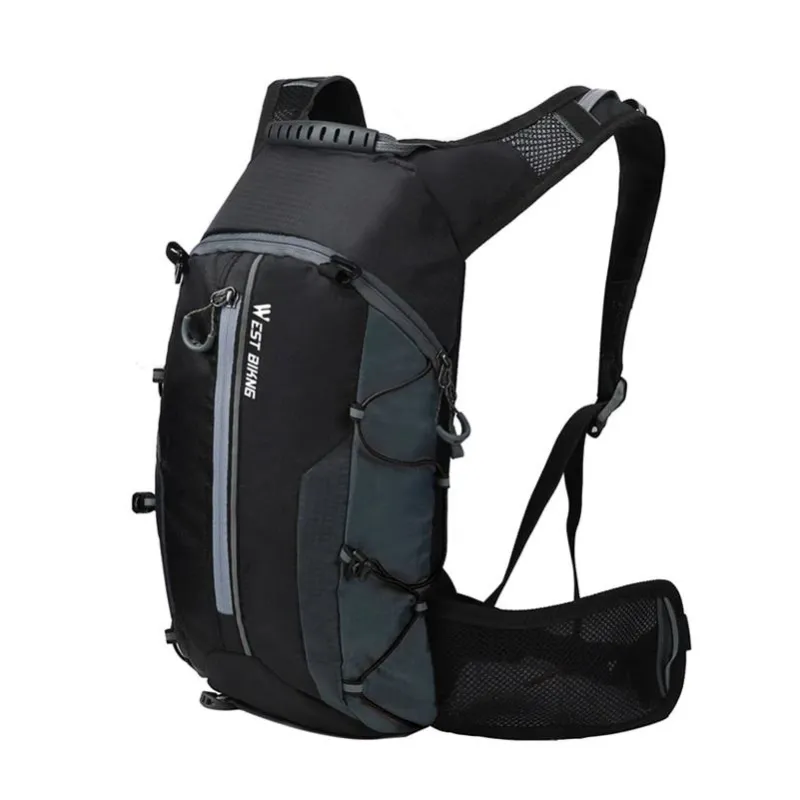
When you’re ready to upgrade your child’s protective gear, check current pricing to pair a kids full face helmet with other essentials like a 10l backpack for carrying tools and hydration on longer rides.
Replacing and Maintaining the Helmet
Replace any helmet immediately after a crash involving impact to the shell, even if no visible damage appears. The EPS foam liner compresses during impact and cannot provide the same protection in subsequent crashes. Most manufacturers recommend replacement every three to five years regardless of crash history, as UV exposure, temperature cycles, and adhesive degradation reduce protective capability over time.
Between replacements, maintain the helmet by washing padding monthly, storing it away from direct sunlight and extreme temperatures, and inspecting the shell and straps for cracks, fraying, or detachment. Never use solvents, petroleum products, or harsh detergents that can compromise the shell integrity.
Questions
What age should a child start wearing a full face helmet?
Age matters less than riding terrain. Any child riding downhill trails, jumps, bike parks, or BMX tracks should wear full face protection regardless of age. For mellow trail riding and paved paths, a standard open-face helmet provides adequate coverage.
Can a kids full face helmet fit over glasses?
Most youth full-face helmets accommodate glasses if the temples route through the cheek padding properly. Test fit glasses with the helmet before buying to ensure the chin bar does not interfere with putting glasses on or taking them off.
How tight should the cheek pads feel?
Cheek pads should feel snug initially without causing pain or pressure points. They will compress 10 to 15 percent over the first few rides. If your child cannot open their mouth comfortably or the pads cause red marks after 20 minutes, size up.
Do convertible helmets with removable chin bars protect as well?
Only if the helmet carries separate certifications for full-face and open-face modes, and the chin bar attaches with metal-reinforced hardware. Many convertible designs sacrifice chin bar strength for convenience, so verify ASTM F1952 certification specifically.
How often should I replace a youth full face helmet?
Replace immediately after any crash involving impact, even without visible damage. Otherwise, replace every three to five years as UV exposure and temperature cycles degrade the protective foam and shell materials over time.
What certifications should I look for?
Prioritize CPSC as the baseline, with ASTM F1952 for downhill mountain biking or ASTM F2032 for BMX providing more rigorous testing. European CE EN 1078 offers comparable protection. Avoid helmets with no certification markings inside.
Products in this guide
 Shopping at Cycle Peak? See the discount code
15% OFF All Orders
Shopping at Cycle Peak? See the discount code
15% OFF All Orders
More in this series
Best 10L Backpack Features for Commuting and Day Rides24 Aug 20264 minHow Long Do Padded Cycling Briefs Last With Regular Washing?24 Aug 20265 minWhat Size Bike Pump Do You Actually Need for Road and Trail Riding?24 Aug 20266 min Ergonomic Bike Grips vs Standard Grips: Which Reduce Hand Numbness?24 Aug 20266 minDo Photochromic Cycling Glasses Really Work in All Light Conditions?24 Aug 20265 min