 A Cycle Peak guide
Best 10L Backpack Features for Commuting and Day Rides
A 10l backpack offers the perfect balance of compact storage and essential carrying capacity for daily commutes and short cycling trips.
What Makes a 10L Backpack Ideal for Cyclists
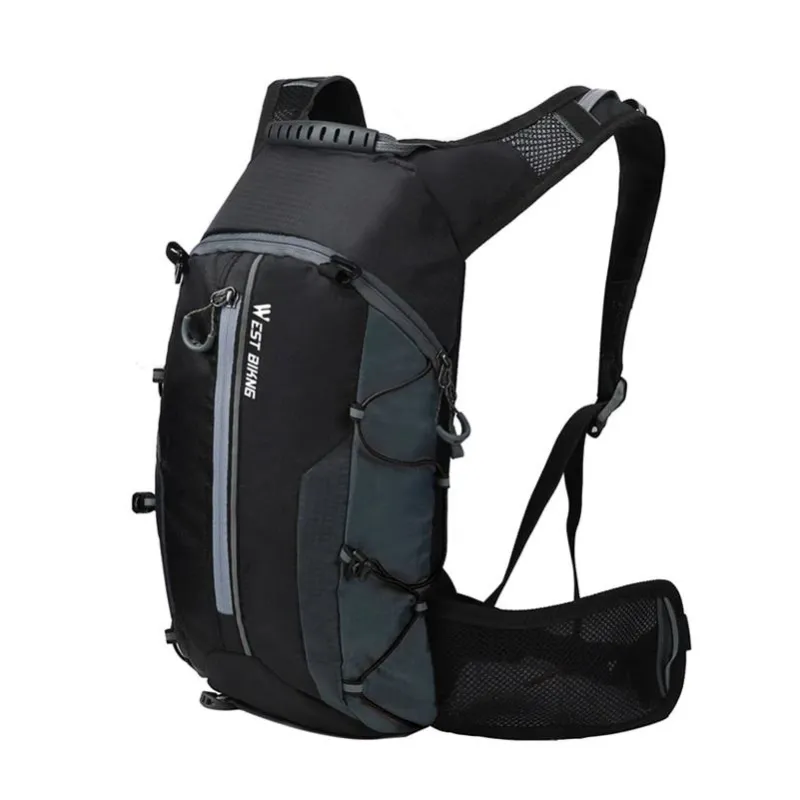
A 10l backpack offers the perfect balance of compact storage and essential carrying capacity for daily commutes and short cycling trips. The 10l backpack from Cycle Peak delivers everything you need without the bulk that causes back sweat or throws off your riding posture.
Essential Storage Features in a 10 Litre Backpack
The right compartment layout transforms a basic pack into a cycling workhorse.
- Main compartment with internal organizers for separating clean gear from tools and spares
- Quick-access front pocket that lets you grab your phone, keys, or energy bars without stopping
- Secure zippered compartments that won’t spill contents when you lean forward on the bike
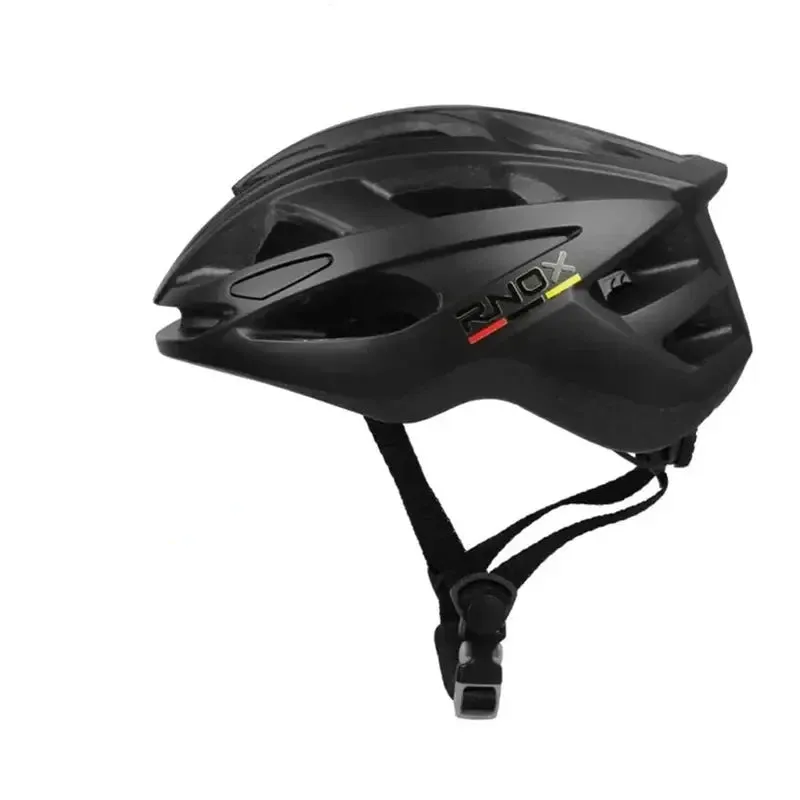
- Helmet attachment loops or straps for carrying your cyclic bike helmet when you arrive
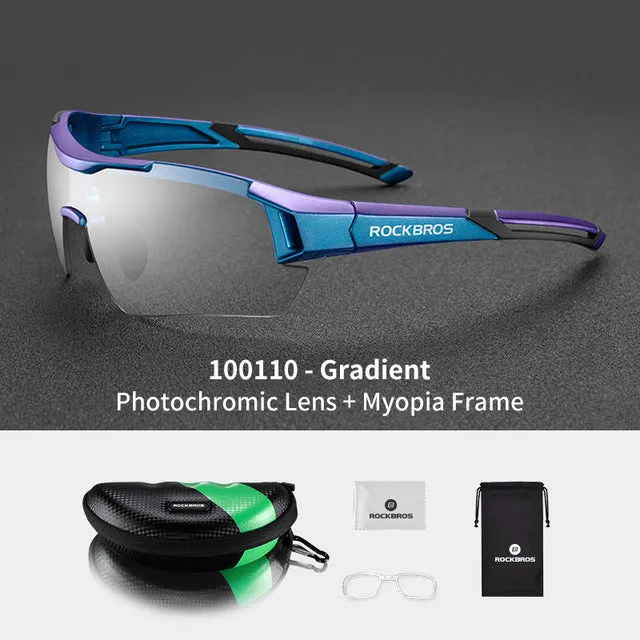
- Side mesh pockets sized for a water bottle, pump, or photochromic cycling glasses case
The 10 litre backpack uses a clamshell opening that gives you full visibility into the main compartment, which beats digging through a top-loader when you’re hunting for your office badge in a parking garage. We’ve found that packs with at least three separate compartments keep essentials organized during multi-stop commutes.
Waterproof Materials and Weather Protection
A 10l backpack waterproof construction saves your electronics and spare clothes when weather turns.
- Ripstop nylon with PU coating (polyurethane backing blocks moisture while staying lightweight)
- Welded or taped seams instead of stitched seams that wick water inside
- Water-resistant zippers with storm flaps covering the pulls
- Roll-top closures for guaranteed waterproofing, though they sacrifice quick access
Check The 10 Best Mini Backpacks of 2026, Tested and Reviewed for independent testing data on waterproof ratings. Most commuters find that a DWR-treated fabric (durable water repellent) handles light rain and road spray, while dedicated waterproof liners or dry bags inside the pack protect must-stay-dry items during heavier downpours. Before you buy, check the latest price to see current waterproofing options.
Ventilation and Comfort for Active Riding
Back panel design separates average packs from cyclist-specific models. The features that actually improve airflow during rides include:
- Mesh-covered foam channels that create air gaps between the pack and your back
- Suspended back panels with a trampoline-style mesh that holds the pack 1-2 cm away from your body
- Breathable shoulder strap padding that wicks sweat instead of absorbing it
- Sternum strap with emergency whistle that stabilizes load and keeps straps from sliding
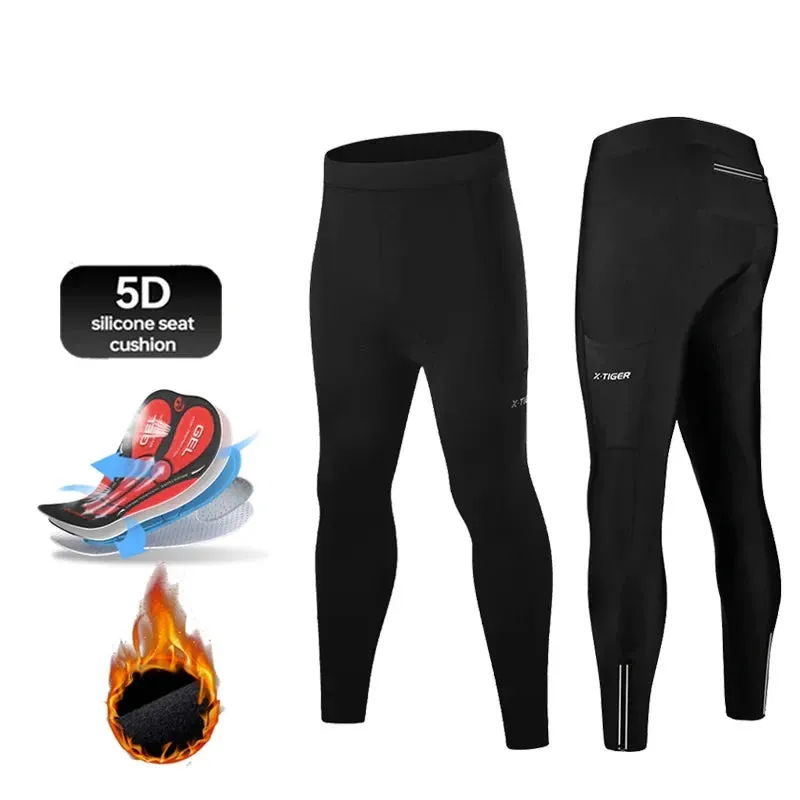
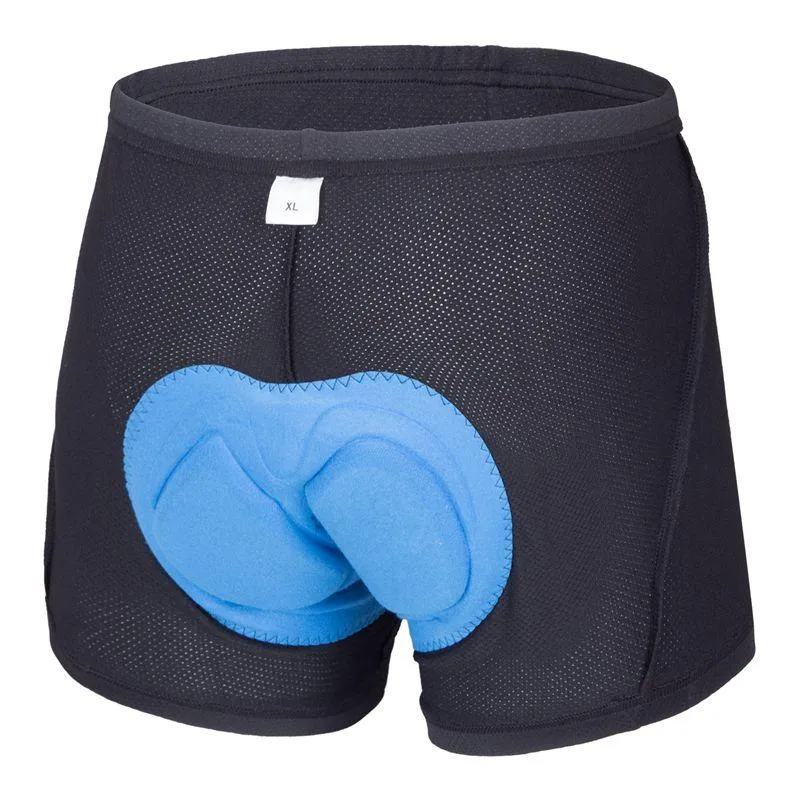
A 10l backpack size sits high enough that it won’t interfere with your pedaling motion or hip movement. Pair your pack with moisture-wicking layers like thermal pant or padded cycling briefs for maximum comfort on longer commutes.
Safety and Visibility Features
Commuting in dawn, dusk, or night conditions demands built-in visibility.
| Feature | Why It Matters | What to Look For |
|---|---|---|
| Reflective strips | Catches headlights from 300+ meters | 360-degree placement on straps and body |
| Attachment loops | Secures clip-on lights or blinkers | Daisy chains or webbing on multiple sides |
| Bright colorways | Increases daytime visibility | Neon yellow, orange, or reflective silver panels |
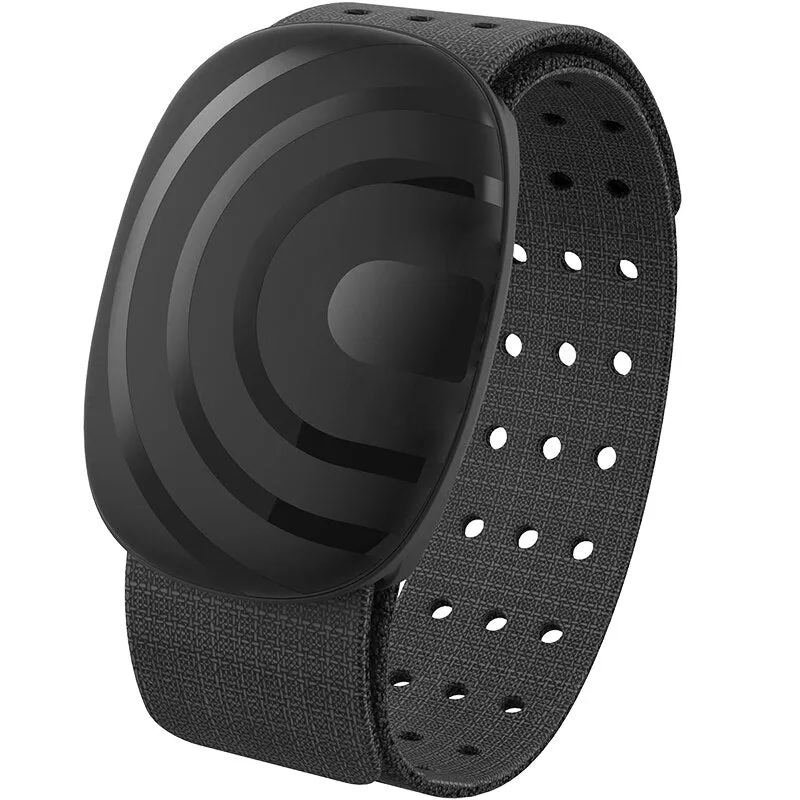
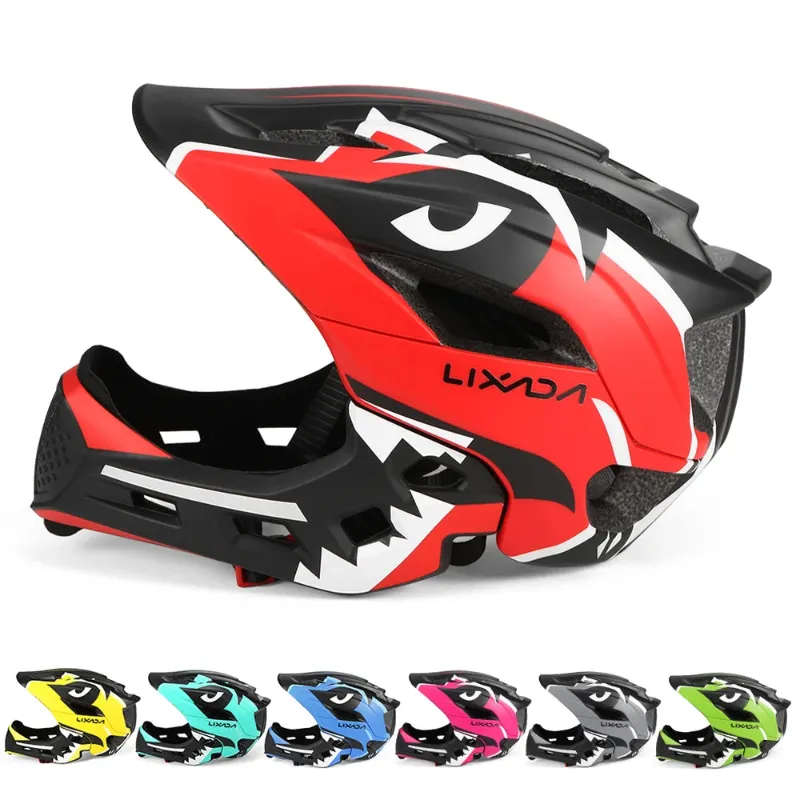
Some cyclists add a heart rate monitor armband to track intensity during commutes. Position it on your upper arm so pack straps won’t interfere with the sensor. If you’re riding with kids who use a full face helmet for kids, consider a slightly larger pack that can carry their school gear plus your work essentials.
Sizing and Load Capacity for Day Rides
A 10l backpack hiking or commuting capacity typically holds:
- One change of clothes (shirt, pants, underwear, socks)
- Laptop up to 13 inches or tablet with protective sleeve
- Basic tool kit (multi-tool, spare tube, tire levers, mini pump)
- Wallet, phone, keys, and small snacks
- Light rain jacket or packable windbreaker
This volume works for 90% of daily commutes and recreational rides under three hours. Packs that sit too low create a pendulum effect during out-of-saddle efforts, while properly positioned 10l models stay planted even when fully loaded.
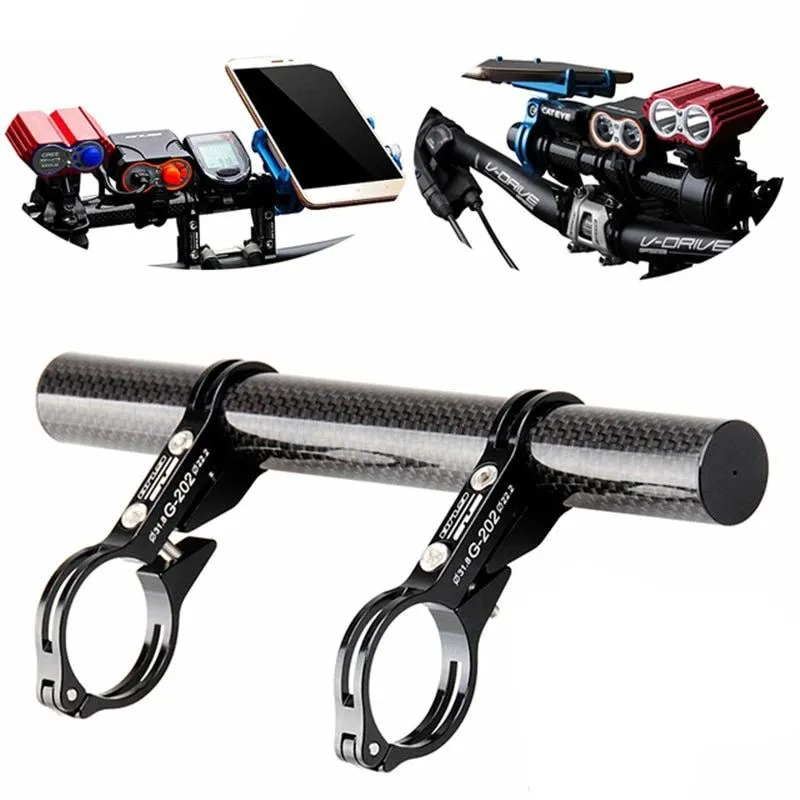
For riders who need to carry additional accessories like bicycle handlebar extensions or ergonomic bike grips for post-work upgrades, strap them to the outside daisy chains rather than cramming them inside.
Choosing Between Travel and Bike-Specific Designs
A 10l backpack travel model prioritizes airport security features and organization, while bike-specific packs focus on stability and ventilation. Here’s how to decide:
Choose a cycling-specific 10l backpack when:
- You ride four or more days per week
- Your commute exceeds 30 minutes
- You ride in variable weather conditions
- Back sweat is a recurring problem
Choose a hybrid travel pack when:
- You bike occasionally but also hike, travel, or walk
- You need TSA-friendly laptop access
- You prefer more organizational pockets
- You want one pack for multiple activities
Grab the code for 15% off your order when you’re ready to buy. We’ve found that dedicated cycling packs justify their cost after about six months of regular commuting, thanks to better ventilation and stability that reduce fatigue.
On easy cruises you can remove the straps entirely, while harder efforts benefit from the locked-down stability they provide. This versatility makes it our top pick for riders who want one pack that handles both casual rides and faster training sessions.
Questions
Is a 10l backpack big enough for bike commuting?
Yes, a 10 liter capacity easily holds a change of clothes, laptop up to 13 inches, basic bike tools, and daily essentials for most commutes under three hours. Riders carrying bulkier items like shoes or multiple layers may need 15-20 liters instead.
What makes a backpack waterproof versus water resistant?
Waterproof backpacks use sealed seams, coated fabrics, and roll-top closures to block all moisture, while water-resistant packs have DWR coatings that repel light rain but will eventually soak through in heavy downpours. Check the pack's IPX rating or material specifications for exact protection levels.
Do I need a cycling-specific backpack or will any small pack work?
Cycling-specific packs include ventilated back panels, reflective strips, and stability features that reduce bounce and back sweat during active riding. Generic small backpacks work for short, casual rides but cause discomfort on commutes over 20 minutes.
Can I fit a bike helmet inside a 10 liter backpack?
Most bike helmets are too bulky to fit inside a 10l pack without compressing your other gear. Look for external helmet attachment straps or loops on the pack body to carry your helmet when you're off the bike.
How do I stop a backpack from bouncing while cycling?
Use both the sternum strap and hip belt to lock the pack close to your body, pack heavier items high and close to your back, and avoid overloading beyond 80% capacity. Packs with compression straps on the sides also minimize load shift during riding.
What should I carry in a 10l backpack for day rides?
Essential day ride gear includes a spare tube, tire levers, multi-tool, mini pump, phone, wallet, keys, snacks, and a packable rain jacket. Add sunscreen and your cycling glasses case if you're wearing photochromic lenses that you'll remove indoors.
Products in this guide
 Shopping at Cycle Peak? See the discount code
15% OFF All Orders
Shopping at Cycle Peak? See the discount code
15% OFF All Orders
More in this series
How Long Do Padded Cycling Briefs Last With Regular Washing?24 Aug 20265 minWhat Size Bike Pump Do You Actually Need for Road and Trail Riding?24 Aug 20266 min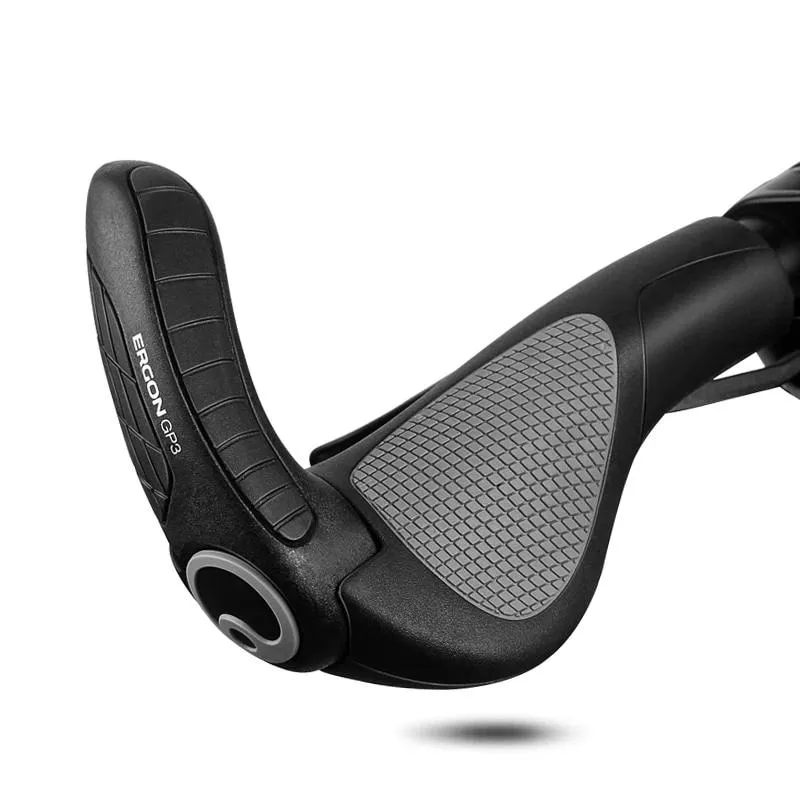 Ergonomic Bike Grips vs Standard Grips: Which Reduce Hand Numbness?24 Aug 20266 minDo Photochromic Cycling Glasses Really Work in All Light Conditions?24 Aug 20265 minHow to Choose the Right Full Face Helmet for Kids: Safety Features That Matter24 Aug 20265 min