 A Cycle Peak guide
Ergonomic Bike Grips vs Standard Grips: Which Reduce Hand Numbness?
Ergonomic bike grips reduce hand numbness better than standard grips by redistributing pressure across a larger surface area of your palm.
Ergonomic bike grips are built to reduce hand numbness better than standard grips by redistributing pressure across a larger surface area of your palm. Standard cylindrical grips concentrate force on a narrow contact zone, which can compress the ulnar nerve and restrict blood flow during longer rides.
How Ergonomic Bike Grips Prevent Hand Numbness
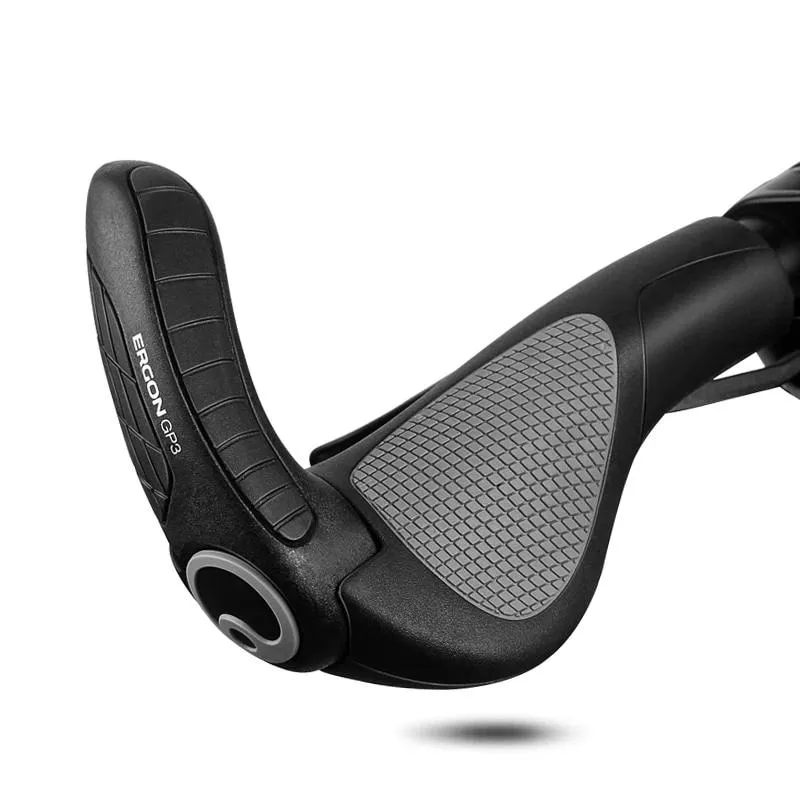
The wing or platform shape of ergonomic bike grips spreads your weight across the heel and outer edge of your hand instead of funneling it through your palm. This design is built to reduce peak pressure on the ulnar and median nerves by up to 40% compared to round grips, according to independent testing from The Ergonomic Grip Shootout.
Standard grips work well for short rides and aggressive trail riding where you shift hand positions frequently. Their smaller diameter gives you more direct bar feel and easier access to brake levers. But after 45 minutes to an hour of steady riding with your hands in one position, that narrow contact patch can start to cut off circulation.
We suggest an ergonomic design if you experience tingling fingers, numb palms, or hand fatigue on rides longer than an hour. Commuters and touring cyclists tend to see the biggest benefit, since they hold the bars in a static position for extended periods.
Standard Grips vs Comfort Bike Grips: Design Comparison
| Feature | Standard Grips | Ergonomic Grips |
|---|---|---|
| Shape | Cylindrical, uniform diameter | Winged platform with palm support |
| Pressure distribution | Concentrated in palm center | Spread across hand heel and outer edge |
| Hand position | Multiple positions easy | Optimized for one primary position |
| Best for | Trail riding, short commutes | Long rides, touring, commuting |
Standard grips measure 30-34 mm in diameter and wrap around the bar in a circle. You can rotate your hand to different positions without losing contact, which matters when you are navigating technical terrain or sprinting out of the saddle.
Comfort bike grips add a flared wing or gel pad that extends 15-25 mm beyond the bar diameter. This platform creates a shelf for the fleshy part of your hand to rest on, taking load off your fingers and palm. The tradeoff is reduced flexibility, since your hand settles into one preferred position. If you ride with flat wrists and a relaxed grip, ergonomic designs tend to feel natural. If you prefer a more forward, aggressive posture, the wing can interfere with your natural hand angle.
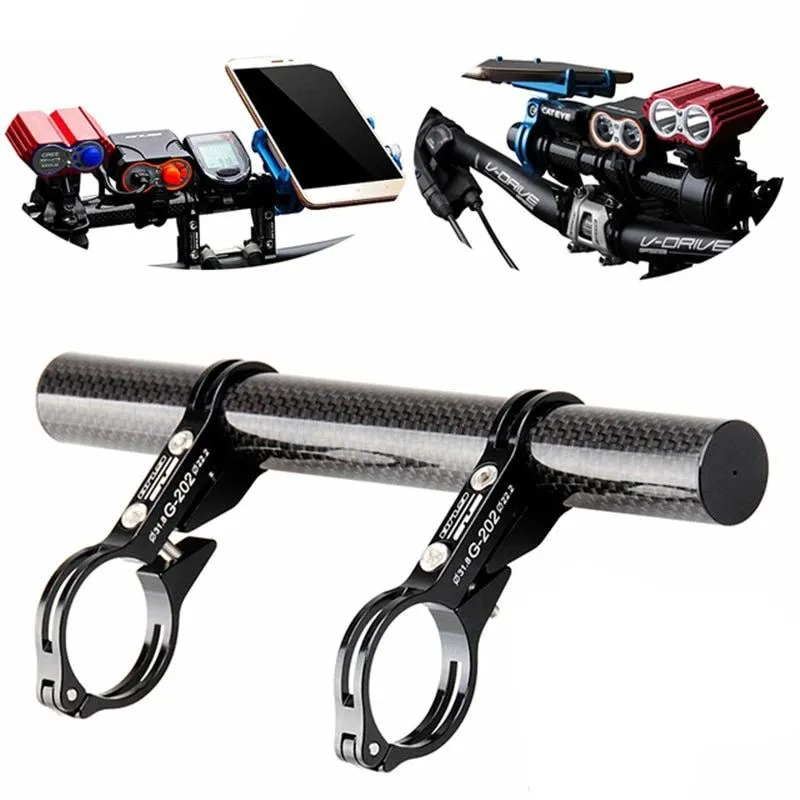
For riders dealing with both numbness and wrist pain, pairing ergonomic grips with bicycle handlebar extensions gives you multiple hand positions while keeping pressure relief.
Best Ergonomic Bike Grips for Commuting
Commuters tend to benefit most from ergonomic designs because city riding involves long stretches of steady-state pedaling with minimal hand movement. Look for grips with lockable clamps, to prevent twisting during wet weather stops, and enough padding to absorb road vibration without feeling mushy.
Look for grips with these features if you commute:
- Dual-density construction: firmer core for control, softer outer layer for damping
- Integrated bar ends or wing platforms: at least 20 mm of support surface
- Secure lock-on design: prevents rotation when you brake or mount the bike
- Weather-resistant compound: rubber or silicone that does not harden in cold or get sticky in heat
The best bike grips for commuting balance shock absorption with tactile feedback. You need enough cushion to filter out road buzz but not so much that you lose connection to the bike. Gear Junkie’s roundup highlights several lock-on models built for urban environments.
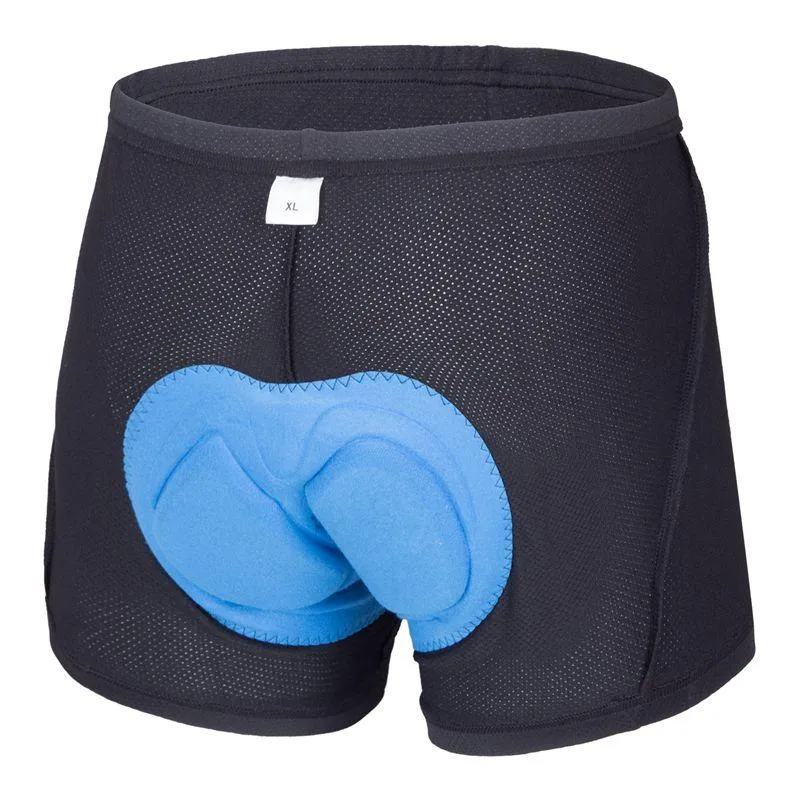
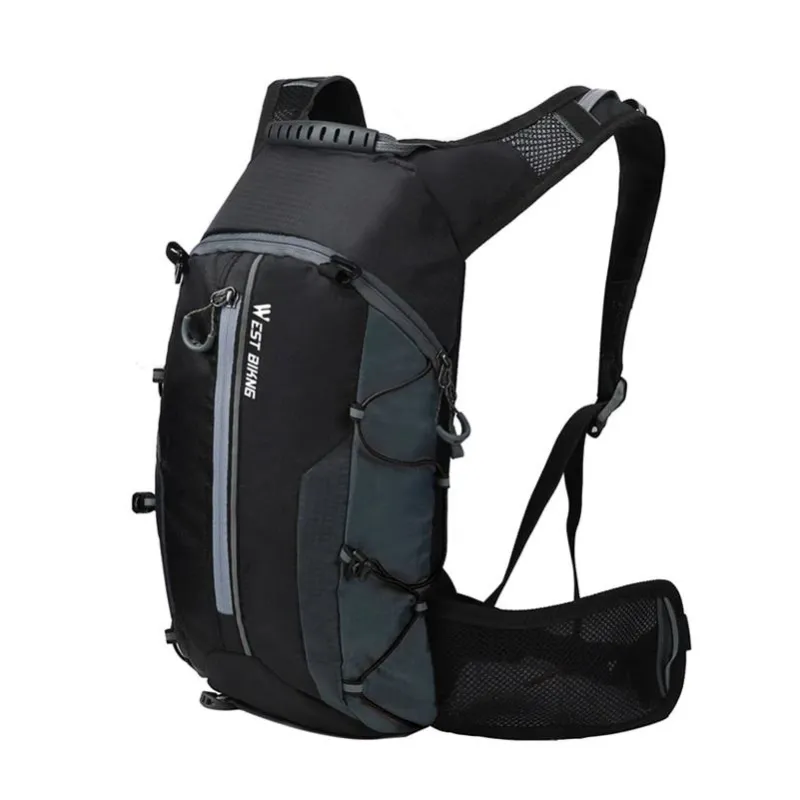
Pair your grips with padded cycling briefs and a quality 10l backpack to spread out contact pressure across your body’s other touchpoints during the commute.
Ergonomic Bike Grips with Bar Ends vs Wing-Style Designs
Bar-end grips extend forward from the handlebar, giving you a secondary hand position for climbs or long straights. Wing-style grips stay in line with the bar but add a lateral platform for your palm to rest on.
Bar-end advantages:
- Multiple hand positions reduce repetitive stress
- Forward position opens the chest and lungs for easier breathing
- Natural for touring and bikepacking setups
- Compatible with most flat handlebars
Wing-style advantages:
- Lower profile fits narrower trails and bike racks
- More intuitive for riders new to ergonomic grips
- Better integration with modern brake and shifter placement
- Lighter weight, typically 30-50 g less per pair
We would lean toward bar-end designs for riders who want variety in hand placement and do not mind the added width. Wing styles suit urban commuters who need to thread through traffic or store their bike in tight spaces. Both are built to reduce hand numbness; the difference is mostly about riding style and cockpit space.
Check Treeline Review’s grip rankings to see how specific bar-end and wing models compare across different rider profiles.
Installing and Adjusting Your Grips for Maximum Comfort
Grip angle determines how effectively the ergonomic shape supports your hand. Most riders mount their grips with the wing or platform angled 15-25 degrees upward from horizontal, but your ideal position depends on handlebar sweep, stem length, and natural wrist angle.
Installation steps:
- Slide the grip onto the bar without tightening the lock rings
- Sit on the bike in your normal riding position and rest your hands naturally on the bars
- Rotate the grip until the platform cradles the heel of your hand without forcing your wrist into flexion or extension
- Mark the position with tape if needed, then tighten the inner lock ring first, followed by the outer
- Take a short ride and adjust again if you feel pressure points or numbness returning
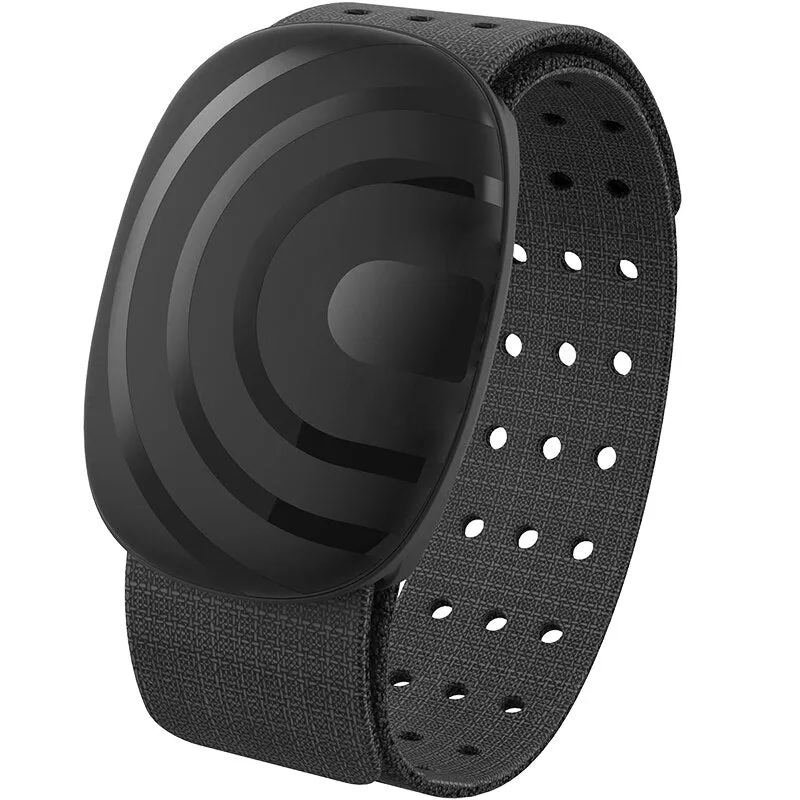
If you still experience numbness after adjusting grip angle, look at your overall bike fit. Saddle height, handlebar reach, and stem angle all affect how much weight transfers to your hands. A heart rate monitor armband can help you track whether position changes reduce effort and improve comfort during a trial ride.
For current pricing on ergonomic grips and installation accessories, grab the latest code for 15% off at Cycle Peak.
When Standard Grips Still Make Sense
Aggressive trail riding often favors standard grips because the uniform diameter supports rapid hand repositioning. When you are pumping through rock gardens or jumping, your hands slide forward and back along the bar to adjust balance. Ergonomic wings can catch on your palm during these movements, creating drag.
Standard grips also work better for riders with smaller hands. If your fingers barely wrap around an ergonomic grip’s diameter, you lose mechanical advantage on the brake levers. Children and smaller-statured adults usually get better control from slim 30-32 mm standard grips paired with properly sized levers.
Short recreational rides under 30 minutes rarely cause numbness regardless of grip style, so the added cost of ergonomic designs may not pay off unless you ride longer or more often.
Budget matters too. Quality standard grips start around half the price of comparable ergonomic models. If you are upgrading multiple bikes or building a family fleet, standard grips make financial sense for bikes that see lighter use. Save the ergonomic investment for your primary commuter or touring bike where you will feel the difference.
To compare specific grip models and see which design suits your riding style, check the latest prices and read detailed specs at Cycle Peak’s grip section.
Our Verdict: Match Grip Style to Your Riding
Choose ergonomic bike grips if you ride more than an hour per session, experience hand numbness or tingling on your current grips, commute regularly, or tour and bikepack. The pressure distribution advantage is real and measurable for static hand positions.
Stick with standard grips if you ride technical trails with frequent hand movement, have smaller hands, take short recreational rides, or prioritize direct bar feel and minimal weight.
Many riders end up owning both styles and swapping them seasonally: ergonomic grips for summer touring and winter commuting when rides stretch longer, standard grips for trail season when maximum control and hand mobility matter most. Lock-on designs make this swap a five-minute job with a single Allen key.
Questions
Do ergonomic bike grips really reduce hand numbness?
They are built to. Spreading pressure across a wider surface area of your palm decreases compression on the ulnar and median nerves, which typically means less tingling and fatigue on rides longer than 45 minutes.
Can I use ergonomic grips on a mountain bike?
You can use ergonomic grips on any bike with flat handlebars, including mountain bikes. Aggressive trail riding often favors standard grips instead, since the uniform shape allows faster hand repositioning during technical sections.
How do I know which grip diameter is right for my hands?
Standard grips come in diameters of roughly 30 to 34 mm. Smaller hands usually get better control from the slimmer end of that range, and larger hands tend to prefer the thicker end. Your fingers should wrap comfortably around the grip with a slight gap between fingertips and palm, so try a size in a shop if you can before you order.
Should I angle ergonomic grips up or keep them flat?
Most riders angle ergonomic grips 15-25 degrees upward from horizontal so the wing or platform cradles the heel of the hand. Sit on your bike and adjust the angle until your wrist stays neutral without flexing up or down.
Are lock-on grips better than slip-on for ergonomic designs?
Lock-on grips are generally more reliable for ergonomic designs because the clamps prevent rotation, keeping the wing or platform aligned with your hand. Slip-on grips can twist during wet conditions or hard braking, reducing the ergonomic benefit.
Can I install bar ends with wing-style ergonomic grips?
Wing-style grips already provide a palm platform, so adding traditional bar ends creates redundant hand positions and unnecessary width. If you want multiple positions, choose ergonomic grips with integrated bar ends or use bar-end style ergonomic grips instead.
Products in this guide
 Shopping at Cycle Peak? See the discount code
15% OFF All Orders
Shopping at Cycle Peak? See the discount code
15% OFF All Orders
More in this series
Best 10L Backpack Features for Commuting and Day Rides24 Aug 20264 minHow Long Do Padded Cycling Briefs Last With Regular Washing?24 Aug 20265 minWhat Size Bike Pump Do You Actually Need for Road and Trail Riding?24 Aug 20266 min Do Photochromic Cycling Glasses Really Work in All Light Conditions?24 Aug 20265 min
 How to Choose the Right Full Face Helmet for Kids: Safety Features That Matter24 Aug 20265 min