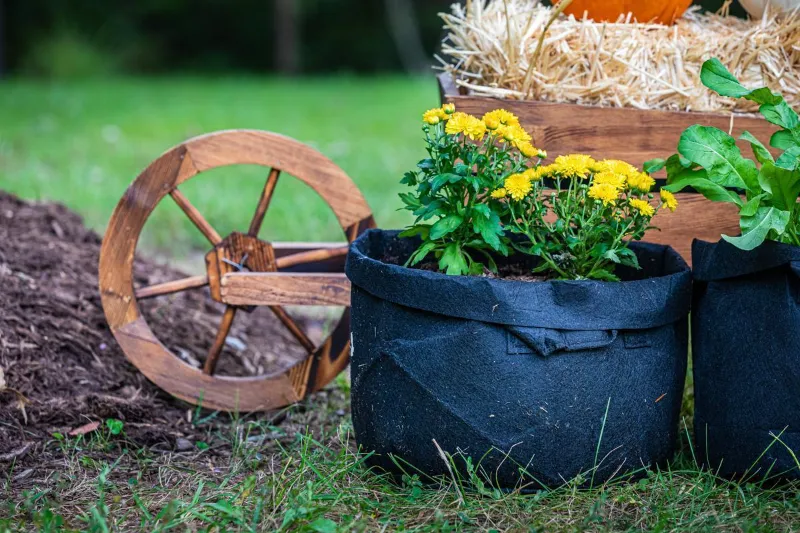
 A Gardzen guide
How to Secure Trellis Netting for Cucumbers and Climbing Vegetables
Securing trellis netting for cucumbers means anchoring it to sturdy vertical supports and maintaining proper tension throughout the growing season.
How to Properly Secure Trellis Netting for Heavy Vines
To secure trellis netting for cucumbers and climbing vegetables, anchor it to rigid vertical posts at both ends, tension it taut, and add horizontal support wires every 18 to 24 inches. You can find the current code on our Gardzen discount code page.
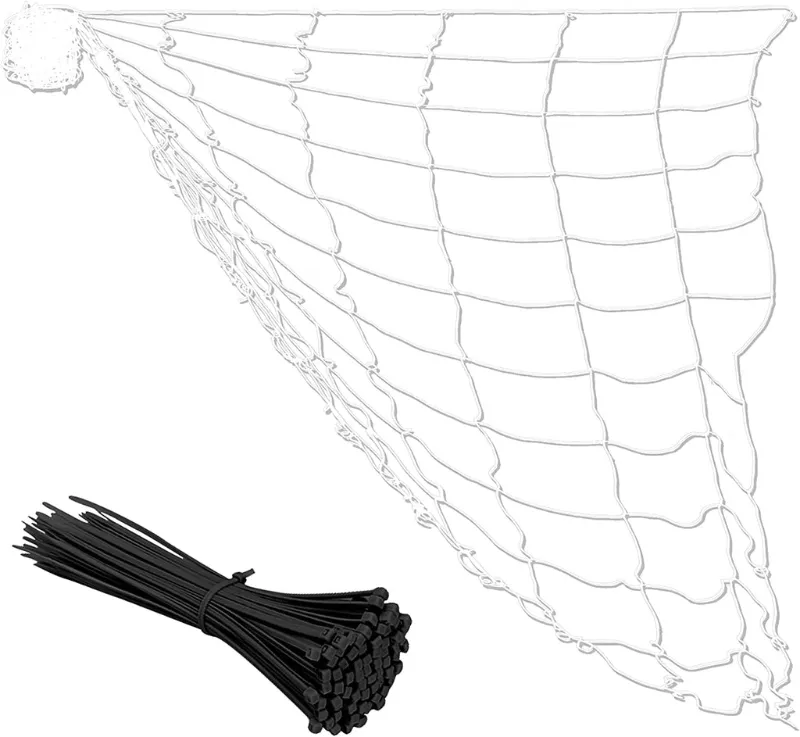
Trellis netting transforms vertical gardening by giving vining crops a stable climbing surface. The Gardzen trellis netting is listed at 5×20 feet with a 6-inch mesh, and it comes with 20 cable ties. Poor installation leads to netting that pulls loose, tangles, or crushes plants as they grow.
Choosing the Right Anchor Points and Supports
Your anchor system determines whether your netting stays upright all season or collapses under crop weight. Here are three setups to choose from, depending on your garden layout.
Fence or wall mounting works when you already have a sturdy structure. Drive screw hooks or staples every 12 inches along the top rail and bottom board, then lace the netting through. This method suits raised beds built against a fence line.
Freestanding T-post frames offer the most flexibility for in-ground rows. Pound 6-foot steel T-posts 18 inches deep at each end of your row, then stretch the netting between them. Add a third center post for runs longer than 10 feet. Set the posts plumb, since a lean creates uneven tension.
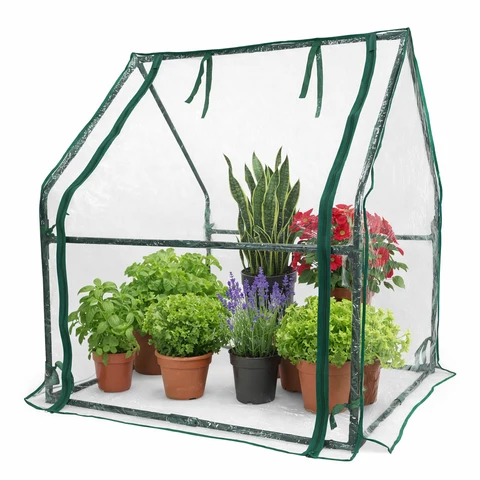
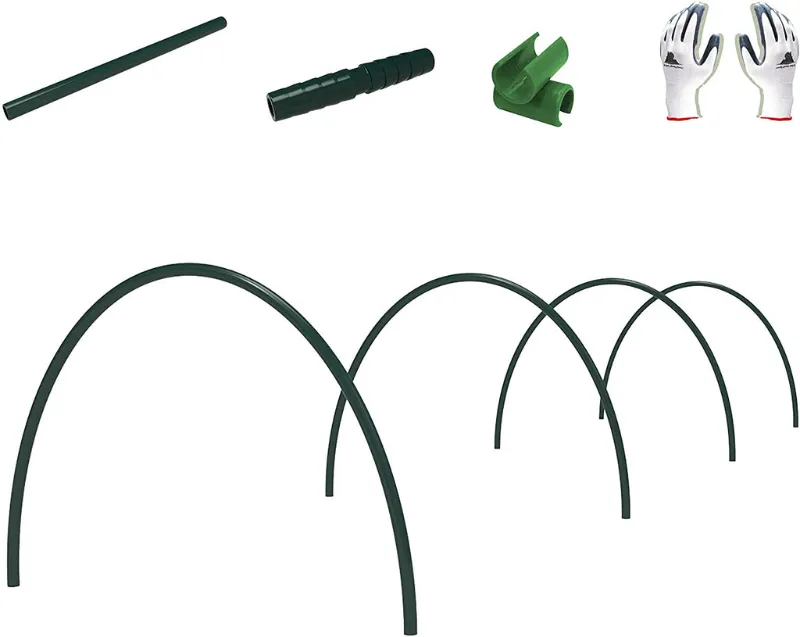
Attached to garden hoops or greenhouse frames lets you combine season extension with vertical support. If you’re already using a portable greenhouse or garden hoops for early-season protection, zip-tie the netting to the hoop framework once your cucumbers outgrow frost risk. This dual-use approach saves space in compact gardens.
Step-by-Step Installation for Maximum Tension
Loose netting sags under crop weight and forces vines to grow horizontally instead of climbing. Follow this sequence for taut, stable installation.
- Set your vertical posts 18 to 24 inches deep, spaced no more than 12 feet apart for heavy-duty trellis netting plastic mesh
- Attach the top edge first using zip ties, wire, or staples every 8 to 10 inches along a horizontal support wire or top rail
- Pull the netting taut from top to bottom before securing the lower edge; pull until the mesh squares are fully open but not distorted
- Secure the bottom edge to a ground-level wire, stake line, or directly to the soil with landscape staples every 12 inches
- Add mid-span horizontal wires on runs taller than 5 feet; thread paracord or wire through the mesh every 18 inches and tie off to the end posts
Securing Edges and Preventing Wind Damage
The edges of your netting take stress from wind, vine weight, and harvest pulling.
Top edge reinforcement matters most. Run a continuous cable, rope, or wire through the top row of mesh squares, then secure it to your posts with turnbuckles or taut-line hitches. This distributes load across the entire top edge instead of concentrating stress at a few tie points.
Side edges need anchoring every 18 to 24 inches down the vertical posts. UV-resistant zip ties are fast, adjustable, and won’t rust like wire. For DIY trellis netting setups, reinforce side edges with a vertical cord woven through the outer column of mesh.
Bottom weight or stakes keep wind from lifting the netting. In windy locations, lay a 2×4 along the bottom edge and screw through the wood into landscape staples, or weave a rope through the bottom mesh squares and tie it to ground anchors every 3 feet.
Material Comparison for Climbing Plants
Not all netting performs equally under the mechanical stress of vigorous cucumber and bean vines.
| Material | Best For | Durability | Reusability |
|---|---|---|---|
| Polypropylene mesh | Cucumbers, peas, light beans | Check the maker’s details | Reusable |
| Nylon cord grid | Tomatoes, squash, heavy crops | Check the maker’s details | Reusable |
| Jute or sisal | Organic growers, annuals | Biodegrades | Compostable |
| Metal wire grid | Permanent structures | Check the maker’s details | Reusable |
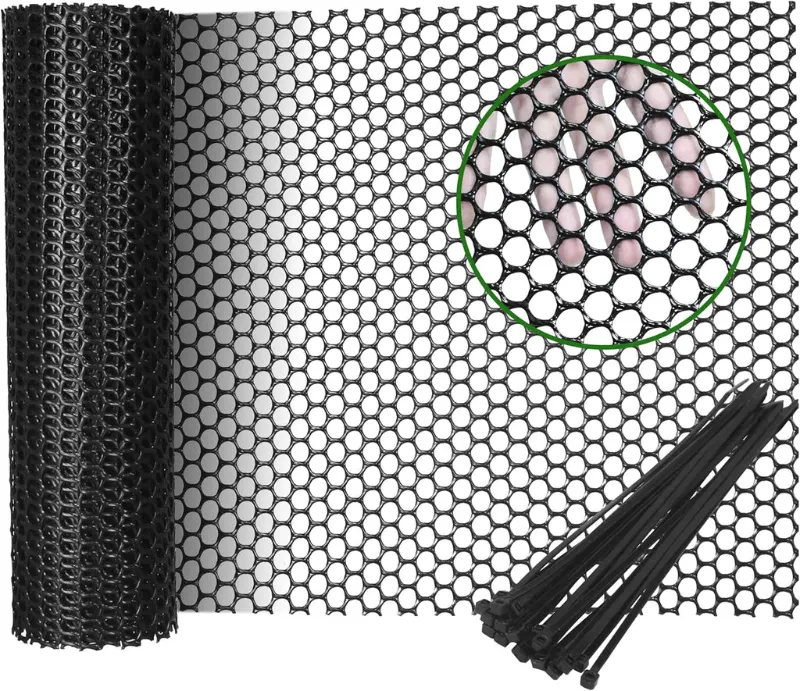
For cucumbers and pole beans, look for a 6-inch square mesh like the Gardzen trellis netting above. The store’s garden net is a different product, a plastic chicken wire mesh. The 6-inch spacing gives tendrils easy access. Smaller mesh works for peas and lightweight greens but tangles when you try to harvest or remove old vines.
For indeterminate tomatoes, look for heavy-duty netting with thicker strands.
Maintenance During the Growing Season
Even well installed netting needs mid-season adjustments as crop weight accumulates.
Retension sagging sections by tightening your horizontal support wires or adjusting turnbuckles at the posts. Adjust any section that sags between supports before vines slip through or fruit touches the ground.
Redistribute vine weight by gently training new growth to unloaded sections of the mesh. Guide later vines to the outer edges so the weight spreads out.
Inspect attachment points after storms or heavy rain. Zip ties can crack under UV exposure, and wire can work loose from wooden posts. Carry spare ties on every garden check and replace any that look brittle or stretched.
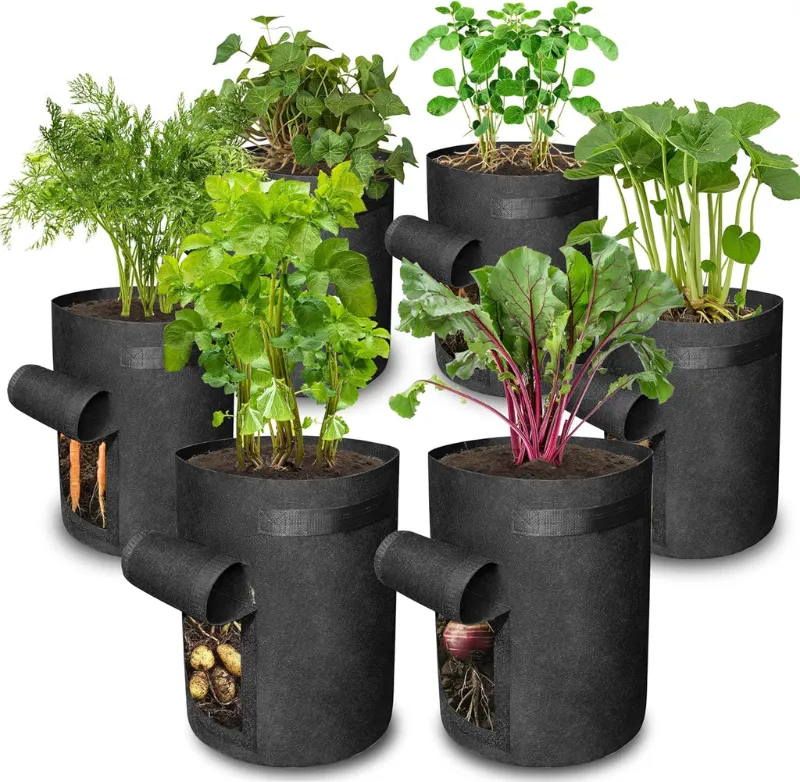
If you’re growing in potato grow bags or containers, remember that the entire planter can tip if your trellis catches wind. Stake the container itself or guy-wire the top of your trellis to prevent tip-over.
Who Should Use Each Method
Beginner gardeners can start with pre-made panels zip-tied to T-posts or an existing fence. This approach requires no tools beyond a post driver.
Intensive growers with long rows should invest in a cable-and-turnbuckle system that lets you dial in tension precisely and readjust as crops load the structure.
Organic and permaculture gardeners can use biodegradable jute netting that composts, eliminating plastic waste and end-of-season takedown labor.
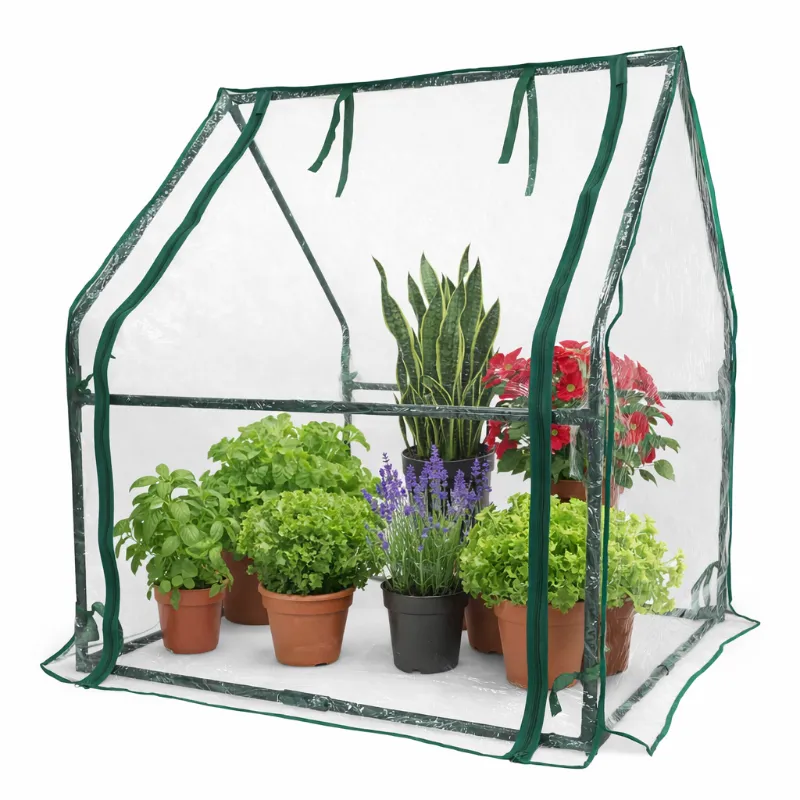
Greenhouse and tunnel growers can attach trellis netting for climbing plants directly to hoop or rafter frameworks, creating a protected vertical layer. This works in a mini greenhouse kit where you’re already controlling temperature and extending the season for heat-loving cucumbers and melons.
The right securing method depends on your crop weight, wind exposure, and whether you want a permanent or seasonal installation. For cucumbers and beans, polypropylene mesh on T-posts pulled taut is a simple start, while tomato and squash growers need heavier materials and closer post spacing. Whichever system you choose, proper tensioning and edge reinforcement guard against mid-season failures.
Questions
How tight should trellis netting be when installed?
Trellis netting should be tight enough that the mesh squares are fully open and flat, with little give when you press the center. Over-tensioning can distort the mesh or pull anchors loose, while loose netting sags under crop weight and prevents proper climbing.
Can I reuse trellis netting from last season?
Yes, if it is still sound. Clean it and store it dry. Inspect it for UV damage, tears, or stretched sections before reinstalling. Jute and natural fiber netting biodegrades and should be composted after each season.
What spacing do I need between support posts for cucumbers?
Space support posts no more than 10 to 12 feet apart for cucumber netting. Wider spans sag under the weight of mature vines and fruit. For heavier crops like indeterminate tomatoes or winter squash, reduce spacing to 8 feet or add a center support post.
Do I need different netting for tomatoes versus cucumbers?
Indeterminate tomatoes get heavy, so look for heavier-duty netting with thicker strands. Standard 6-inch mesh works for pole beans and peas, and the Gardzen trellis netting listing names tomatoes, beans, cucumbers and peas as uses.
How do I stop netting from sagging in the middle of the season?
Add horizontal support wires or cords every 18 to 24 inches up the height of your netting, threaded through the mesh and tied to the end posts. These prevent vertical sagging as crop weight accumulates. Check and retension weekly once fruiting begins.
Can I attach trellis netting to a wooden fence?
Yes, a sturdy wooden fence works as an anchor. Use screw hooks or fence staples every 12 inches along the top rail and bottom board, then lace the netting through. Make sure the fence is sturdy enough to carry the loaded vines without leaning.
Products in this guide
 Shopping at Gardzen? See the discount code
10% OFF Sitewide
More in this series
How Long Do Fabric Grow Bags Last Before They Need Replacing?3 Sep 20263 min When to Remove Faucet Covers in Spring Without Risking Pipe Damage3 Sep 20264 minPotato Grow Bags: Do They Really Increase Yield?3 Sep 20265 min
 Portable Greenhouse vs Pop Up Greenhouse: Which Suits Your Garden?3 Sep 20264 minHow to Protect Outdoor Faucets From Freezing With an Insulated Cover3 Sep 20263 min