 A Gardzen guide
When to Remove Faucet Covers in Spring Without Risking Pipe Damage
Knowing when to safely remove your outside faucet cover in spring protects your pipes from late-season freezes and prepares your outdoor water supply for gardening season.
When to Remove Your Outside Faucet Cover This Spring
You can safely remove an outside faucet cover once nighttime temperatures stay consistently above 32°F (0°C) for at least two weeks and your local frost date has passed. Most regions see this window between mid-March and late April, but microclimates and elevation can shift timing by several weeks. Removing covers too early risks burst pipes from a surprise freeze, while leaving them on too long traps moisture that can corrode valve stems and backflow preventers.
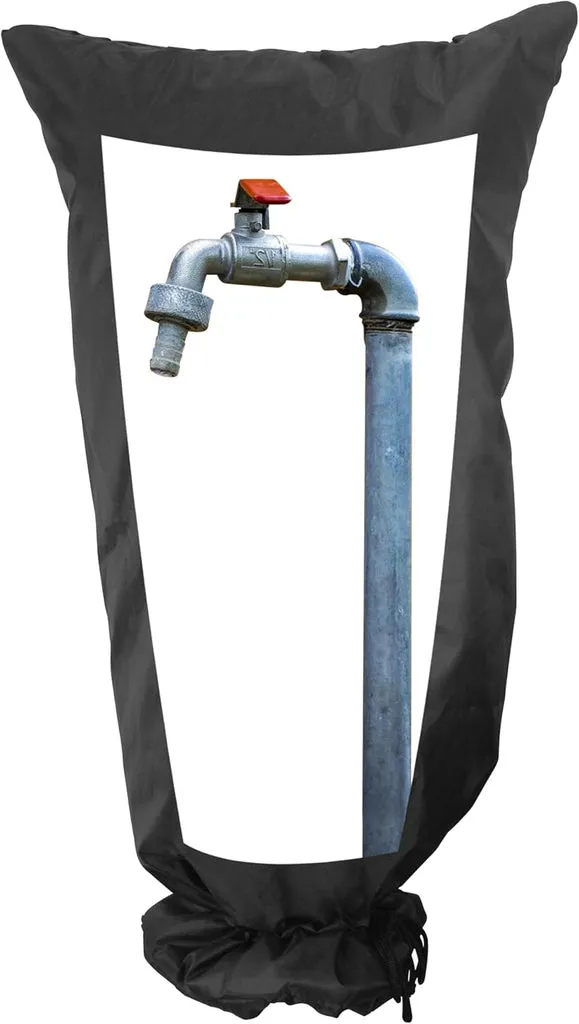
A well-insulated outside faucet cover will guard against brief cold snaps down to 20°F, but no cover can substitute for smart seasonal timing.
Temperature Thresholds and Frost Date Guidelines
The safest removal window depends on three factors: consistent overnight lows, your USDA hardiness zone’s last frost date, and local weather patterns.
Key temperature markers:
- 32°F sustained minimum – Wait until nighttime temperatures hold above freezing for 10 to 14 consecutive days
- Last frost date – Check your county extension office or NOAA data; this date represents a 90% probability that freezing temps have ended
- Daytime highs above 50°F – Soil and exterior walls warm enough to buffer any brief overnight dips
If you’re in zones 6 through 8, mid-April is typically safe. Zones 4 and 5 should wait until late April or early May, while zone 9 and warmer can often remove covers by early March. We recommend checking the 10-day forecast before removal; if a cold front is forecast to dip below 28°F, wait another week.
For current pricing on insulated covers and to grab the discount code, visit our Gardzen store page where you’ll find 10% off sitewide.
Signs It’s Safe to Remove Winter Faucet Covers
Visual and environmental cues help confirm the timing beyond just calendar dates.
Look for these indicators:
- Perennials and bulbs have broken dormancy with 2 to 3 inches of new growth
- Deciduous trees show swelling buds or early leaf-out
- Soil temperature at 4-inch depth reads above 45°F for three consecutive days
- No frost forms on car windshields or grass in the morning
- Local garden centers have moved frost-sensitive annuals outdoors
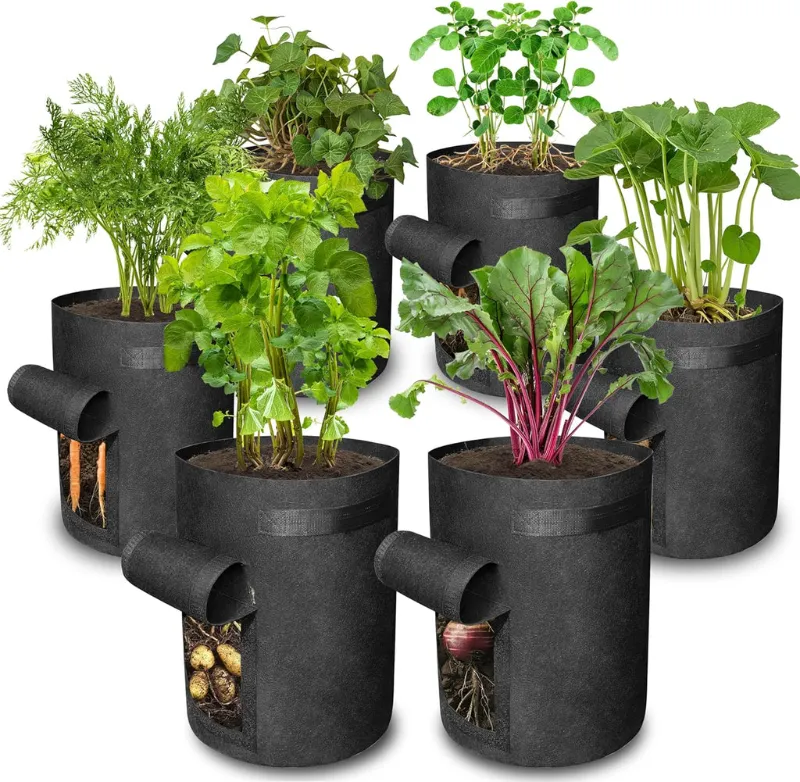
If you’re preparing beds with potato grow bags or setting up a pop up greenhouse, those activities typically align with safe faucet cover removal. The same conditions that protect seedlings also protect outdoor plumbing.
How to Remove and Store Your Faucet Cover Properly
Improper removal or storage shortens cover life and can leave your spigot vulnerable if you need to reinstall during an unexpected freeze.
Step-by-step removal:
- Inspect the spigot – Check for ice, moisture, or mineral buildup around the valve before touching the cover
- Unstrap or unscrew – Loosen drawstrings, Velcro straps, or mounting hardware gently to avoid damaging the faucet body
- Check the gasket – If your exterior faucet cover uses a foam or rubber gasket, inspect for cracks or compression set
- Dry completely – Wipe the interior and exterior with a clean cloth and air-dry for 24 hours before storage
- Store in a cool, dry location – Fold neatly and place in a bin or hang in a garage; UV exposure and moisture degrade insulation over summer
We also clean the spigot itself at removal time, wiping away dirt and checking for leaks when we first turn the water back on. A slow drip now will become a gusher by July.
What Happens If You Remove Covers Too Early
Even a single night below 28°F can freeze standing water inside an outdoor faucet, and the resulting expansion cracks copper, PEX, or galvanized pipe. We’ve documented repair costs ranging from $150 for a simple valve replacement to over $800 when the freeze extends into interior walls.
Risks of premature removal:
- Cracked valve seats – The most common failure mode; you’ll notice a persistent drip even when the handle is fully closed
- Split pipe sections – Usually occurs 6 to 18 inches behind the exterior wall where insulation is minimal
- Damaged backflow preventers – Required by code in many areas, and replacement parts can take weeks to source
- Warranty issues – Some manufacturers void coverage if freeze damage occurs outside the recommended use window
If an unexpected freeze is forecast after you’ve removed your cover, reinstall it immediately or wrap the spigot with towels secured by duct tape as a temporary measure. For long-term protection, an outdoor faucet cover for winter rated to at least 20°F gives you the buffer you need.
Comparing Outside Faucet Cover Types for Next Season
Not all covers offer the same protection, and knowing the differences helps you choose the right option before next fall.
| Cover Type | Temperature Rating | Best For | Typical Price Range |
|---|---|---|---|
| Foam dome | 20°F to 25°F | Standard hose bibs, mild climates | $5 to $12 |
| Insulated pouch | 15°F to 20°F | Freeze-prone zones, outdoor showers | $12 to $25 |
| Hard-shell box | 0°F to 15°F | Exposed locations, extreme cold | $20 to $40 |
The best outside faucet cover for your situation depends on exposure and typical winter lows.
Preparing Your Outdoor Water System for Spring and Summer
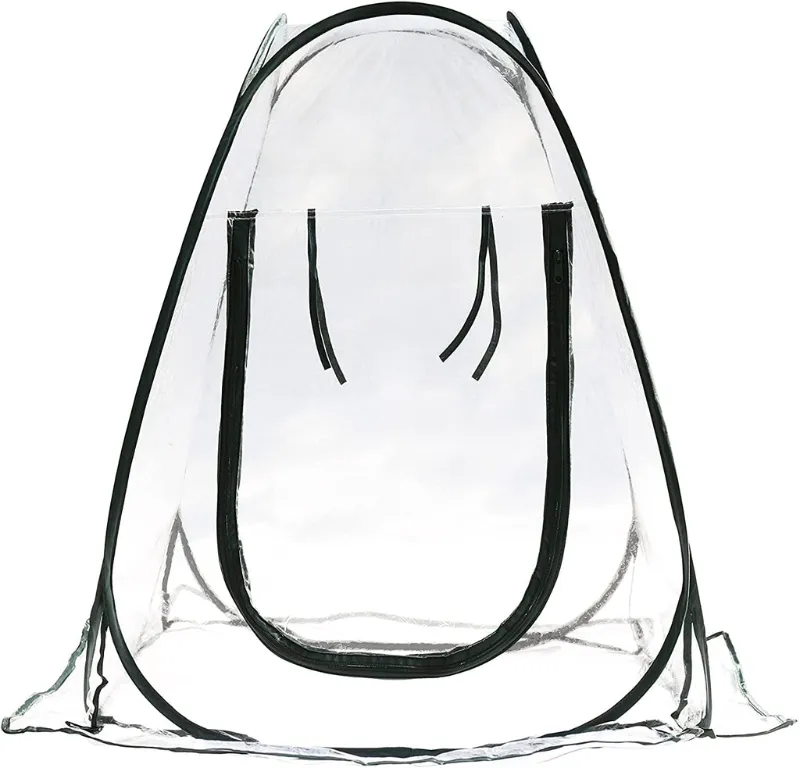
Once covers are off, a few maintenance steps ensure reliable performance through the growing season, especially if you’re running drip lines to a portable greenhouse or filling trellis netting misters.
Spring faucet checklist:
- Turn water on slowly – Open the interior shutoff valve a quarter-turn at a time to avoid pressure surges
- Check for leaks – Inspect the packing nut, valve seat, and any threaded connections
- Replace worn washers – A $2 part now prevents a service call in June
- Flush sediment – Run water for 30 seconds to clear rust and mineral deposits
- Test hose connections – Ensure threads aren’t stripped and gaskets seat properly
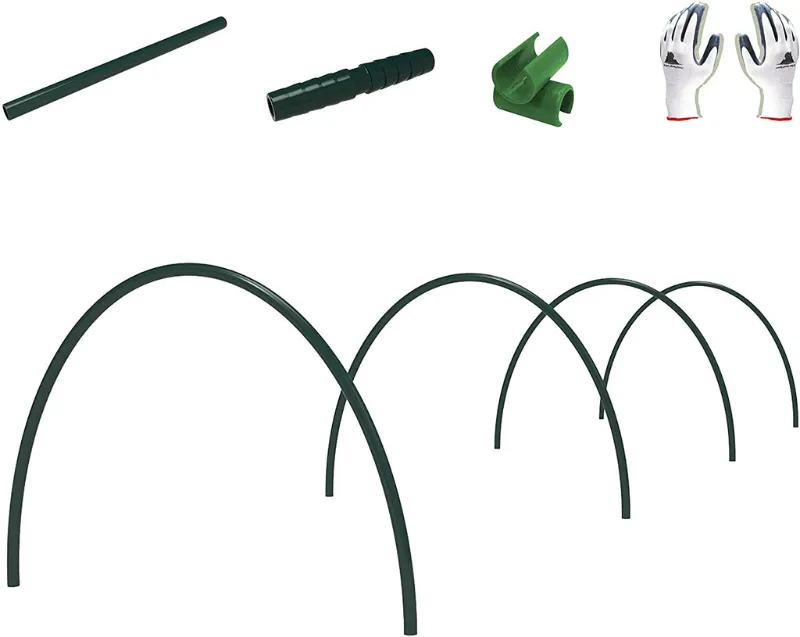
We also use this time to inventory garden supplies. If you’re setting up garden hoops or a mini greenhouse kit for season extension, confirm your hoses reach and your spigot delivers adequate flow. A weak stream often signals a clogged aerator or a half-closed shutoff valve.
Regional Variations and Microclimate Considerations
Standard frost dates provide a baseline, but your specific site conditions can shift safe removal timing by two weeks or more in either direction.
Factors that delay safe removal:
- North-facing walls – These stay 5°F to 10°F colder and hold frost longer
- Elevation above 1,000 feet – Add one week of wait time per 1,000-foot gain
- Open exposure – Wind chill and radiational cooling increase freeze risk
- Clay or wet soils – Slow to warm and extend the frost penetration depth
Factors that advance safe removal:
- South or west-facing walls – Absorb solar heat and moderate overnight lows
- Urban heat islands – Cities run 3°F to 7°F warmer than surrounding rural areas
- Masonry or brick exteriors – Thermal mass buffers temperature swings
- Sheltered alcoves – Protected from wind and radiational heat loss
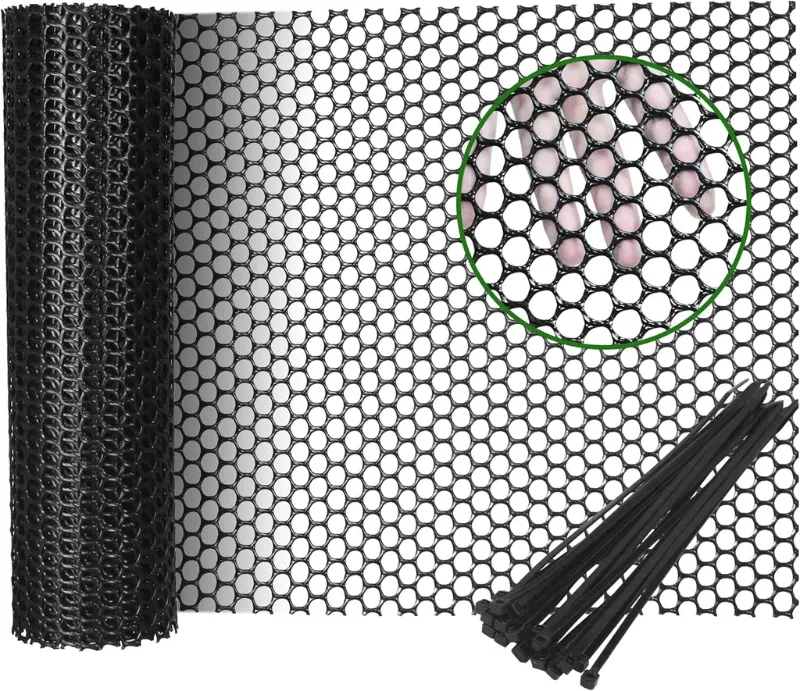
If your property has multiple outdoor faucets, you might remove covers from warm microclimates a week before colder exposures. The same logic applies if you’re deciding when to move a garden net covered bed or a plastic chicken wire enclosure outdoors.
For more guidance on selecting quality covers, The Spruce’s outdoor faucet cover roundup offers detailed reviews and installation tips that complement our seasonal timing advice.
Questions
Can I remove my outside faucet cover if the forecast shows one more freeze?
Wait until the forecast shows no temperatures below 32°F for at least the next 10 days. Even a brief freeze after removal can crack pipes, and reinstalling a cover once removed often leaves gaps that reduce effectiveness.
What temperature rating do I need for a faucet cover in zone 6?
A cover rated to 20°F handles typical zone 6 winters, but if you experience occasional dips to 10°F or below, choose a hard-shell model rated to at least 15°F for added protection.
How do I know if my faucet was damaged by freezing before I removed the cover?
Turn the water on slowly and watch for leaks around the valve stem or handle. A persistent drip even when fully closed, reduced flow, or visible cracks in the spout indicate freeze damage that needs repair before regular use.
Should I remove faucet covers before or after turning the water back on?
Remove the cover first, inspect the spigot for damage, then slowly open the interior shutoff valve. This sequence lets you spot issues before pressurizing the line and gives you a chance to reinstall the cover if a late freeze is forecast.
Can I reuse the same faucet protector for multiple seasons?
Yes, most foam and insulated covers last three to five seasons if you store them dry and out of direct sunlight. Check for cracks, compressed insulation, or damaged straps each fall before reinstalling.
Do I need to remove outdoor faucet covers in warm climates like zone 9?
Even in mild climates, remove covers by early March once overnight lows stay above 35°F. Leaving covers on traps moisture and heat, which can corrode brass fittings and degrade rubber washers over the long spring and summer.
Products in this guide
 Shopping at Gardzen? See the discount code
10% OFF Sitewide
Shopping at Gardzen? See the discount code
10% OFF Sitewide
More in this series
How Long Do Fabric Grow Bags Last Before They Need Replacing?3 Sep 20265 minBest Way to Secure Trellis Netting for Cucumbers and Climbing Vegetables3 Sep 20265 minPotato Grow Bags: Do They Really Increase Yield?3 Sep 20265 minPortable Greenhouse vs Pop Up Greenhouse: Which Suits Your Garden?3 Sep 20265 minHow to Protect Outdoor Faucets From Freezing: Cover Options That Actually Work3 Sep 20266 min