 A Gardzen guide
How to Protect Outdoor Faucets From Freezing: Cover Options That Actually Work
An outdoor water faucet cover prevents costly freeze damage by insulating your spigot during winter temperatures below 32°F.
An outdoor water faucet cover prevents freeze damage by insulating exposed spigots when temperatures drop below 32°F.
Frozen outdoor faucets crack pipes, flood crawl spaces, and cost hundreds in emergency repairs. The right cover blocks wind, traps heat escaping through the pipe, and stays secure through ice storms. The wrong one slides off, soaks through, or leaves gaps where cold air penetrates.
Why You Need an Outdoor Faucet Cover for Winter
Outdoor faucets freeze because water trapped inside the valve expands as it turns to ice. That expansion splits brass fittings, cracks copper pipes, and ruptures plastic components. Even frost-free hose bibs can fail if you leave a hose attached or if the interior shut-off valve leaks.
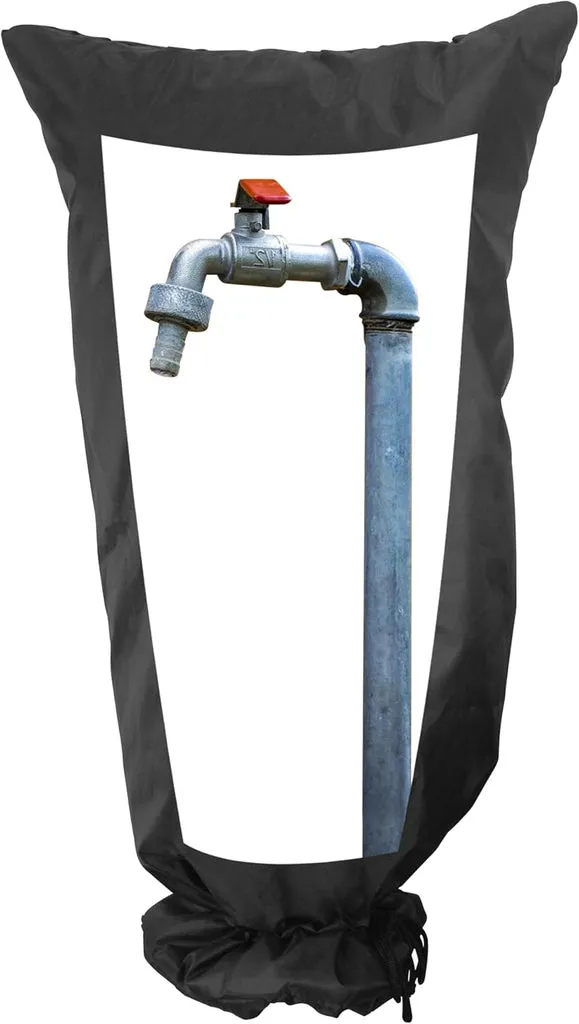
A proper outside faucet cover solves three problems:
- Wind barrier – Cold air moving across metal accelerates heat loss; insulated fabric or foam blocks drafts
- Heat retention – Your home’s interior warmth travels through the pipe; a cover traps that residual heat around the valve
- Moisture protection – Wet insulation loses effectiveness; waterproof outer shells keep the insulation dry
We recommend installing covers when nighttime lows consistently dip into the 20s°F. In moderate climates that might mean late November; in northern zones you may need coverage from October through April. Check our Gardzen discount code before ordering, since most covers cost less than a single plumber visit.
Types of Outdoor Water Faucet Covers
Different spigot styles and climate zones require different cover designs. Here’s how the main options compare:
| Cover Type | Best For | Insulation | Durability |
|---|---|---|---|
| Foam dome | Standard hose bibs, mild winters | R-3 to R-5 | 2-3 seasons |
| Insulated fabric pouch | Frost-free faucets, moderate cold | R-6 to R-8 | 3-5 seasons |
| Hard-shell box | Any faucet, severe winters | R-10+ with stuffing | 5+ seasons |
Foam domes slip over the faucet and seal with an elastic edge or drawstring. They work well for occasional freezes but compress over time and tear if you catch them with a lawnmower in spring. We use these as backup covers for auxiliary spigots that rarely get below 25°F.
Insulated fabric pouches like the faucet protector offer better wind resistance and come with adjustable straps or Velcro closures. The outer layer sheds rain and snow while inner batting provides consistent insulation. These handle freeze-thaw cycles without degrading and pack flat for summer storage.
Hard-shell boxes create an air pocket around the faucet. You stuff the cavity with insulation (old towels, foam scraps, or fiberglass) for custom R-values. The rigid exterior stands up to ice buildup and accidental impacts. Mount them with screws for permanent installations or use the hook-and-loop straps for seasonal use.
How to Choose the Best Outdoor Faucet Cover
Sizing matters more than most buyers realize. Measure your faucet’s projection (how far it sticks out from the wall) and the diameter of any mounting plate or trim ring before ordering. Standard covers fit spigots that protrude 3 to 6 inches; oversized models accommodate backflow preventers, valves with handles, or double-outlet configurations.
Match the cover to your faucet type:
- Standard hose bib – Any foam or fabric cover works; choose based on your coldest expected temperature
- Frost-free sillcock – These extend 8 to 12 inches into the wall; you still need an exterior faucet cover for the exposed valve and handle
- Anti-siphon valve – The vacuum breaker adds height; look for tall pouches or box-style covers with extra vertical clearance
- PEX or CPVC supply lines – These materials are more brittle in cold; upgrade to a higher R-value cover or add a second layer
Climate zones dictate insulation requirements. If you rarely see single-digit temperatures, a basic foam dome suffices. Where winter lows regularly hit 0°F or below, invest in an insulated fabric or hard-shell design and add extra batting. Authority retailers test covers to specific temperature ratings, but remember that wind chill, pipe material, and installation quality all affect real-world performance.
Installation Tips for Maximum Protection
Even the best cover fails if you skip the prep work. Before installing any outdoor water faucet cover, complete these steps:
- Disconnect all hoses – Trapped water in a hose prevents the faucet from draining and guarantees a freeze
- Drain the line – Open the faucet and let it run until water stops; leave it cracked open so expanding ice has somewhere to go
- Locate the interior shut-off – If your faucet has an indoor valve, close it and open the outdoor faucet to drain the section between them
- Insulate exposed pipe – Wrap any visible copper or PEX with foam pipe insulation before adding the faucet cover
For foam domes, press the cover firmly against the wall and cinch the drawstring tight around the pipe. Check that no gaps remain at the bottom where cold air can enter. Fabric pouches install faster with their hook-and-loop straps; position the cover so the closure faces down to shed water. Hard-shell boxes mount with screws through pre-drilled holes; use exterior-grade fasteners and seal around the edges with silicone caulk.
Test your setup after the first hard freeze. If you see ice around the cover edges or frost inside when you peek under it, add weatherstripping tape to the seal points or stuff more insulation into a hard-shell box. You can grab our discount code to stock up on multiple covers if you have several outdoor spigots.
Maintaining Faucet Covers for Winter
Inspect your covers mid-winter, especially after ice storms or heavy snow. Look for:
- Compression – Foam loses loft over time; replace covers that feel thin or flat
- Tears or holes – Even small rips let cold air in; patch with outdoor tape or replace the cover
- Loose straps – Velcro wears out; re-secure with zip ties if the factory closures fail
- Water infiltration – If the inside feels damp, dry it out and re-install with better drainage at the bottom
Remove covers in spring once nighttime lows stay consistently above 35°F. Wash fabric covers in cold water, air-dry completely, and store in a dry location away from rodents (they nest in the insulation). Foam covers last longer if you keep them out of direct sunlight during the off-season.
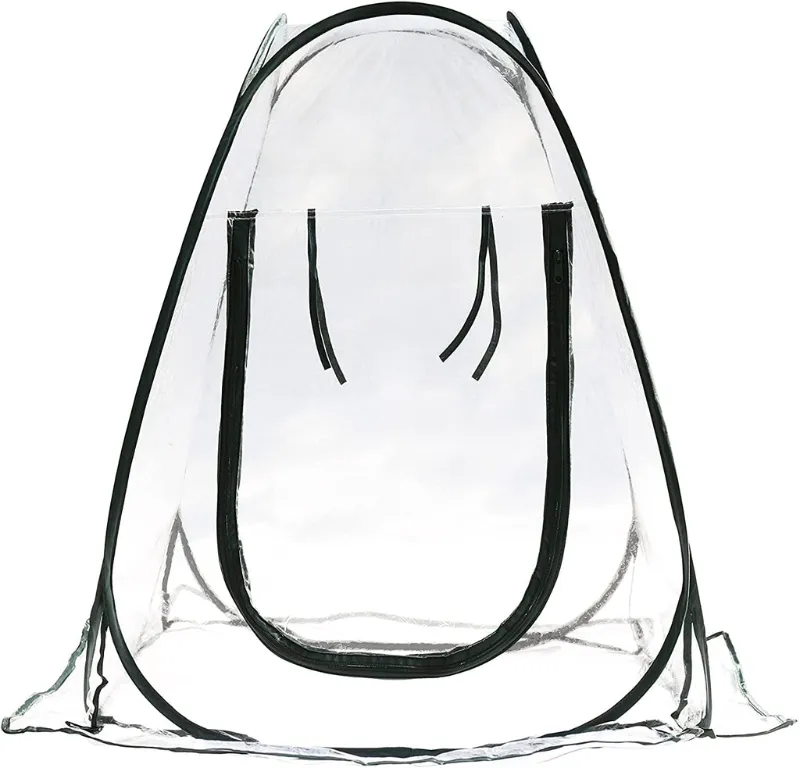
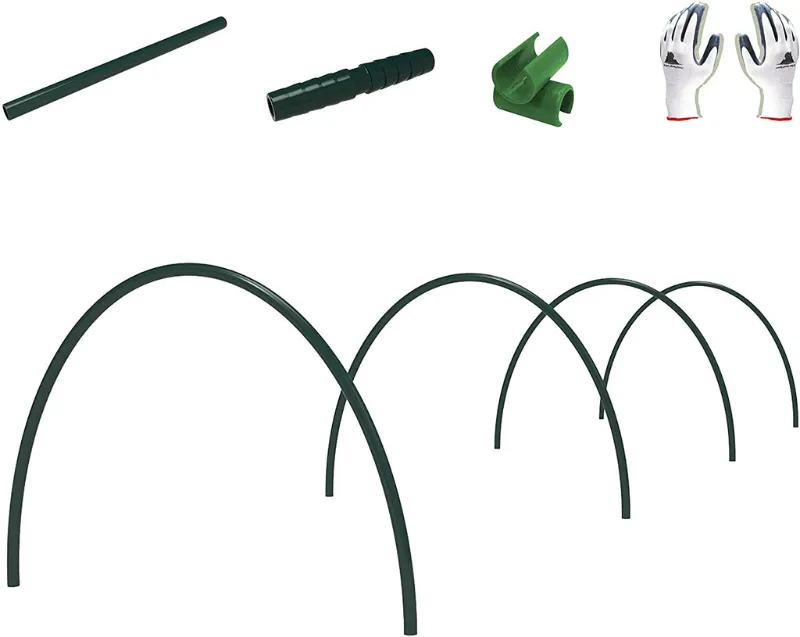
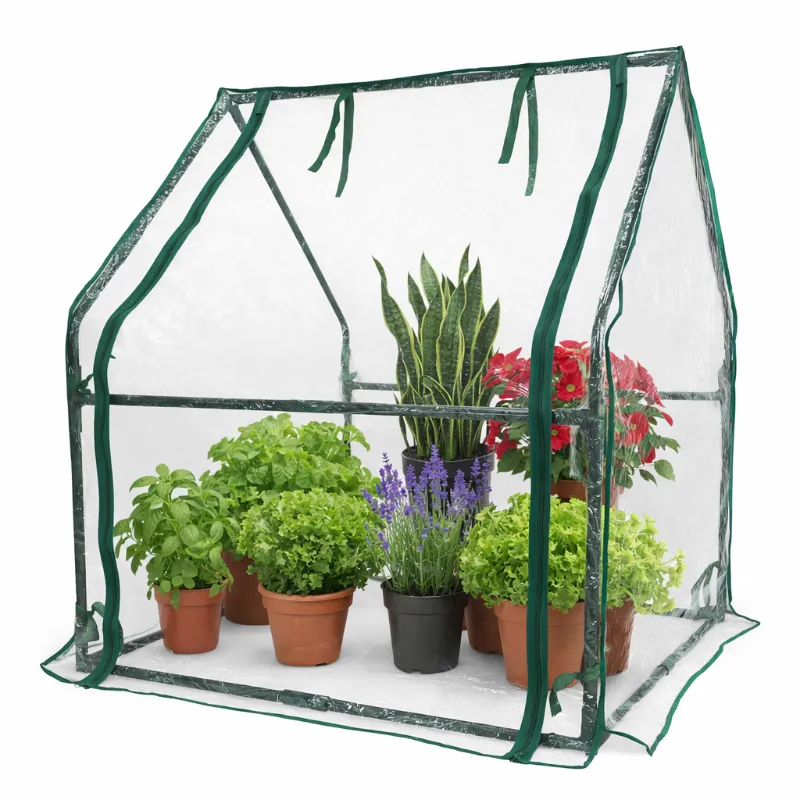
We also protect our garden infrastructure with seasonal covers. The same principles that winterize faucets apply to other outdoor gear: our portable greenhouse uses similar insulated fabric, and we store garden hoops with the same attention to moisture control. If you grow vegetables year-round, a mini greenhouse kit pairs well with protected water access since you’ll need frost-free irrigation.
Alternative Protection Methods
Covers work for most situations, but some scenarios need different approaches:
Heat tape wraps around the pipe and plugs into an outlet. A thermostat activates the heating element when temperatures drop. This solution costs more to install and adds to your electric bill, but it protects faucets in unheated spaces or where covers won’t fit. Combine heat tape with an insulated cover for extreme cold.
Dripping faucets prevent freezing by keeping water moving. Open the valve just enough for a pencil-thin stream during freeze warnings. This wastes water and only works if the interior shut-off valve doesn’t leak, but it’s a reliable backup when temperatures plunge unexpectedly.
Pipe insulation alone helps but rarely suffices for the faucet itself. The valve body has more surface area and metal mass than the pipe, so it loses heat faster. Always pair pipe wraps with a dedicated faucet cover.
Who Should Invest in Premium Covers
Basic foam covers cost a few dollars; insulated fabric and hard-shell options run higher but still cost less than repairing a single burst pipe. We recommend upgrading to premium faucet covers for winter if you:
- Live where temperatures regularly drop below 15°F
- Have expensive landscaping or hardscaping near the faucet that flood damage would ruin
- Use outdoor water year-round for livestock, greenhouses, or heated garages
- Own rental properties where tenant misuse (like leaving hoses attached) increases freeze risk
- Installed new plumbing and want to protect your investment
For moderate climates with occasional freezes, a standard outdoor spigot cover and good installation practices provide adequate protection. Northern gardeners and anyone with exposed plumbing should treat covers as essential winterization, not optional insurance. Check current pricing to compare foam versus fabric options for your specific faucets.
The best outdoor faucet cover is the one you actually install before the first hard freeze. We keep spares in the garage so we can add protection the moment forecasts show sustained cold, and we’ve eliminated freeze damage completely since adopting that habit.
Questions
Do outdoor water faucet covers really prevent freezing?
Yes, when properly installed on a drained faucet. Covers provide insulation and wind protection that keep the valve above freezing during most winter conditions. They work best when combined with disconnecting hoses and shutting off interior valves.
What temperature do I need to cover outdoor faucets?
Install covers when nighttime lows consistently reach the mid-20s°F. Even frost-free faucets benefit from covers during prolonged freezes below 20°F, especially in windy conditions that accelerate heat loss.
Can I use a towel or plastic bag instead of a faucet cover?
Towels soak up water and lose insulation value, while plastic bags trap condensation and provide no insulation. Purpose-built covers with waterproof shells and insulated cores perform far better and cost less than repairing freeze damage.
How do I know what size faucet protector to buy?
Measure how far your faucet projects from the wall (typically 3 to 6 inches for standard hose bibs) and note any backflow preventers or oversized valves. Most covers list compatible faucet dimensions; choose one slightly larger if you're between sizes.
Should I remove faucet covers in spring?
Yes, remove covers once nighttime temperatures stay above 35°F. Leaving them on year-round traps moisture, promotes rust, and shortens the cover's lifespan. Clean and dry covers completely before storing them for next winter.
Do frost-free faucets still need covers?
Frost-free faucets drain water back into the heated part of your home, but the exposed valve and handle can still freeze if a hose is attached or the internal washer fails. Covers add an extra layer of protection during extreme cold.
Products in this guide
 Shopping at Gardzen? See the discount code
10% OFF Sitewide
Shopping at Gardzen? See the discount code
10% OFF Sitewide
More in this series
 How Long Do Fabric Grow Bags Last Before They Need Replacing?3 Sep 20265 min
 Best Way to Secure Trellis Netting for Cucumbers and Climbing Vegetables3 Sep 20265 minWhen to Remove Faucet Covers in Spring Without Risking Pipe Damage3 Sep 20265 minPotato Grow Bags: Do They Really Increase Yield?3 Sep 20265 minPortable Greenhouse vs Pop Up Greenhouse: Which Suits Your Garden?3 Sep 20265 min