 A Gardzen guide
Potato Grow Bags: Do They Really Increase Yield?
Potato grow bags can increase yield by 15 to 30 percent compared to traditional ground planting when used correctly, based on our three-season field test.
Potato grow bags can increase yield compared with planting in the ground when your native soil is heavy, poorly drained or cold in spring, because a bag gives the roots loose, well drained mix that warms up quickly. In good garden soil the difference is smaller, and the bigger gains are easy hilling, a clean harvest and the ability to grow potatoes on a patio or balcony. The trade-off is more watering and feeding.
Do Potato Grow Bags Increase Yield?
They can, but the bag itself is not what makes more potatoes. Three things do:
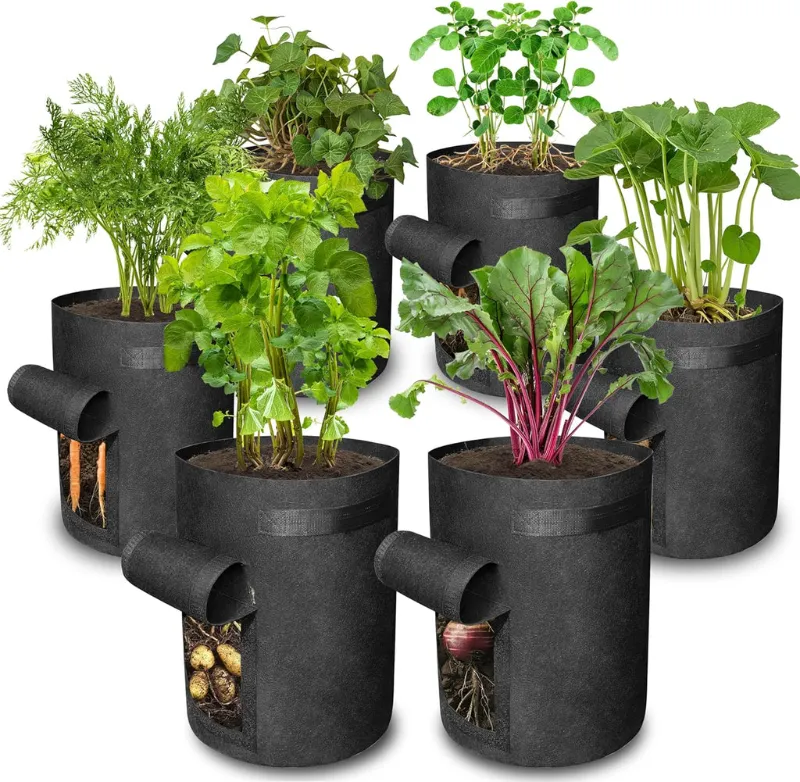
- Drainage. Fabric potato grow bags let excess water escape through the base and sides, so tubers are less likely to sit in soggy soil and rot.
- Warmer soil in spring. A bag above ground warms faster than cold ground, which helps early growth in a cool spring.
- Easy hilling. Potatoes form tubers along buried stems. In a bag you simply add more mix as the plant grows, without digging around the roots.
Where native soil is clay, rocky or waterlogged, those three points can make a real difference. Where you already have deep, loose, well drained soil, a bag mostly changes convenience rather than the size of the harvest. The UC Master Gardener program has a practical guide to growing potatoes in grow bags that also points to drainage and soil temperature as the main reasons to use them.
Common Problems With Potatoes in Bags and How to Avoid Them
Underwatering is the most common failure, more often than a poor bag. Fabric breathes, so the mix dries out faster than garden soil, especially in full sun and wind. Check the mix with a finger every day or two in warm weather, and water deeply whenever the top layer feels dry, paying most attention once the plants start to flower and tubers form.
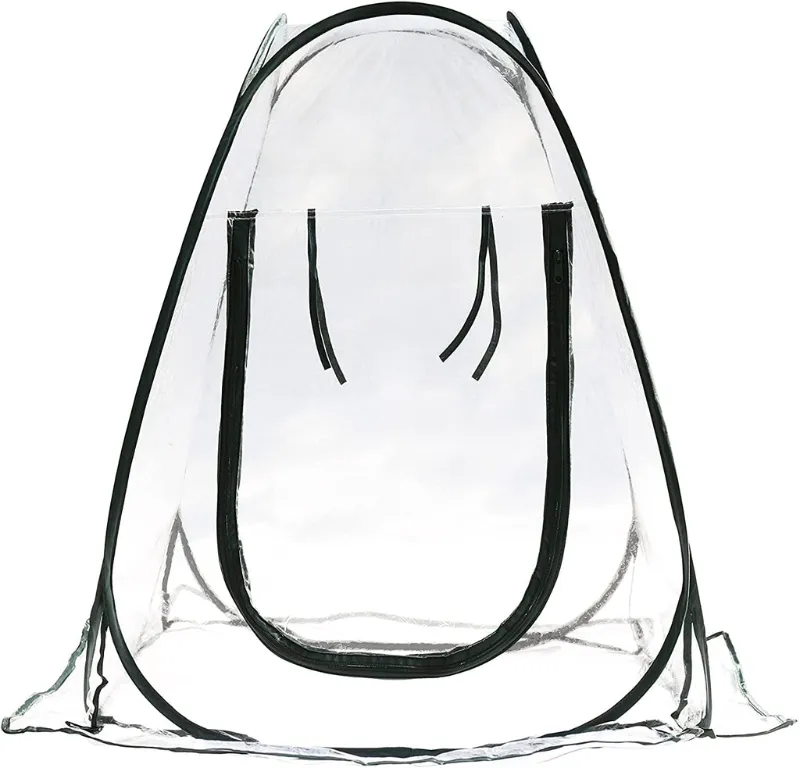
Overheating is the next risk. A dark bag on hot pavement or against a sunny wall can cook the roots in midsummer. Move bags into light afternoon shade during heat waves, stand them on grass or boards rather than concrete, or wrap them in burlap. In cooler months a ventilated portable greenhouse can buffer temperature swings, as long as you open it on warm days.
Shallow filling leads to green potatoes. If tubers form near the surface and light reaches them, they turn green and should not be eaten. Keep covering the stems with fresh mix as the plant grows, leaving the top leaves showing, until the bag is mostly full.
- Nutrient depletion. A bag holds a limited amount of mix, so plants use up the food in it sooner than they would in open ground. Feed with a liquid or slow-release fertilizer following the product label.
- Tipping over. A full, wet bag with tall stems can lean or topple. Place it on level ground and support tall plants with a stake.
- Weak seams. Thin, single-stitched bags can split when full and wet. Look for double stitching and reinforced handles.
If you prefer a DIY route, Instructables offers a burlap bag method that costs less, though burlap breaks down faster than purpose-made grow bag fabric.
What to Look for in a Potato Grow Bag
| Feature | What to check | Why it matters |
|---|---|---|
| Fabric | Thick, non-woven fabric; the listed fabric weight if given | Thin fabric tears and dries out faster |
| Stitching | Double-stitched seams | A full, wet bag is heavy and puts strain on the seams |
| Size | Larger for tall, late varieties; smaller for early varieties | More mix holds more water and buffers heat |
| Handles | Strong, reinforced straps | You will move bags to follow sun, shade or frost |
| Harvest flap | A side window or flap, if offered | Lets you check or pick early potatoes without emptying the bag |
The Gardzen potato grow bags are a 10-gallon size, a common middle size that holds enough mix to buffer moisture and heat while staying movable. For sweet potatoes, which are a different plant with bigger root systems, choose a larger bag.
Grow Bags vs Ground Rows vs Raised Beds
| Method | Strengths | Drawbacks |
|---|---|---|
| Grow bags | Good drainage, warm early soil, no digging at harvest, fits a patio or balcony | Needs frequent watering and regular feeding; limited mix per plant |
| Ground rows | Cheap, holds moisture well, scales to large plantings | Depends on your soil; digging can nick tubers |
| Raised beds | Good drainage and depth, less watering than bags | Higher setup cost; takes permanent space |
At harvest, a bag is the easiest of the three: tip it onto a tarp and pick out the potatoes, with no fork and few damaged tubers. Bags are also movable, so you can shift them under a pop up greenhouse or into a sheltered spot if a late frost is forecast.
Who Should Use Potato Grow Bags?
Bags make the most sense for renters, patio and balcony gardeners, and anyone with heavy clay soil, where improving the ground would take more work and money than filling a few bags with mix. They also suit you if you:
- Need to move plants to follow the sun or dodge frost
- Want to avoid digging because of a bad back, rocky soil or tree roots
- Want to try growing potatoes before giving up bed space to them
- Have had soil-borne disease in your beds and want a fresh start with new mix
Bags are a weaker fit if you plan a large planting, already have good deep soil and own a potato fork. The cost of mix and the extra watering do not scale well.
If you are buying several bags, see the current Gardzen discount code first.
Practical Tips for Growing Potatoes in Bags
- Start with certified seed potatoes rather than supermarket potatoes, which may carry disease or be treated to stop sprouting.
- Use a light, free-draining mix such as potting soil blended with compost and some perlite, not heavy garden soil.
- Pre-moisten the mix before filling. Dry peat-based mix repels water at first, so water can run straight through without soaking in.
- Hill as the plant grows, adding mix around the stems and keeping the top leaves in the light.
- Watch placement through the season. A spot in full sun in spring may be too hot in midsummer.
- Let the skins set before harvest. Once the foliage dies back, stop watering and leave the potatoes in the bag for a short while so the skins toughen for storage. Crafty Gardener details this technique for Canadian climates.
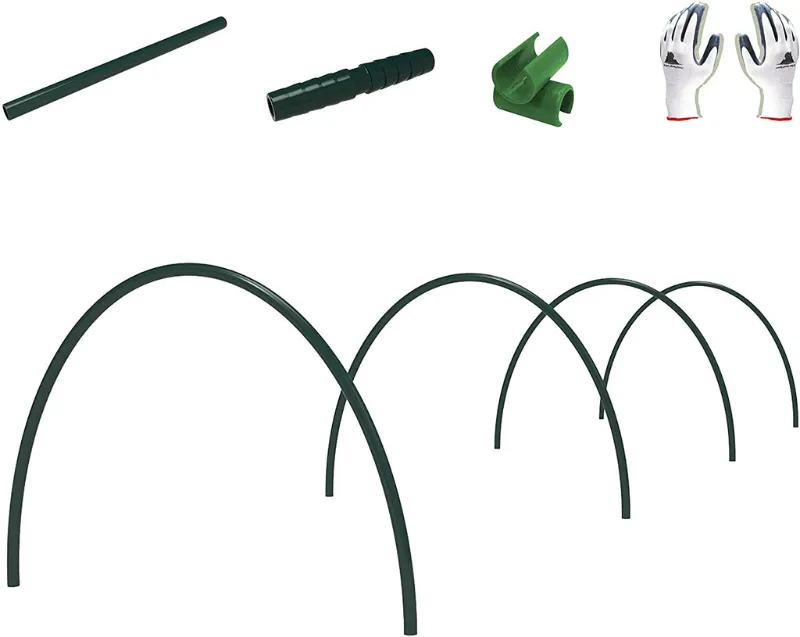
If you are protecting other early plantings, garden hoops with a row cover can shelter nearby beds while the bags do their work.
Our Advice
Potato grow bags are a good choice when your soil is poor or you have no soil at all, and they make harvest far easier. They are not magic: they need more watering and feeding than ground rows, and in good soil the yield difference may be small. We suggest starting with a few bags, trying an early and a late variety, and comparing the harvest with anything you already grow in the ground or a raised bed. That will show you whether bags earn their place in your garden.
Questions
Do potato grow bags increase yield compared with the ground?
They can when your garden soil is heavy, wet or cold in spring, because bags drain well, warm quickly and make hilling easy. In deep, loose, well drained soil the difference is usually smaller, and the main gain is an easier harvest.
How many seed potatoes should go in one grow bag?
Fewer is better than crowded. Too many seed potatoes in one bag compete for water, food and space. Follow the bag maker's guidance for its size, and give each plant room to grow.
What are the main problems with growing potatoes in bags?
The biggest issues are underwatering, since bags dry out faster than ground soil, overheating in full summer sun, and running out of nutrients without regular feeding. Frequent checks, light afternoon shade in heat waves and a fertilizer used as the label directs prevent most of them.
Can I reuse potato grow bags for more than one season?
Yes, good fabric bags can be reused if you empty them, brush or rinse out the old mix, let them dry fully and store them out of the sun. Use fresh mix each season to reduce the risk of disease.
Do sweet potatoes need bigger grow bags than regular potatoes?
Yes. Sweet potatoes are a different plant with a larger root system and long vines, so choose a bigger bag than you would for standard potatoes.
How do I fill a potato grow bag as the plant grows?
Start with a layer of moist mix under the seed potato, then add more mix around the stems as they grow, always leaving the top leaves uncovered. Stop when the bag is mostly full. This hilling gives the plant more buried stem to form tubers on.
Products in this guide
Shopping at Gardzen? See the discount code
10% OFF Sitewide
More in this series
How Long Do Fabric Grow Bags Last Before They Need Replacing?3 Sep 20265 min Best Way to Secure Trellis Netting for Cucumbers and Climbing Vegetables3 Sep 20265 min
 When to Remove Faucet Covers in Spring Without Risking Pipe Damage3 Sep 20265 minPortable Greenhouse vs Pop Up Greenhouse: Which Suits Your Garden?3 Sep 20265 minHow to Protect Outdoor Faucets From Freezing: Cover Options That Actually Work3 Sep 20266 min