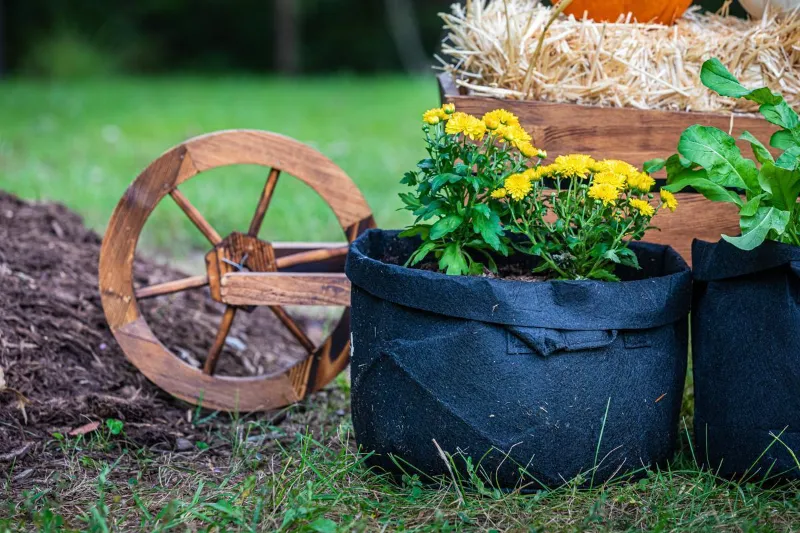
 A Gardzen guide
How Long Do Fabric Grow Bags Last Before They Need Replacing?
Potato grow bags typically last 3 to 5 seasons with proper care, though their lifespan depends on material quality, UV exposure, and storage habits.
Potato grow bags typically last 3 to 5 growing seasons with proper care, though premium options can push 7 seasons or more. The lifespan depends on fabric thickness, UV resistance, how you store them between seasons, and whether you’re dealing with problems with growing potatoes in bags like root rot or overfilling that stresses the seams.
Here’s what actually determines when you’ll need replacements and how to stretch every season out of your investment.
What Affects How Long Potato Grow Bags Last
Not all grow bags are built the same. A flimsy single-layer felt bag will degrade faster than a reinforced nonwoven polypropylene option, especially under constant moisture and sun exposure.
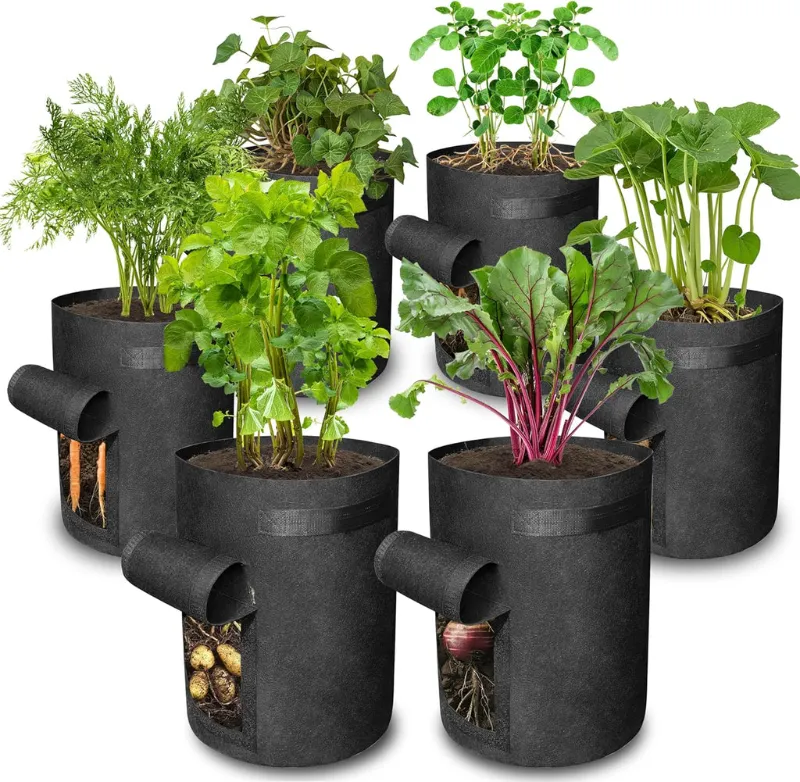
Material thickness is the biggest predictor. We look for fabric weight between 260 and 400 GSM (grams per square meter). Anything under 200 GSM tends to tear at the handles or seams by season two. Our potato grow bags feature reinforced stitching and thicker fabric that holds up to repeated wet-dry cycles without separating.
UV stabilization matters more than most gardeners realize. Untreated polypropylene breaks down under sunlight, becoming brittle and prone to cracking. Quality bags include UV inhibitors that slow photodegradation. If your bags sit in full sun all season, expect a 30 to 40 percent shorter lifespan without UV treatment.
Storage habits between seasons can double your bags’ life. Leaving them outside through winter freeze-thaw cycles accelerates fabric breakdown. We empty, rinse, dry completely, and store ours in a shed or garage. Damp storage invites mildew that weakens fibers.
What you grow also plays a role. Potatoes and sweet potato grow bags see more wear because you’re digging through soil to harvest, often scraping the fabric. Tomatoes or peppers in the same bags last longer since you’re only watering and pruning from the top.
Signs It’s Time to Replace Your Grow Bags
Knowing when to retire a bag saves you from mid-season failures that stress plants and waste soil. Here’s what we watch for:
- Visible tears or holes larger than a quarter, especially near the base where water pressure is highest
- Separated seams at the handles or side panels that leak soil when you lift the bag
- Fabric that feels papery or crumbles when you pinch it, a sign UV damage has gone too far
- Persistent mildew or mold that won’t wash out, which can harbor root diseases
- Handles that pull away from the bag body under a normal load of damp soil
- Loss of shape where the bag no longer holds its form when filled, causing poor drainage
Small punctures from garden tools or rodents can be patched with outdoor fabric repair tape for another season or two. But once structural integrity is compromised, even a patched bag won’t drain or aerate properly.
According to UC Master Gardener research on growing potatoes in grow bags, proper drainage is critical to prevent tuber rot, so a bag with failing seams defeats the core benefit of fabric planters.
How to Extend the Life of Your Best Potato Grow Bags
We’ve pushed bags well past their expected lifespan with these practices, and none require special tools or effort.
Rotate crops between bags each season. Potatoes are heavy feeders that compact soil and stress fabric more than lighter crops. Alternate with tomatoes, peppers, or herbs to give the material a break. This also helps manage soil-borne diseases.
Clean between seasons but don’t overdo it. We shake out old soil, rinse with a hose, and let bags air-dry completely in the shade. Avoid pressure washers or harsh detergents that degrade fabric coatings. A light scrub with a soft brush removes most residue.
Store out of sunlight when not in use. Even UV-stabilized fabric degrades faster under continuous exposure. We fold ours flat and stack them in plastic bins or hang them in a dark garage. This single habit has added 2 to 3 seasons to our oldest bags.
Don’t overfill past the recommended soil line. Overstuffed bags stress seams and handles, and the extra weight makes drainage ports less effective. For potatoes, fill about two-thirds full initially and hill up as plants grow, as outlined in this guide to growing potatoes in bags.
Elevate off concrete or stone to prevent abrasion on the bottom. We use wood pallets, bricks, or plant caddies. This also improves airflow under the bag, reducing moisture buildup that can weaken fabric over time.
If you’re shopping for replacements or starting fresh, check the latest pricing with our Gardzen discount code for 10% off sitewide.
Comparing Grow Bag Lifespan by Material and Price
Not every gardener needs a 7-season bag.
We recommend starting with mid-weight nonwoven bags unless you’re planning a large permanent setup. The performance gap between cheap and mid-tier is huge; the gap between mid-tier and premium is smaller for most gardeners.
DIY potato grow bags made from burlap or repurposed feed sacks usually last 1 to 2 seasons before rotting, though they’re a great low-cost experiment if you’re testing varieties or limited on space. For step-by-step instructions, this Instructables guide on potato grow bags walks through the process.
Other Gardzen Products That Pair Well with Grow Bags
If you’re investing in quality fabric planters, a few companion products make the season easier and protect your setup year-round.
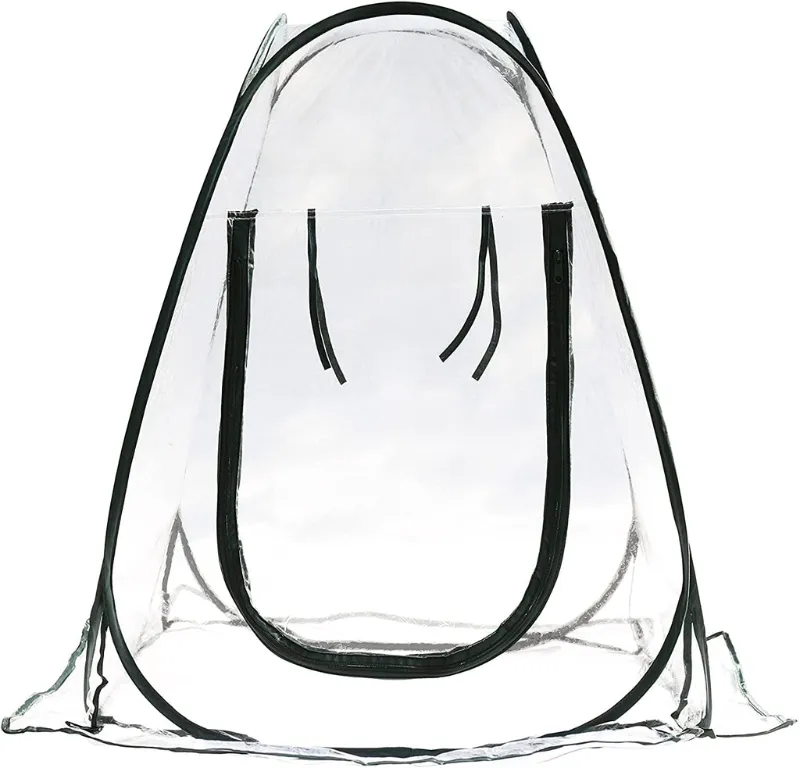
A portable greenhouse or pop up greenhouse extends your potato growing window by 4 to 6 weeks on each end, letting you start tubers earlier in spring and harvest later into fall. We wheel our grow bags inside during unexpected frosts, which also shields the bags themselves from freeze damage.
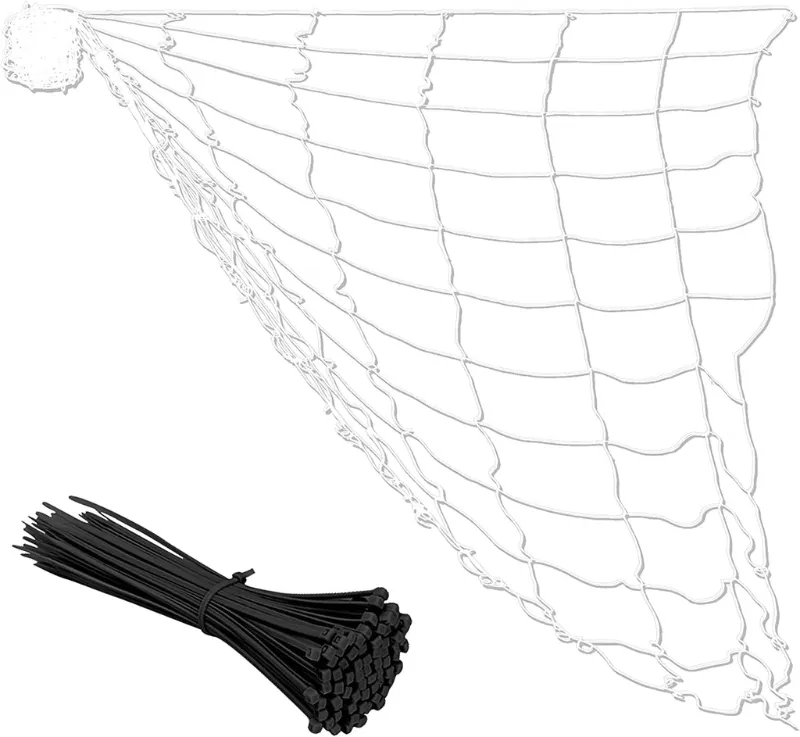
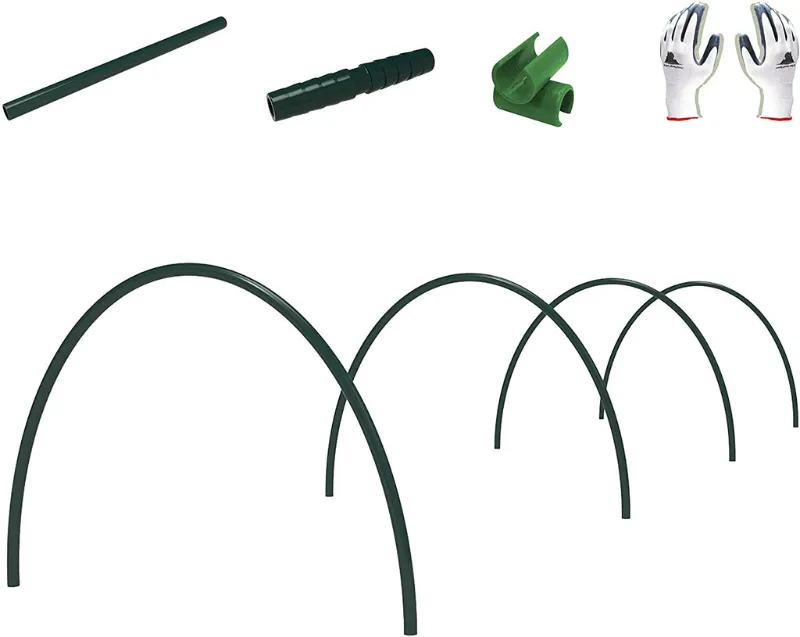
Trellis netting and garden hoops support determinate potato varieties and give bags structure if they start to sag mid-season. The hoops also convert bags into mini hoop houses for season extension without moving them.
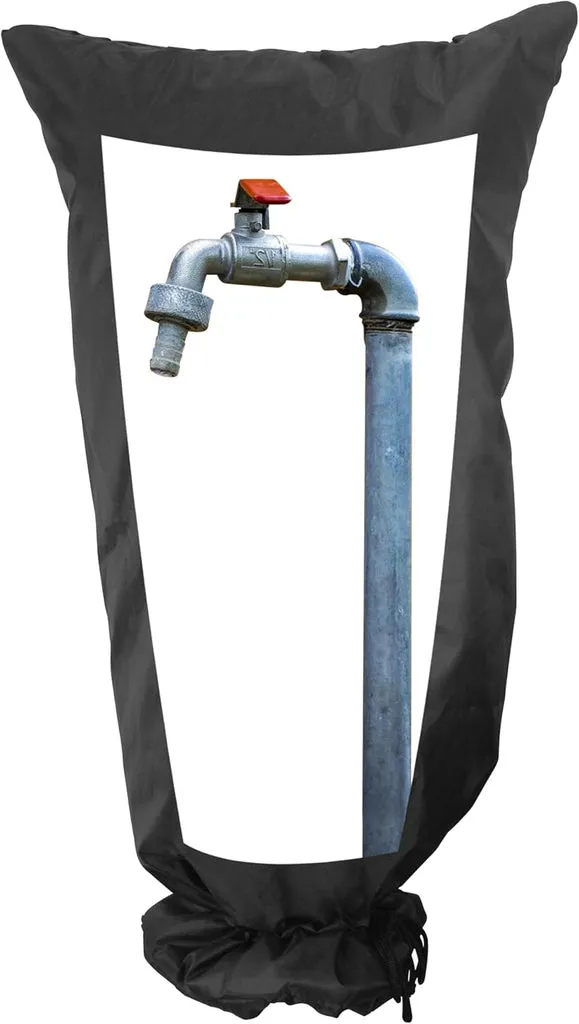
For growers in cold zones, outside faucet covers and faucet protectors prevent burst pipes during winter, so your irrigation setup is ready when you plant again in spring. We store our bags near the hose bib, and protecting that line has saved us from costly repairs.
When to Buy New Bags vs. Repair Old Ones
Repairing makes sense for small punctures, frayed handles you can reinforce with nylon straps, or isolated seam failures you can restitch with heavy-duty thread. We’ve extended bags 1 to 2 seasons this way.
Replace when the fabric itself is compromised by UV damage, widespread mold, or multiple structural failures. At that point, you’re fighting diminishing returns, and a fresh bag will drain better and support healthier roots.
Buying in multipacks usually drops the per-bag cost significantly. We refresh one-third of our bags each year rather than replacing the whole set at once, which spreads out expense and ensures we always have reliable planters on hand. Grab the current discount code before stocking up for the season.
Quality sweet potato grow bags and standard potato varieties share the same durability benchmarks, so you can use the same replacement schedule across your whole garden. The key is catching wear early and maintaining what you have so you’re not scrambling for replacements mid-season when plants are already in the ground.
Questions
How long do potato grow bags typically last?
Most quality potato grow bags last 3 to 5 growing seasons with proper care. Premium bags with thicker fabric (350-400 GSM) and UV stabilization can last 7 seasons or more if you clean and store them properly between uses.
Can I repair grow bags that are starting to tear?
Yes, small punctures and isolated tears can be patched with outdoor fabric repair tape or reinforced with nylon straps for 1 to 2 additional seasons. However, if the fabric feels brittle or has widespread seam failures, replacement is more cost-effective than repeated repairs.
What's the main reason grow bags fail early?
UV exposure is the top cause of premature failure. Bags left in full sun without UV stabilization become brittle and crack within 1 to 2 seasons. Storing bags out of sunlight when not in use can double their lifespan.
Should I clean my grow bags between seasons?
Yes, rinse bags with a hose to remove old soil and debris, then air-dry them completely in the shade before storing. Avoid pressure washers or harsh detergents that can degrade the fabric coating. Proper cleaning prevents mildew buildup that weakens fibers.
Are cheap grow bags worth buying or should I invest in better ones?
Mid-weight nonwoven bags (260-300 GSM) offer the best value for most gardeners, lasting 3 to 5 seasons. Thin felt bags under 200 GSM often fail after 1 to 2 seasons, making them more expensive over time despite the lower upfront cost.
Do different crops affect how long grow bags last?
Yes, potatoes and root vegetables cause more wear because you dig through the soil at harvest, which can scrape and stress the fabric. Tomatoes, peppers, and herbs are gentler on bags and can extend their usable life by a season or two.
Products in this guide
 Shopping at Gardzen? See the discount code
10% OFF Sitewide
Shopping at Gardzen? See the discount code
10% OFF Sitewide
More in this series
Best Way to Secure Trellis Netting for Cucumbers and Climbing Vegetables3 Sep 20265 minWhen to Remove Faucet Covers in Spring Without Risking Pipe Damage3 Sep 20265 minPotato Grow Bags: Do They Really Increase Yield?3 Sep 20265 minPortable Greenhouse vs Pop Up Greenhouse: Which Suits Your Garden?3 Sep 20265 minHow to Protect Outdoor Faucets From Freezing: Cover Options That Actually Work3 Sep 20266 min