 A Gardzen guide
Portable Greenhouse vs Pop Up Greenhouse: Which Suits Your Garden?
A portable greenhouse with a reinforced steel frame typically outlasts a pop up greenhouse by two to three seasons when both face the same weather conditions.
A portable greenhouse with a rigid, bolted steel frame usually suits a garden where the structure stays up for months and faces wind, while a pop up greenhouse suits growers who want quick setup, easy storage and a seasonal cover they can move around. The choice comes down to frame, anchoring, cover quality and how often you plan to move it.
Portable Greenhouse vs Pop Up Greenhouse: The Core Difference
The difference is mostly in the frame. A traditional portable greenhouse uses tubular steel or powder-coated metal poles that bolt or slide together into a rigid skeleton. You anchor it with ground stakes, and the cover zips or ties onto the frame. A pop up greenhouse relies on flexible spring-steel hoops or fiberglass rods that collapse for storage. The cover often attaches with Velcro or elastic loops, and the whole unit folds flat in seconds.
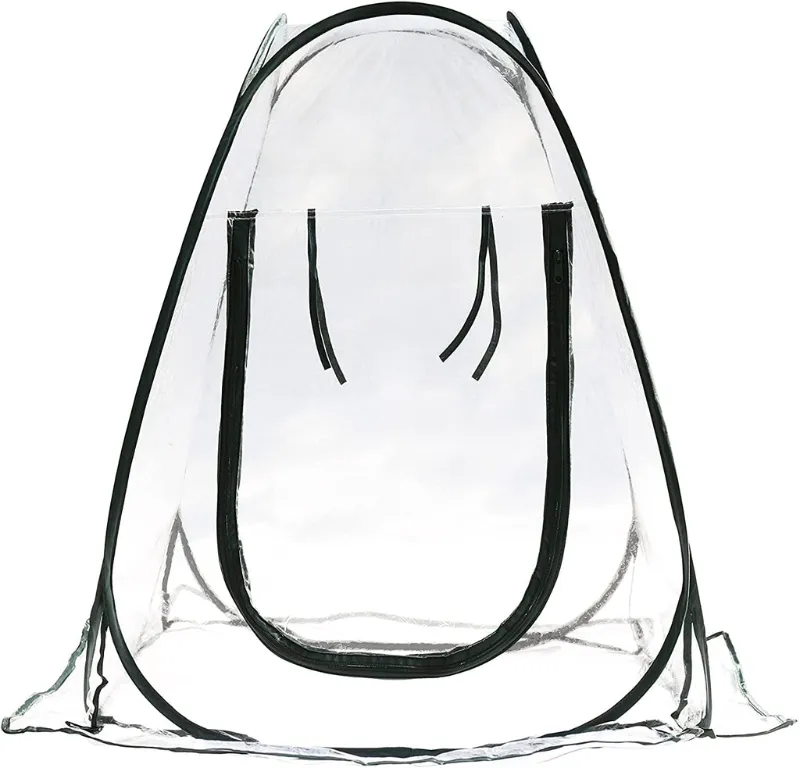
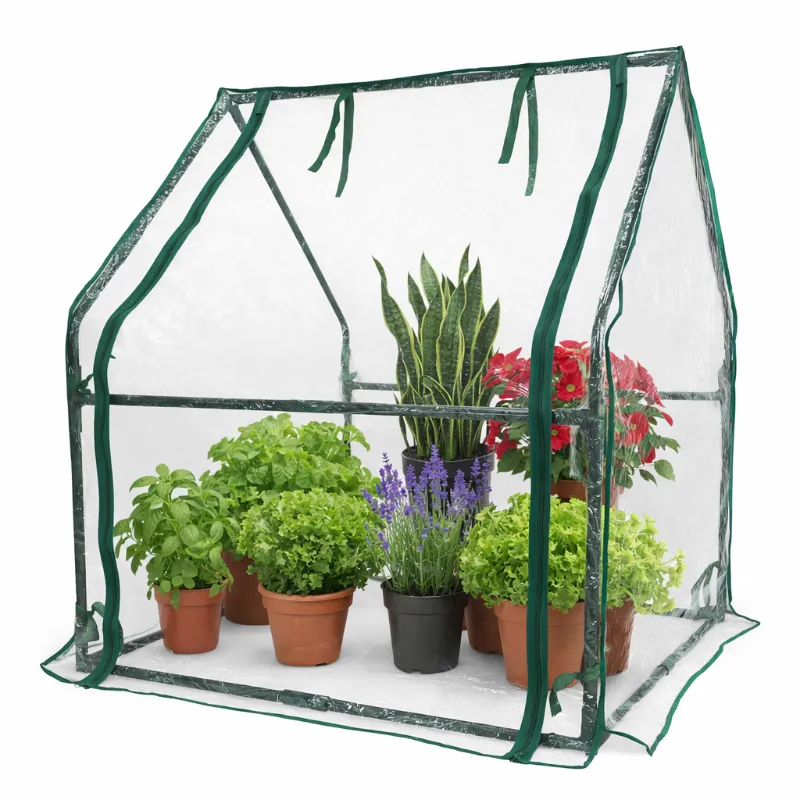
Gardzen sells covered growing space in more than one size: the Gardzen portable greenhouse and pop up greenhouse for seasonal protection, and a smaller mini greenhouse kit for seedlings. Read each listing for the frame material, the joint type and the cover fabric, since those three details tell you more about how a unit will behave outdoors than the name on the box. For a wider view of the market, BHG’s roundup of small greenhouse kits compares several small kits side by side.
Frame Materials and Wind Resistance
Wind is the main thing that damages a lightweight greenhouse. The frame type decides how it copes.
| Frame type | Typical material | How it handles wind |
|---|---|---|
| Rigid walk-in | Steel or powder-coated steel tubes with locking joints | Holds its shape; relies on good stakes and guy lines |
| Pop-up hoop | Fiberglass rods | Flexes by design; the joints take the strain in gusts |
| Collapsible cube | Spring-steel wire | Light and quick; cover corners and grommets take the load |
A rigid frame stays square because each pole section locks into the next. Pop-up hoops flex, which is fine on calm days but puts stress on the joints and the cover when wind pushes against it. Extra guy lines help any style, though they add setup time and take away some of the convenience of a pop-up.
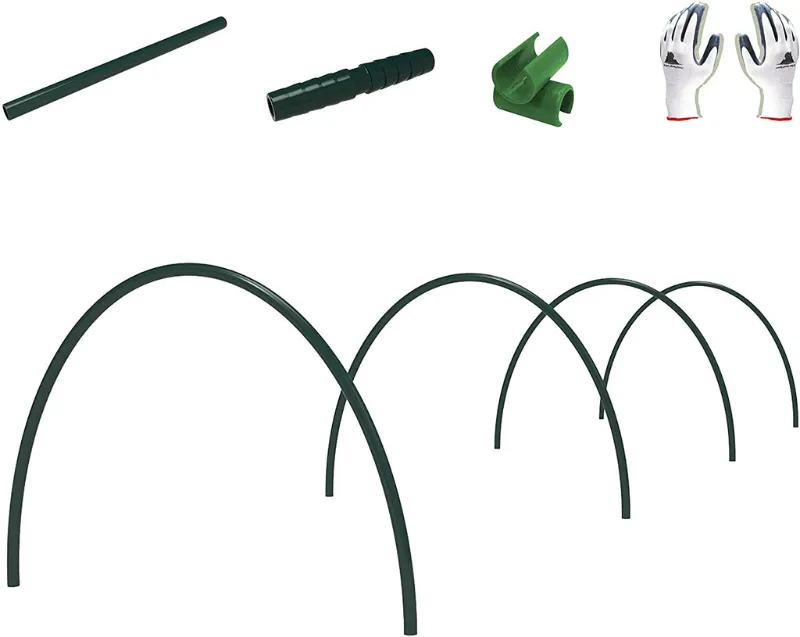
If you live somewhere exposed, anchor any greenhouse well: stake every corner, add guy lines on the windward side, and consider weighing the base down with sandbags or bricks. Garden hoops with a row cover are another option for low crops, though they are a seasonal support rather than a year-round structure.
Cover Durability and UV
Both styles usually use a polyethylene (PE) or PVC cover, and the thickness and reinforcement vary a lot between models. When you compare listings, look for:
- Cover weight, often given in g/m². A heavier cover generally resists tearing better than a thin one.
- Grid or ripstop reinforcement, which stops a small puncture from spreading.
- UV treatment, since plain plastic film turns brittle and cloudy in strong sun.
- Seams and zips, which are where a cover usually fails first.
- A replacement cover sold separately, so a worn cover does not mean buying a whole new greenhouse.
Sun is hard on any plastic cover. Storing a pop-up indoors between seasons helps it last longer, while a cover left out all year in a sunny climate will need replacing sooner.
Assembly Time and Portability
A pop up greenhouse lives up to its name. You pull the frame open, stake the corners, and it is ready. A bolted steel-tube greenhouse takes longer the first time, since you need to read the instructions and sort the poles and connectors, but it gets quicker once you know the sequence.
Portability also means weight. A steel walk-in frame is heavier than a pop-up of a similar size, which makes it steadier in wind but harder to carry. If you plan to move your greenhouse often or store it in a small shed, a pop-up is easier to live with. If you want a semi-permanent structure that does not need re-anchoring after every storm, the heavier frame makes more sense.
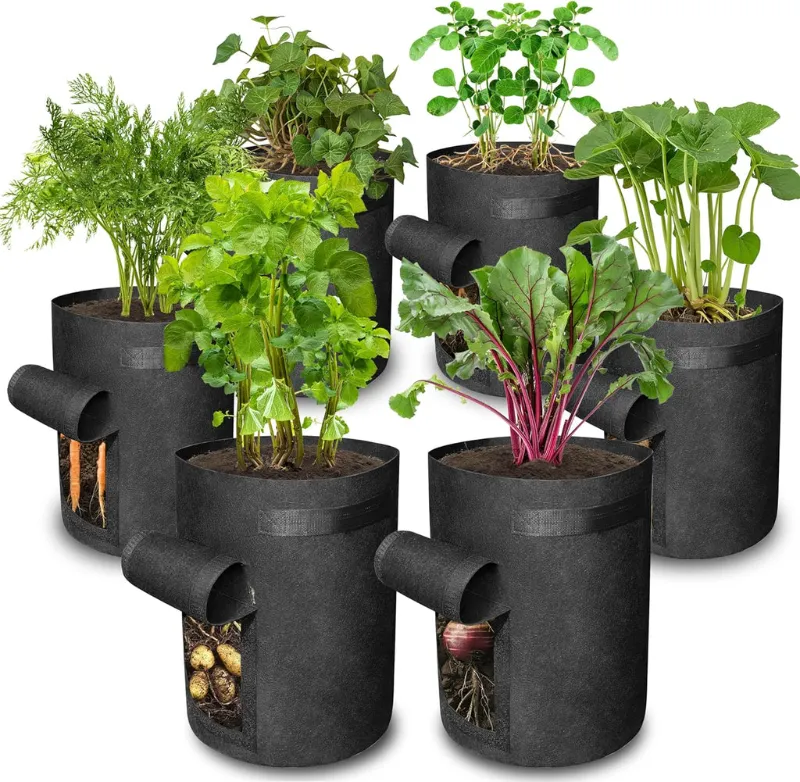
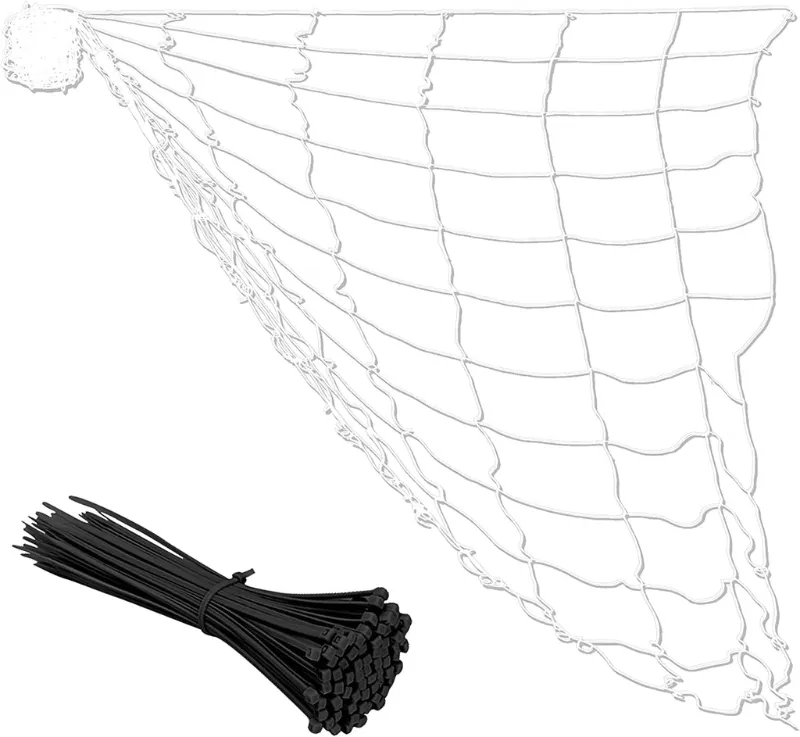
Both styles can hold potato grow bags and support trellis netting for climbing crops. A rigid frame gives you more confidence when clamping shelves or hanging accessories from it, since it will not flex under the load.
Which Style Suits Which Gardener
A steel-frame portable greenhouse suits you if you:
- Plan to leave it up for most of the year
- Live in an area with frequent wind or heavy rain
- Want to add shelves, grow lights or a heater
- Want a structure for winter protection that you set up once and leave
A pop up greenhouse suits you if you:
- Want to move it around the garden, or between a patio and a sheltered spot
- Only grow under cover for a few months each year
- Have limited storage space
- Rent your home or want to try a few locations before committing
Pop-ups also suit growers who would rather have several small units than one large walk-in. You can place a mini greenhouse kit over a single bed or a tray of seedlings and fold it away when that crop finishes.
Maintenance Over Multiple Seasons
A little upkeep keeps either style going longer:
- Check bolts, pins and joints at the start of each season and tighten anything loose.
- Clean the cover with mild soapy water in spring to remove algae and dust, which block light.
- Patch small tears early with greenhouse repair tape before wind makes them bigger.
- Check stakes and guy lines after every storm.
- Take down or store a pop-up before heavy snow, since flexible rods are not built for snow load.
The main long-term difference is repair. On a modular steel frame you can usually replace a single pole or the cover. Many pop-ups are sold as one unit, so wear on the frame or cover can mean replacing the whole thing. Check which parts the maker sells separately before you buy.
Our Advice and Where to Buy
For most backyard gardeners who want to extend the season without much fuss, we would start with a rigid-frame model that has a replaceable cover and good anchoring points. If you need something you can fold away, or you only grow from spring to autumn, a pop-up with reinforced corners and a heavier cover is the more practical choice. Bring it indoors or into a garage over winter to protect the frame and cover.
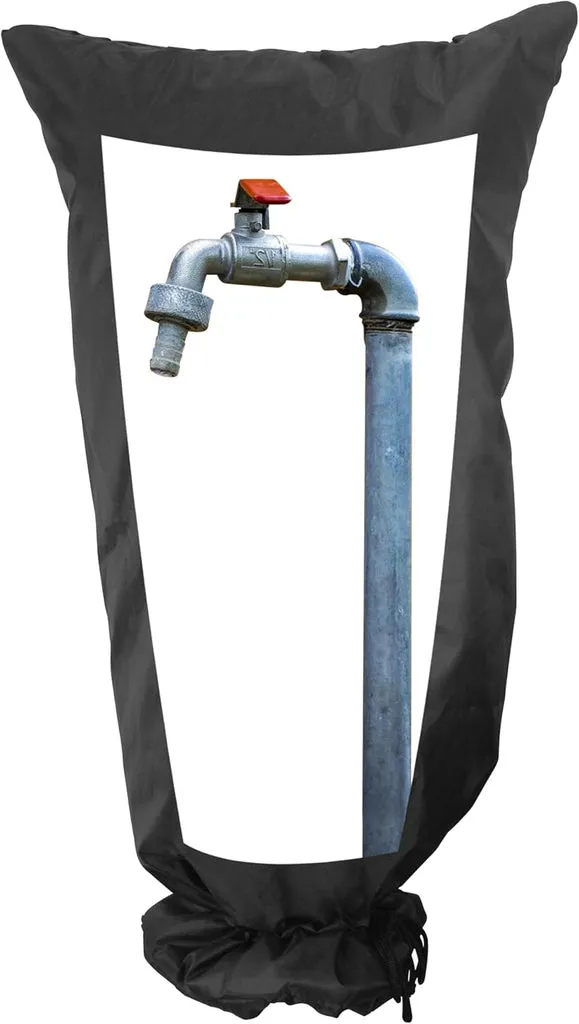
If you want to compare in person, Portable & Mini Greenhouses at Tractor Supply and Mini Greenhouses | Aosom.com stock both styles. If you leave hoses connected near the greenhouse, an outside faucet cover helps protect the tap on frosty nights.
Before you order, see the current Gardzen discount code.
Questions
Which lasts longer, a portable greenhouse or a pop up greenhouse?
A rigid steel-frame portable greenhouse usually lasts longer, mainly because you can replace a worn cover or a single pole instead of the whole unit. A pop up greenhouse can also last well if you store it indoors between seasons and take it down before storms or snow.
Can I leave a pop up greenhouse outside all winter?
You can, but it will wear faster. Flexible rods are not built for snow load or long stretches of freeze and thaw. If you can, fold it away and store it indoors until spring.
Which greenhouse style handles wind better?
Steel-tube frames with locking joints handle wind better than spring-steel or fiberglass hoops, which flex by design. Whatever you choose, stake every corner and add guy lines on the side facing the prevailing wind.
How long does each greenhouse type take to set up?
A pop up greenhouse unfolds and stakes down in minutes. A bolted steel-frame greenhouse takes longer the first time, since you sort the poles and follow the instructions, and it gets faster once you know the order.
Is a mini greenhouse kit better than a full-size portable model?
It depends on your space and goals. A mini greenhouse kit works well for seedlings, herbs or a single bed and stores easily. A walk-in portable greenhouse gives you room for shelving, taller plants and longer seasons but needs more yard space.
Do I need to replace the whole greenhouse when the cover wears out?
Not always. Many steel-frame models sell replacement covers, so you keep the frame. Many pop-ups are sold as a single unit, so check whether a spare cover is available before you buy.
Products in this guide
 Shopping at Gardzen? See the discount code
10% OFF Sitewide
Shopping at Gardzen? See the discount code
10% OFF Sitewide
More in this series
How Long Do Fabric Grow Bags Last Before They Need Replacing?3 Sep 20265 minBest Way to Secure Trellis Netting for Cucumbers and Climbing Vegetables3 Sep 20265 minWhen to Remove Faucet Covers in Spring Without Risking Pipe Damage3 Sep 20265 minPotato Grow Bags: Do They Really Increase Yield?3 Sep 20265 minHow to Protect Outdoor Faucets From Freezing: Cover Options That Actually Work3 Sep 20266 min