 A Usnighthawk guide
NVG30 vs NVG50: Which Night Vision Device Is Right for You?
We compare the NVG30 and NVG50 night vision goggles across optics, field of view, durability, and real-world use to help you decide which device fits your budget and mission.
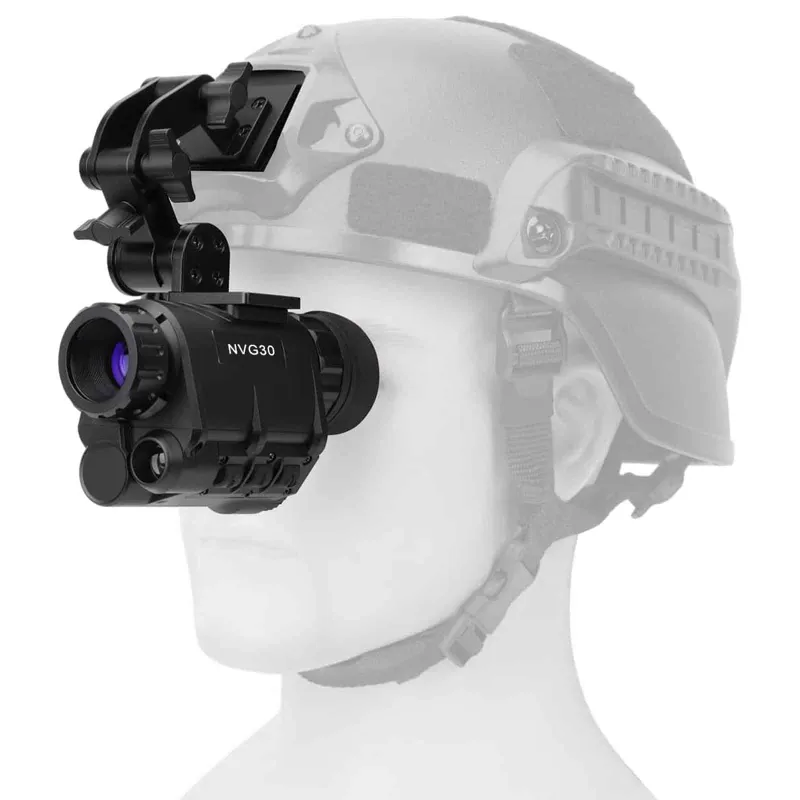
The nvg30 and nvg50 are two popular night vision goggles built for hunters, security professionals, and tactical users who need reliable low-light performance without the price tag of military-grade systems. Both devices deliver image intensification technology in compact housings, but they differ in optical quality, field of view, battery life, and cost.
Key Differences Between the NVG30 and NVG50
Understanding what sets these two night vision goggles apart will save you from overspending or underbuying.
Optical Performance The NVG50 uses a Generation 2+ image intensifier tube with higher resolution and better low-light sensitivity than the NVG30’s Generation 1+ system. In practical terms, the NVG50 delivers sharper images in near-total darkness and handles ambient light from stars or moonlight more effectively. The NVG30 works well in suburban or rural environments with some residual light but struggles in dense forest or overcast conditions.
Field of View The NVG50 offers a 40-degree field of view compared to the NVG30’s 30-degree range. That extra 10 degrees makes a noticeable difference when scanning terrain for game or monitoring a perimeter, reducing the need to pan your head constantly.
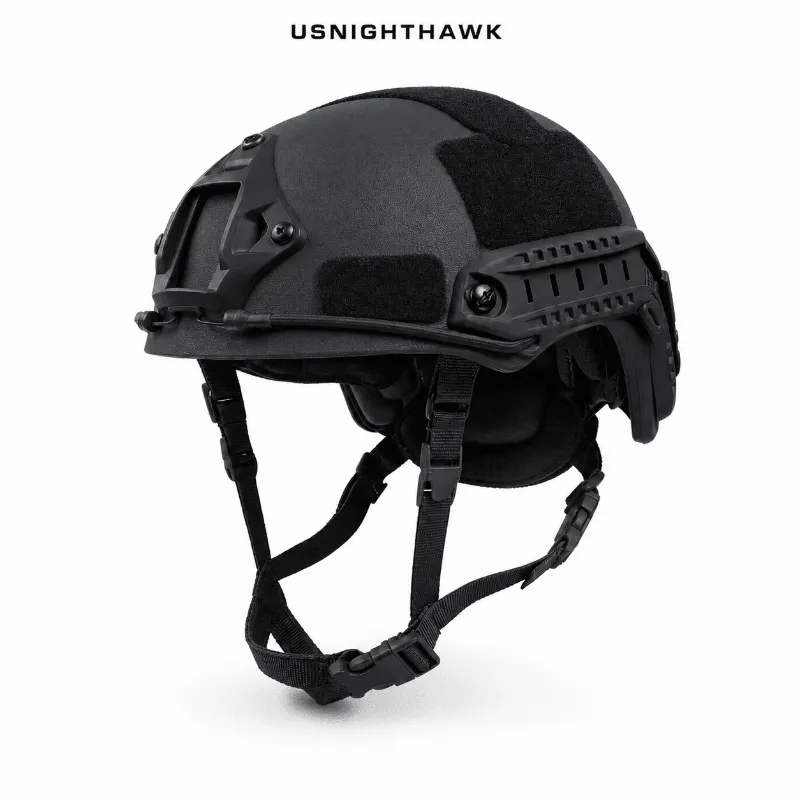
Weight and Mounting The NVG30 weighs 340 grams, while the NVG50 comes in at 420 grams. Both models mount to a fast bump helmet using standard NVG shrouds, but the lighter NVG30 causes less neck fatigue during extended wear. If you plan multi-hour patrols or hunts, that 80-gram difference adds up.
Battery Life The NVG30 runs on a single CR123A battery for approximately 20 hours, while the NVG50 uses two CR123A cells and delivers roughly 30 hours of runtime. Both systems include infrared illuminators that drain power faster when active.
| Feature | NVG30 | NVG50 |
|---|---|---|
| Generation | 1+ | 2+ |
| Field of View | 30° | 40° |
| Weight | 340g | 420g |
| Battery Life | ~20 hours | ~30 hours |
Check current pricing and grab our discount code to see which model fits your budget.
Who Should Choose the NVG30
The NVG30 serves three user profiles especially well.
Budget-Conscious First-Time Buyers If you are new to nvg night vision and want to test whether these devices suit your activities before committing to premium models, the NVG30 offers a lower entry point. You will sacrifice some image clarity, but you will learn the basics of night observation, infrared operation, and helmet mounting without a steep initial investment.
Suburban and Peri-Urban Use Property owners monitoring livestock, security teams patrolling well-lit facilities, and hunters working farmland with ambient light will find the NVG30’s Generation 1+ optics adequate. The device performs best when supplemented by its built-in IR illuminator or external light sources.
Weight-Sensitive Applications If you experience neck strain easily or plan to wear night vision goggles for hunting across long stalks, the NVG30’s lighter frame reduces fatigue. Pair it with a counterweight pouch on the rear of your helmet for better balance.
Who Should Choose the NVG50
The NVG50 justifies its higher cost for users with specific performance needs.
Serious Hunters in Dense Cover Tracking game through thick forest or along creek beds after dusk demands better low-light sensitivity. The NVG50’s Generation 2+ tube picks up detail in shadows and under canopy that the NVG30 simply cannot resolve. Bowhunters who need to identify antler points or assess shot angles at close range will appreciate the resolution upgrade.
Professional Security and Law Enforcement When situational awareness directly affects safety, the NVG50’s wider field of view and superior image quality become critical. The device also handles sudden light transitions more gracefully, reducing the risk of temporary blindness when a vehicle headlight sweeps your position.
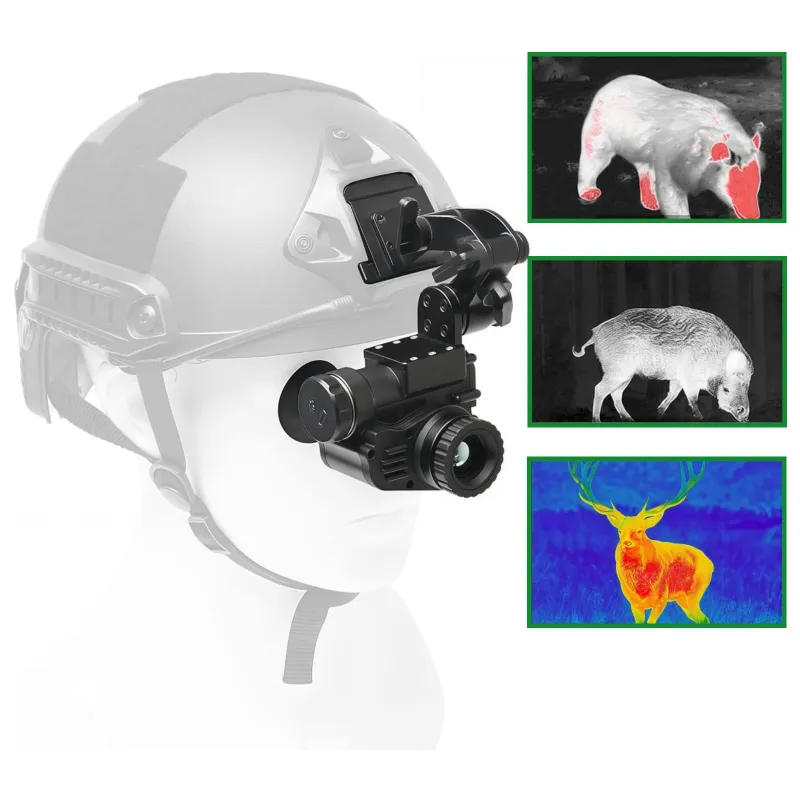
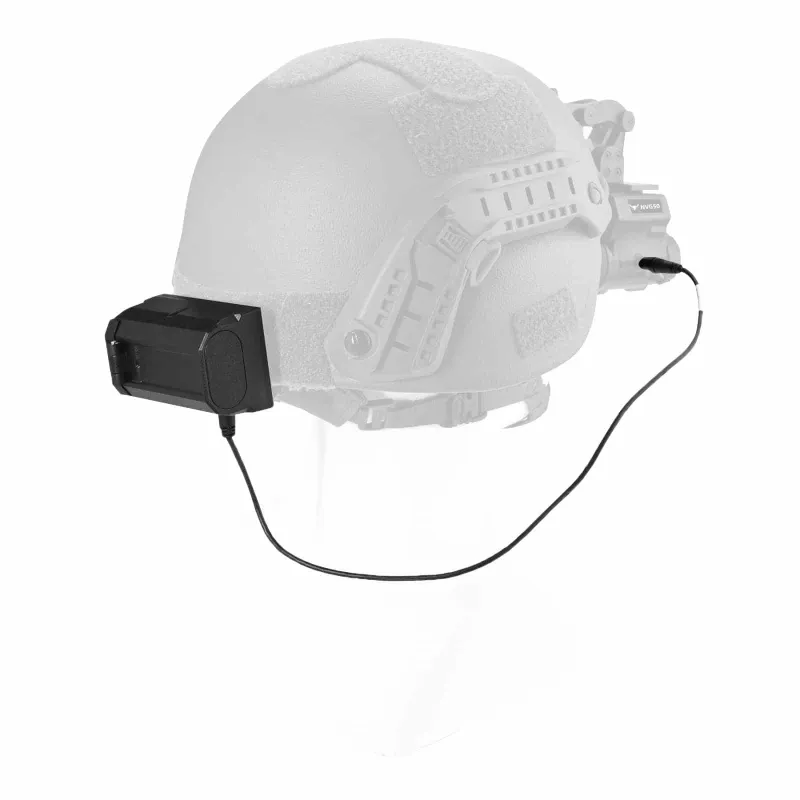
Users Planning Accessory Integration If you intend to mount lasers, cameras, or other tactical accessories, the NVG50’s better base image gives you cleaner footage and more usable target identification. It pairs well with helmet systems and works alongside thermal binoculars for dual-sensor setups.
Optical Systems and Image Intensification Technology
Both the NVG30 and NVG50 rely on image intensifier tubes that amplify available light through a photocathode, but the generation gap matters.
Generation 1+ vs Generation 2+ Generation 1+ devices like the NVG30 amplify light by roughly 1,000 times and produce a usable green-phosphor image down to quarter-moon conditions. They cost less to manufacture but exhibit more visual noise (graininess) and halo around bright points.
Generation 2+ systems like the NVG50 amplify light by 20,000 to 30,000 times, drastically improving clarity in starlight-only environments. The microchannel plate inside a Gen 2+ tube has a higher signal-to-noise ratio, so the image appears smoother and more detailed. These tubes also last longer before the phosphor degrades.
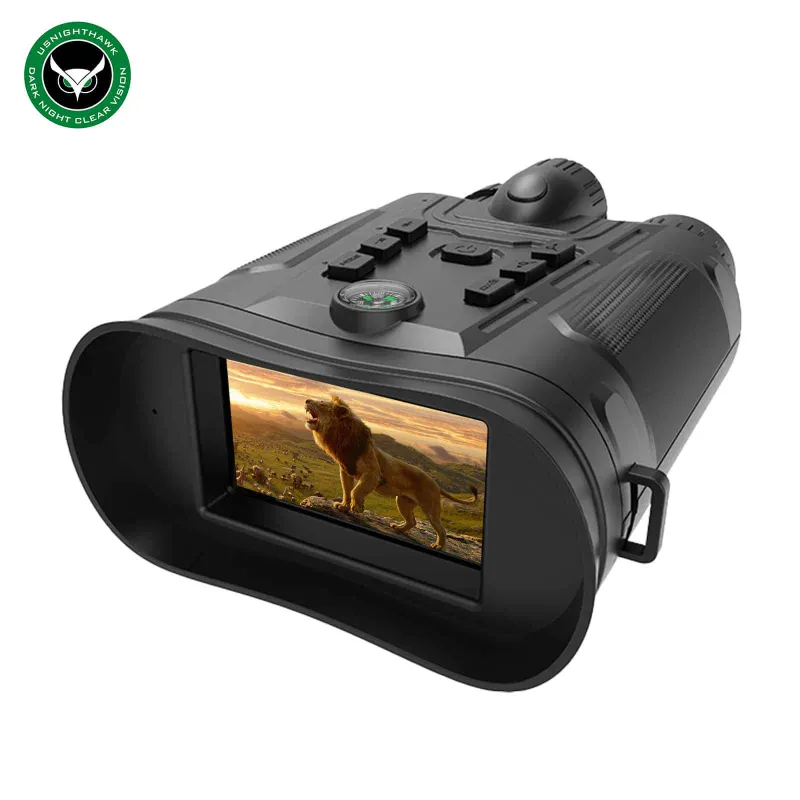
Infrared Illumination Both models include 850nm infrared illuminators invisible to the naked eye but visible through the goggles. The NVG50’s higher-gain tube requires less IR assistance, preserving battery life and reducing the risk of detection by other night vision users. For comparison, binoculars night vision binoculars often omit built-in illuminators and rely entirely on ambient light or external IR sources.
Durability, Weatherproofing, and Maintenance
Housing and Sealing Both devices feature impact-resistant polymer housings rated to MIL-STD-810 for shock and vibration. The NVG50 adds an IPX7 waterproof rating, meaning it survives temporary submersion up to one meter for 30 minutes. The NVG30 carries an IPX4 splash-resistant rating, adequate for rain but not for accidental drops into water.
Lens Protection Each model ships with flip-up lens covers and a carrying case. We recommend adding a sacrificial lens protector if you operate in brush-heavy environments; branches and thorns scratch objective lenses faster than you would expect.
Routine Care Clean the objective and eyepiece lenses with a microfiber cloth and lens cleaner designed for coated optics. Never use paper towels or abrasive materials. Store the goggles with a desiccant pack to prevent internal fogging, especially if you live in humid climates. Replace batteries at the start of each season even if they show remaining charge, since voltage sag under load can cause unexpected shutdowns in the field.
Pricing and Where to Buy With Our Code
Night vision goggles for hunting and tactical use span a wide price range depending on generation and features. Entry-level Generation 1+ devices like the NVG30 typically cost significantly less than Generation 2+ models such as the NVG50, but exact pricing fluctuates based on sales and inventory.
Rather than quoting specific numbers that may change, we recommend checking the latest price and applying our exclusive discount code at checkout. Usnighthawk currently offers 10% off all orders, which can represent substantial savings on either device.
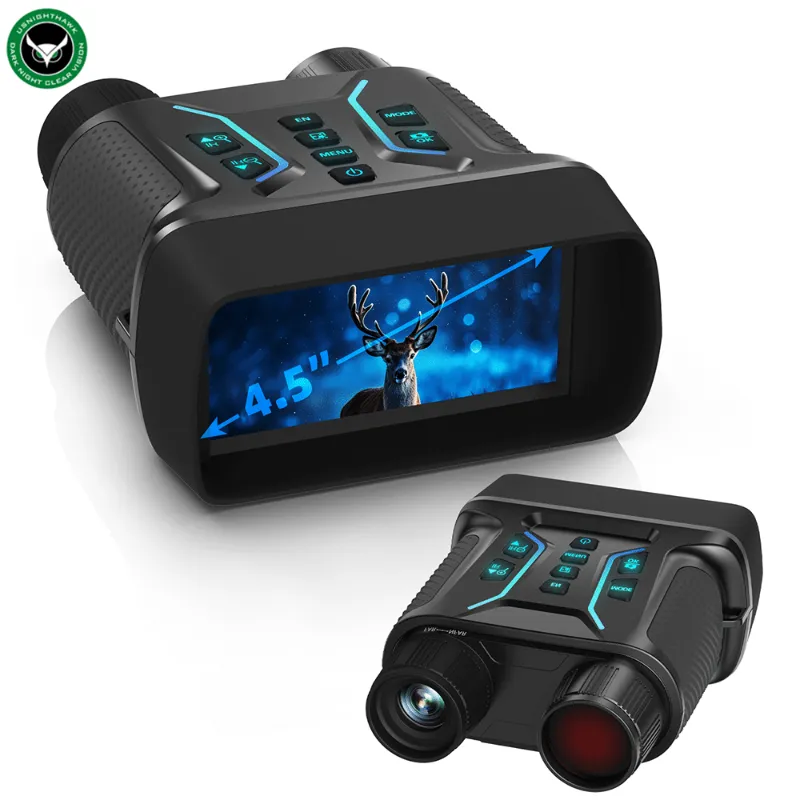
If you are considering alternatives, nite vision binoculars provide a two-eyed viewing experience that reduces eye strain during prolonged observation, though they sacrifice the hands-free helmet-mounting capability that makes goggles ideal for active movement. For daytime scouting before your night missions, the explore scientific g400 series 8×42 binoculars deliver excellent clarity and durability.
Final Recommendation: Match the Device to Your Mission
Choose the NVG30 if you operate in environments with ambient light, prioritize light weight, and want to minimize upfront cost while learning night vision basics. It serves property monitoring, casual predator hunting, and hobbyist use effectively.
Opt for the NVG50 if you hunt in dense cover with minimal light, need professional-grade image quality for security work, or plan to integrate the goggles into a broader tactical system. The Generation 2+ optics and wider field of view justify the investment for serious users who depend on their night vision goggles regularly.
Both models represent solid value within their respective tiers, and Usnighthawk’s current 10% discount makes either option more accessible. We have used both devices across multiple seasons and hunting environments, and each excels when matched to the right application. For additional context on how these technologies evolved, US Night Vision offers detailed technical resources on image intensification and thermal optics.
Questions
Can I use the NVG30 or NVG50 in complete darkness?
The NVG50's Generation 2+ optics work in starlight-only conditions, while the NVG30 requires some ambient light or its built-in infrared illuminator. Neither device functions in absolute darkness without IR assistance.
Do these night vision goggles work with prescription glasses?
Both models offer adjustable eyepiece diopters to accommodate mild prescriptions. If you wear glasses with strong correction, you may need to keep them on, though this can affect the eye relief distance and field of view.
How long do the image intensifier tubes last?
Generation 1+ tubes like the NVG30's typically last 1,500 to 2,000 hours of use, while Generation 2+ tubes in the NVG50 often exceed 5,000 hours before noticeable phosphor degradation occurs.
Will the NVG50 mount to my existing helmet?
Yes, both the NVG30 and NVG50 use standard NVG shrouds compatible with most tactical helmets including the fast bump helmet. Verify your helmet has a three-hole shroud mount.
Can I use these night vision goggles for hunting legally?
Night vision regulations vary by state and game species. Many states permit night vision for predator and hog hunting but prohibit it for big game. Always check your local wildlife agency rules before hunting with any night vision device.
What is the difference between night vision goggles and thermal binoculars?
Night vision goggles amplify existing light to create a visible image, while thermal binoculars detect heat signatures. Thermal works through fog and vegetation but costs significantly more and shows less environmental detail.
Products in this guide
 Shopping at Usnighthawk? See the discount code
10% OFF All Orders
Shopping at Usnighthawk? See the discount code
10% OFF All Orders
More in this series
How Long Do Night Vision Goggles Last with Proper Care?7 Aug 20265 min Explore Scientific G400 Series 8X42 Binoculars Review: Worth the Investment?7 Aug 20264 minHow to Mount Night Vision Devices on a FAST Bump Helmet7 Aug 20264 minDo Night Vision Goggles Work in Complete Darkness?7 Aug 20264 minHow to Choose Between Night Vision and Thermal Binoculars for Hunting7 Aug 20264 min