 A Usnighthawk guide
How Long Do Night Vision Goggles Last with Proper Care?
Night vision goggles typically last between 5,000 and 15,000 hours of active use when maintained properly, with lifespan varying by tube generation and care routine.
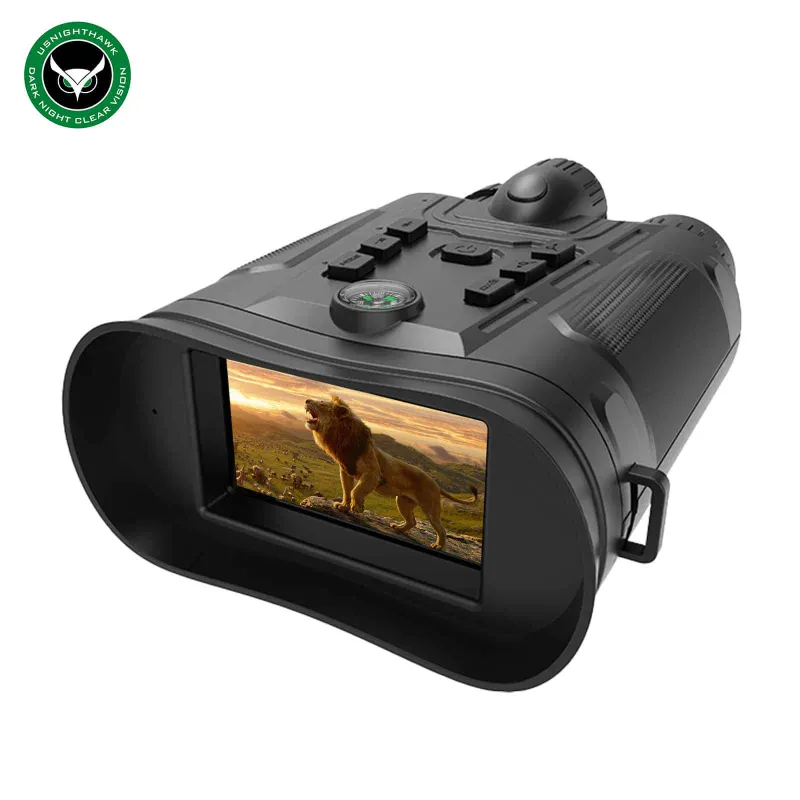
Night vision goggles typically last between 5,000 and 15,000 hours of active use when you maintain them correctly. The actual lifespan depends on the image intensifier tube generation, how often you use the device, and your storage and cleaning habits. Most quality devices like night vision goggles and nvg night vision systems will serve you reliably for years if you follow basic care protocols.
The tube itself is the heart of any night vision device, and modern Gen 2+ and Gen 3 tubes can deliver over a decade of intermittent use for hunters, wildlife observers, and tactical operators. Understanding what affects longevity and how to protect your investment helps you get the most value from your gear.
What Determines Night Vision Tube Lifespan
The image intensifier tube is the component that actually converts low light into visible images, and it has a finite operational life measured in hours. Gen 1 tubes typically last 1,000 to 2,000 hours, while Gen 2 tubes push 5,000 to 7,000 hours. Gen 3 military-grade tubes can exceed 10,000 to 15,000 hours before performance degrades noticeably.
Tube life counts down only when the device is powered on, not while stored. Key factors include:
- Bright light exposure: Turning on goggles in daylight or pointing them at headlights damages the photocathode and shortens tube life drastically
- Operating environment: Extreme humidity and temperature swings stress internal seals and electronics
- Power cycling frequency: Constantly switching on and off creates more wear than longer single-use sessions
- Tube generation: Newer technologies use more durable materials and better ion barriers
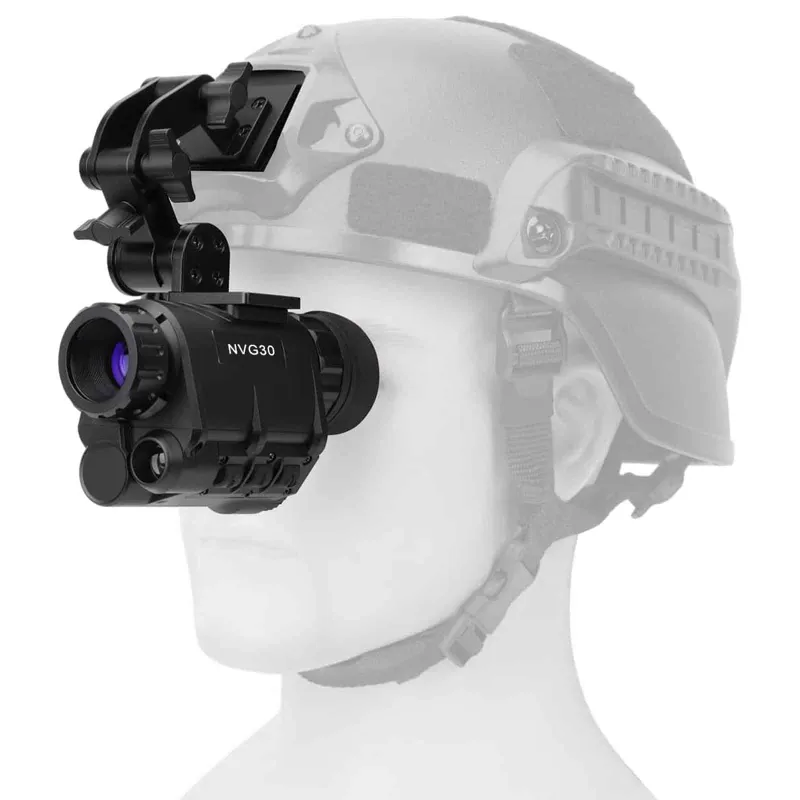
Models like the nvg30 and nvg50 incorporate auto-shutoff features that protect tubes from accidental bright-light exposure, adding thousands of hours to their usable life.
Essential Storage Practices That Extend Device Life
Proper storage between uses accounts for much of the lifespan difference between well-maintained and neglected devices. Always remove batteries before long-term storage to prevent corrosion from leaks. Store your binoculars night vision binoculars or goggles in a cool, dry location away from direct sunlight, ideally in the original case with desiccant packs.
Storage checklist:
- Remove batteries and store separately
- Clean lenses and body before putting away
- Use lens caps on both objective and eyepiece
- Keep in a padded case with silica gel packets
- Avoid basements or attics with temperature extremes
- Store in a gun safe or locked cabinet to prevent unauthorized use
Humidity is particularly damaging because condensation inside the tube or on circuit boards causes permanent fogging and electrical shorts. If you’ve used your device in rain or high humidity, let it air-dry at room temperature before sealing it in a case.
Cleaning and Maintenance Habits for Night Vision Goggles
Regular cleaning prevents dirt, oils, and moisture from degrading optical coatings and seals. Use only lens tissue or microfiber cloths designed for coated optics. Never use paper towels, shirt fabric, or household glass cleaners, which scratch anti-reflective coatings.
For the external housing, wipe with a slightly damp cloth and mild soap if needed. Avoid getting moisture in the eyepiece, objective lens housing, or battery compartment. Compressed air removes dust from crevices, but keep the can upright to prevent propellant residue.
Monthly maintenance routine:
- Inspect O-rings and seals for cracks or debris
- Check battery contacts for corrosion
- Wipe down lenses with proper lens cleaner
- Test power-on and IR illuminator function
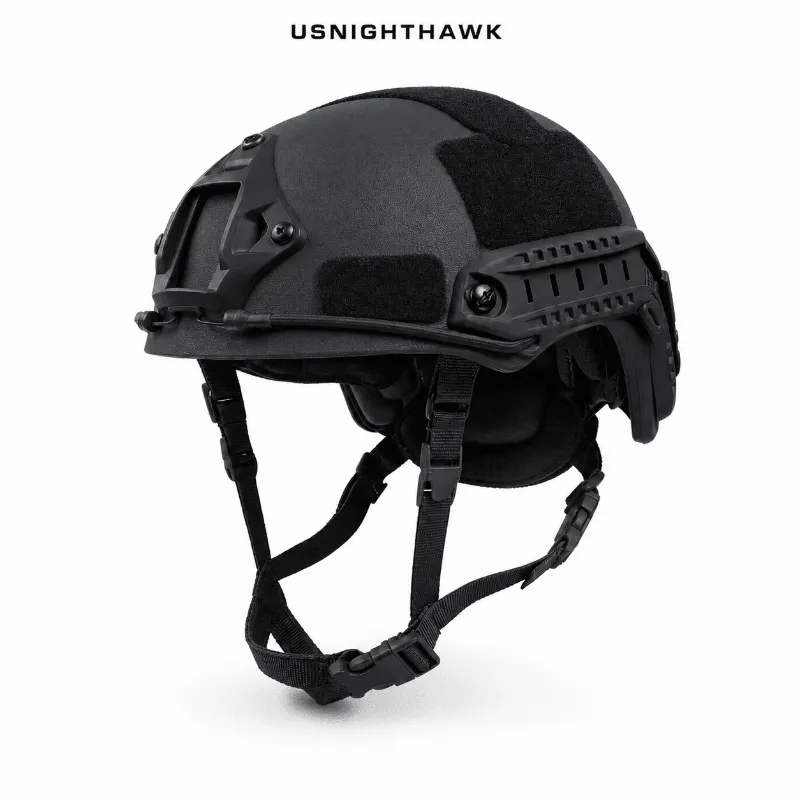
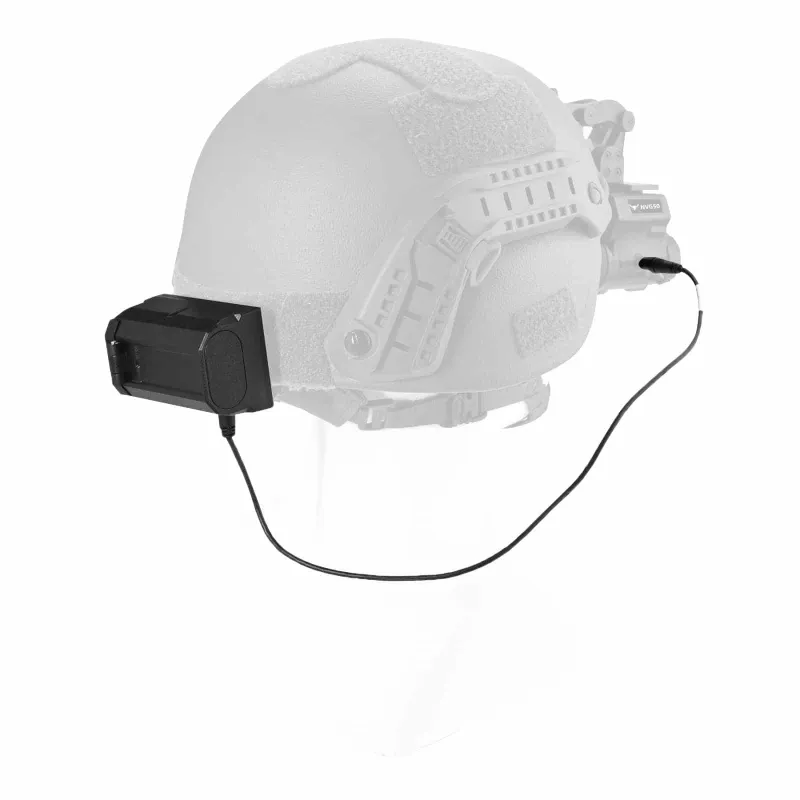
- Verify mounting hardware is tight (for helmet-mounted systems like the fast bump helmet)
Professional service every few years by authorized technicians ensures internal components stay aligned and sealed. Some manufacturers offer tube replacement programs when performance finally degrades, effectively extending the device’s total life beyond the original tube’s hours.
Comparing Lifespans Across Night Vision Device Types
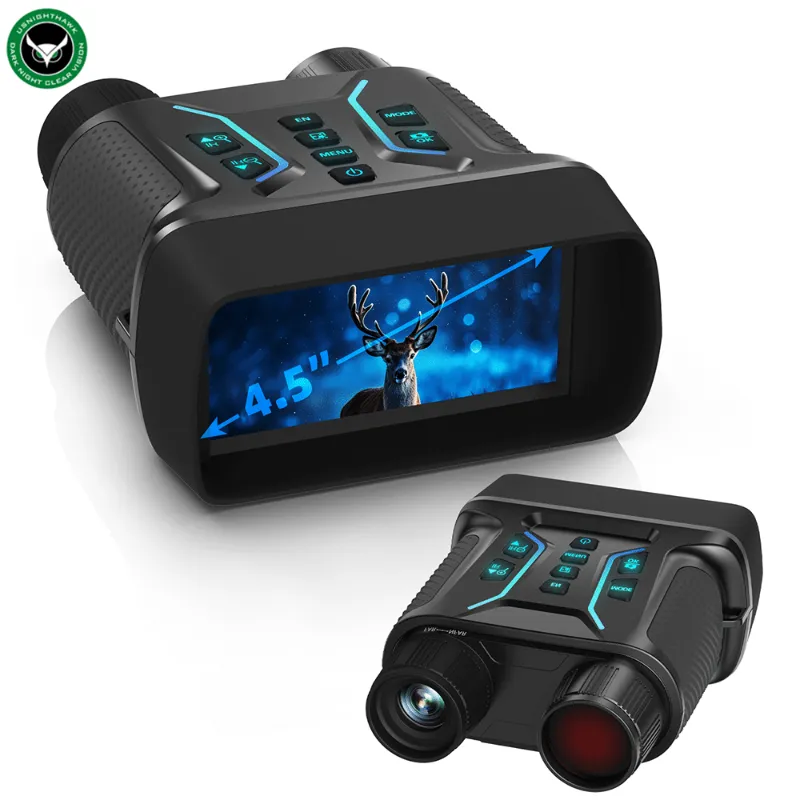
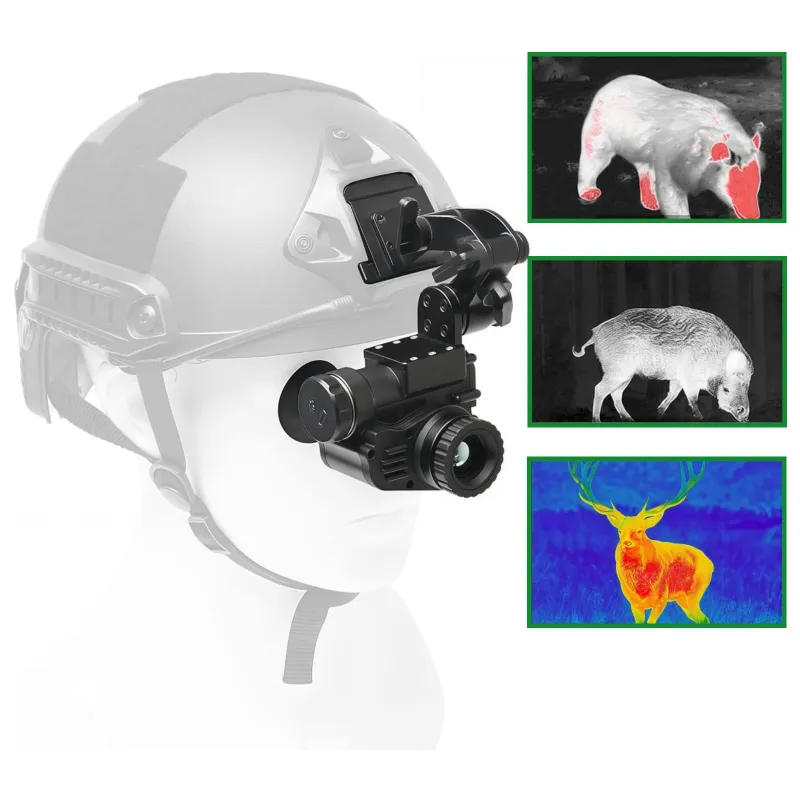
Different form factors and use cases affect how long your equipment lasts. Helmet-mounted goggles experience more vibration and impact than handheld nite vision binoculars, which can loosen internal components over time. Thermal devices like thermal binoculars use microbolometer sensors instead of image intensifier tubes, offering 10,000+ hours of operational life with different failure modes.
| Device Type | Typical Lifespan | Main Wear Factors |
|---|---|---|
| Handheld monoculars | 5,000 to 10,000 hrs | Tube life, lens care |
| Helmet-mounted goggles | 5,000 to 12,000 hrs | Impact, moisture ingress |
| Night vision binoculars | 6,000 to 15,000 hrs | Dual tube cost, alignment |
| Thermal imaging | 10,000+ hrs | Sensor drift, electronics |
For hunters who might use night vision goggles for hunting only 50 to 100 hours per year, even a Gen 2+ device will last 50+ years of actual calendar time before tube replacement. Wildlife observers and security professionals with heavier use patterns should budget for tube service or replacement after 8 to 12 years of regular use.
Check the latest price on quality devices that balance initial cost with long-term durability.
When to Replace vs. Repair Your Night Vision Goggles
Knowing when a device has reached end-of-life versus needing simple repair saves money and frustration. Common signs your tube is failing include increasing black spots (not just the few cosmetic blemishes most tubes have), significant brightness loss in the center of the image, or heavy green-tinted “scintillation” sparkles across the entire field of view.
Repairable issues include:
- Battery contact corrosion (clean with electronics contact cleaner)
- Loose eyepiece focus (tighten retaining ring)
- Cracked objective lens (replace lens element)
- Worn head mount or straps (order replacement parts)
When tube replacement costs approach 60 to 80% of a new device’s price, replacement usually makes more financial sense unless you have a rare or discontinued model. The good news is that peripheral components like housings, mounts, and IR illuminators often outlast the tube itself.
For multi-tube systems like dual-tube goggles, replacing one failed tube while the other still performs well can extend the system’s life, though you may notice slight performance differences between the old and new tubes.
Getting Maximum Value from Your Investment
Quality night vision goggles from trusted manufacturers ship with warranties covering tube defects for 2 to 10 years depending on the generation. Register your device immediately and keep purchase documentation for warranty claims.
Beyond the basics of storage and cleaning, these habits maximize device life:
- Use only the recommended battery type and replace both batteries simultaneously in dual-tube systems
- Activate the built-in IR illuminator only when necessary, as it drains batteries faster and adds heat
- Allow devices to acclimate to outdoor temperatures gradually rather than rushing from heated indoors to freezing conditions
- Use protective sacrificial lenses on the objective to shield the main optic from scratches and impacts
- Update firmware if your digital-hybrid device offers updates
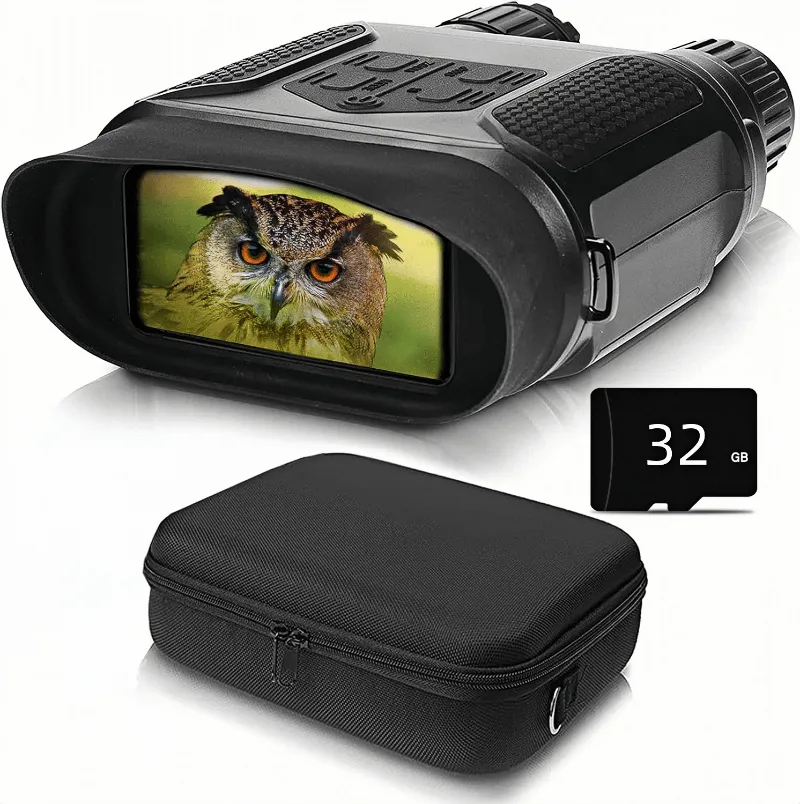
Consider adding explore scientific g400 series 8×42 binoculars as a daytime scouting companion that preserves your night vision device for actual low-light use, reducing unnecessary hours on the tube.
Before each season or deployment, run a function check in darkness to verify image quality, ensure no new spots have appeared, and confirm all controls work smoothly. Grab the code for 10% off when you’re ready to upgrade or add accessories that protect your primary device.
With proper care, your night vision equipment will deliver reliable service for thousands of hours across many years, making the initial investment worthwhile for serious hunters, property owners, and outdoor enthusiasts who need to own the night.
Questions
How many years will night vision goggles last with regular use?
For typical recreational use of 50 to 100 hours per year, quality Gen 2+ or Gen 3 night vision goggles will last 50+ years before the tube needs replacement. The calendar lifespan depends entirely on active operating hours, not age.
Can you replace the tube in night vision goggles?
Yes, authorized service centers can replace image intensifier tubes, though the cost often ranges from 60 to 80% of a new device's price. Tube replacement effectively resets the device's operational lifespan.
What ruins night vision goggles fastest?
Bright light exposure while powered on causes the most damage, burning the photocathode and drastically shortening tube life. Always use lens caps and auto-shutoff features, and never turn on goggles in daylight.
Do night vision goggles degrade when not in use?
No, the tube only ages during powered operation. Proper storage with batteries removed in a cool, dry location prevents degradation, so devices can sit unused for years without losing performance.
How do I know when my night vision device is failing?
Increasing black spots, significant brightness loss in the center, heavy scintillation across the entire image, or inability to see clearly in conditions that previously worked indicate tube failure. A few small cosmetic blemishes are normal and don't affect function.
Are thermal binoculars more durable than night vision?
Thermal binoculars typically offer 10,000+ operational hours and aren't damaged by bright light, but they use different technology with their own failure modes. Both types last many years with proper care.
Products in this guide
 Shopping at Usnighthawk? See the discount code
10% OFF All Orders
Shopping at Usnighthawk? See the discount code
10% OFF All Orders
More in this series
Explore Scientific G400 Series 8X42 Binoculars Review: Worth the Investment?7 Aug 20264 minHow to Mount Night Vision Devices on a FAST Bump Helmet7 Aug 20264 minDo Night Vision Goggles Work in Complete Darkness?7 Aug 20264 minNVG30 vs NVG50: Which Night Vision Device Is Right for You?7 Aug 20266 minHow to Choose Between Night Vision and Thermal Binoculars for Hunting7 Aug 20264 min