 A Usnighthawk guide
Explore Scientific G400 Series 8X42 Binoculars Review: Worth the Investment?
The Explore Scientific G400 Series 8x42 binoculars deliver bright, sharp optics and rugged waterproof construction that make them a solid choice for birding, wildlife observation, and outdoor adventures.
Are the Explore Scientific G400 Series 8X42 Binoculars Worth It?
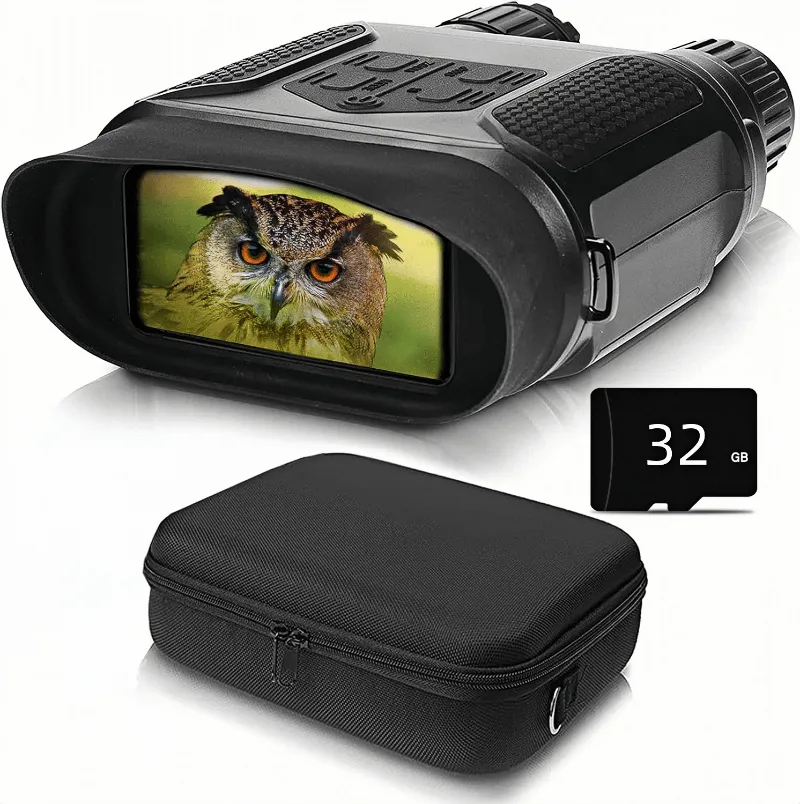
The explore scientific g400 series 8×42 binoculars are worth the investment if you need sharp, bright optics in a mid-size package for birding, wildlife watching, or astronomy. While they sit at a higher price point than entry-level optics, the phase-corrected coatings and waterproof housing justify the cost for dedicated outdoor enthusiasts.
Optical Performance and Image Quality
The G400 series uses fully multi-coated optics with phase correction on the roof prisms, which translates to noticeably sharper edge-to-edge clarity compared to standard roof prism designs.
- 8x magnification that balances detail and field of view without excessive hand shake
- 42mm objective lenses that gather enough light for dawn and dusk observation
- Phase-corrected roof prisms that preserve image contrast and resolution
- Wide field of view at approximately 393 feet at 1,000 yards
- Close focus distance around 6.5 feet for butterflies and near subjects
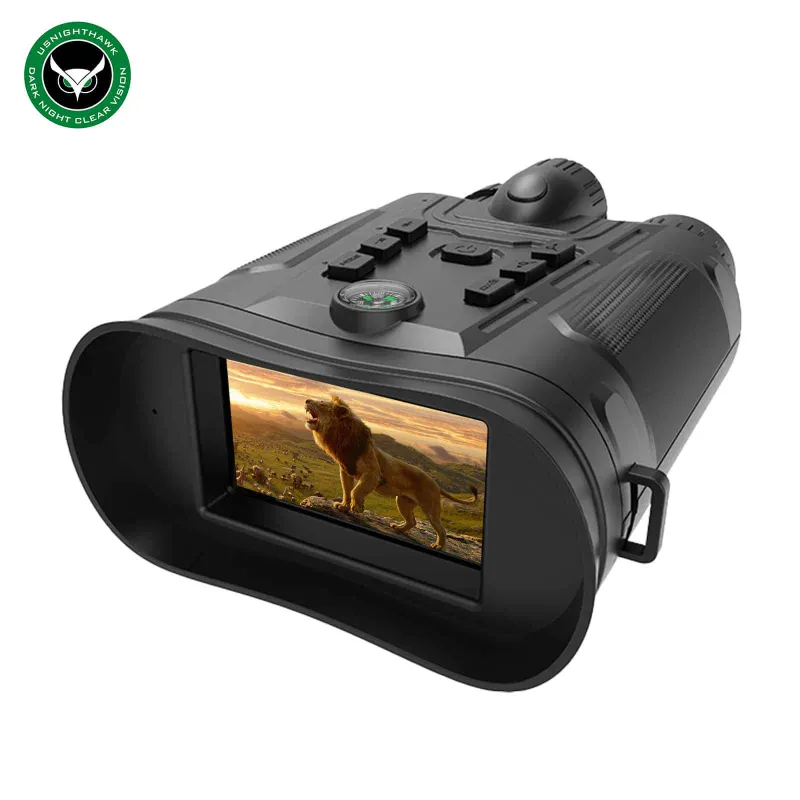
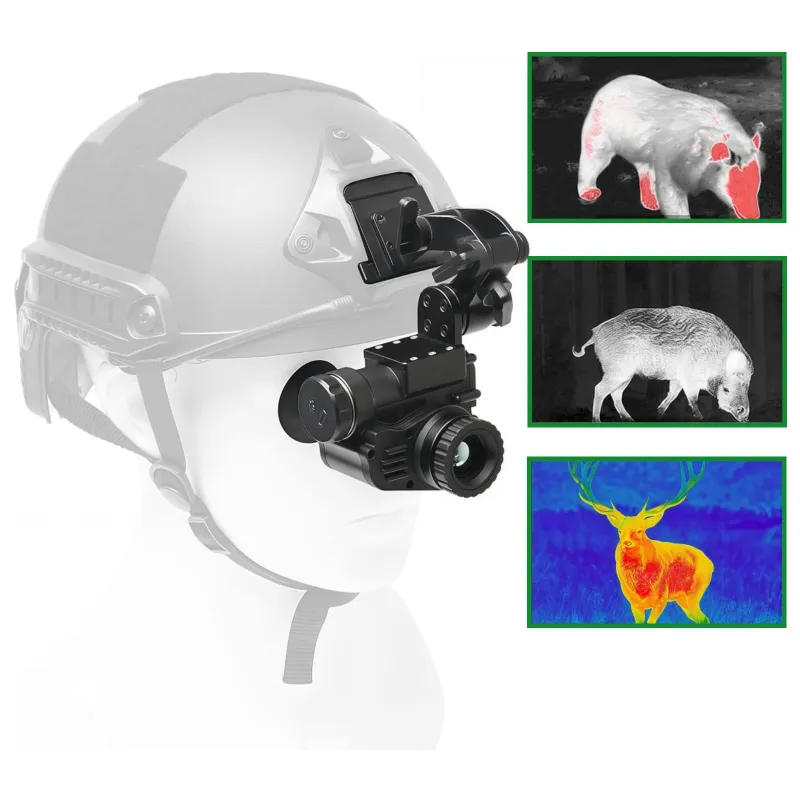
The exit pupil measures 5.25mm, which works well for most users and provides a bright image in moderate low-light conditions. If you primarily observe after dark, dedicated night vision goggles or thermal binoculars will outperform any traditional binocular in true darkness.
For a third-party view, see the Explore Scientific G400 15×56 roof prism binoculars review from Sky at Night Magazine, which covers a larger model in the G400 lineup.
Build Quality and Weather Resistance
The housing features a magnesium alloy body wrapped in textured rubber armor that provides secure grip even in wet conditions.
Construction highlights include:
- Waterproof and fog-proof nitrogen-purged housing rated to protect against rain and humidity
- Magnesium chassis that reduces weight while maintaining structural rigidity
- Twist-up eyecups with multiple click-stops for eyeglass wearers
- Smooth center focus wheel with approximately 1.5 turns lock-to-lock
- Diopter adjustment on the right eyepiece for vision correction
At roughly 25 ounces, these binoculars sit in the comfortable middle ground for all-day carry without neck strain.
For comparison, the explore scientific g400 series 8×42 binoculars weigh significantly less than astronomy-focused 15×56 models while still offering the aperture needed for wildlife observation. You can check the latest price and current specifications through our store link.
How These Compare to Night Vision Options
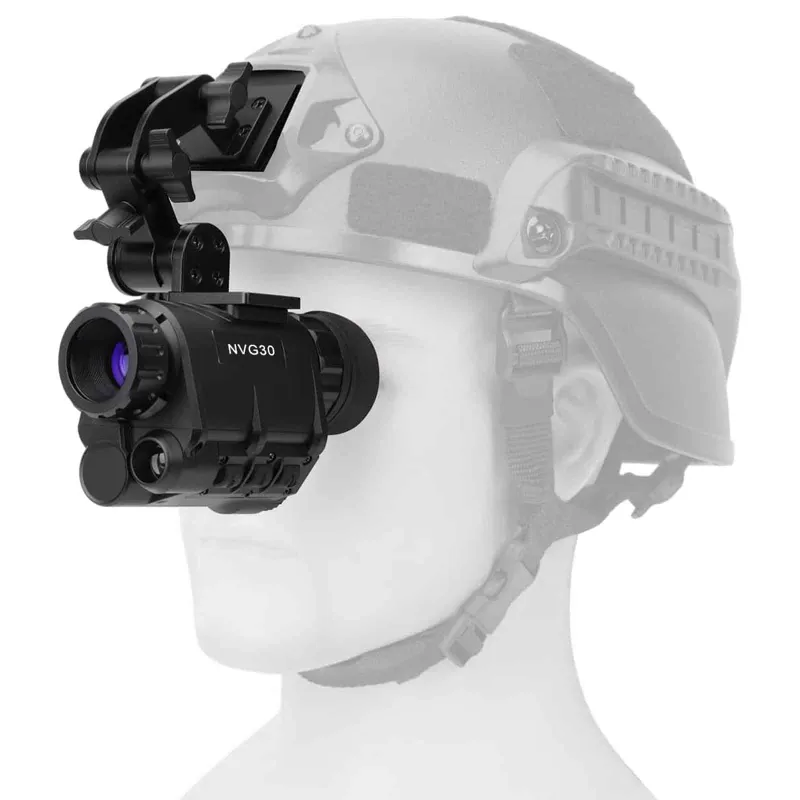
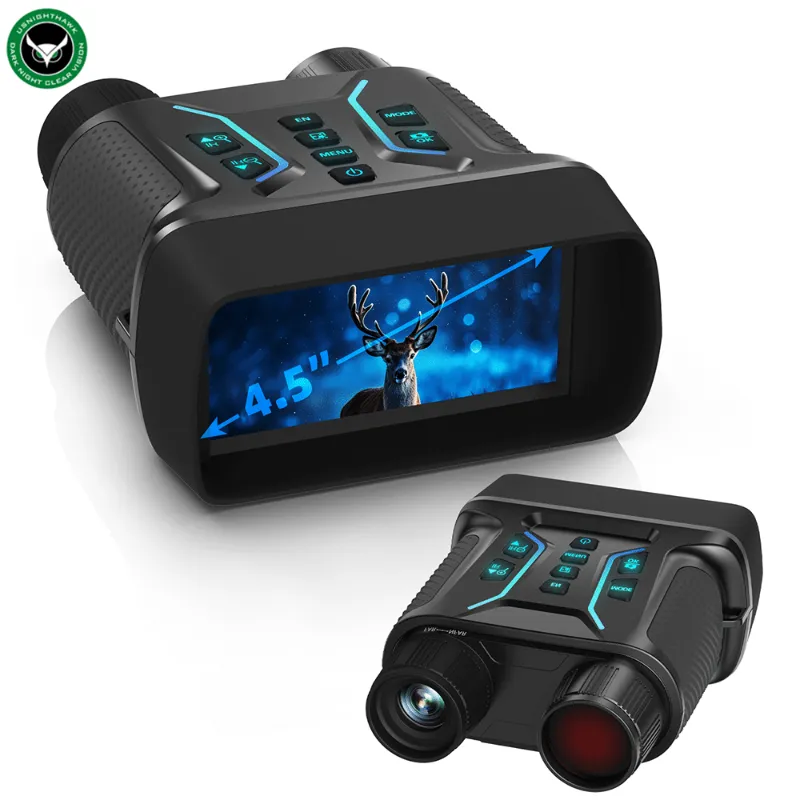
Traditional binoculars like the G400 series excel in daylight and twilight but cannot amplify existing light the way electronic night vision does. If you frequently observe wildlife after full dark, binoculars night vision binoculars or dedicated devices like the nvg30 and nvg50 provide true night capability with image intensifier tubes.
| Feature | G400 8×42 | Night Vision Binoculars |
|---|---|---|
| Daylight performance | Full color image | Reduced daytime function |
| Low-light capability | Good until twilight | Excellent in near-darkness |
| Power requirement | None | Battery dependent |
| Price range | Mid-tier | Premium |
We recommend the Explore Scientific optics for users who primarily observe during daylight hours and want maximum image quality without batteries or IR illuminators. Those needing true nocturnal capability should explore nite vision binoculars or nvg night vision systems instead.
Who Should Buy the G400 8X42 Model
These binoculars suit intermediate to advanced users who understand the value of quality optics and plan to use them regularly. They are ideal for:
- Birders who need sharp detail for field identification and spend hours glassing
- Wildlife watchers covering varied terrain where waterproofing matters
- Outdoor enthusiasts hiking, camping, or traveling who want one versatile optic
- Astronomy beginners seeking wide-field views of star clusters and the moon
- Hunters glassing open country during legal shooting light
Casual users or those on tight budgets may find entry-level binoculars adequate for occasional use. However, if you’re serious about your observations and plan to keep these binoculars for years, the G400 series offers performance that won’t leave you wanting an upgrade within a season.
The 8×42 configuration specifically works well for handheld use without a tripod. Higher magnifications like 10x or 12x amplify hand shake and typically require stabilization for comfortable viewing.
Maintenance and Long-Term Care
The nitrogen-purged, waterproof design means you won’t need frequent internal servicing. We recommend basic care practices to maintain optical performance:
- Clean lenses with a microfiber cloth and lens cleaning solution, never paper towels or shirt fabric
- Store in the included case when not in use to prevent dust accumulation and accidental impacts
- Check twist-up eyecups periodically to ensure they lock firmly at your preferred position
- Avoid leaving in direct sunlight inside vehicles where heat can damage seals and coatings
Explore Scientific backs these binoculars with a limited lifetime warranty covering manufacturing defects. Retailers like Telescopes.net and Bresser stock the G400 series and can provide warranty support.
For current pricing and to apply our exclusive discount, grab the code before placing your order. Our 10% off promotion makes premium optics more accessible while you’re investing in quality glass.
Final Verdict on Value and Performance
The explore scientific g400 series 8×42 binoculars sit in the $200-400 price bracket, with phase-corrected roof prisms and a waterproof, nitrogen-purged housing.
Phase correction helps roof prism binoculars keep contrast and resolution, and the waterproof construction suits variable conditions. If you are moving beyond beginner optics, compare the specifications above with the other models you are considering.
We recommend securing your pair through our discount code link to get the best available pricing on this model. Whether you’re identifying warblers at dawn, tracking elk across ridges, or scanning the Milky Way on clear nights, check that these specifications fit how you observe.
Questions
What magnification and objective size do the Explore Scientific G400 binoculars have?
The G400 series 8x42 model offers 8x magnification with 42mm objective lenses, providing a balanced combination of detail, field of view, and light-gathering ability for handheld use.
Are these binoculars waterproof and suitable for rainy conditions?
Yes, the G400 8x42 binoculars are fully waterproof with O-ring seals and nitrogen purging to prevent internal fogging. Check the listing for the exact waterproof rating before you rely on them in heavy rain.
Can the Explore Scientific G400 binoculars work for astronomy?
Absolutely. The 8x42 configuration provides wide-field views ideal for star clusters, nebulae, and lunar observation.
How do these compare to night vision binoculars for low-light use?
The G400 binoculars perform well in twilight but cannot amplify light like electronic night vision devices. For true darkness observation, dedicated night vision binoculars with image intensifier tubes are necessary.
What accessories come with the G400 series binoculars?
The G400 8x42 typically includes a padded carrying case, neck strap, lens covers, and a microfiber cleaning cloth. Check the retailer listing for the complete accessory package with your purchase.
Do these binoculars work for eyeglass wearers?
Yes, the twist-up eyecups feature multiple click-stops that allow eyeglass wearers to adjust eye relief for a full field of view without removing their glasses.
Products in this guide
 Shopping at Usnighthawk? See the discount code
10% OFF All Orders
Shopping at Usnighthawk? See the discount code
10% OFF All Orders
More in this series
How Long Do Night Vision Goggles Last with Proper Care?7 Aug 20265 min How to Mount Night Vision Devices on a FAST Bump Helmet7 Aug 20264 minDo Night Vision Goggles Work in Complete Darkness?7 Aug 20264 minNVG30 vs NVG50: Which Night Vision Device Is Right for You?7 Aug 20266 minHow to Choose Between Night Vision and Thermal Binoculars for Hunting7 Aug 20264 min